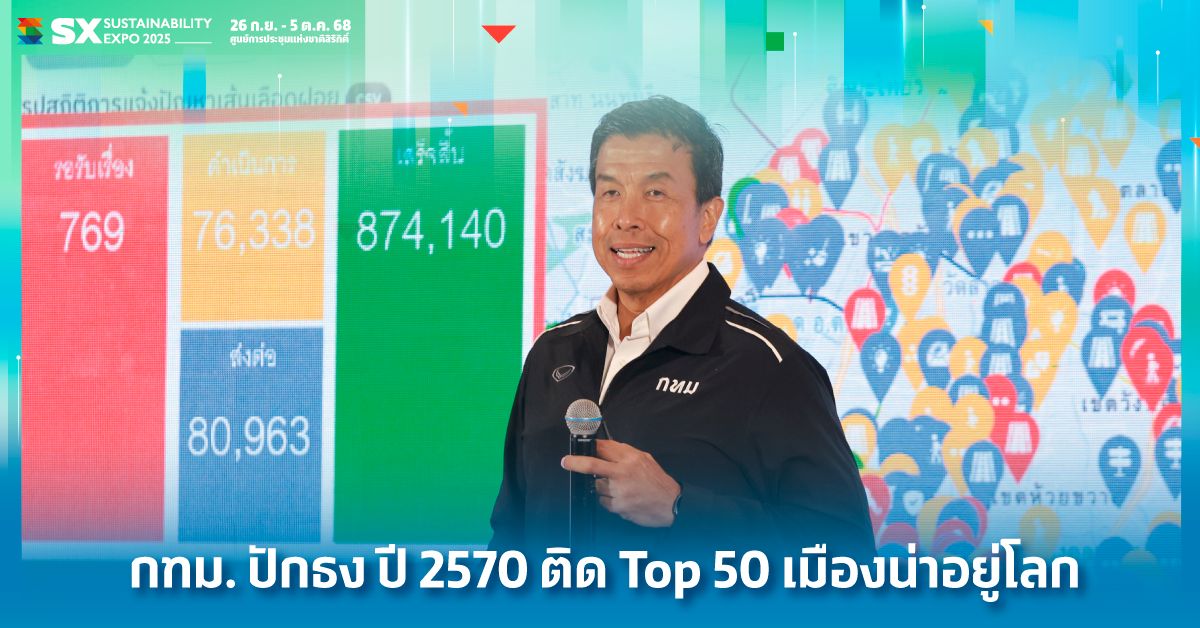


Unveiling Chadchart Sittipunt's Vision: Shaping Bangkok into a Livable Smart City
Championing the "Smart Enough City" Concept to Remake the Capital as "Livable," Not Just "Traffic-Ridden"
Would it not be better if "Bangkok," the city holding the record for the world's most visited, was known not just for its "traffic congestion," but as a truly sustainable and "livable" smart metropolis for all its residents? This is the major challenge and bold vision being earnestly driven under a new urban development concept that centers on citizens' needs, using modern technology and innovation for effective city management.
This vision was the heart of the panel discussion titled "Bangkok Smart & Livable city" , held on Saturday, September 27, 2025 (2568 B.E.), at the SX B2B STAGES AND MORE. Dr. Chadchart Sittipunt, Governor of Bangkok, joined the session to share direct information and experiences as a hands-on practitioner.
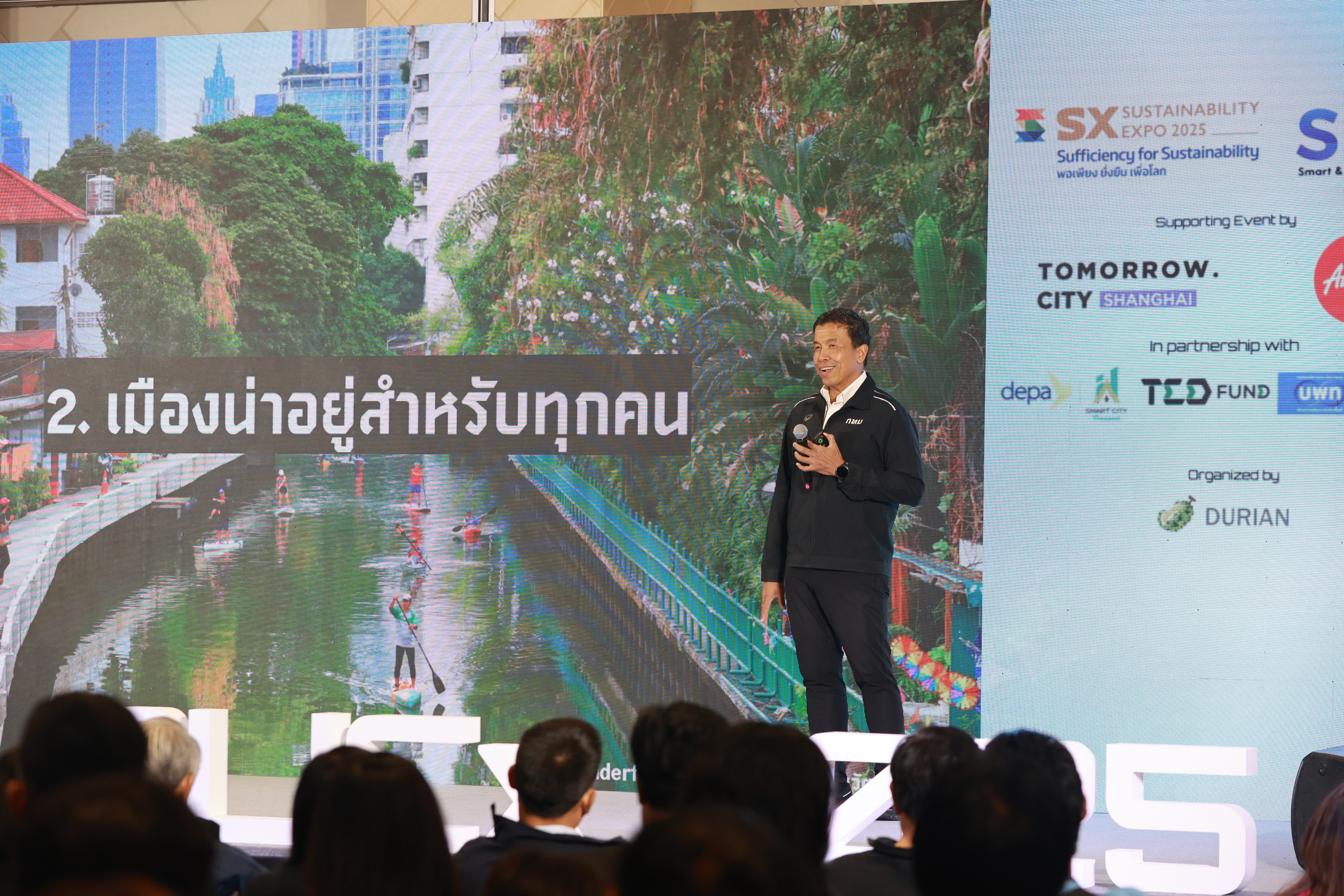
From ‘Smart City’ to ‘Smart Enough City’
Dr. Chadchart began by outlining the efforts of many countries to develop 'Smart Cities,' which comprise seven components: Smart People, Smart Economy, Smart Governance, Smart Mobility, Smart Energy, Smart Environment, and Smart Living. However, the most critical factor in development is 'readiness'—of both people and technology.
The Bangkok Governor emphasized that urban development must be 'people-centric,' not 'technology-centric.' Spending enormous budgets on advanced technology does not mean a city instantly becomes smart if its people are not ready. He provided a vivid example: "We might have a smart bus stop, but the bus we use is over 30 years old, spewing black smoke. Or we have a smart taxi stand, but the roads are full of potholes."
Therefore, the term ‘Smart City’ might need to be changed to ‘Smart Enough City’. Dr. Chadchart Sittipunt defined it as: "A city that uses appropriate technology to improve the city's efficiency and sustainability."
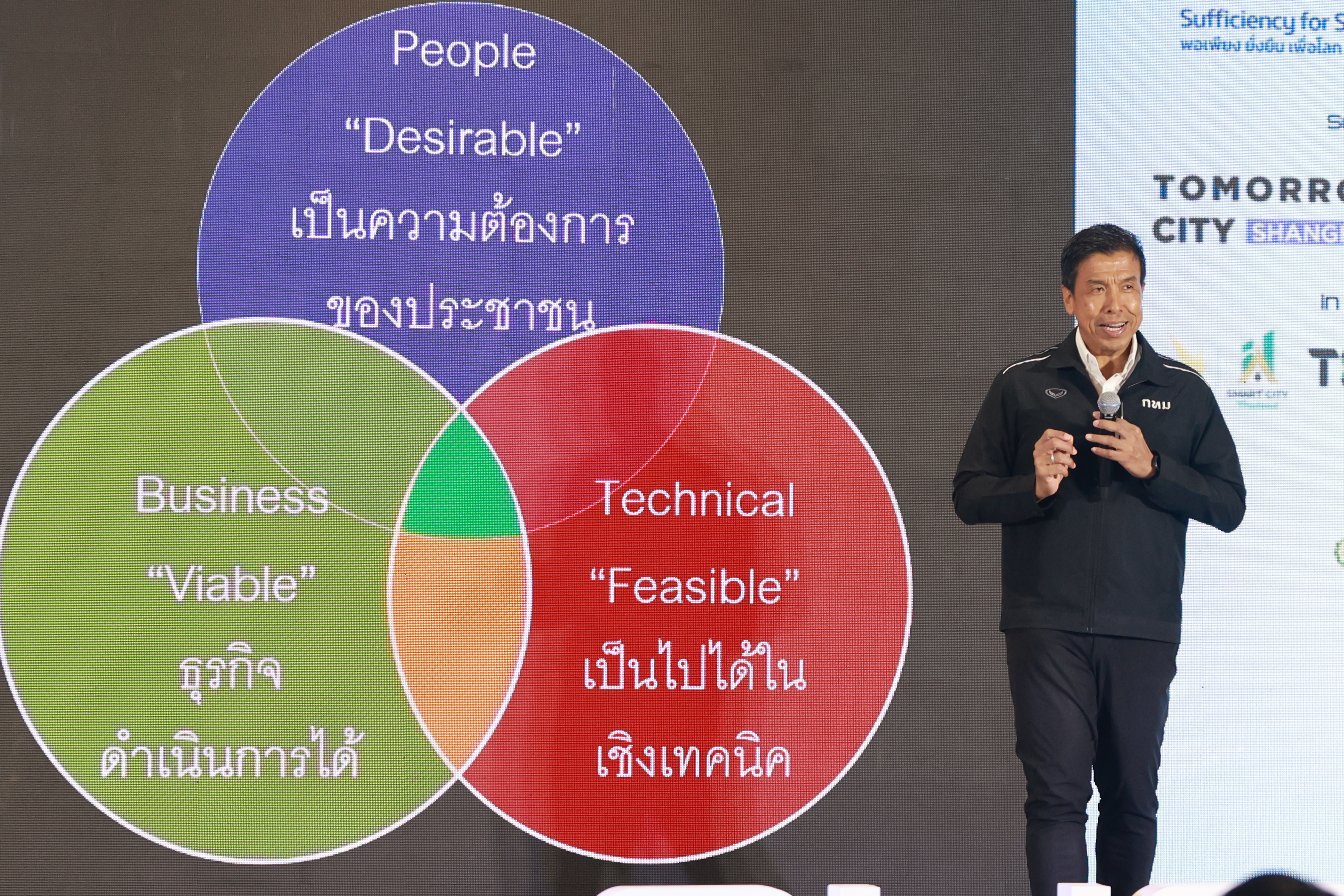
This "smart enough" concept must be based on three key foundations:
-
People Desirable (What the people need)
-
Business Viable (Feasible for business; appropriate investment)
-
Technical Feasible (What is technically possible)
Case Study: Traffy Fondue Dismantles Slow Bureaucracy
One of the key obstacles dragging down urban development is 'bureaucracy.' Dr. Chadchart cited a clear example of this backwardness: a single citizen complaint might require passing through more than 7 signatures and a waiting period of over 15 days.
This was the genesis of the Traffy Fondue application, developed with a people-centric core. It essentially turns everyone's mobile phone into a CCTV camera that helps report incidents to the BMA (Bangkok Metropolitan Administration), allowing citizens to file complaints directly, bypassing the time-consuming bureaucratic system.
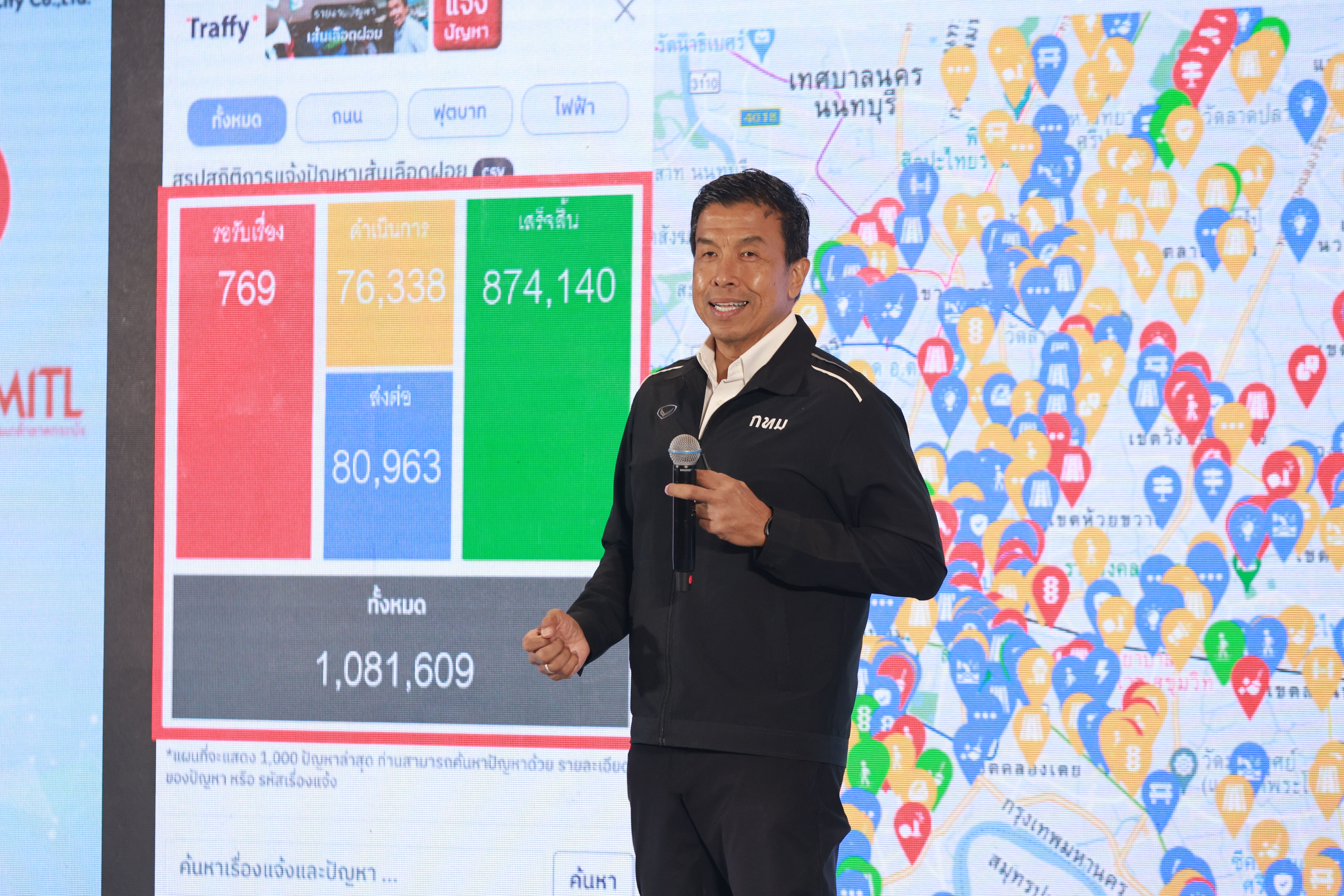
The result is clear decentralization and increased service efficiency. Data shows that over the past 3 years, there have been over 1,081,609 complaints via Traffy Fondue, with 874,140 cases resolved. Most importantly, the average problem resolution time has been slashed from 2 months to just 1.9 days.
The 2027 Goal: Bangkok in the World's Top 50 Most Livable Cities
Currently, Bangkok has the advantage of being ranked the #1 most visited city. On the flip side, Bangkok's ranking on the Global Livability Index is #98 (while Singapore is #33 and Kuala Lumpur is #78). This figure clearly reflects that Bangkok may be a city suited for short-term tourism, but it does not yet meet the needs of those living here permanently.
For this reason, the BMA has set a challenging goal: by 2027 (2570 B.E.), Bangkok must be one of the Top 50 most livable cities in the world.
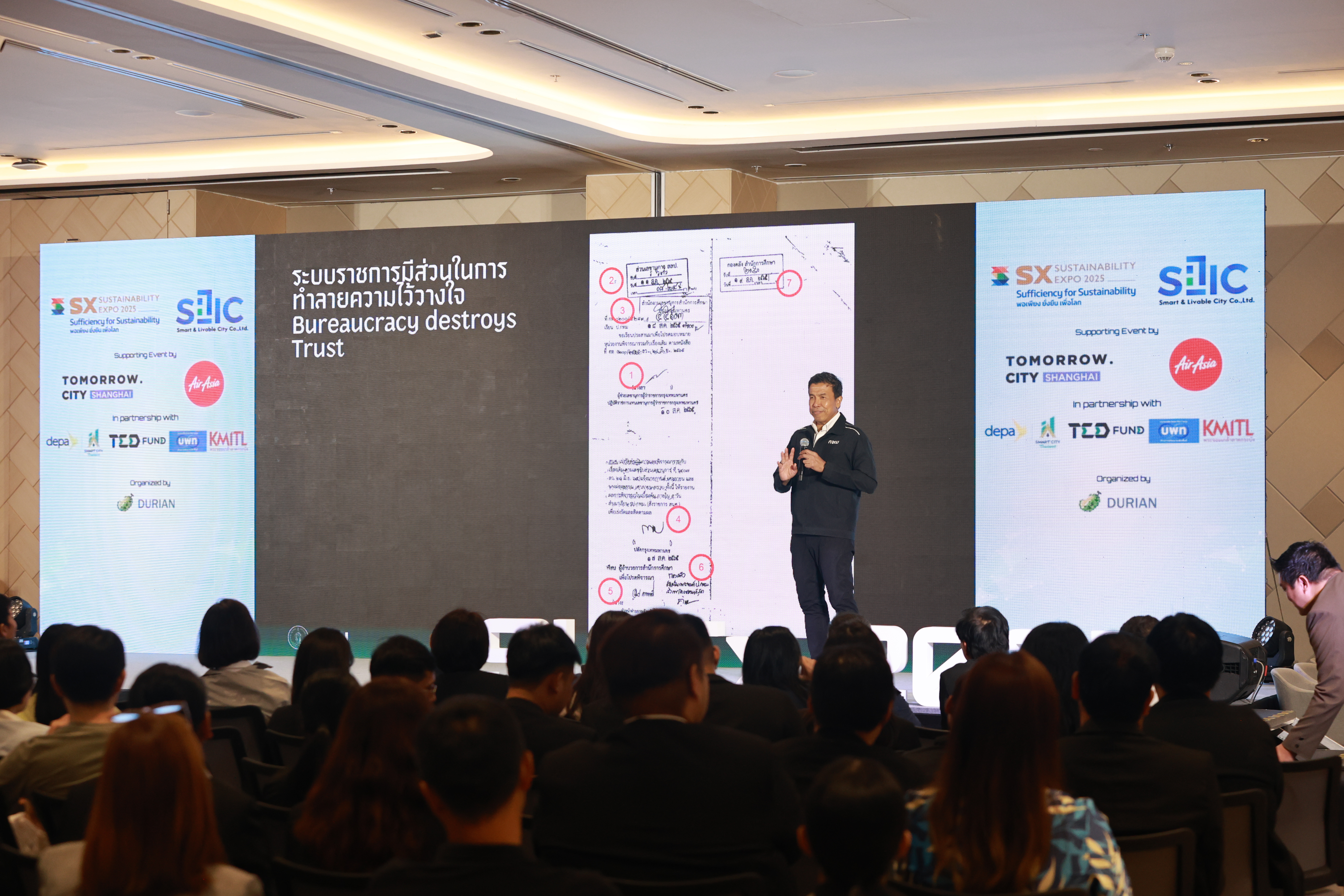
Achieving this goal requires development on multiple fronts, especially increasing transparency through Open Data, using AI to manage driving behavior, and deploying AI CCTV to ensure public safety.
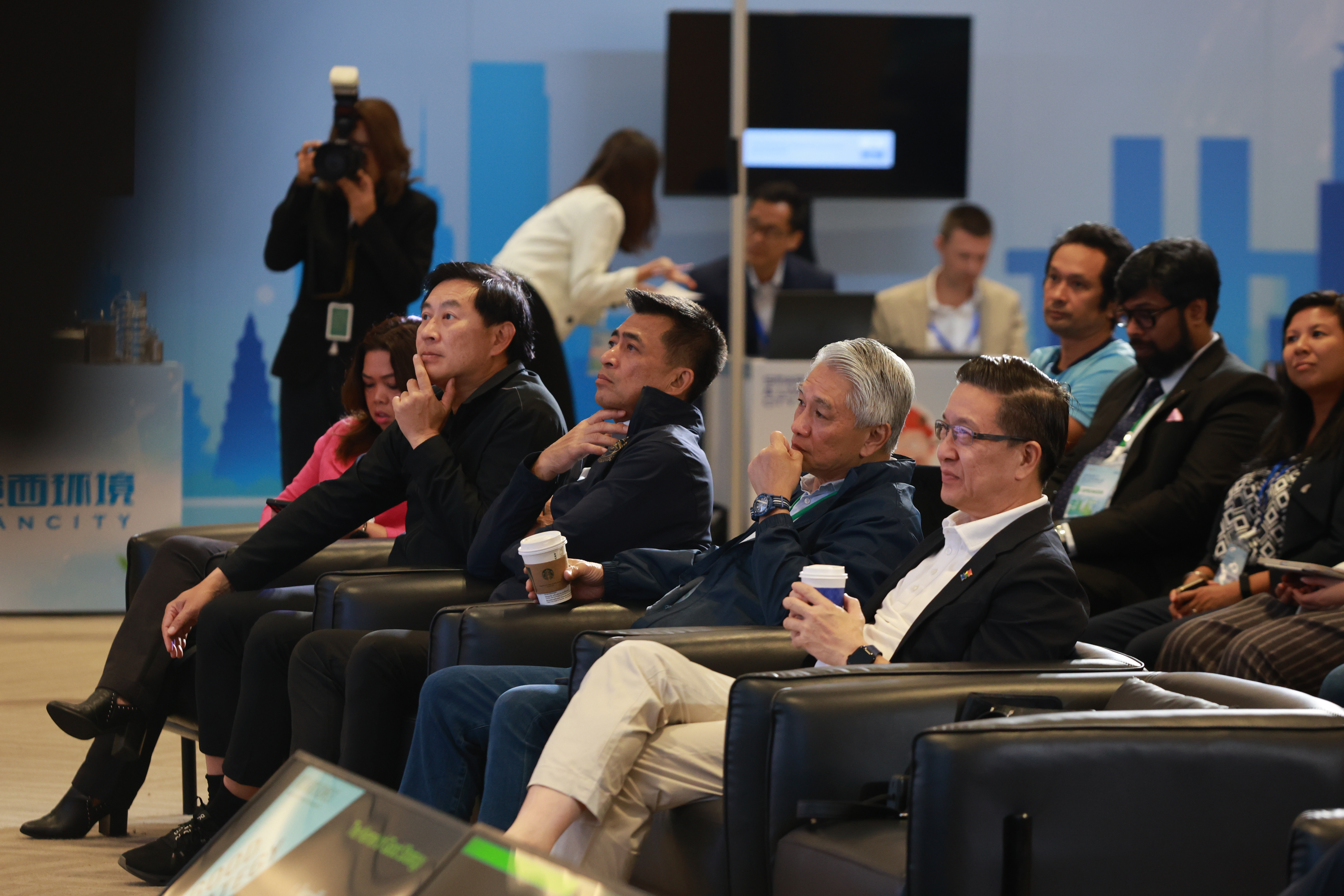
The discussion concluded that when all sectors recognize and collaborate to build Bangkok into a 'Smart Enough City,' it will not only improve the quality of life and convenience for citizens but also enhance resource management efficiency, open economic opportunities for business growth, and lead to urban development with reduced environmental impact for a sustainable future.