

SX2025 CEO Panel: Navigating Survival and Seizing Opportunity for Thai Business in an Era of Deglobalization
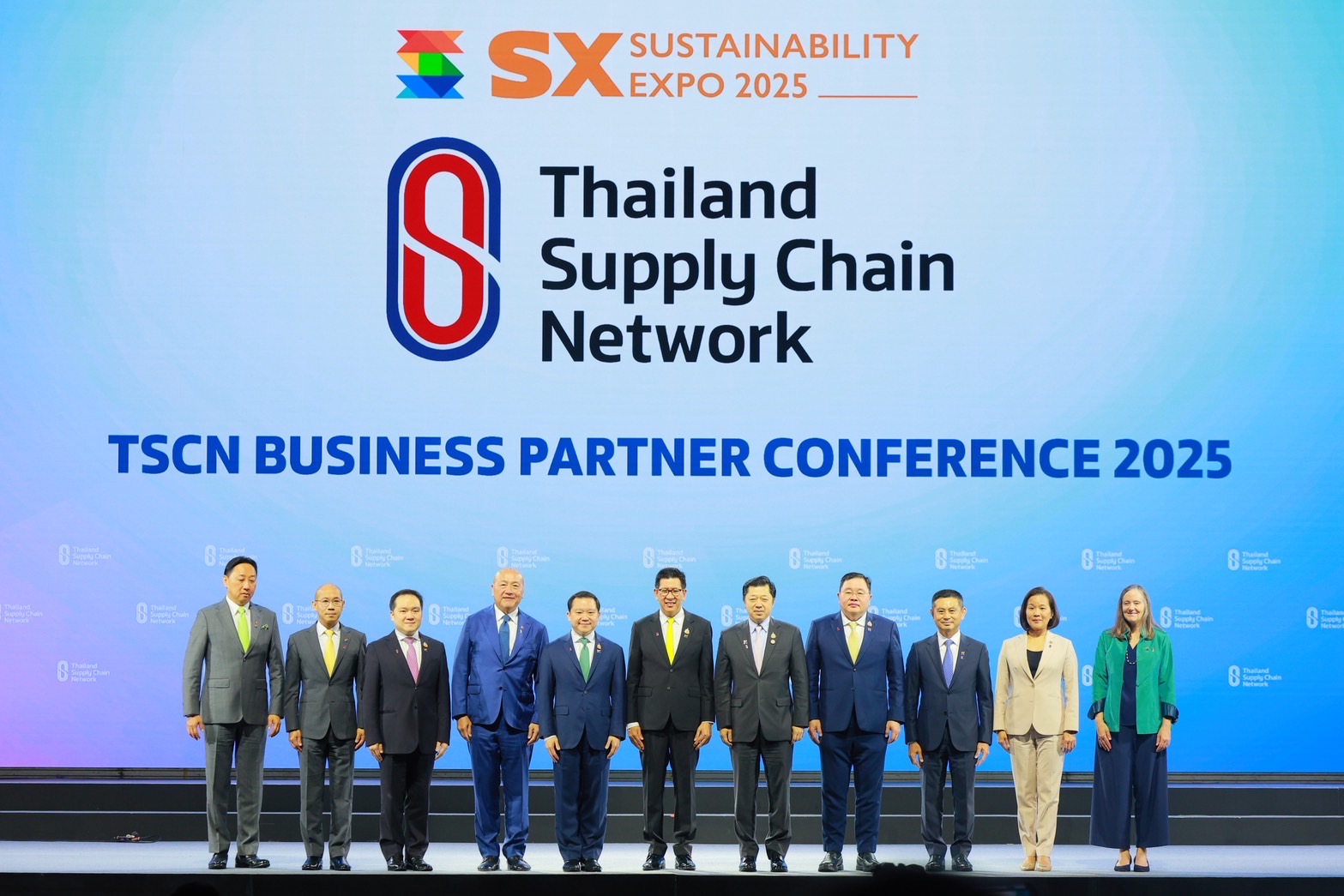
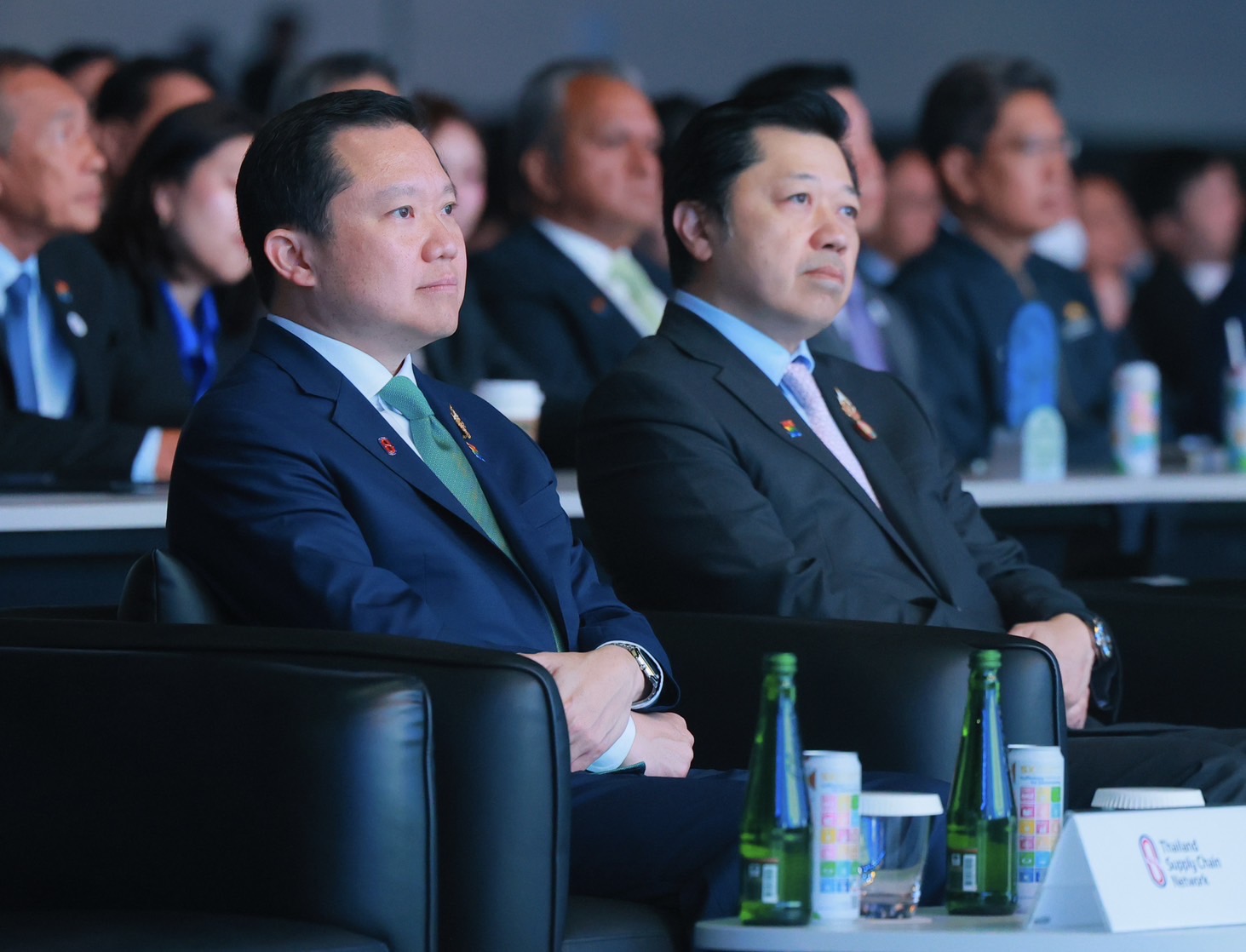
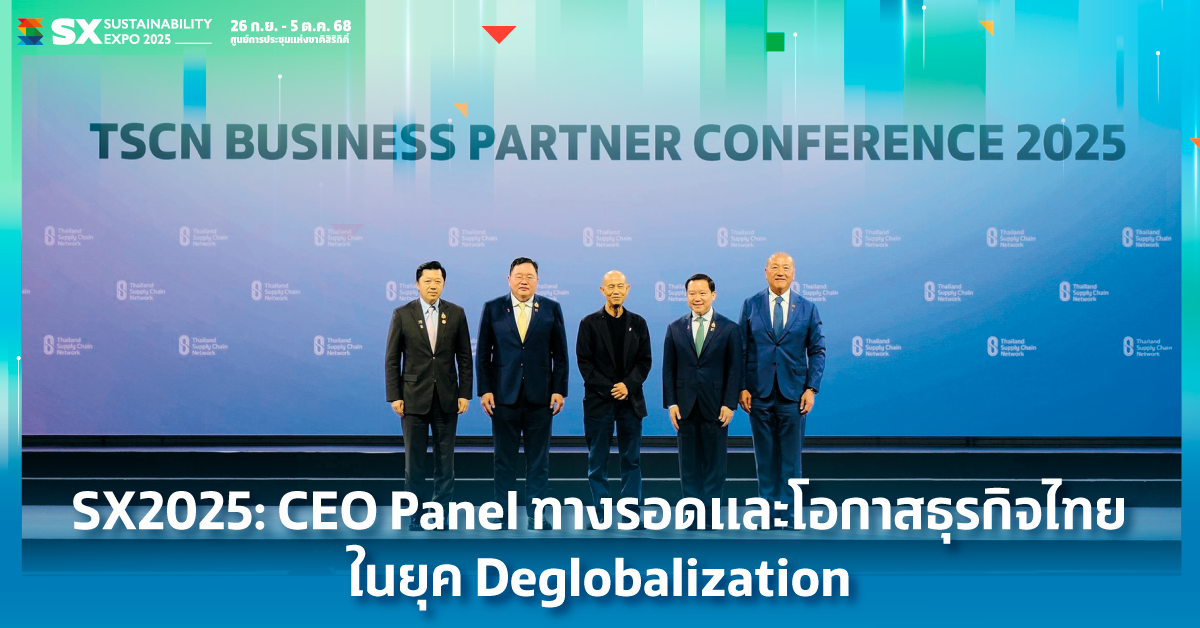
BANGKOK, October 5, 2025 – Amidst a wave of deglobalization that is reshaping global economies and supply chains, the TSCN Business Partner Conference and CEO Panel at SUSTAINABILITY EXPO 2025 (SX2025) convened. The prestigious platform brought together four of Thailand's top business leaders: Mr. Suphachai Chearavanont, Chief Executive Officer of Charoen Pokphand Group (C.P. Group); Mr. Dharmasak Sethaudom, President and CEO of SCG; Mr. Thapana Sirivadhanabhakdi, President and CEO of Thai Beverage Public Company Limited (ThaiBev); and Mr. Thiraphong Chansiri, President and CEO of Thai Union Group Public Company Limited. They gathered to share strategic perspectives on navigating business amidst profound global shifts, offering attendees invaluable insights on tackling challenges and harnessing new opportunities arising from dynamic global economics.
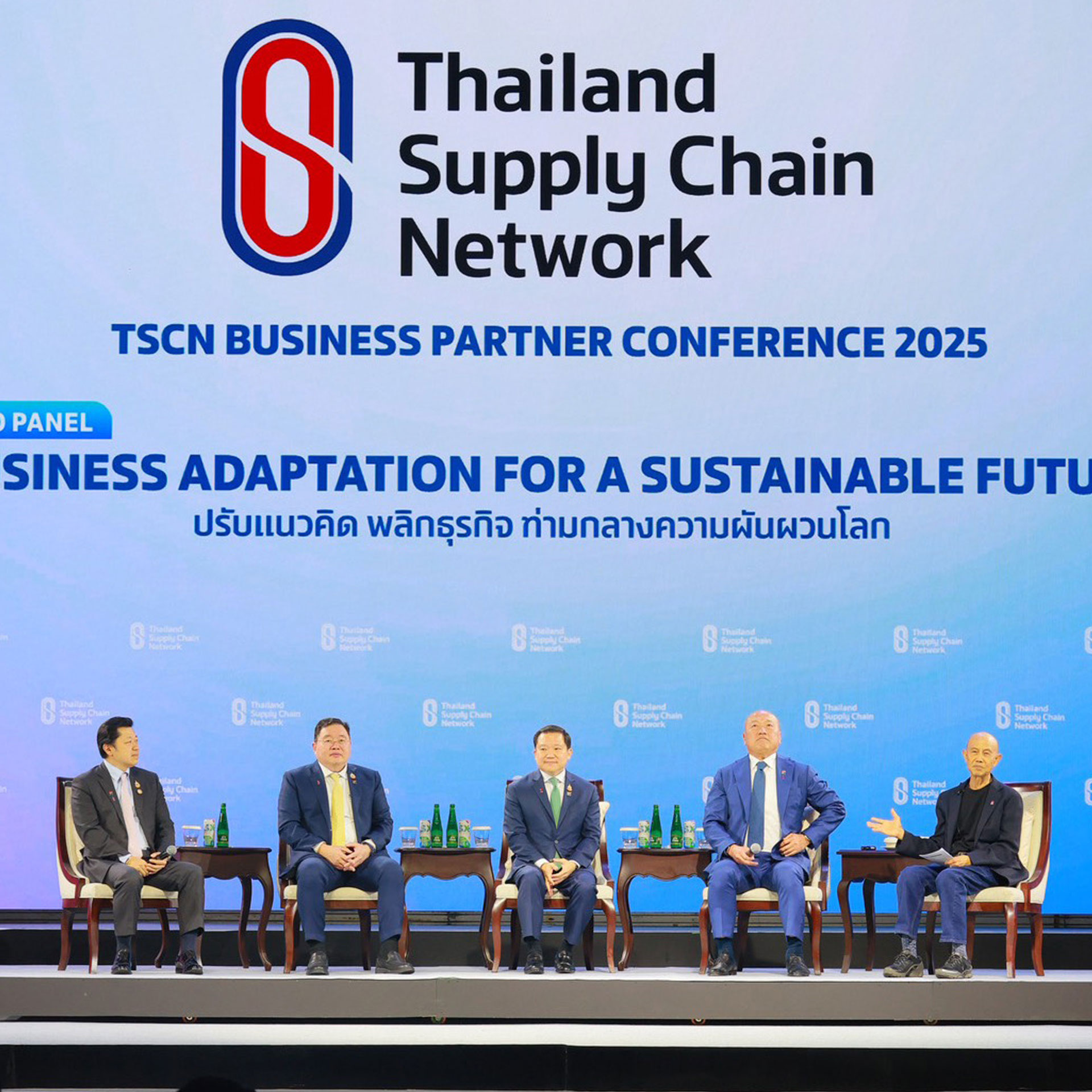
Leadership Visions: Strategies to Weather the Global Economic Storm
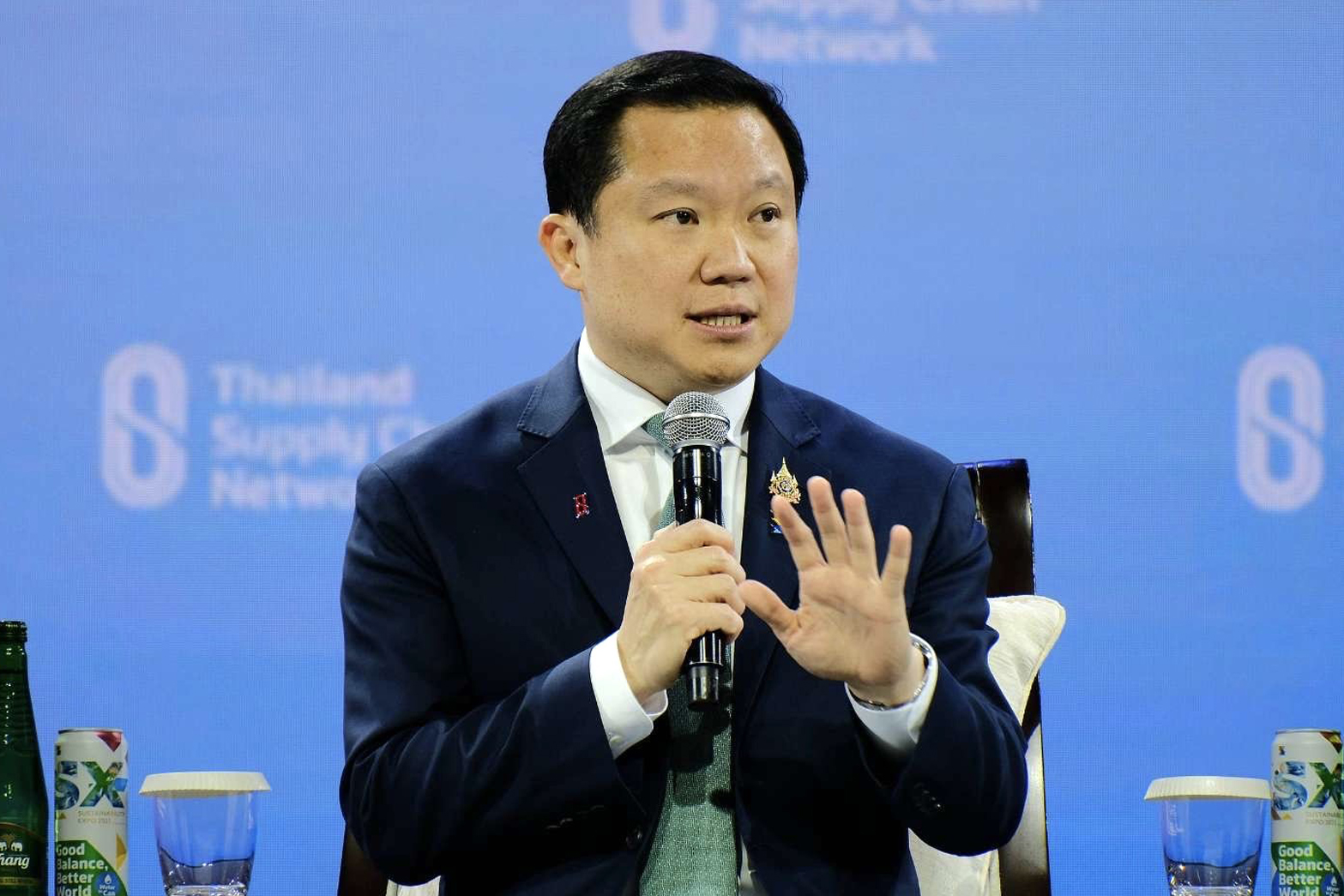
Seizing Opportunities in a Bipolar World: Transforming Thailand into a Hub for Innovation and Talent
Mr. Suphachai Chearavanont, CEO of C.P. Group, analyzed, “The world has fully entered a 'bipolar' era, creating immense opportunities from the 'China+1' trend, which sees global companies relocating production to ASEAN, particularly in the EV, electronics, and data center industries. However, Mr. Chearavanont posed a critical question challenging the nation's readiness: 'Does Thailand have sufficient electricity and water?' He noted that a single large-scale data center can consume 1,000-3,000 megawatts of power, while Thailand has added minimal capacity over the past 15 years. He proposed a three-pronged national strategy: 1) Accelerate the development of green infrastructure and establish Thailand as a Green Finance Hub to attract investment. 2) Transform private enterprises into 'innovation laboratories' that connect with startups and universities to leverage the 'AI-native' new generation. 3) Open the country to attract global talent, citing Singapore's two million high-skilled foreign workers as an example of a policy that could rapidly advance Thailand’s new economy. He also advised executives to turn 'leisure trips into learning trips' to gain a global perspective, a key factor for international investors.”
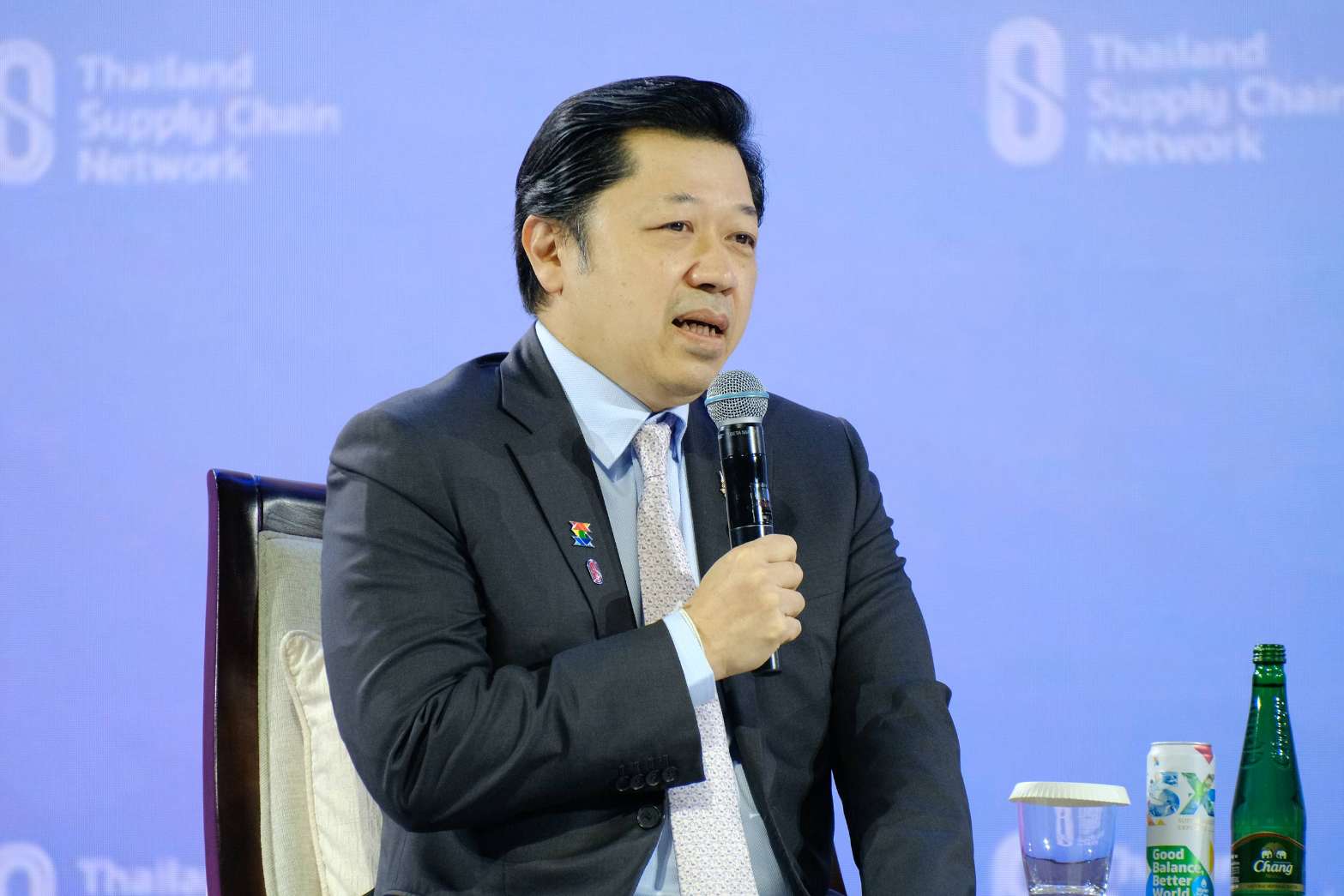
Building Supply Chain Resilience and Turning BOI Approvals into Real Investment
Mr. Dharmasak Sethaudom, President and CEO of SCG, delved into the supply chain risks, describing the current climate as a "Perfect Storm." He pointed out that "policies like the U.S. Transshipment Policy, which could arbitrarily raise local content requirements from 40% to 60% at any time, represent the most alarming uncertainty. Operators must therefore shift from short-term 'transactional' business to long-term 'collaboration' and elevate their operations to a 'Green Supply Chain' model. ESG has become a 'license to play'—no longer an option but a mandatory condition for global trade. For SCG, adapting means utilizing its 'Go Together Platform' to share both successes and failures with over 4,000 partners. A crucial proposal to the government is to accelerate the conversion of over 1.4 trillion baht in BOI-approved projects into actual investment. If even one trillion baht of this materializes, it could create a new economic engine to power the country for the next 10-20 years. Despite the challenges, he remains encouraged that Thailand and ASEAN continue to be a Bright Spot in the global economy.”
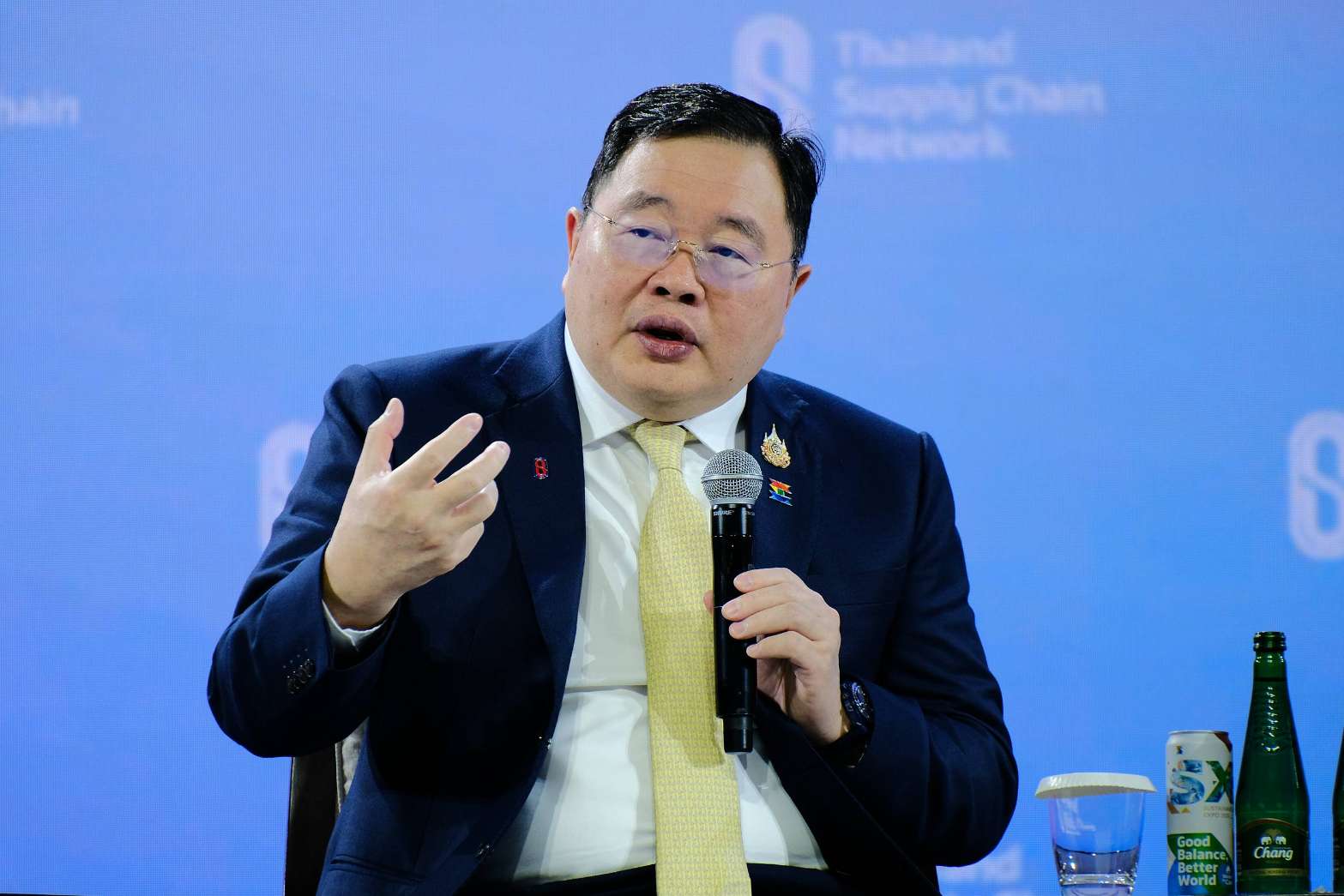
From Competition to Collaboration and the Power of the New Generation
Mr. Thapana Sirivadhanabhakdi, President and CEO of Thai Beverage Public Company Limited, stated, “The world is facing tremors from a transition towards an era of localization, where major powers are increasingly focused on protecting their own interests, a shift that inevitably impacts every nation. As the saying goes, 'Politics is local, but business is global.' As leaders, our greatest challenge is 'Making Good Decisions, Quickly' amidst a complex landscape. What was once a strength can become a limitation today; if we don't dare to change, we risk being left behind. Therefore, Thai businesses must shift their paradigm from internal competition to forming strong consortiums to enhance their bargaining power on the global stage. He offered a thought-provoking example: 'Thai universities sign more MOUs with foreign institutions than they do with each other,' reflecting a deficit in domestic collaboration. He also emphasized the need to embrace the new generation, who are the true driving force behind ESG, and views Thailand's hosting of the IMF-WBG Annual Meetings in 2026 as a pivotal opportunity to learn from global leaders and elevate the nation's economy and quality of life across all dimensions.”
When the World is Without Rules, Organizations Must Be 'Simpler, Leaner, and Faster'
Mr. Thiraphong Chansiri, President and CEO of Thai Union Group, vividly captured the business world's volatility, admitting that "the past five years have been marked by a cascade of crises, rendering my '37 years of experience almost useless.'" With 90% of his company's revenue coming from foreign markets (40% from the U.S. and 30% from Europe), the recent U.S. tariff policies were a "'wake-up call' that shattered all previous global trade conventions. This forced Thai Union to undertake a major restructuring under the strategy of becoming 'Simpler, Leaner, and Faster' to build the resilience needed to handle an unpredictable environment. He likened the situation to a film where 'the hero may not die at the end, but he will be battered and bruised.' In a world where trade has become political, he stressed that the role of government in state-to-state negotiations is paramount, as demonstrated by the successful reduction of U.S. import tariffs. He urged Thai entrepreneurs that now is the time to aggressively seek new markets and push for the finalization of crucial FTAs, especially with the European Union, to diversify risk and create new long-term opportunities.”
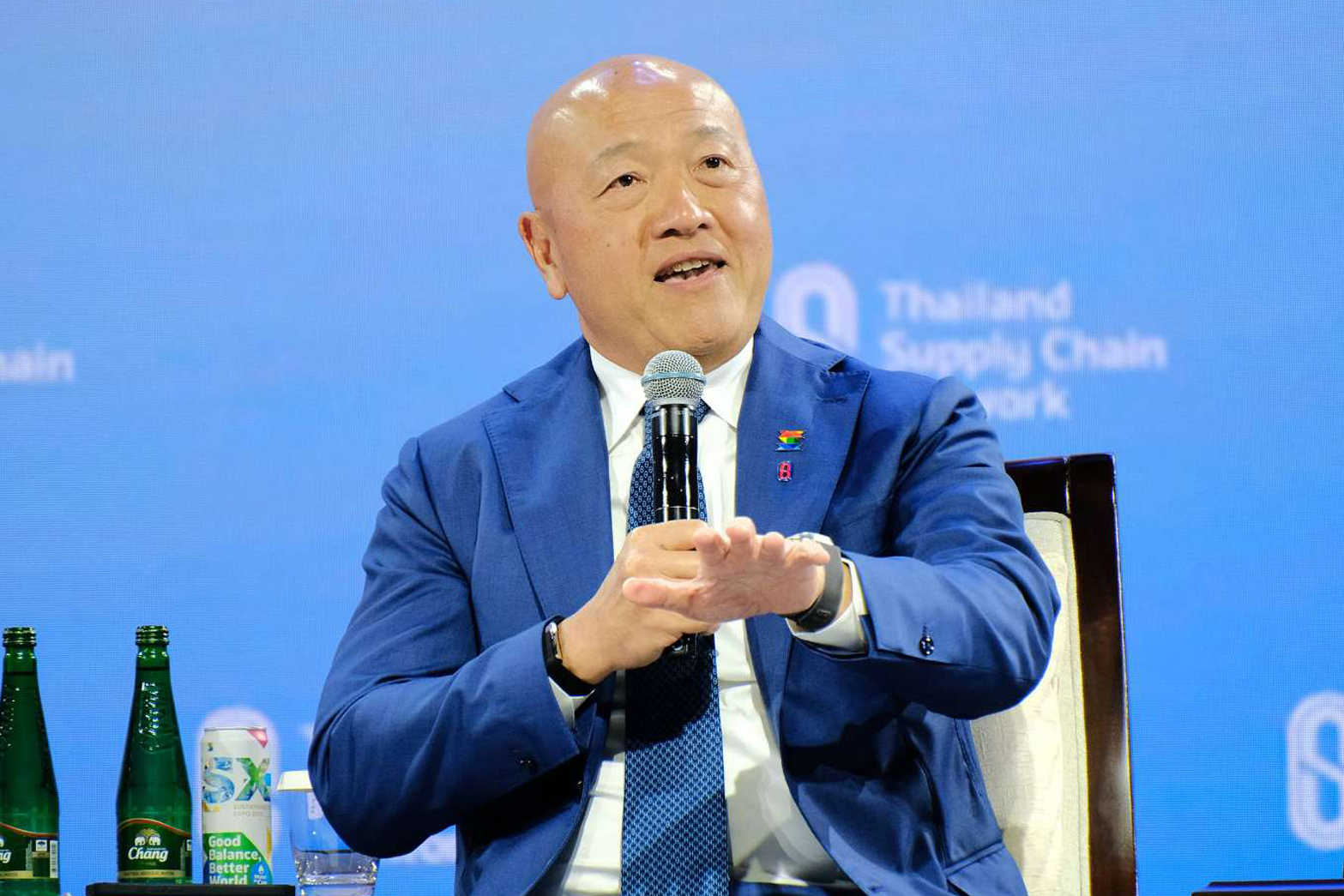
The conclusion from this landmark panel was unequivocally clear: the key to navigating Thailand through the global economic storm lies in adaptability and collaboration. Thailand's economic future, therefore, depends not only on external factors but on the internal courage to change, the perseverance to learn, and the commitment to work together. Within this crisis lies an opportunity—a true test of the nation's readiness to step confidently and sustainably into its next chapter.