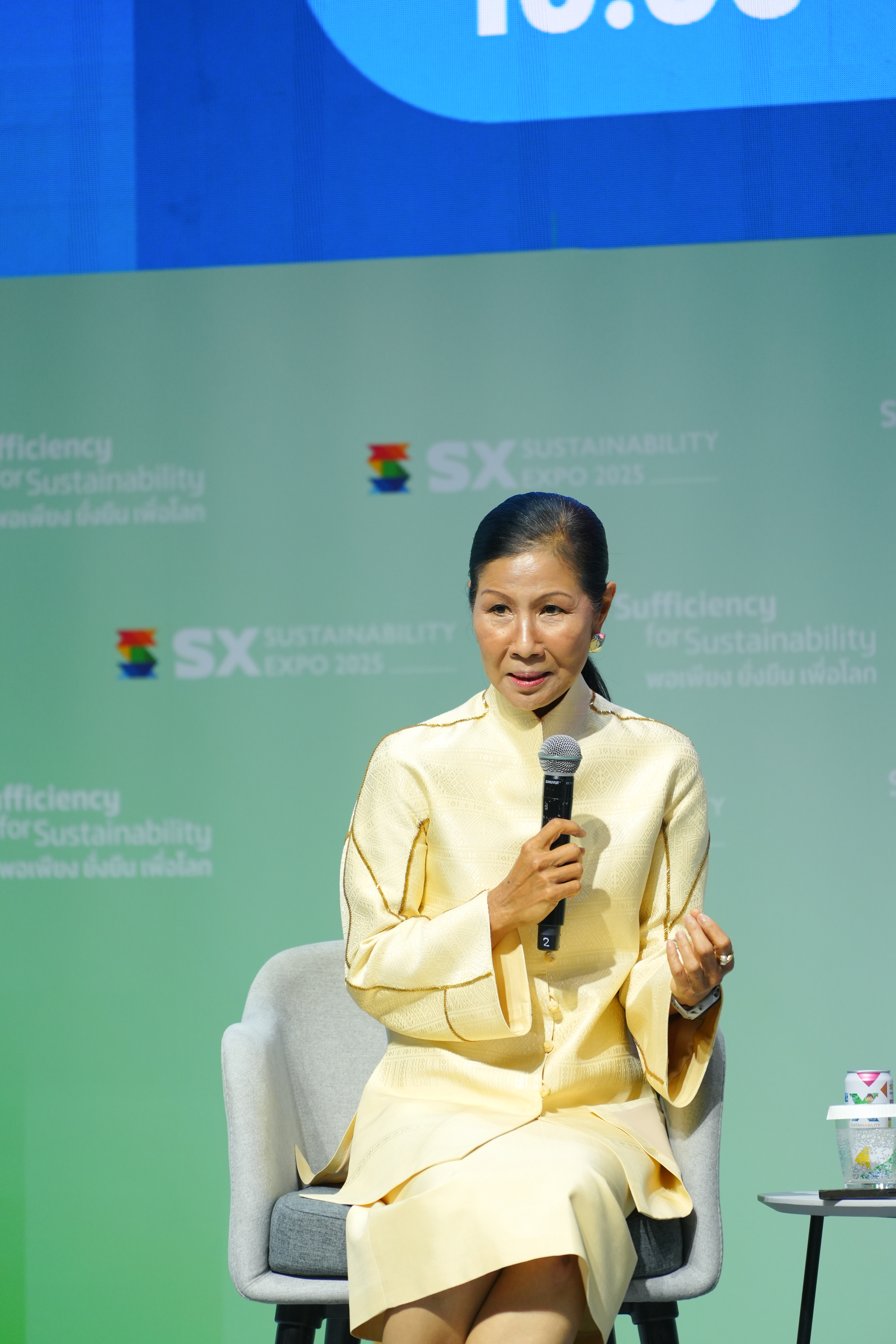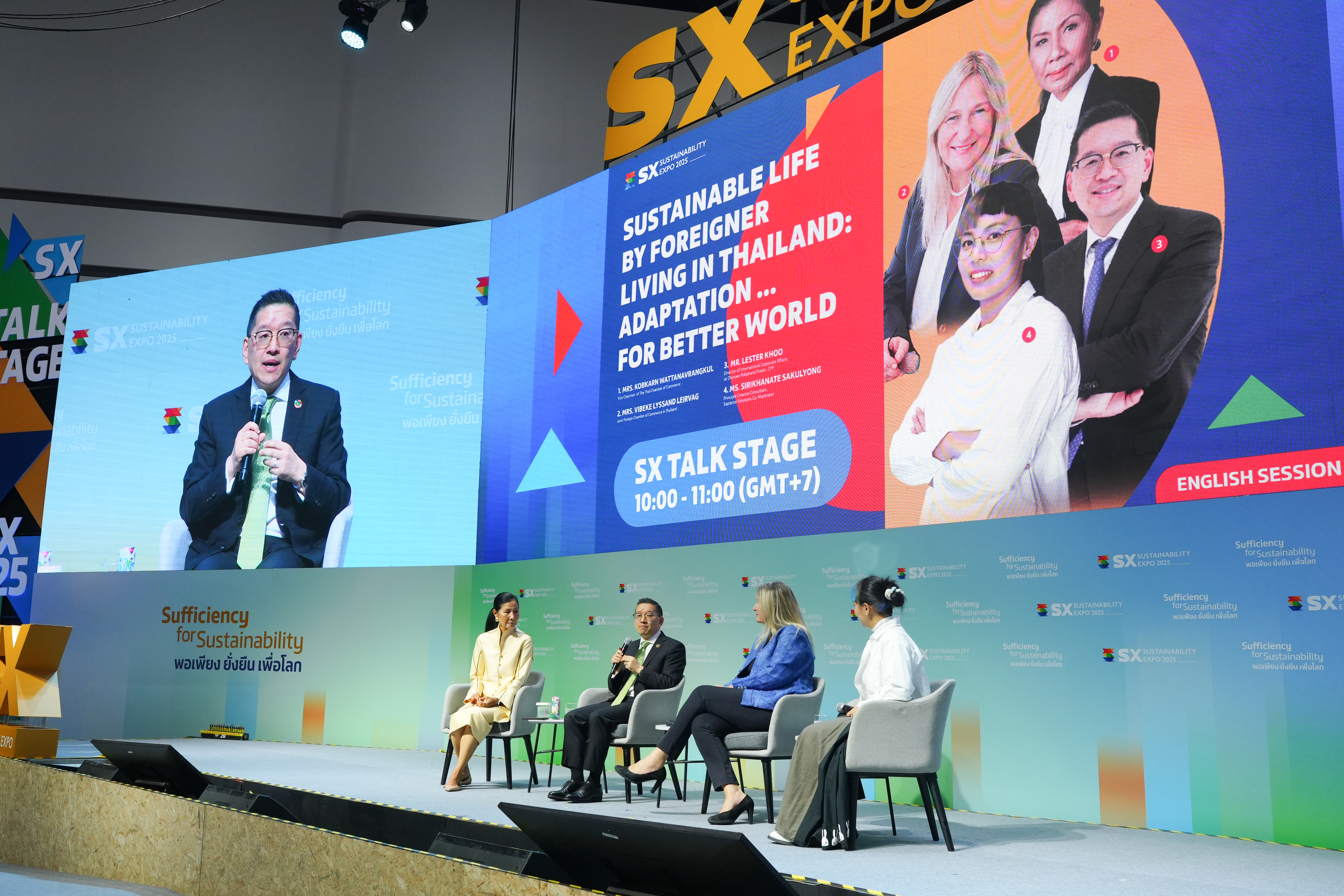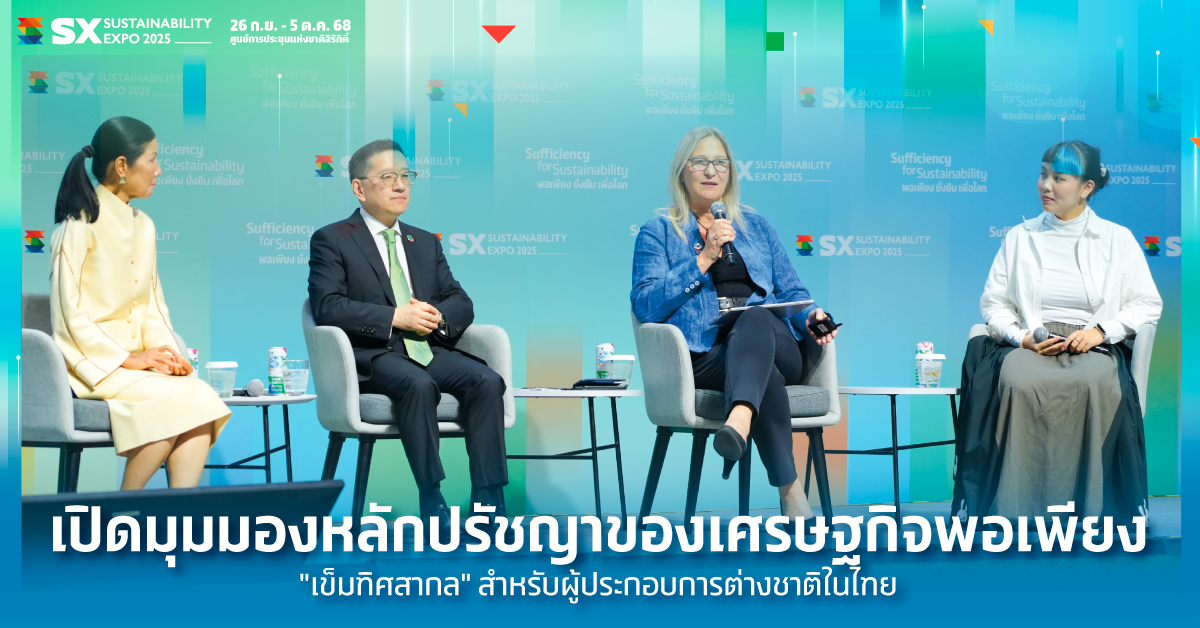
A seminar at the Sustainability Expo (SX2025) has impressively highlighted how foreign nationals who have made Thailand their home are applying the Sufficiency Economy Philosophy (SEP) in both their daily lives and business operations.
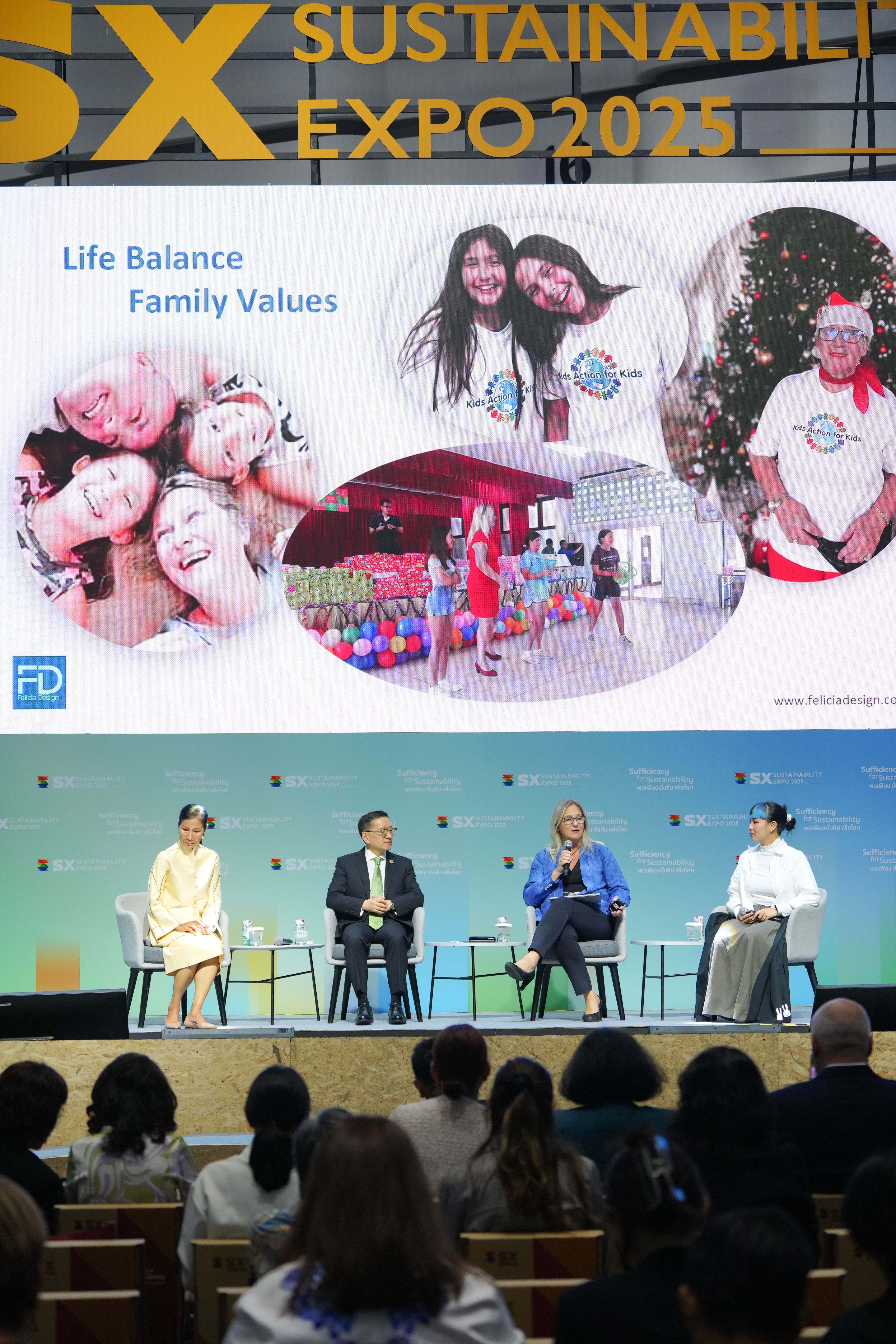
At the panel discussion titled "SUSTAINABLE LIFE BY FOREIGNERS LIVING IN THAILAND: ADAPTATION... FOR A BETTER WORLD," participants unanimously affirmed that SEP is not a philosophy confined to agriculture or an outdated concept. Instead, they described it as a timeless principle that can be adapted to any business size, nationality, or situation.
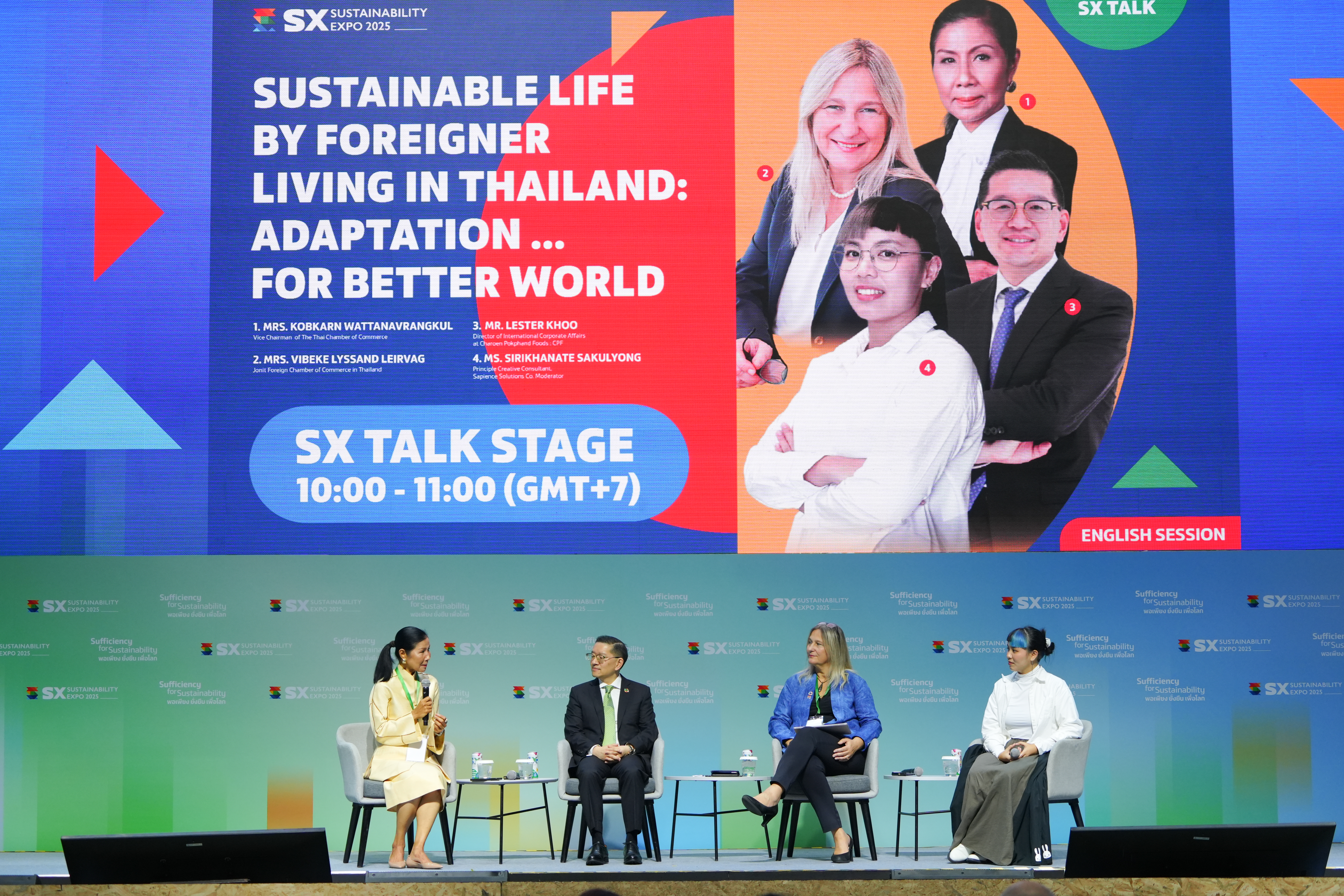
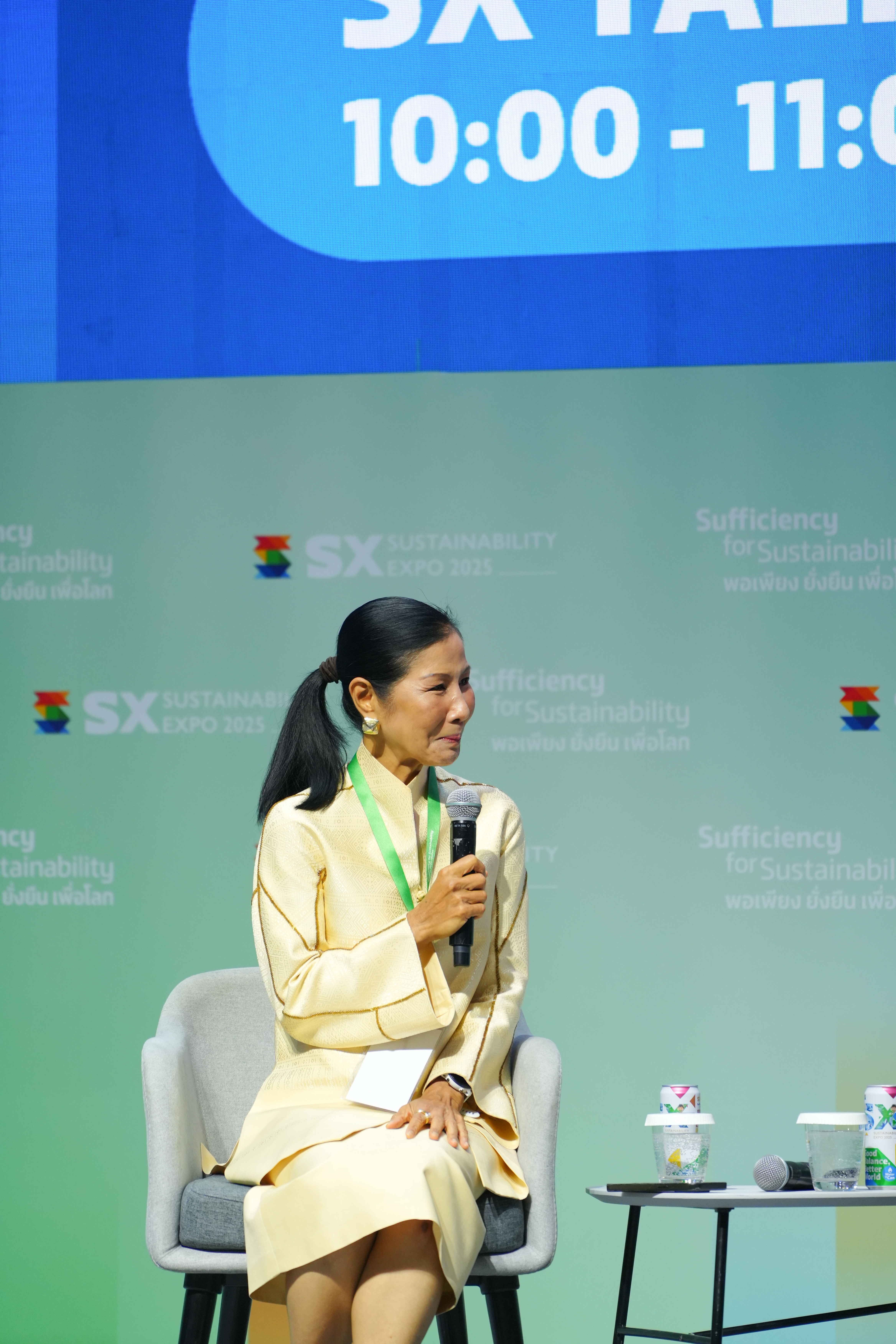
Kobkarn Wattanavrangkul, Chair of the Thai Chamber of Commerce's Committee on Sufficiency Economy, stated in her opening remarks that the philosophy, bestowed by His Majesty King Bhumibol Adulyadej The Great (King Rama IX), is a "blessing" for everyone living in Thailand. She described SEP as a "checklist" or a "conscience" for conducting business, beginning with the principles of moderation and self-awareness. For any business aspiring to achieve sustainable growth and longevity, applying this philosophy is paramount.
From Norway to Thailand: An SME Owner's Journey with Moderation
Vibeke Lyssand Leirvåg, Chairwoman of the Joint Foreign Chambers of Commerce in Thailand (JFCCT), representing 32 chambers, shared her experience. A Norwegian entrepreneur who has resided in Thailand for 35 years, she built her silver and gold jewelry business, Felicia Design, from just two tables and a single employee 30 years ago.
Leirvåg emphasized that integrity and transparent business practices are the company's most cherished values. Despite facing early struggles so severe she had to choose between walking home or buying food, these challenges cultivated entrepreneurial resilience. When the company experienced exponential growth—scaling from 15,000 pieces per month to 15,000 per day—the key was investing in her team, whom she considers the company's greatest asset and strength.
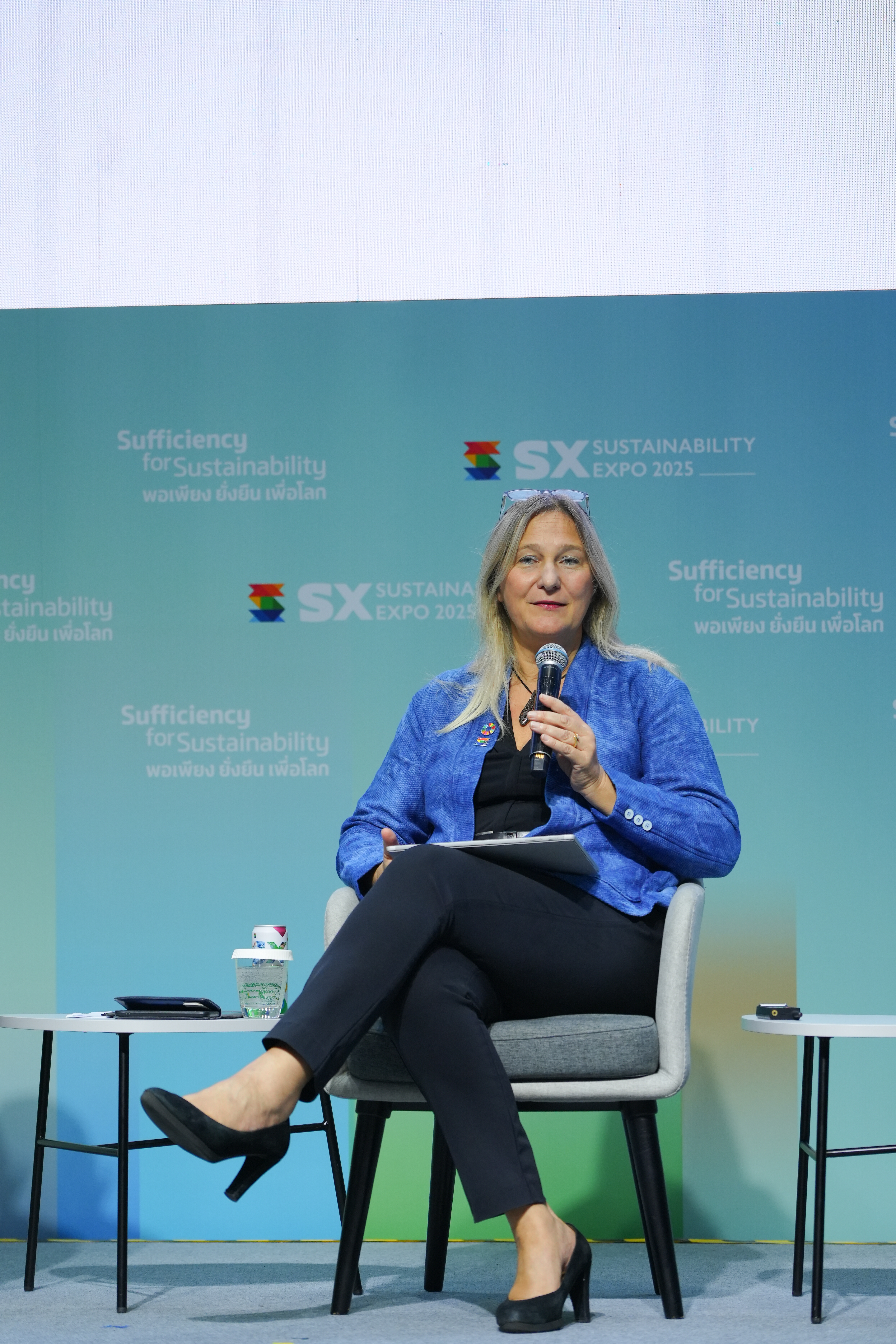
She stressed that business growth must align with ESG and SDGs goals, and SEP serves as a "roadmap" that simplifies this alignment. Leirvåg recounted a period of personal crisis when her husband was critically ill with COVID-19 and her mother was diagnosed with cancer, which forced her to re-evaluate "what is valuable in life." The fact that her incredible staff and network stepped in to manage the business in her absence demonstrated the profound importance of surrounding relationships. For an SME entrepreneur, she noted, it is vital to “celebrate every little win” and to understand oneself in order to find others who can complement one's weaknesses.
Furthermore, she observed a parallel between the philosophy of King Rama IX and that of King Olav V of Norway, both of whom were monarchs of the people. She cited the notable event when King Olav chose to take the tram instead of his car during the oil crisis, a powerful symbol of frugality and moderation.
CPF and the "Three Benefits Principle": Towards a Sustainable Kitchen of the World
Lester Khoo, Director of International Corporate Affairs at Charoen Pokphand Foods Public Company Limited (CPF), a New Zealander who has settled permanently in Thailand, explained how SEP is integrated into the company's operations. As the "sustainable kitchen of the world," CPF operates in 17 countries and produces food for approximately four billion people globally, placing a high priority on food security and responsible production and consumption (in line with SDG 12).

The application of SEP at CPF aligns with the "Three Benefits Principle," established by Senior Chairman Dhanin Chearavanont:
-
Benefit to the Country: The company must be loyal and serve the nation in which it operates (in this case, Thailand).
-
Benefit to the People: The company's actions must benefit the population.
-
Benefit to the Company: The company's benefit comes last.
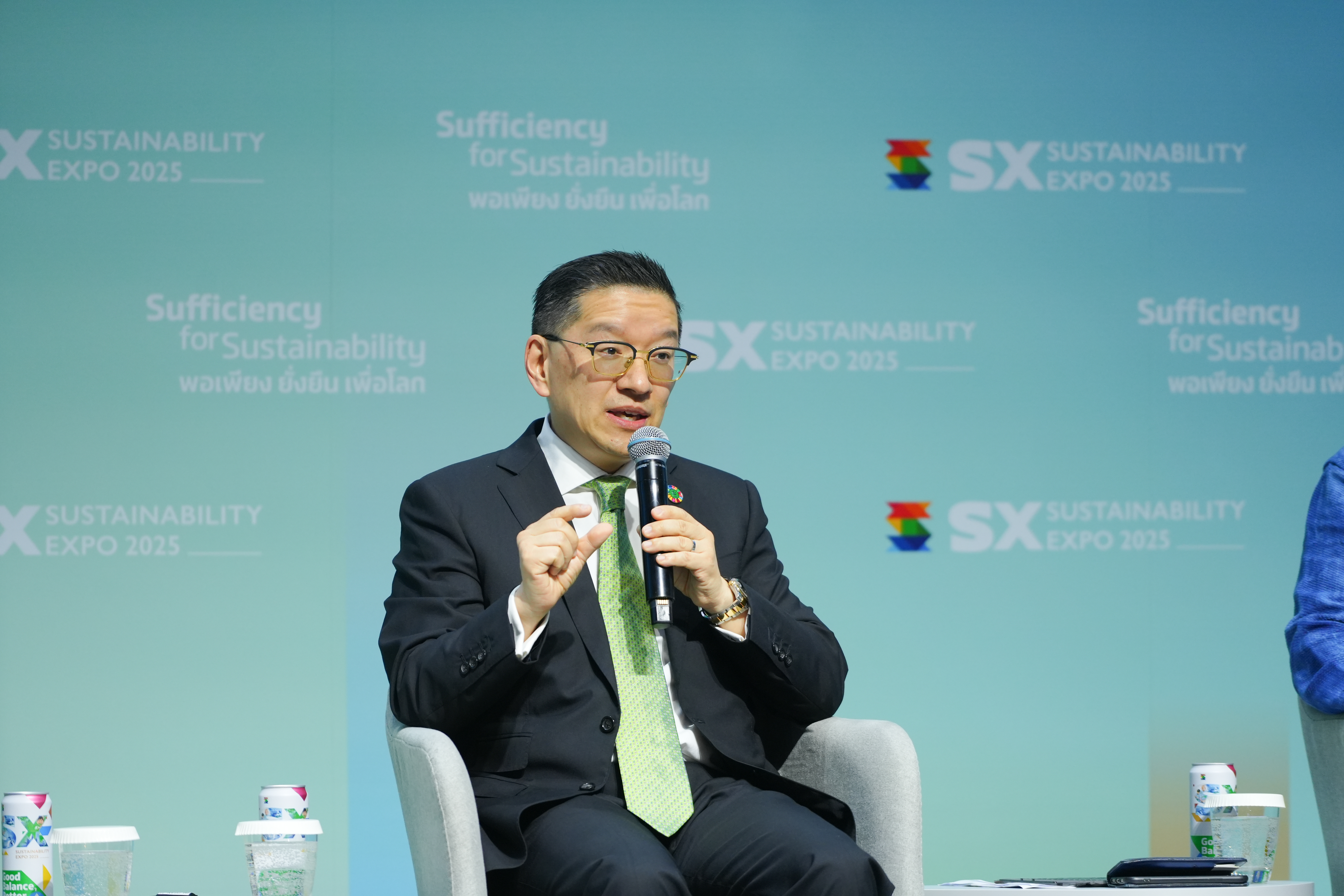
Khoo emphasized that if an initiative is highly profitable but fails to benefit the country or its people, the company will not pursue it. In a business context, sustainability and sufficiency also involve seeking cost savings and enhancing efficiency through technology and innovation, such as AI. He also drew a cultural parallel, noting that New Zealand's indigenous Māori culture has a similar concept called "Utu," which signifies "equilibrium or balance" and has been adapted into the country's modern judicial system as "Restorative Justice."
The Essence of SEP: Balance, Sharing, and People
The panelists concurred that the Sufficiency Economy Philosophy is not something they feel they "have to do," but rather something they deeply "believe in." It is a practical guide applicable even in an era defined by technological change and disruption.
Kobkarn Wattanavrangkul concluded that the core essence of this philosophy revolves around people, balance, and sharing. It serves as a powerful framework for addressing societal challenges such as the disparity between the very wealthy and the very poor.
Both speakers proved that SEP is an agile philosophy, adaptable to diverse business and personal contexts, whether for a small SME or a global corporation.