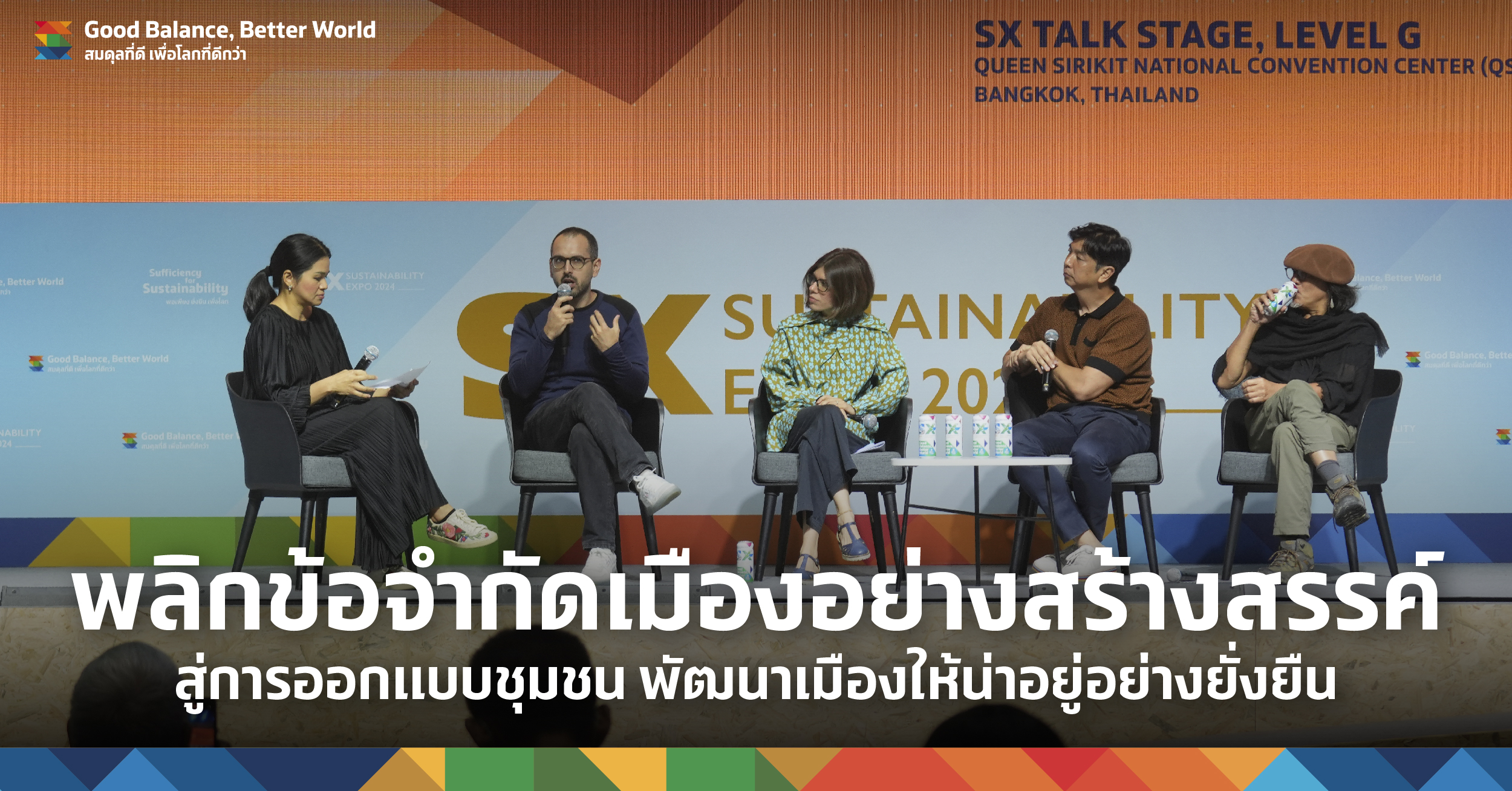
Explore the design concepts that respond to urban limitations and living conditions in Southeast Asia through the forum room x Living ASEAN Design Talk 2024 – (Re)Thinking Inside the Box: Vol. 2 Better Design, Better Community from an ASEAN Perspective.
This event gathered insights from three groups of designers who presented creative approaches to urban design and development by exploring the challenges faced by major cities in Southeast Asia. Their work inspires designs that foster interaction among people and urban communities while filling gaps in city development, contributing to more complete and livable urban environments.
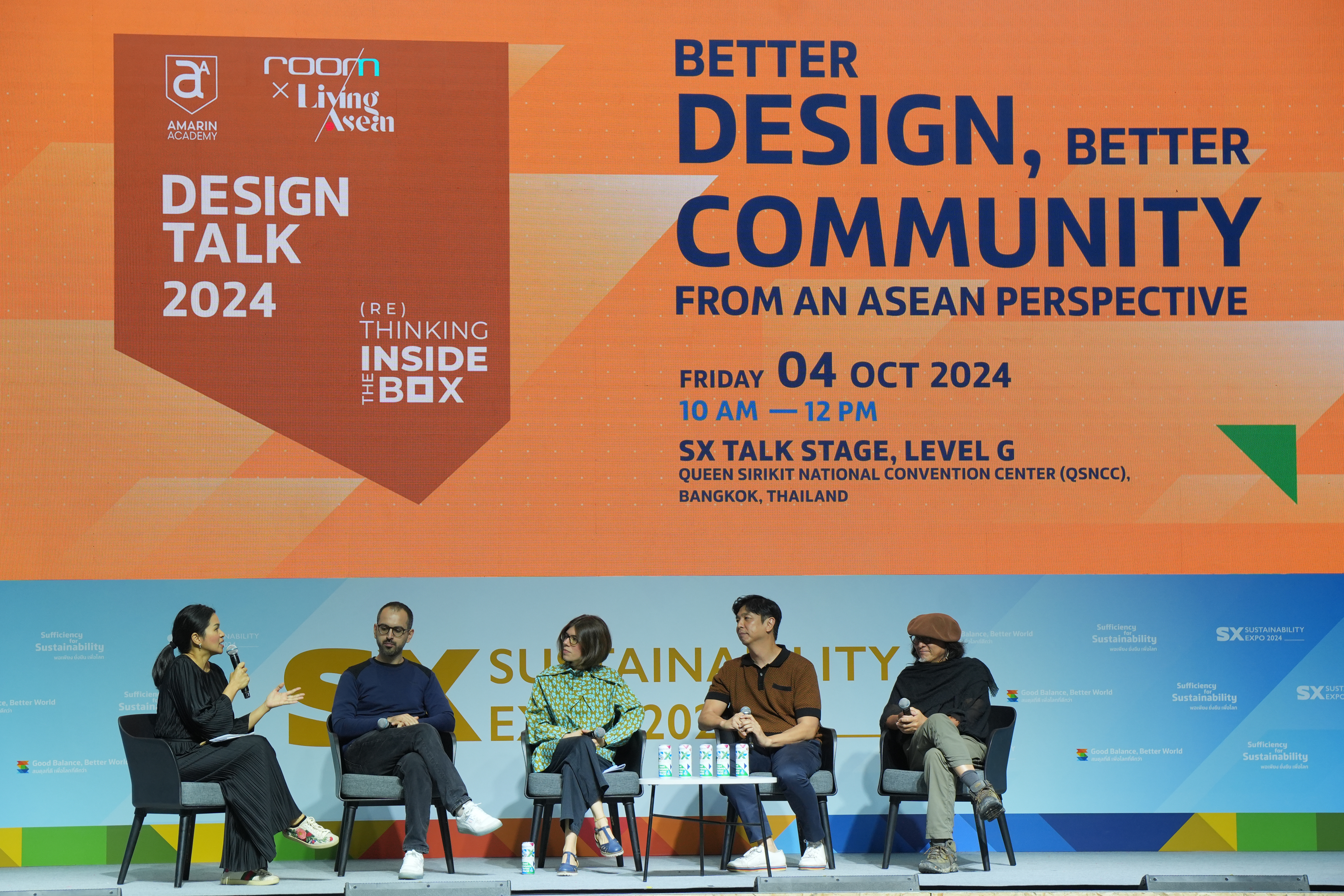
Event Overview
The forum titled (Re)Thinking Inside the Box: Vol. 2 Better Design, Better Community from an ASEAN Perspective was organized by room and Living ASEAN in collaboration with Amarin Academy as part of Sustainability Expo 2024 (SX 2024), held on October 4, 2024.
Designers from three major Southeast Asian cities participated:
-
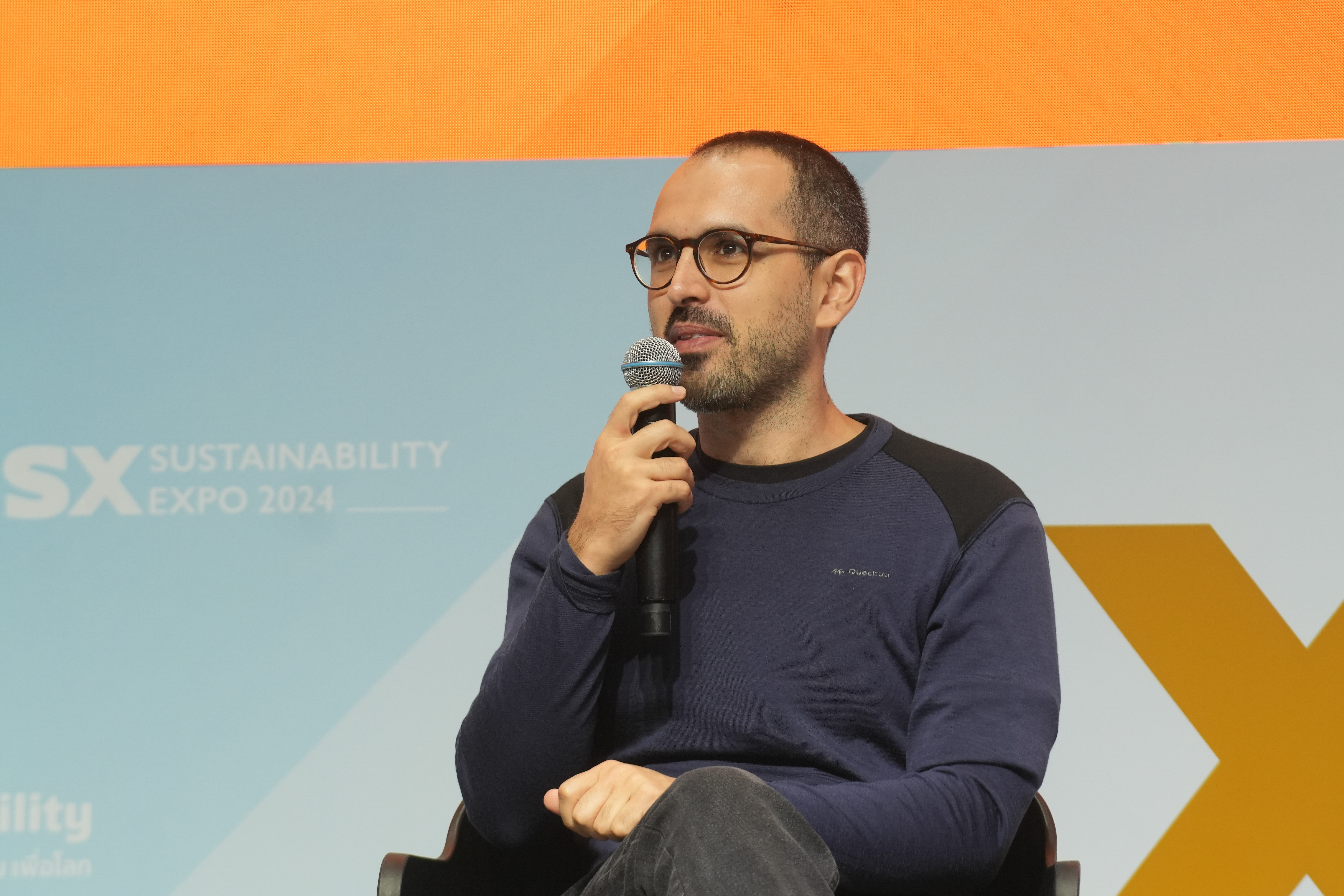
Yuri Frassi & Afra Rebuscini from Officine Gặp, Ho Chi Minh City, Vietnam
-
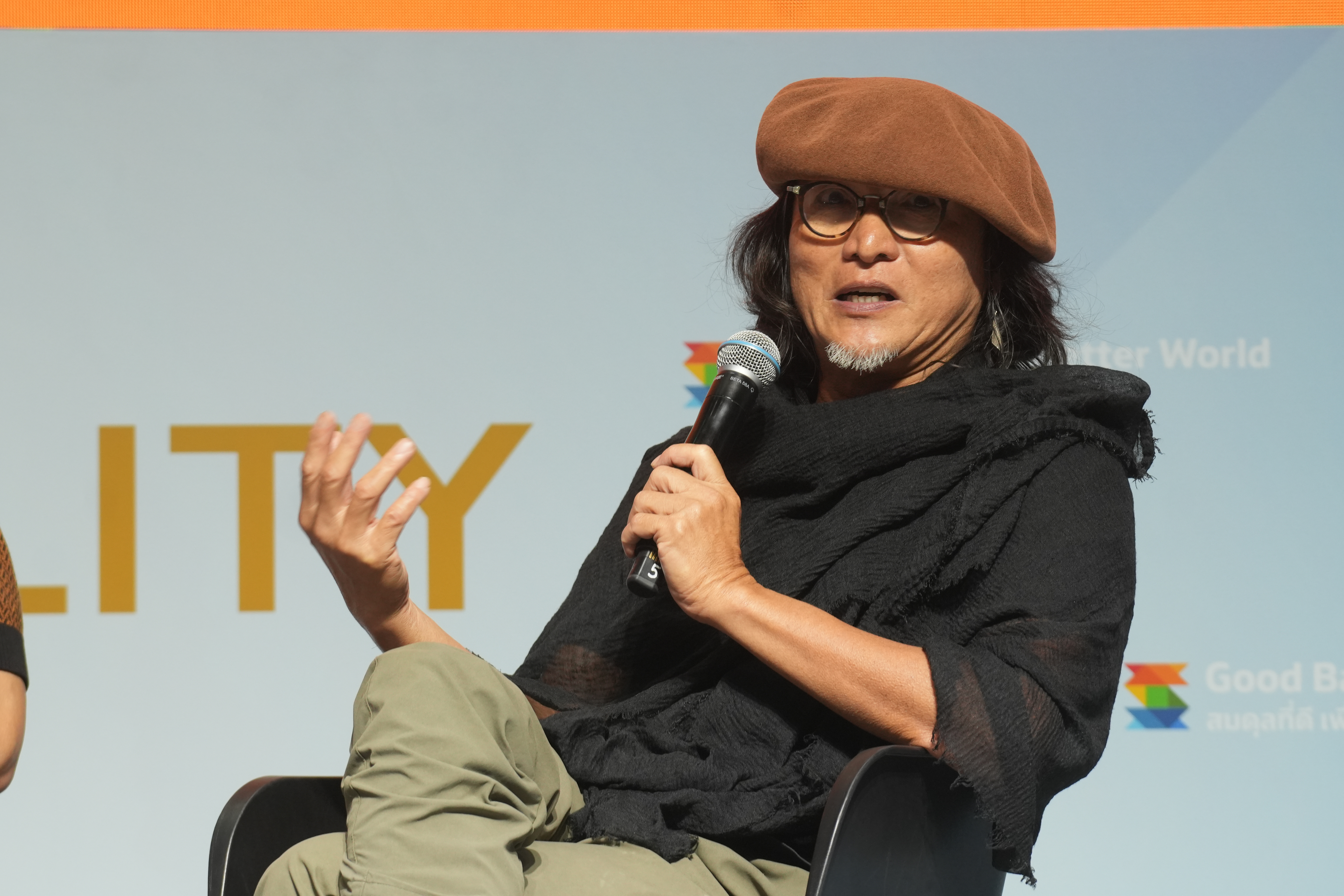
Ng Sek San from Seksan Design Landscape Architecture and Planning, Kuala Lumpur, Malaysia
-
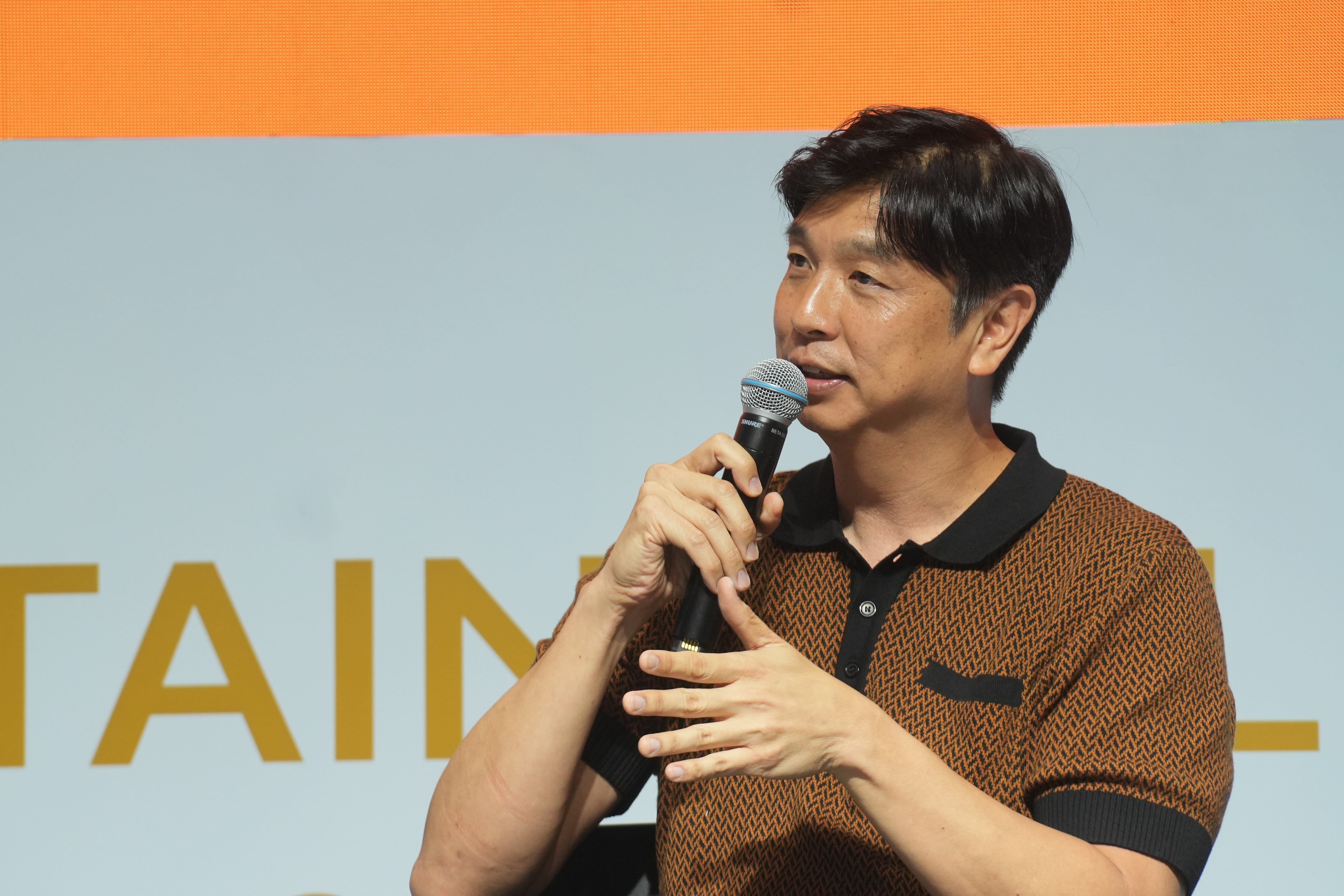
Chatpong Chuenrudeemol from CHAT Architects, Bangkok, Thailand
They shared ideas and experiences that energize creative urban development, painting visions of livable urban communities that significantly enhance city life.
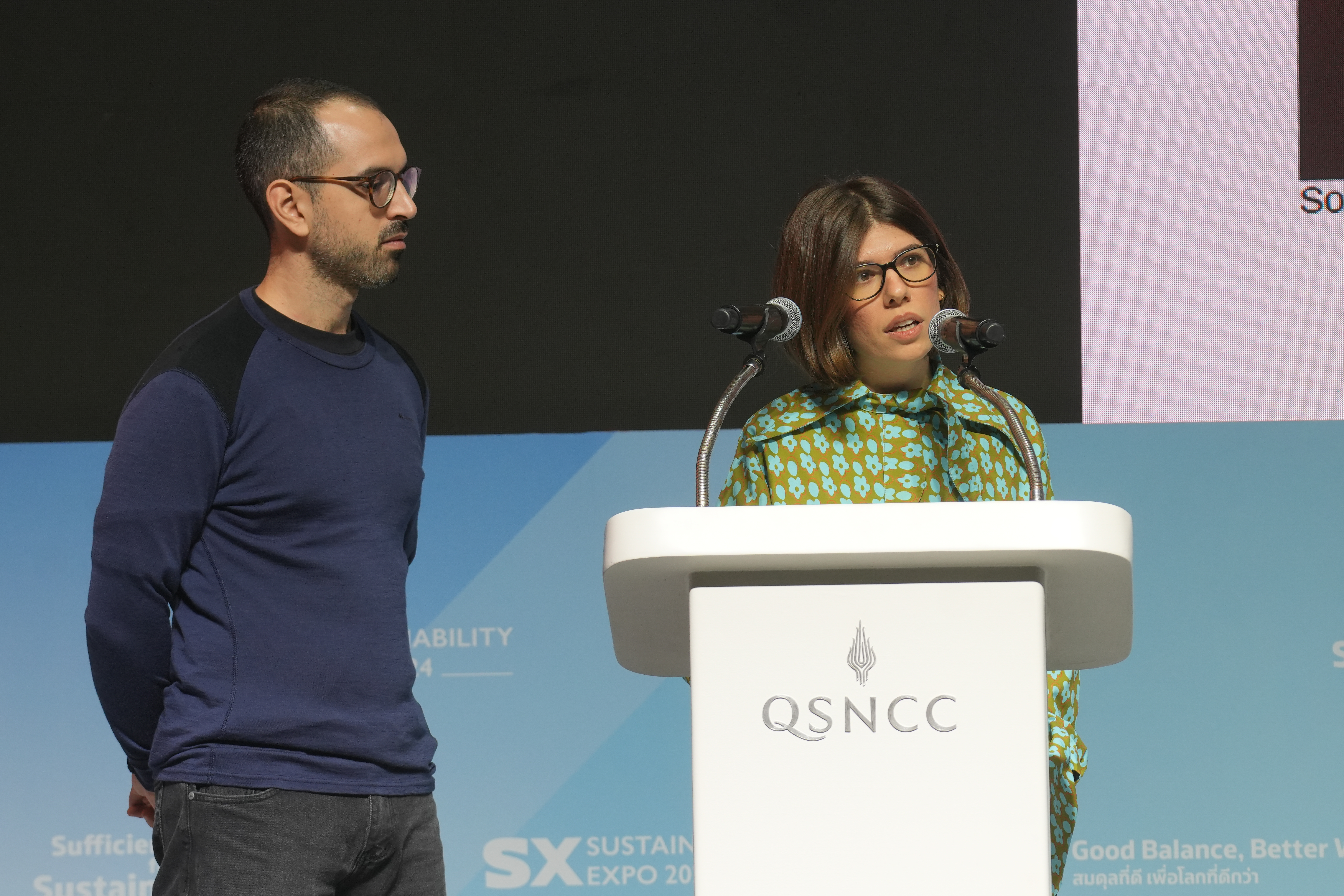
Officine Gặp, Vietnam: Reinterpreting ‘Narrowness’ in Ho Chi Minh City
Yuri Frassi and Afra Rebuscini, immersed in the unique housing typologies of Ho Chi Minh City, focused on the Vietnamese ‘Tube House’ — narrow, elongated houses typical of the region. Their project, ‘Reinterpreting Narrowness’, investigates the architectural language of ‘Narrowness’ to understand the dynamics of living within tight spaces and its relationship to Vietnamese cultural habits.
They defined ‘Narrowness’ both as a physical condition (narrow alleys, constrained plots) and a cultural phenomenon tied to the lifestyle of residents in such environments. The study classified Tube Houses into three generations:
-
Generation 1: Traditional original forms
-
Generation 2: Adaptations reflecting economic development but with quality-of-life shortcomings
-
Generation 3: Contemporary reconstructions by young Vietnamese architects, designed to meet owner needs and adapt to Southeast Asia’s hot, humid climate.
Vertical living within Tube Houses strongly influences urban Vietnamese culture. This observation aligns with insights from five Vietnamese design firms that see opportunities to transform confined spaces into contemporary, private, and interactive designs that also connect residents to their wider communities. These design elements reveal the influential role of architects and inhabitants in shaping urban lifestyles while preserving community interaction at the core of Vietnamese city life.
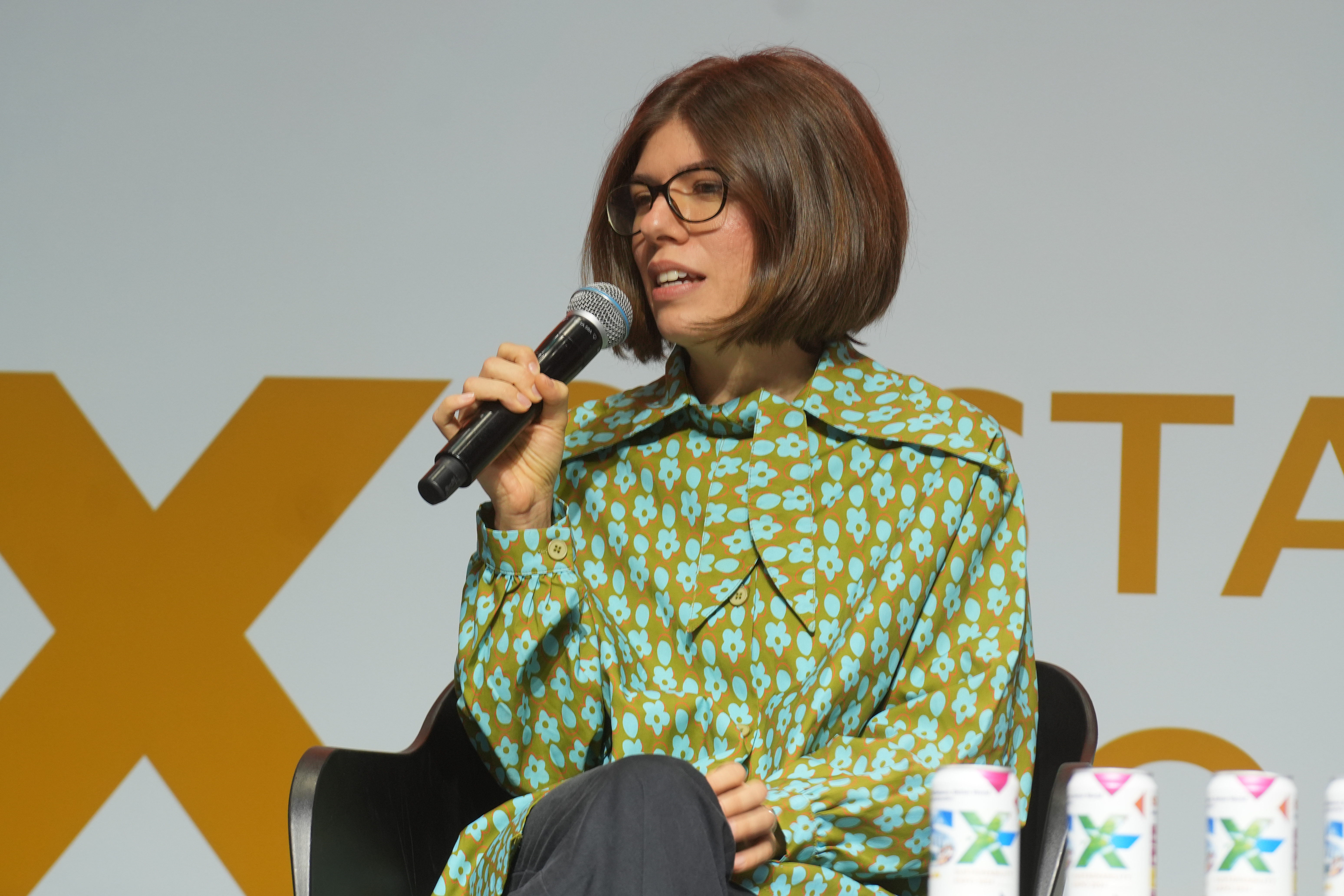
Ng Sek San, Malaysia: Landscape Architecture for Social Impact and Urban Renewal

Malaysian landscape architect Ng Sek San is renowned for his socially impactful work, including various nonprofit projects and public urban spaces aimed at community enhancement.
A key ongoing project is Kebun-Kebun Bangsar, an approximately 8-acre urban community garden in Kuala Lumpur. This initiative converts abandoned land into green space for public recreation, exercise, and education. It hosts workshops, talks, and cultural activities focused on agriculture, ecosystems, and local traditions.
Ng Sek San also shared his involvement in an orphanage design project in Mae Hong Son, Thailand, where community participation was integral from the outset. The architecture blends seamlessly with the natural mountainous landscape and prioritizes simplicity and functional joy for children using the facility.
He emphasized that community spirit and volunteerism, even when social infrastructure is limited, can start small but grow into significant forces improving urban life. Passionate collectives using design to drive social agendas can truly transform living conditions.
Chatpong Chuenrudeemol, Thailand: Finding Value in Overlooked Architectural Elements
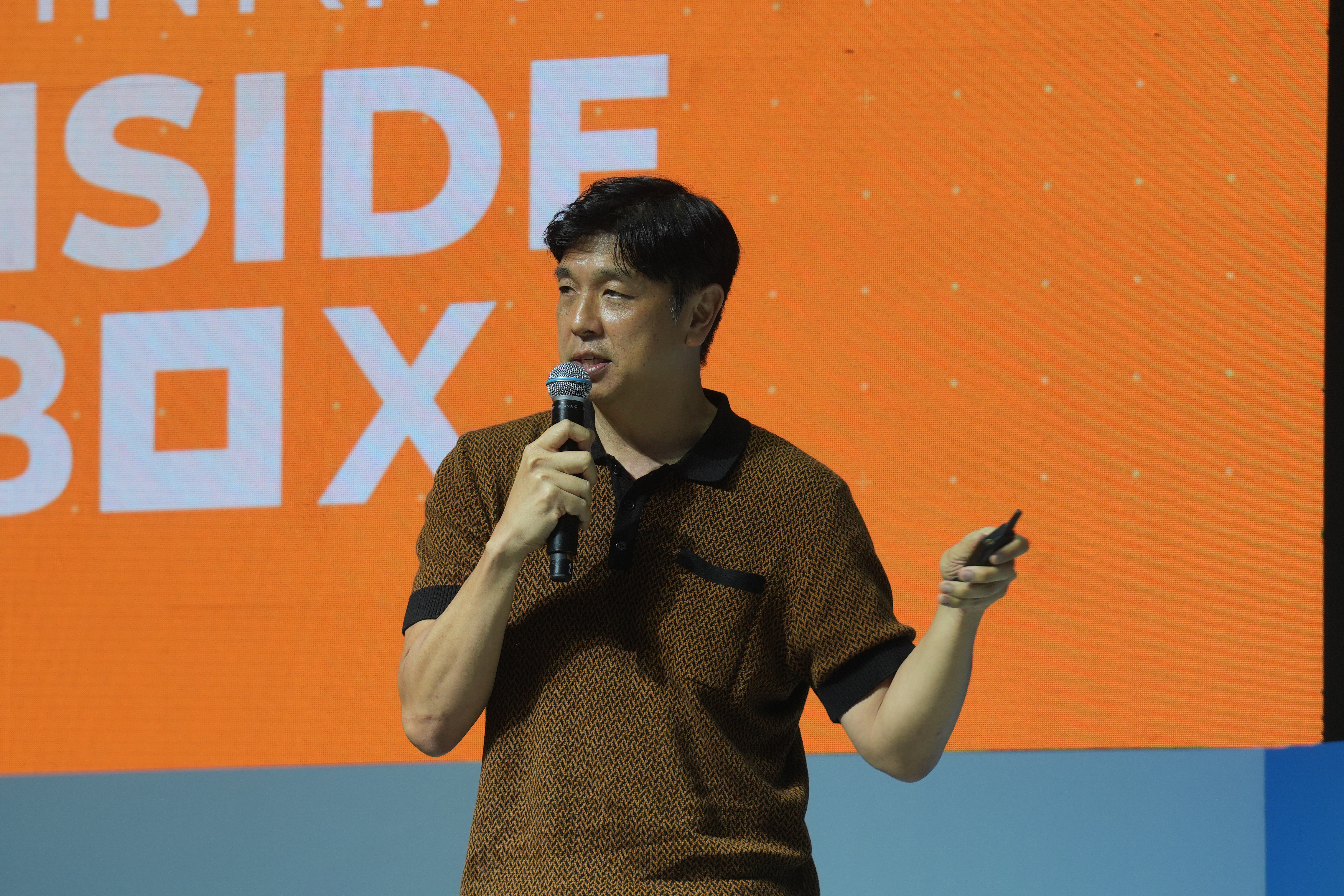
Chatpong presented “Bangkok Bastards and Rural Crossbreeds,” an exploration of often overlooked architectural typologies, such as construction workers’ camps made from scaffolding and corrugated metal. Though commonly seen and not conventionally beautiful, he studied these structures to decode their essence and integrate that knowledge creatively into architectural projects.
For example, Sansen Street Hotel incorporates scaffolding-inspired steel frameworks, offering flexible, multi-use spaces beyond mere aesthetics, illustrating how overlooked vernacular elements can enrich contemporary design.
Another highlight is the Angsila Oyster Scaffolding Pavilion, a seaside restaurant pavilion inspired by traditional bamboo oyster cages used by Angsila fishermen. This red-painted pavilion, built with locally sourced bamboo and innovative traditional techniques (e.g., using car seat belts as binding straps), serves fresh seafood while educating visitors on local fisheries, combining tourism with ecological learning.
In summary, Chatpong’s message urges designers to study and appreciate overlooked cultural wisdom and everyday elements, as these authentic reflections of people’s lifestyles can inspire meaningful architectural expressions that truly serve communities.
Follow Sustainability Expo (SX) Stay updated on SX news and activities via:
-
Facebook: Sustainability Expo
-
LINE: @sxofficial
Mark your calendars for SX2025, returning bigger and better from September 26 to October 5, 2025 at Queen Sirikit National Convention Center. Because sustainability is everyone’s responsibility.