In today’s business world, sustainability has become a necessity, not an option — particularly for SMEs, which form the backbone of both the Thai and global economy. Decisions around sustainability now directly affect a company’s survival and long-term growth.
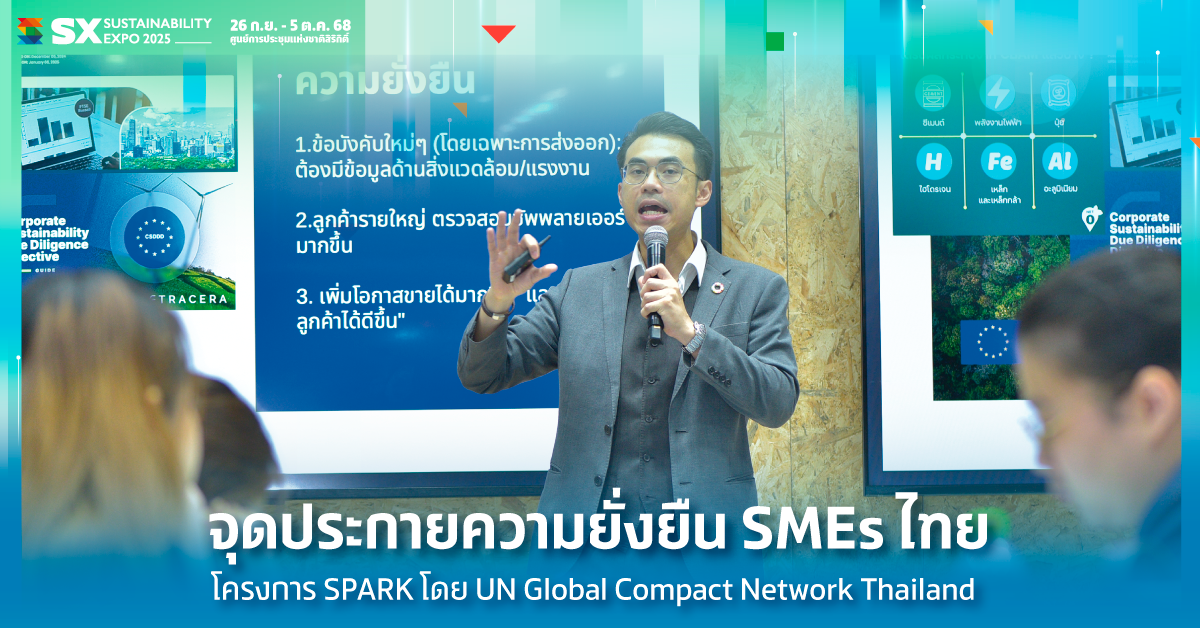
At the session “GCNT – SPARK: Igniting Sustainable Growth for SMEs” at the Sustainability Expo 2025, Sirawich Bhunsang, Corporate Relationship Officer at the UN Global Compact Network Thailand (GCNT), shared insights to help SMEs understand why embracing sustainability is both achievable and essential.
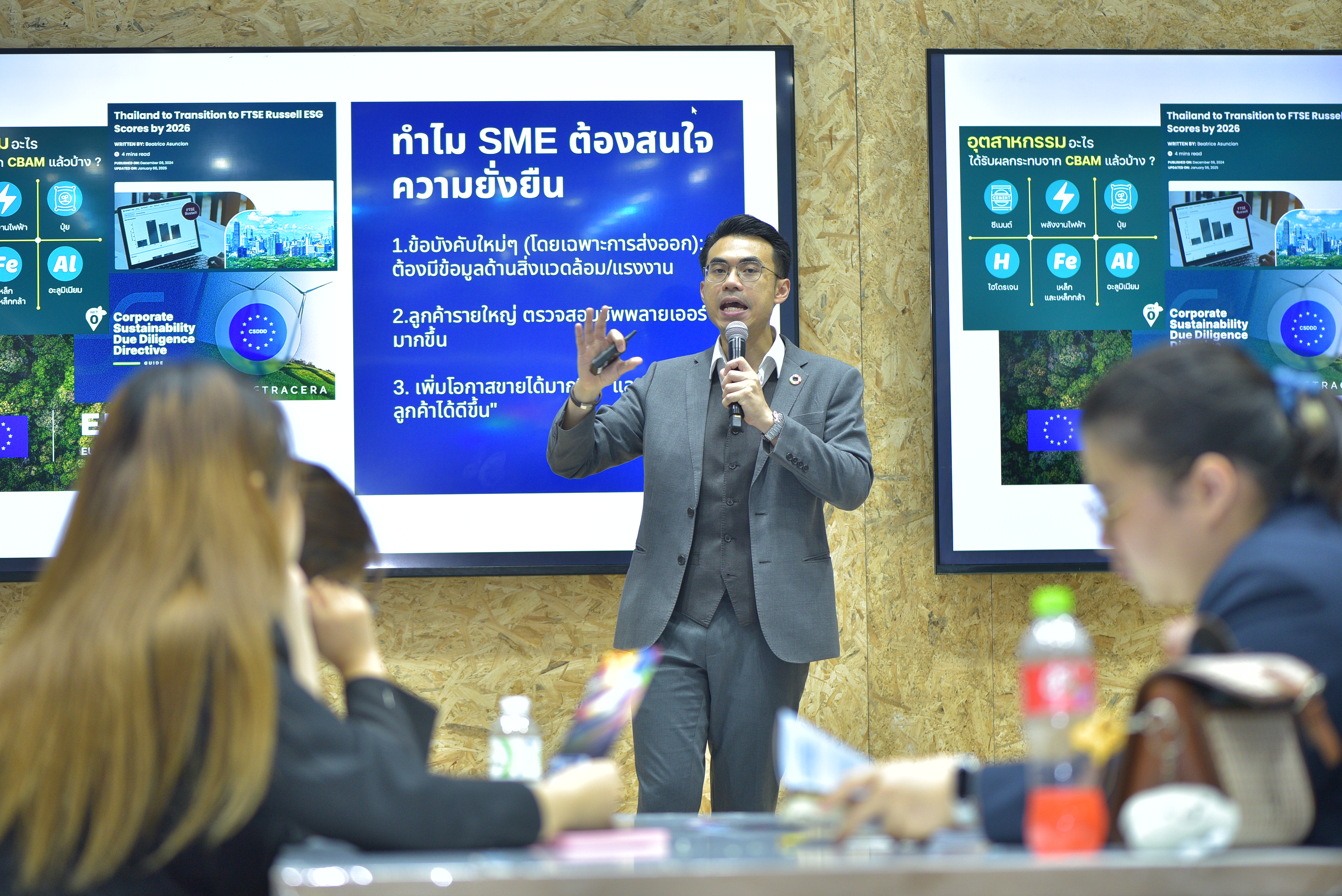
Sirawich emphasized that sustainability is about “doing good today without harming tomorrow.” In business terms, this means taking the long view — planning 10–30 years ahead with people, the planet, and profit in mind. For SMEs, the journey may seem complex, but it can start small: improving energy efficiency, minimizing waste, or managing resources wisely. Each small step contributes to meaningful, long-term impact.
He also highlighted the growing external pressures SMEs face — from stricter global regulations to ESG expectations passed down by large corporations responding to investor demands. However, amid these challenges lie opportunities: PwC’s 2024 research found that global consumers are willing to pay nearly 10% more for sustainable brands. Sustainability, therefore, is not a cost, but a competitive advantage that enhances market value and business resilience.
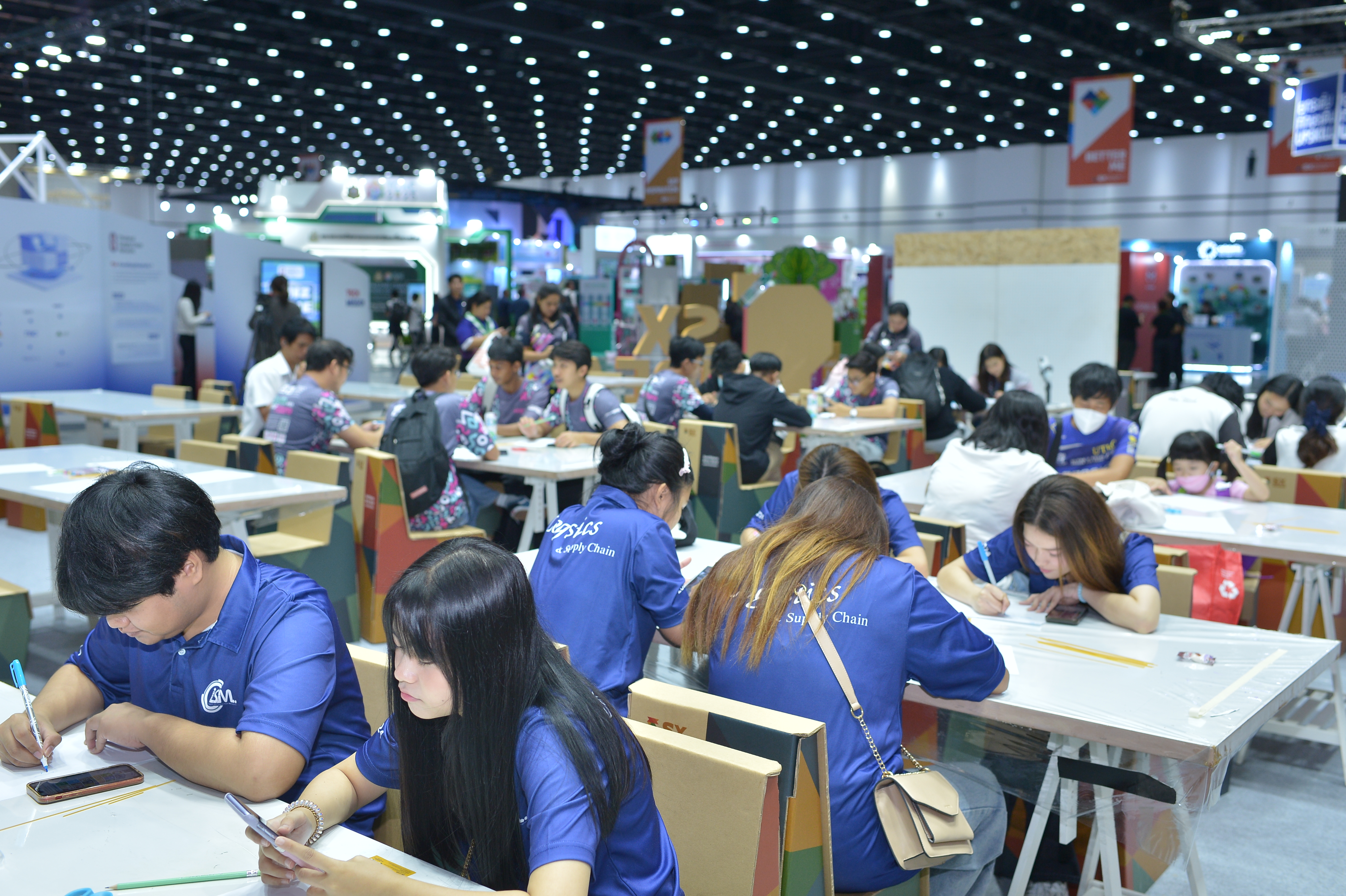
To support SMEs on this journey, GCNT launched SPARK, a global learning program from the UN Global Compact tailored for smaller businesses with limited time and resources. The program offers bite-sized, practical content through online courses, webinars, and peer-learning spaces where entrepreneurs can exchange experiences and solutions.
What sets SPARK apart is its step-by-step design — from foundational understanding to real-world planning, hands-on application, and measurable outcomes. Participants not only build sustainability capabilities but also gain a global certificate that enhances their business credibility and visibility.
Ultimately, the session served as both a knowledge-sharing platform and a call to action — showing SMEs that sustainability is not a distant goal or burden, but an opportunity for growth and resilience. By integrating ESG principles into every dimension of business, SMEs can not only mitigate risks and comply with emerging regulations but also thrive in a rapidly changing market.

As Sirawich concluded, Thai SMEs are not alone — with networks like GCNT offering guidance, partnerships, and tools to move forward together. Sustainability, he reminded, starts with small actions today that protect the future — and when multiplied across communities, those small sparks can ignite lasting, transformative growth.