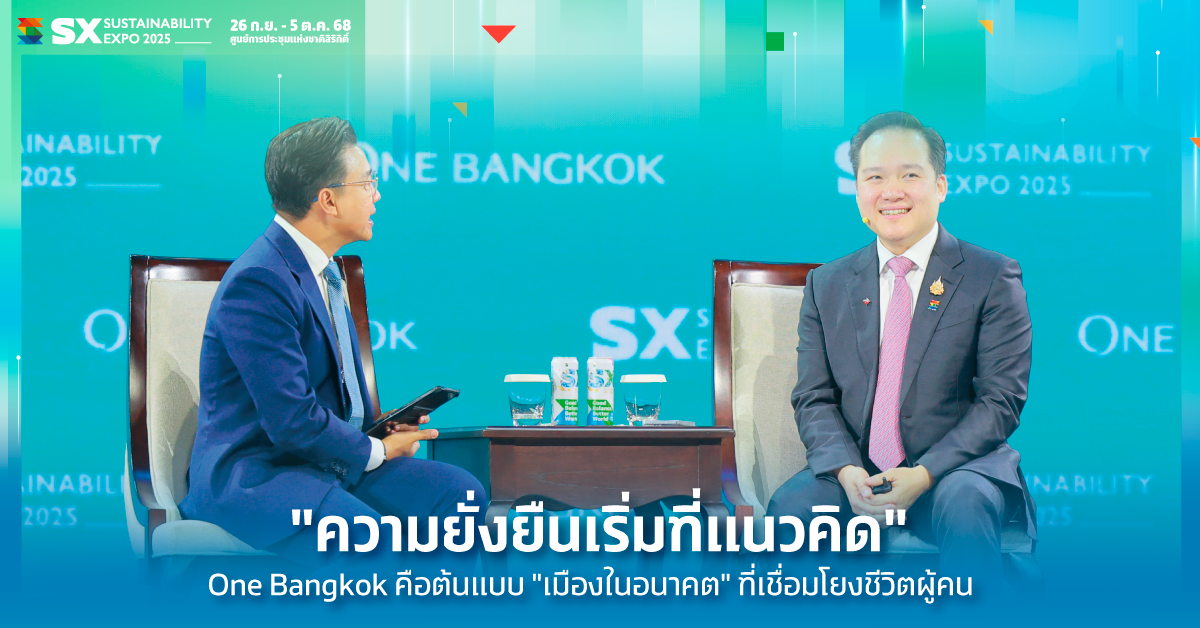
Frasers Property Limited reveals its "The Future-Proof Paradigm" vision, emphasizing that real estate development is not just about constructing buildings, but about managing "life and space." It champions the "Sufficiency Economy Philosophy" as a model for true business sustainability, highlighting the One Bangkok project as a successful example of public-private collaboration to elevate urban quality of life.
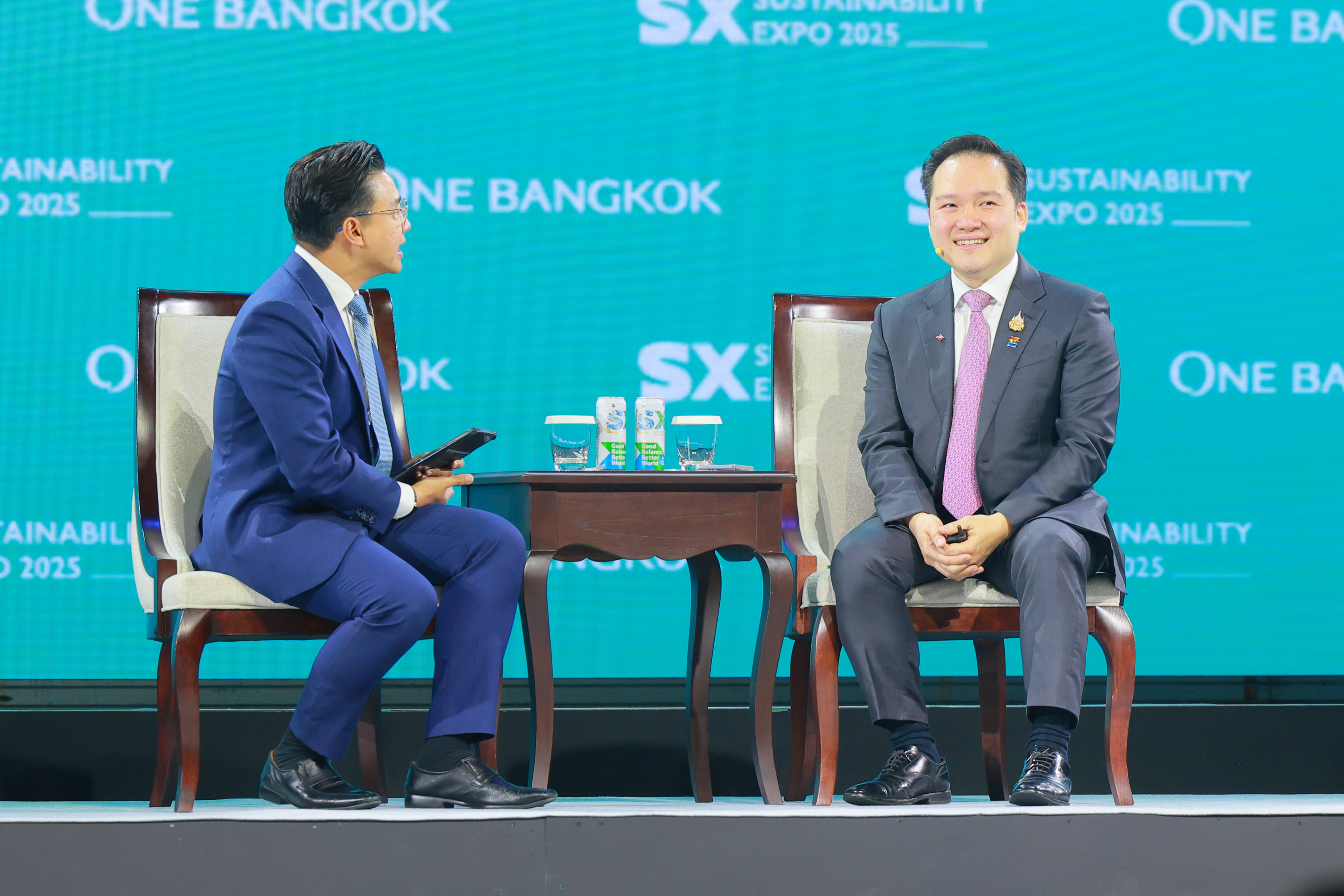
During a special discussion titled "The Future-Proof Paradigm: A Path to a Sustainable Future" at the SUSTAINABILITY EXPO 2025, Mr. Panote Sirivadhanabhakdi, Group Chief Executive Officer of Frasers Property Limited, shared profound insights into the future of cities and the real estate business amidst an era of rapid transformation.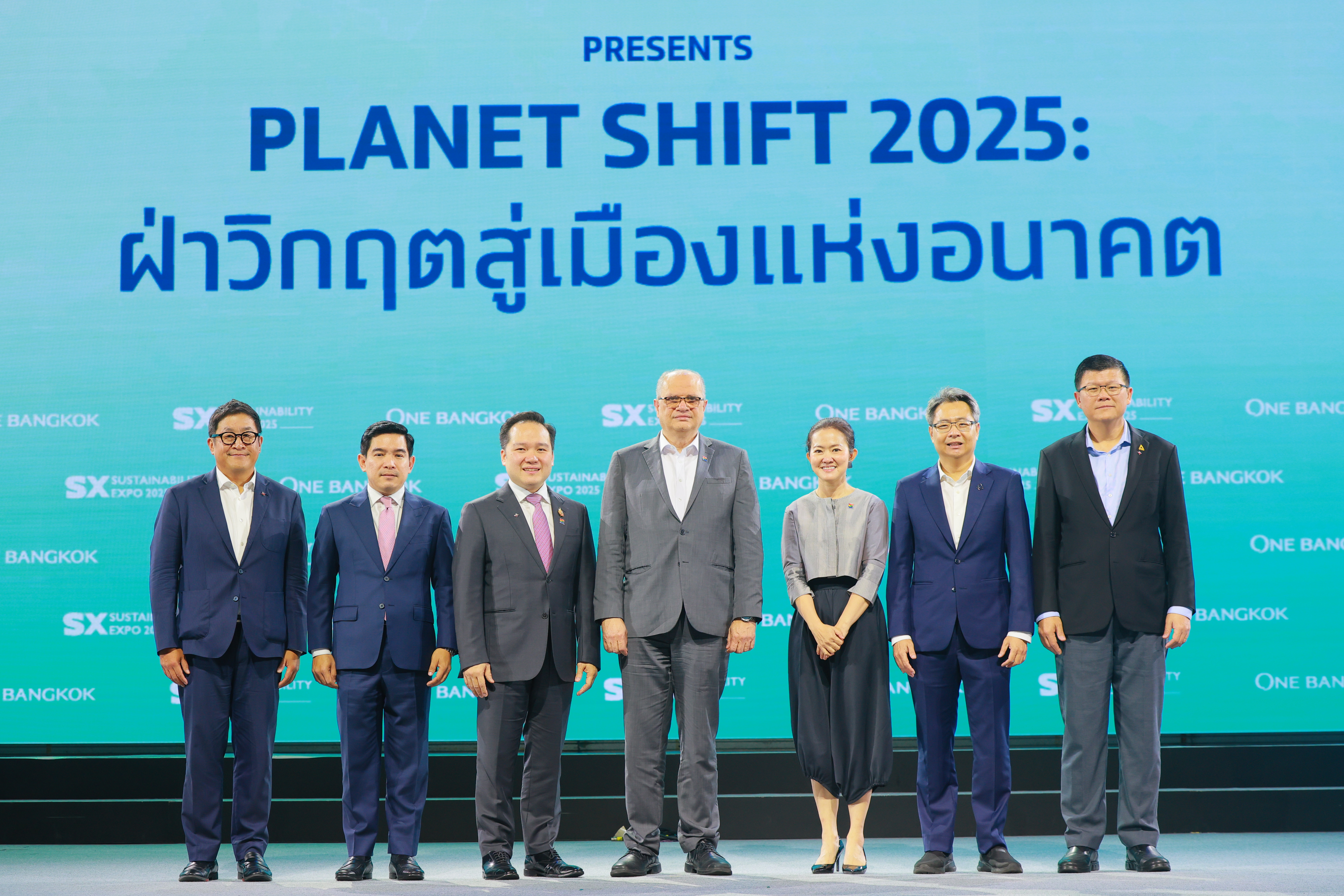
The Heart of Sustainability: Starting with "Mindset and Understanding"
Mr. Panote Sirivadhanabhakdi emphasized that true "sustainability" does not begin with complex structures or technology, but is rooted in "mindset and understanding." He traced this back to the core impetus from the Group's founders, Mr. Charoen and Khunying Wanna Sirivadhanabhakdi, who prioritized sufficient and socially responsible development.
This vision was passed down to the second-generation leadership, Mr. Thapana Sirivadhanabhakdi, who reinforced the sustainability ideology, stating, "What we leave behind must answer the needs of society; that is, real estate development focused on people's quality of life."
The New Era Developer: A Curator of "Life and Space"
Mr. Panote Sirivadhanabhakdi further pointed out that the role of a developer has fundamentally changed. Once mere creators of "assets," they have become curators of "life and space," which must be usable long-term and harmoniously integrated with the urban context and its people.
"Physical structures are only 30% of a project; the other 70% is high-quality space management and understanding the users," said Mr. Panote Sirivadhanabhakdi. He stressed that a good project must therefore create more than just buildings; it must create "value" for its users.
Collaboration is Key: Building the City Together
ONE BANGKOK is highlighted as a prototype model of public-private partnership, both in terms of infrastructure and policy planning. A clear example is the development of pavements and footpaths in collaboration with the Bangkok Metropolitan Administration (BMA), which reduces the government's burden while simultaneously providing seamless connectivity for the public.
"We have reformed the concept of urban development by working with the state, ensuring mutual benefit, reducing state costs, and enhancing public quality of life."
"Sufficiency" Means "Mitigating Risk," Not Just "Saving"
One of the key ideas he revealed was the application of the "Sufficiency Economy Philosophy" to the concept of sustainability. He clarified that its meaning is not about minimal usage, but about finding the "right balance" to ensure long-term survival and preparedness for various risks.
"Sustainability is about mitigating risk, not investing without returns. A good model is an investment that meets customer needs while simultaneously creating value for society," he clearly explained.
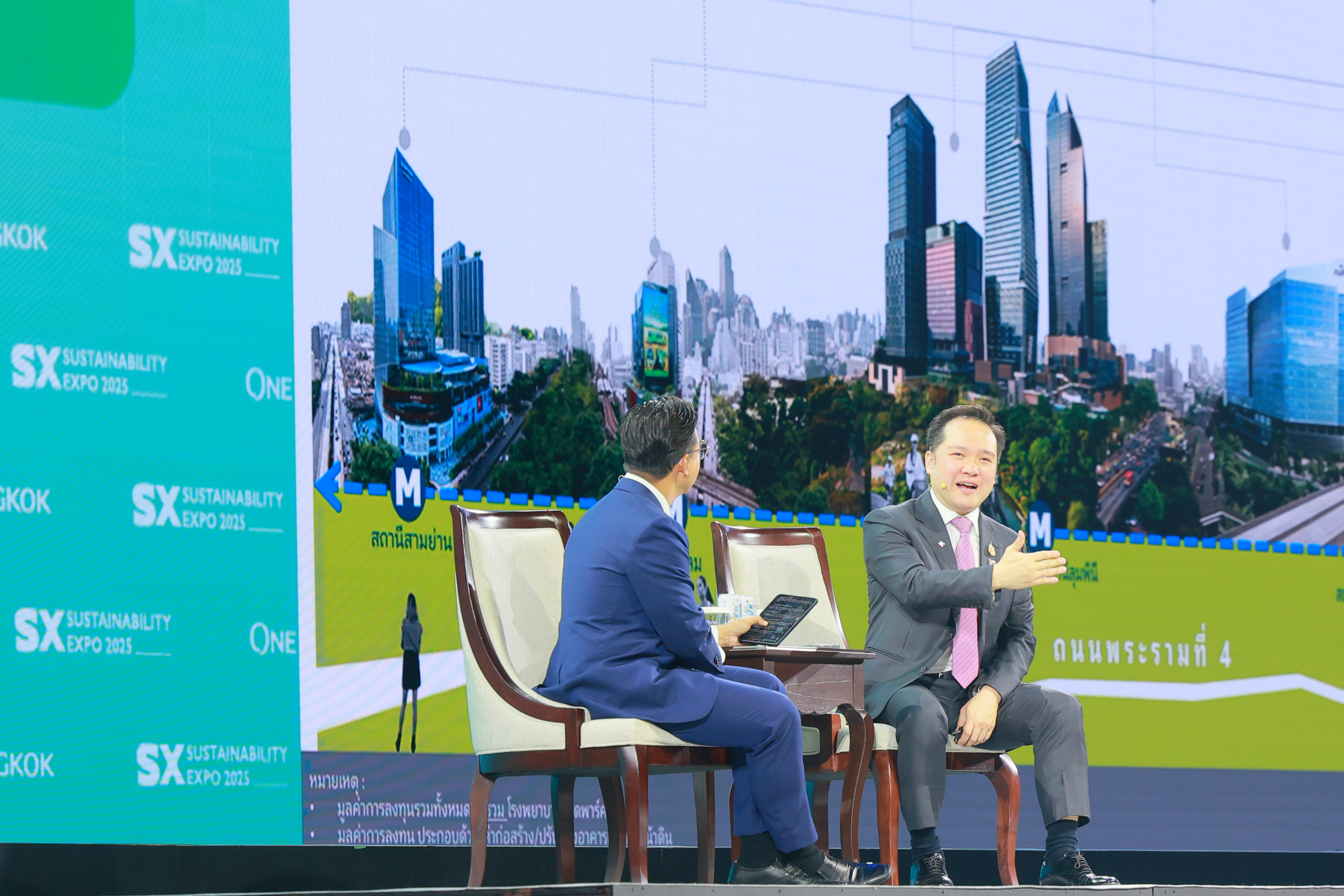
One Bangkok: A Global City Prototype that "Invests Precisely"
The ONE BANGKOK project has achieved the highest certification standards, such as LEED for Neighborhood Development (Platinum), and is also pursuing the WELL Building Standard. This serves as a testament to the commitment to developing a space that is vibrant in every dimension.
Mr. Panote Sirivadhanabhakdi reflected on the long-term vision, stating that urban growth over the next 10–20 years requires proactive planning from both the public and private sectors, just as in other leading global cities.
"Our concept is not about investing heavily to get high profits, but about investing precisely to create valuable experiences. That is the true return... Bangkok will rival any city in the world if we collaborate, create a sustainable balance, and develop together."
Sustainability is not just rhetoric; it is an actionable mindset realized through "collaboration," "long-term planning," and the creation of a balance that serves the economy, society, and the environment. This makes One Bangkok not just a landmark, but a true "prototype" of a future city that is sustainable and genuinely understands the needs of the modern generation.