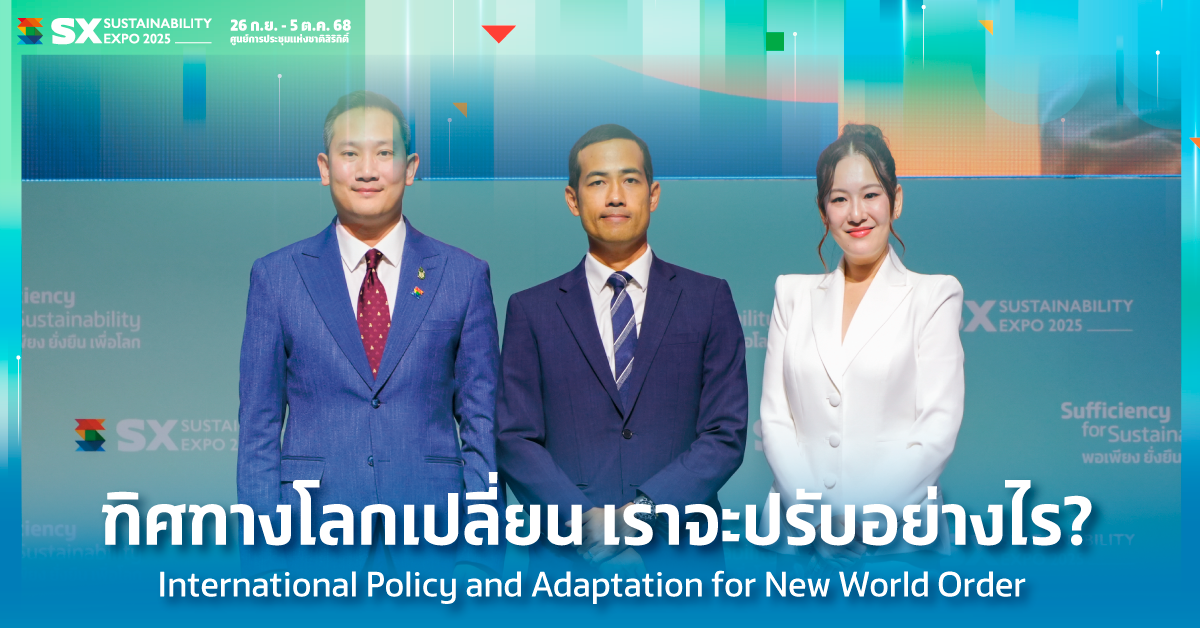
When the World Changes, How Do We Adapt?
“Adaptation” is essential in every transformation—whether it involves political security, natural disasters, or volatile economic conditions. Understanding and learning from the past is crucial in helping us better grasp current events. The session “International Policy and Adaptation for the New World Order” on the SX TALK STAGE at SUSTAINABILITY EXPO 2025 explored the fundamentals of Geopolitics—the study of international relations shaped by both natural and human geography. By understanding these dimensions, we can plan and adapt in time—at the individual, organizational, and national levels—because sudden changes in international policy can directly affect our economy, businesses, and daily lives.
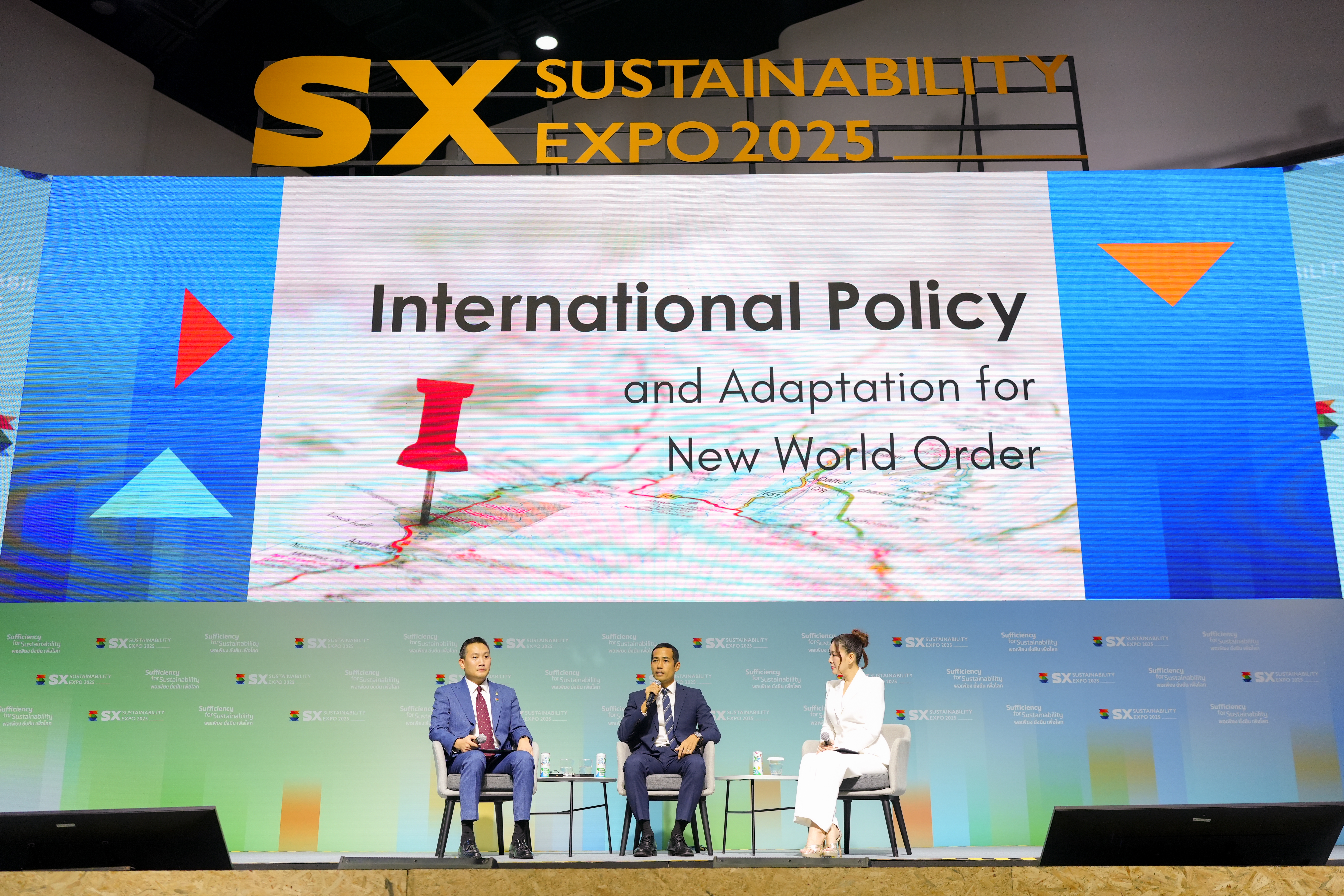
The Global Balance of Power Shifts East and Global South
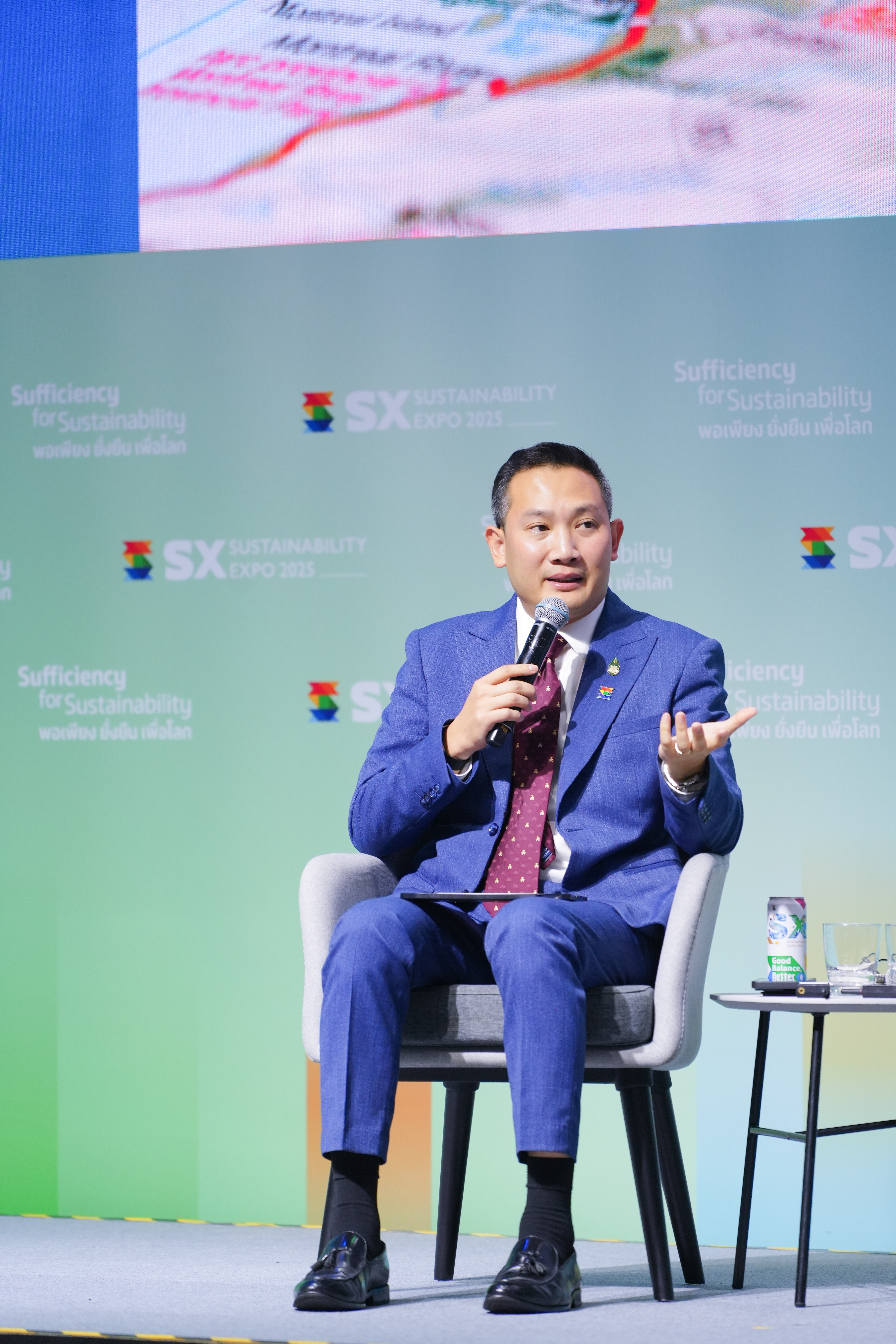
Capt. Dr. Charupol Ruangsuwan, Deputy Director of the College of Politics and Governance at King Prajadhipok’s Institute, emphasized that 3 main factors drive foreign policy: values, interests, and power. He noted that the global balance of power is shifting toward the East and the Global South—meaning Asia, South America, and Africa will play increasingly important roles in terms of both economy and population in the future. The world order—the framework for how nations coexist—has historically been defined by Great Powers. Once led by Britain, it shifted to the United States after World War II, which established institutions such as the United Nations (UN), International Monetary Fund (IMF), and World Trade Organization (WTO).
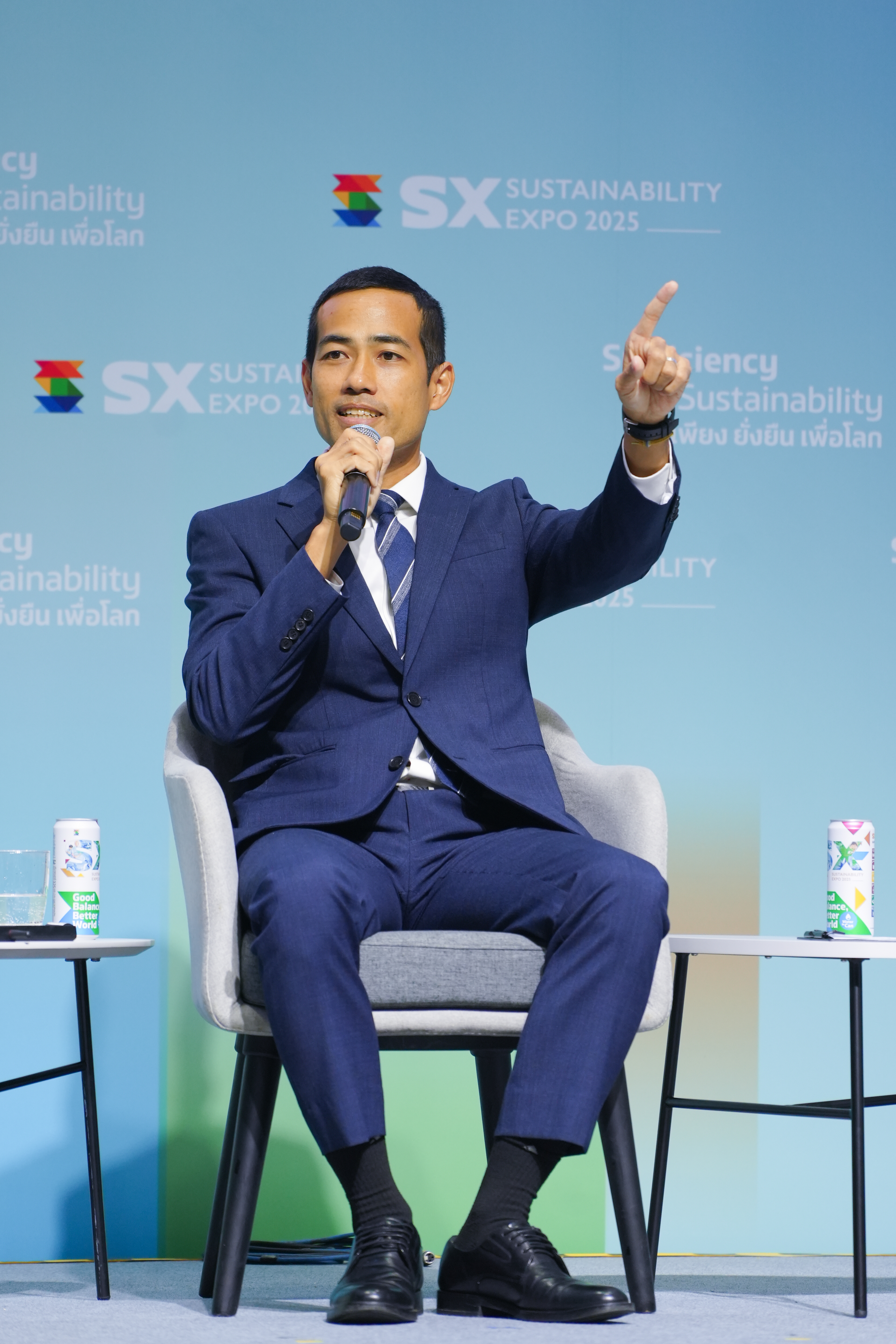
Capt. Pongsakorn Puangsuwan, Head of International Policy of the Royal Thai Navy, observed that China’s role has risen sharply while U.S. influence appears to have declined—for instance, with the U.S. withdrawing from key agreements, while China expands its role in building soft power and offering aid to other countries. This has led the world toward a multipolar order where the U.S. is no longer the sole agenda-setter—China, Russia, and India are now exerting greater influence. Another notable trend is the crisis of trust in international institutions, reducing the weight of international rules and fueling conflicts in multiple regions. Meanwhile, the BRICS countries are discussing reducing reliance on the U.S. dollar, which could have enormous consequences for the global economy. These shifts are reminders that Thailand must be prepared.
21st-Century Wars: Beyond the Battlefield
Today’s conflicts are no longer confined to land, sea, or air—they have expanded into new and more complex domains. Cyber warfare has emerged as a critical tool for gaining advantage and causing disruption, while space exploration has become a competitive frontier, with major powers racing to advance space technology and establish dedicated space forces. Political warfare increasingly relies on information operations to interfere in and destabilize other nations without deploying military force, and economic warfare, such as trade wars, uses economic measures as strategic leverage on the global stage. The BRICS countries have started discussions on reducing their reliance on the US dollar, a move that could profoundly impact the global economy. These developments underscore the urgency for Thailand to strengthen its preparedness and strategic response.
From “Survival” to “Sustainable Growth”
The key question is: how can Thailand go beyond mere survival in a world that is simultaneously more connected and more divided? The answer lies in aiming for sustainable and resilient growth. This requires aligning domestic and foreign policies, maximizing self-reliance, and exercising prudence. As Capt. Dr. Charupol Ruangsuwan noted, “Acting with sufficiency and moderation is essential. When security and environmental conditions shift, undertaking something riskier—or unnecessarily larger than we should pursue—requires even greater prudence and judgment.”
He also emphasized that returning to Thailand’s roots and strengths—especially food security—is crucial. With rich natural resources and the ability to feed both itself and the world, Thailand holds a comparative advantage that can be expanded into a source of soft power. Government policies should support citizens in developing their hometowns, creating sustainable security from the ground up.
This vision aligns with the Sufficiency Economy Philosophy, building immunity, practicing moderation, and strengthening from within, so Thailand can conduct foreign policy with wisdom and stability. Ultimately, this leads to genuine bottom-up sustainable development, because, as Capt. Pongsakorn Puangsuwan concluded, “Sustainability begins with us—and leads to a sustainable world.”
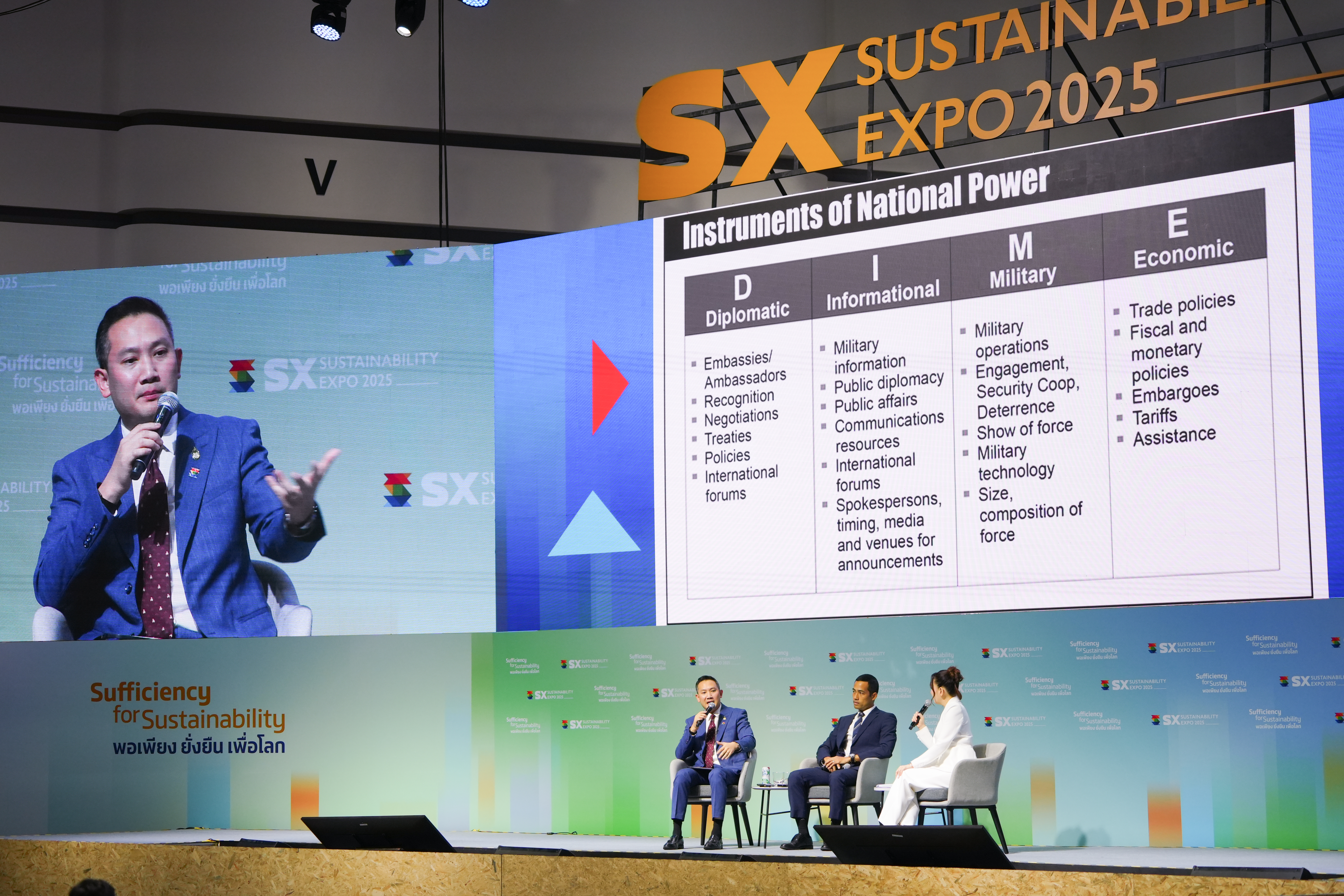
Even in a world filled with uncertainty and challenges, if Thailand chooses to learn from the past, plan with foresight, and leverage its strengths wisely, it can both survive and grow with confidence. Building resilience from within, integrating domestic and international policies, and adhering to the principle of sufficiency will allow Thailand to stand strong on the global stage, and become a vital force shaping a sustainable future.