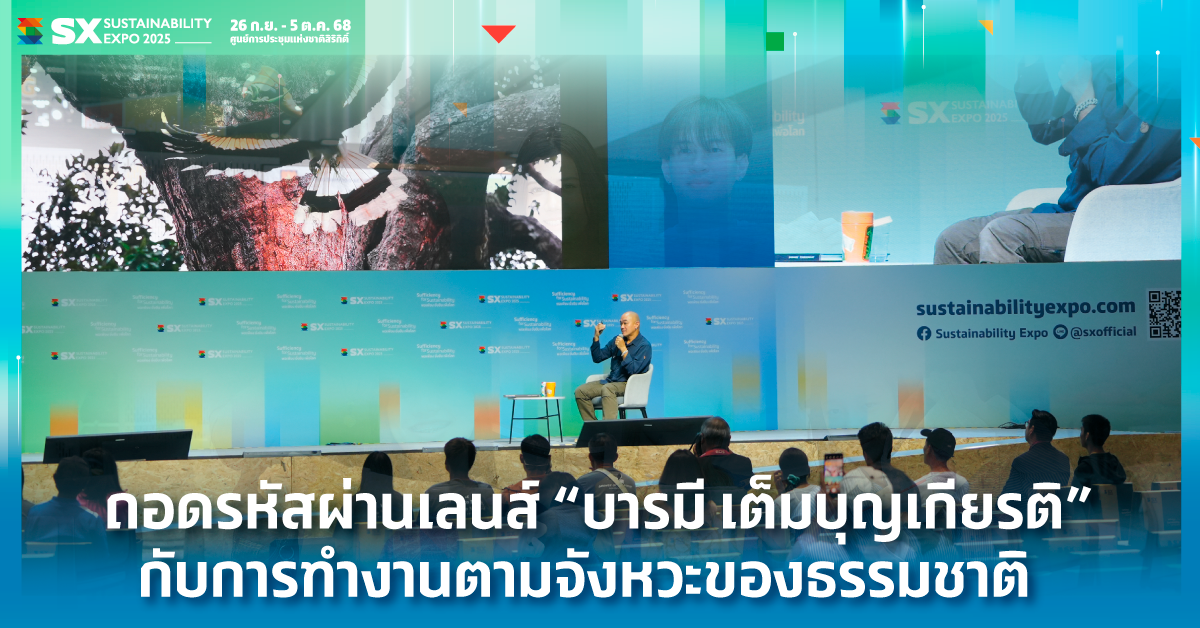
Art not only offers beauty to the world, but also serves as a powerful tool to open new perspectives, allowing us to see things through the eyes of the creator. Baramee Temboonkiat, a wildlife photographer who has lived close to nature for decades, sees photography in two dimensions: on one hand, as a recorder of nature’s beauty, and on the other, as a potential intruder—often unknowingly.
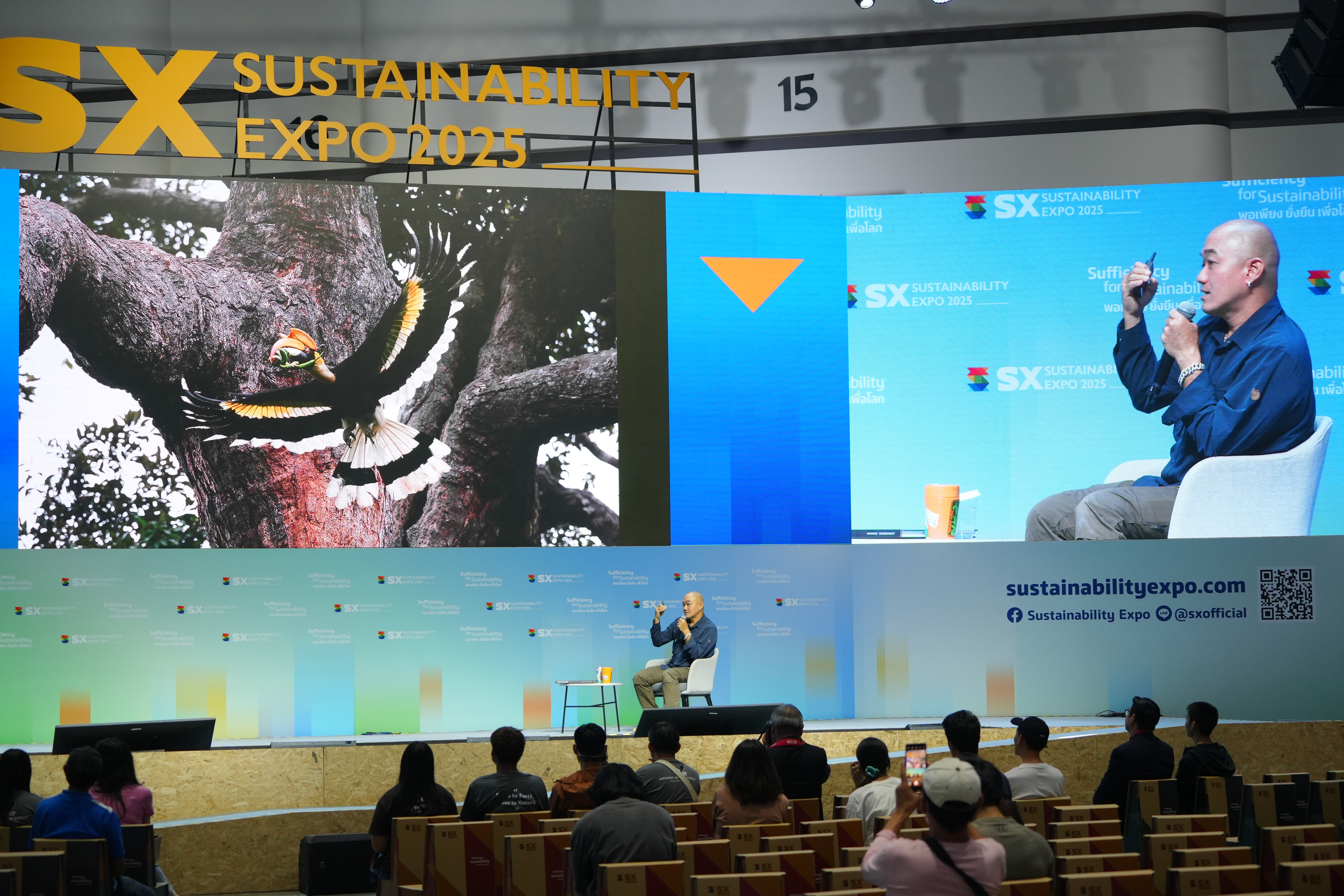
At the SX TALK STAGE of SUSTAINABILITY EXPO 2025, Baramee shared the stories behind his photographs, combining technical perspectives with his experiences in forest and wildlife conservation in Thailand, under the topic “IN THE HEART OF WILDLIFE PHOTOGRAPHY.”
“My work is about working with the rhythm of nature. We must patiently wait, use our skills and experience, and add imagination in order to capture images that are truly unique.” Baramee reflected on his journey since he began photographing in 1995, a path he still pursues today through his travel program “Full Frame: Extreme Photographer.” For him, wildlife photography begins with the right mindset and attitude.
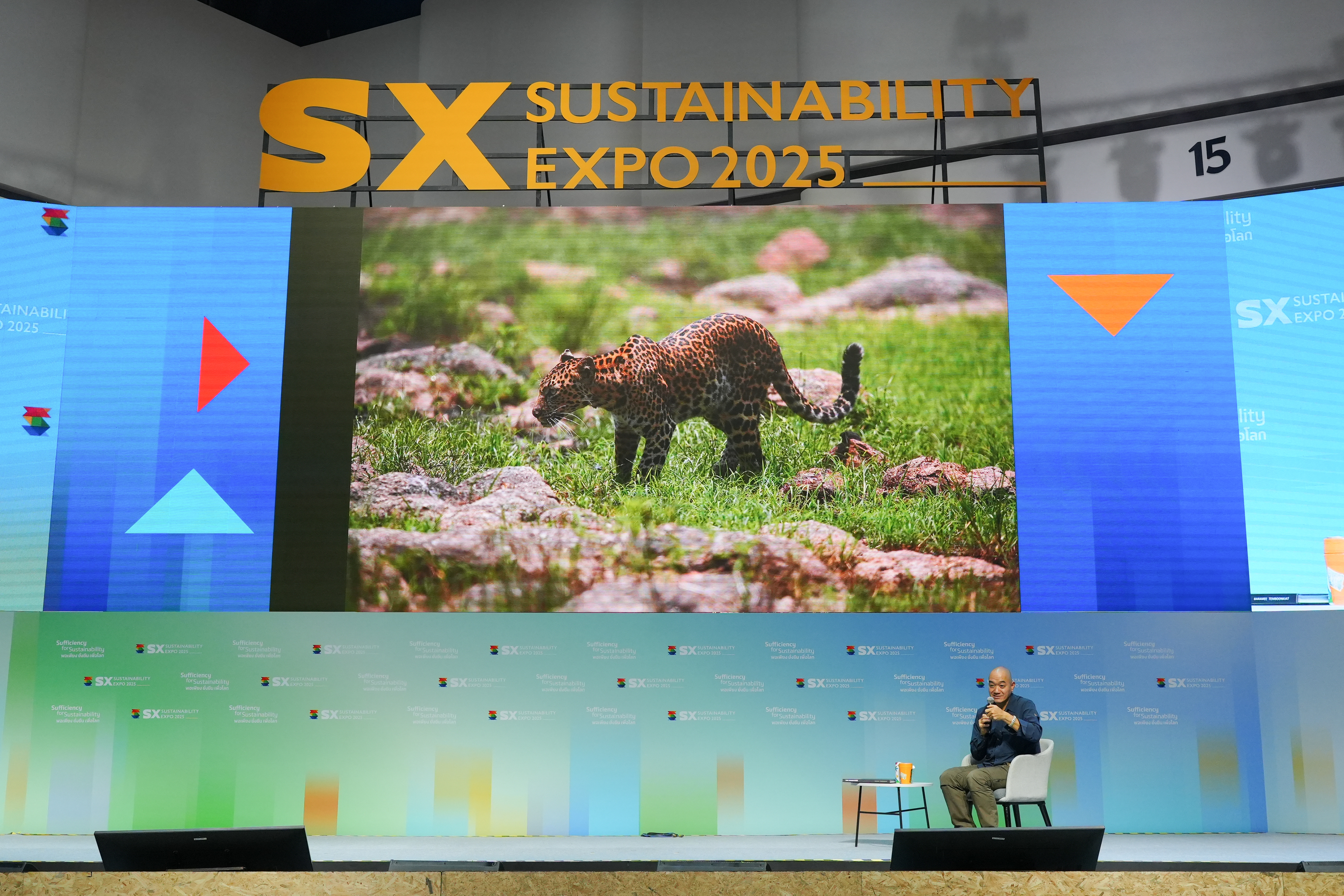
“I see nature as art we are allowed to visit. To truly appreciate art, you observe it with your eyes but do not touch it. In the same way, we should respect natural places, follow park and conservation rules, and learn about the lives of animals—before ever lifting a camera.”
Throughout his career, Baramee has witnessed changes in both technology and ethics in photography. “In the past, we used film cameras. One roll gave only 36 frames. Every shutter click required careful planning, studying animal behavior, and selecting the right time and place. Today, technology makes photography easier, but many people now enter areas where they should not be.”
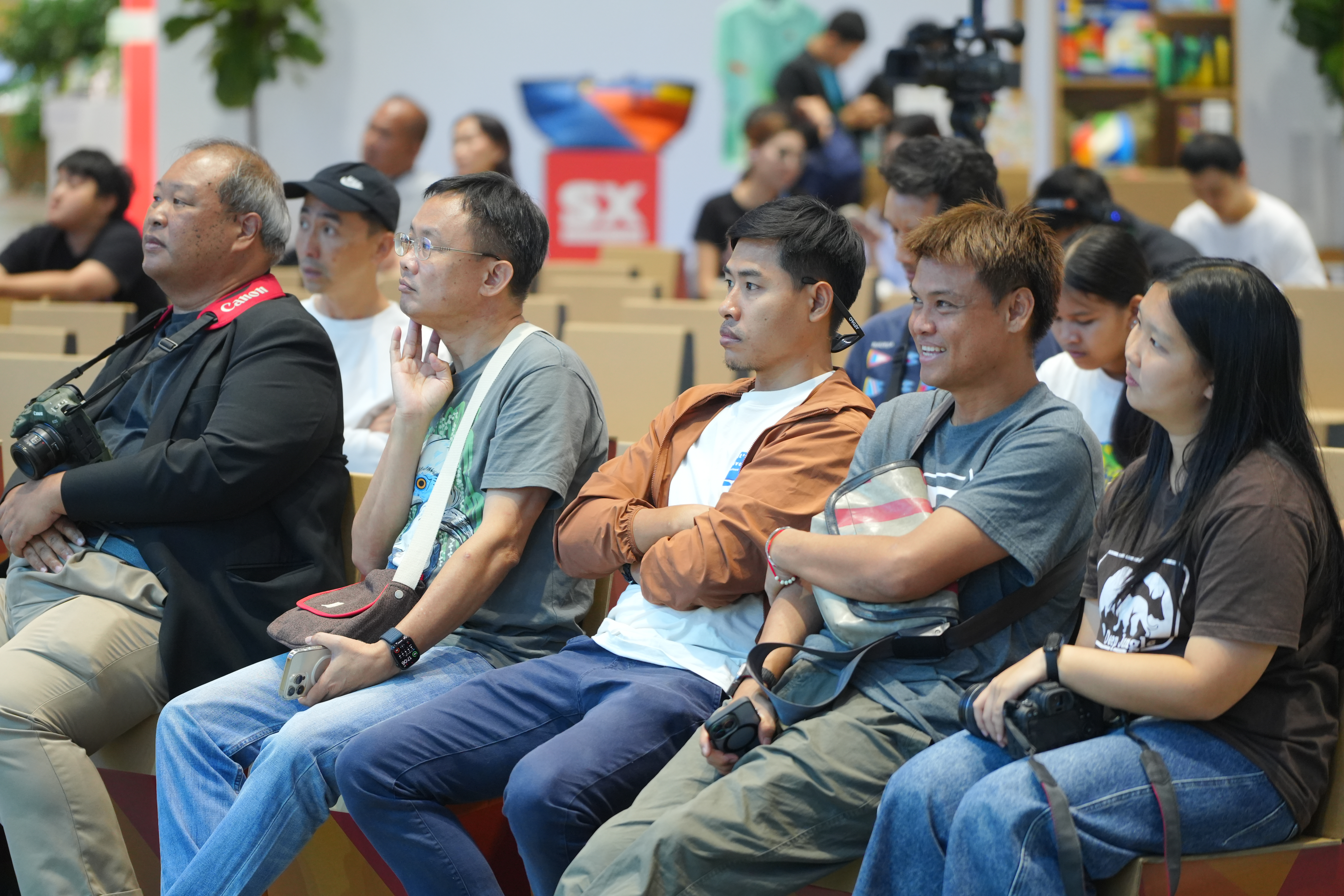
He explained that in the past, bird or wildlife photographers relied on carefully concealed blinds. Nowadays, people often go in large groups, setting up blinds too close together, alerting the animals and disrupting their natural behavior. Worse still, some bait animals with food just to capture close shots—posing risks to both people and wildlife.
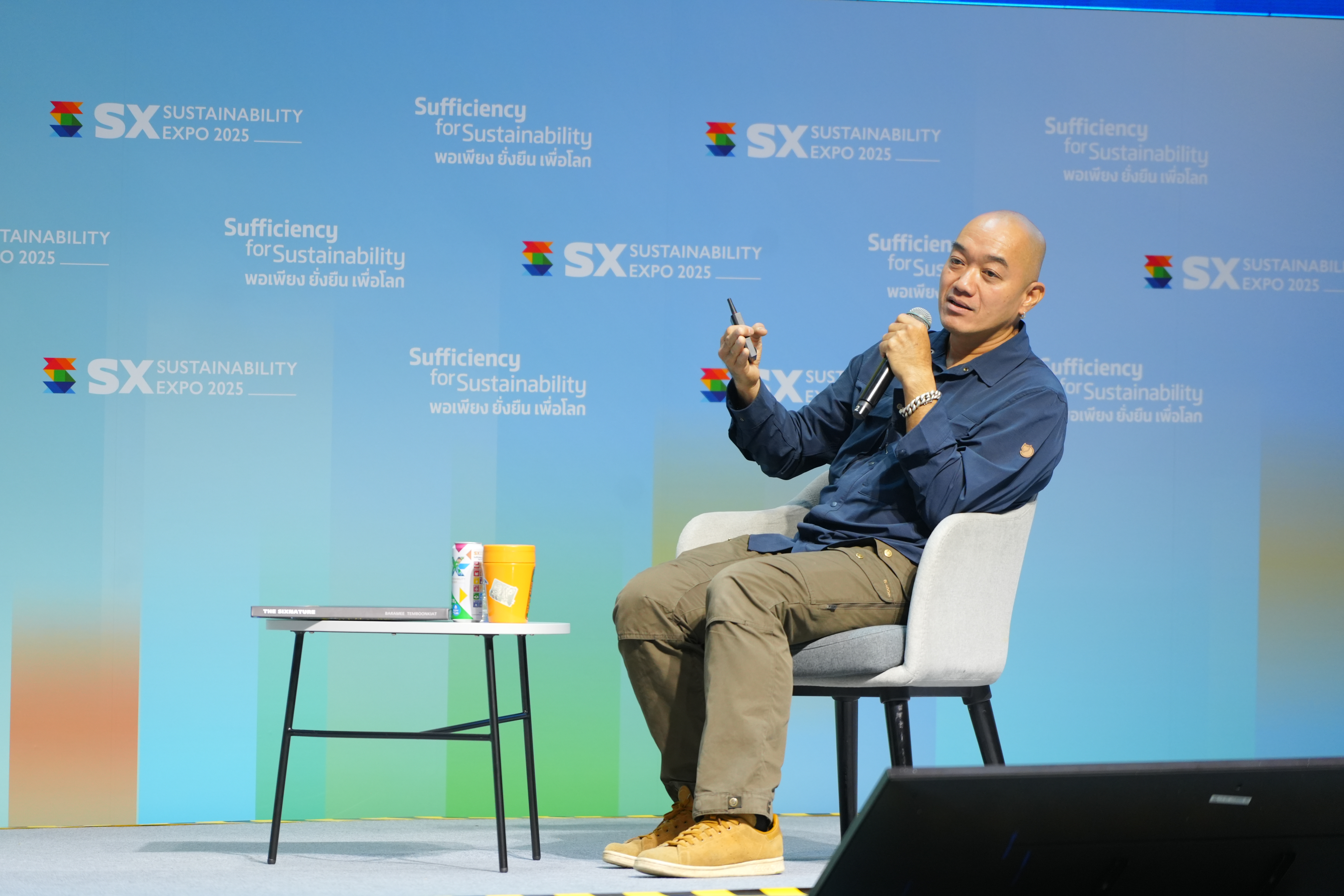
“Today, everyone is a creator, wanting images for their own platforms. I, too, work in a profession centered on the beauty of nature. But I want everyone to realize: we all share responsibility for conserving nature. We must respect the rules and use patience in photography, rather than disturbing wildlife just to get close-up shots.”
He recalled photographing Bryde’s whales, which have become a popular subject as tourist boats crowd the waters. “My best whale photo wasn’t taken with a massive telephoto lens, but with just a 70–200mm lens while sitting quietly on a still boat—allowing the whale to approach on its own. Thanks to the boat crew, who understood the whale’s nature, we didn’t disturb it, yet still captured a breathtaking image.”
Another image he treasures is that of the goral on Doi Chiang Dao. “I worked with researchers who needed images of gorals feeding at night. It took years of studying their habits—feeding, movement, even waste patterns—until I could predict their paths and timing. When the moment came, I set the camera in the right spot and used special techniques to capture the shot. The result was a goral standing proudly on a cliff, framed by the sky and stars behind it.”
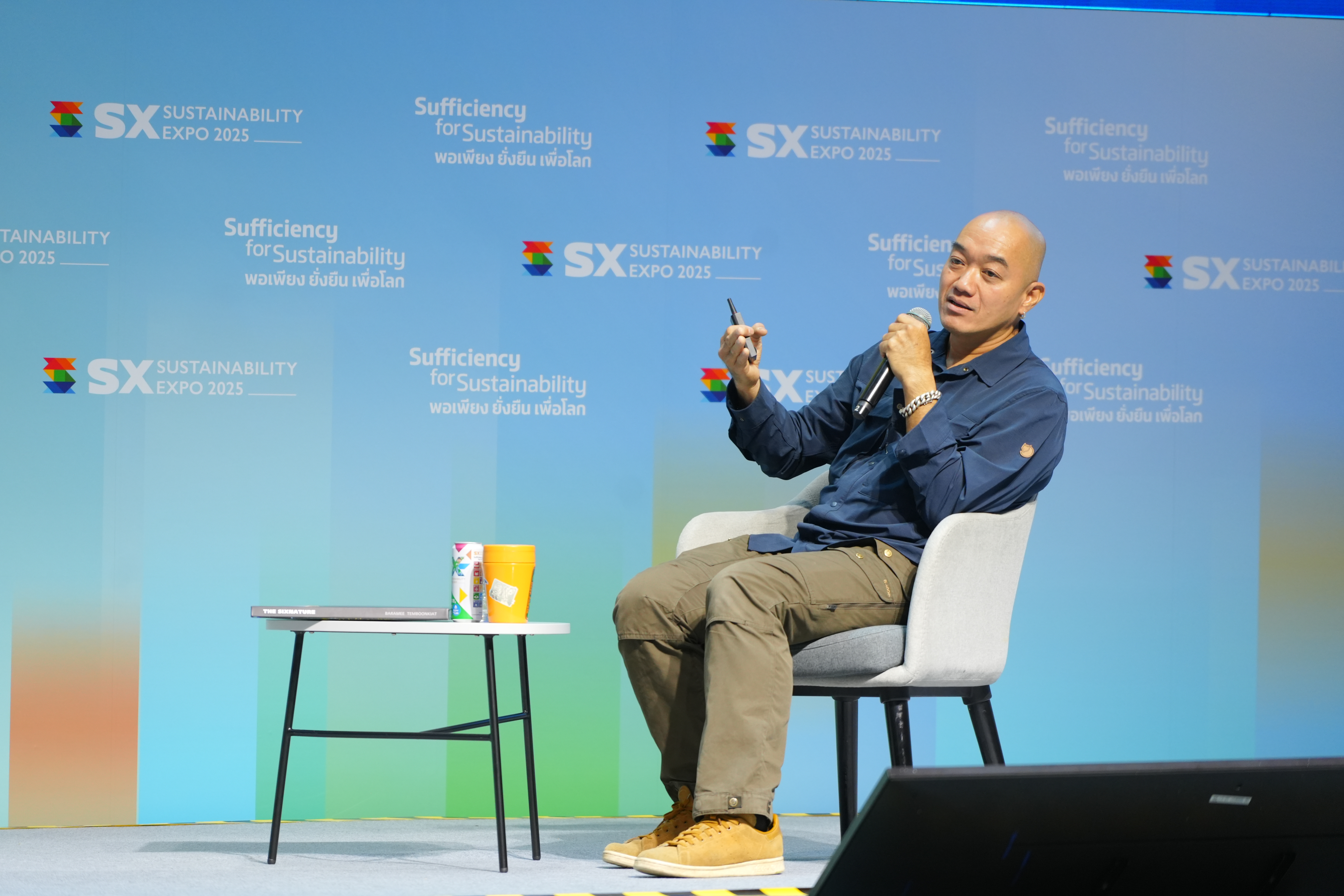
He emphasized that wildlife photographs are not only artistic records, but also serve research in many ways. For example, during the closure of Maya Bay for ecological restoration, photos of young sharks—especially images showing their underbellies—helped scientists determine whether the sharks were born there or had migrated from elsewhere. Such evidence is crucial for studying the life cycles of these rare marine species.
Ultimately, Baramee’s photographs do more than reveal the beauty of wildlife. They expose the fragility beneath, and each frame serves as nature’s call for humanity to recognize its value and protect it. Art, then, is not limited to visual pleasure—it stirs the viewer to rise and become part of the effort to preserve this planet in its beauty and sustainability.