

Want to Live a Long, High-Quality Life? The 6 Pillars of Health Everyone Can Practice, Discussed at the 'Adaptation for Longevity' Seminar at SX2025
Thais now have an average life expectancy of 79 years, a number that is expected to rise. Naturally, everyone wishes to feel younger than their age, age gracefully, and live independently for as long as possible. This has made "Longevity" a major global trend with ever-increasing importance.
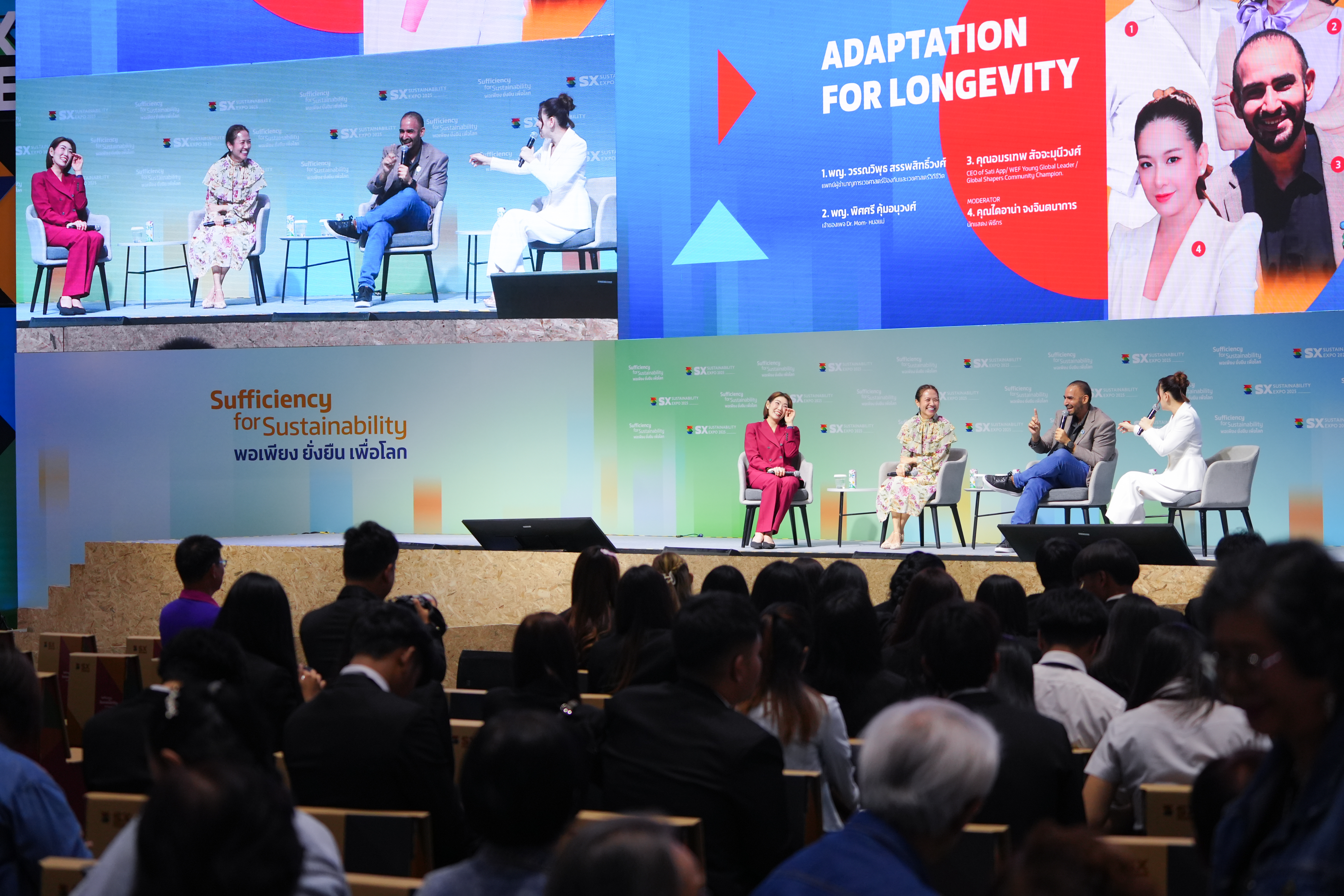
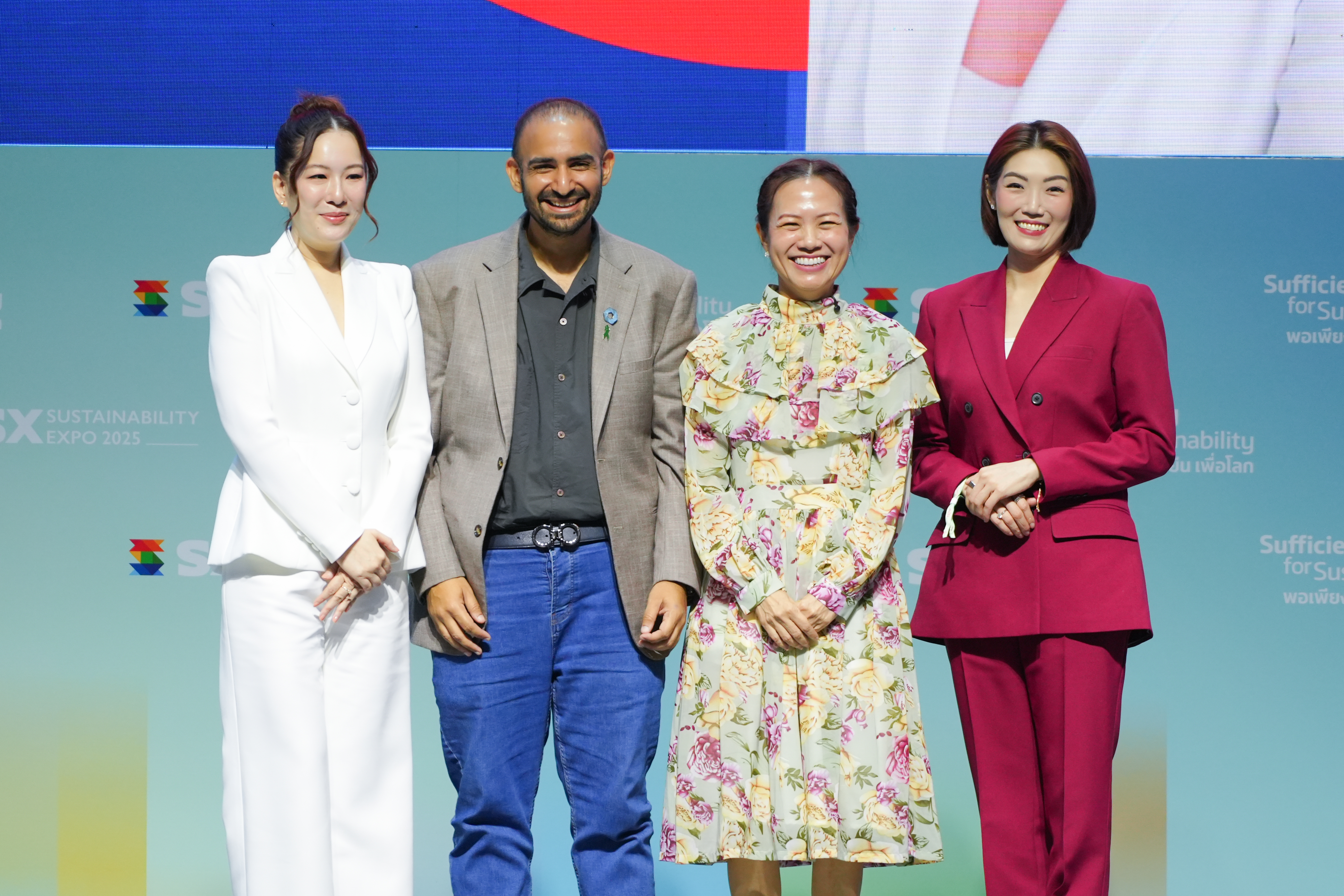
However, many are still unsure what Longevity truly entails, how to begin, or if it requires a hefty price tag. To answer these questions, three renowned gurus shared their insights and valuable tips at the "Adaptation for Longevity" seminar, held recently at the SUSTAINABILITY EXPO 2025 at the Queen Sirikit National Convention Center.
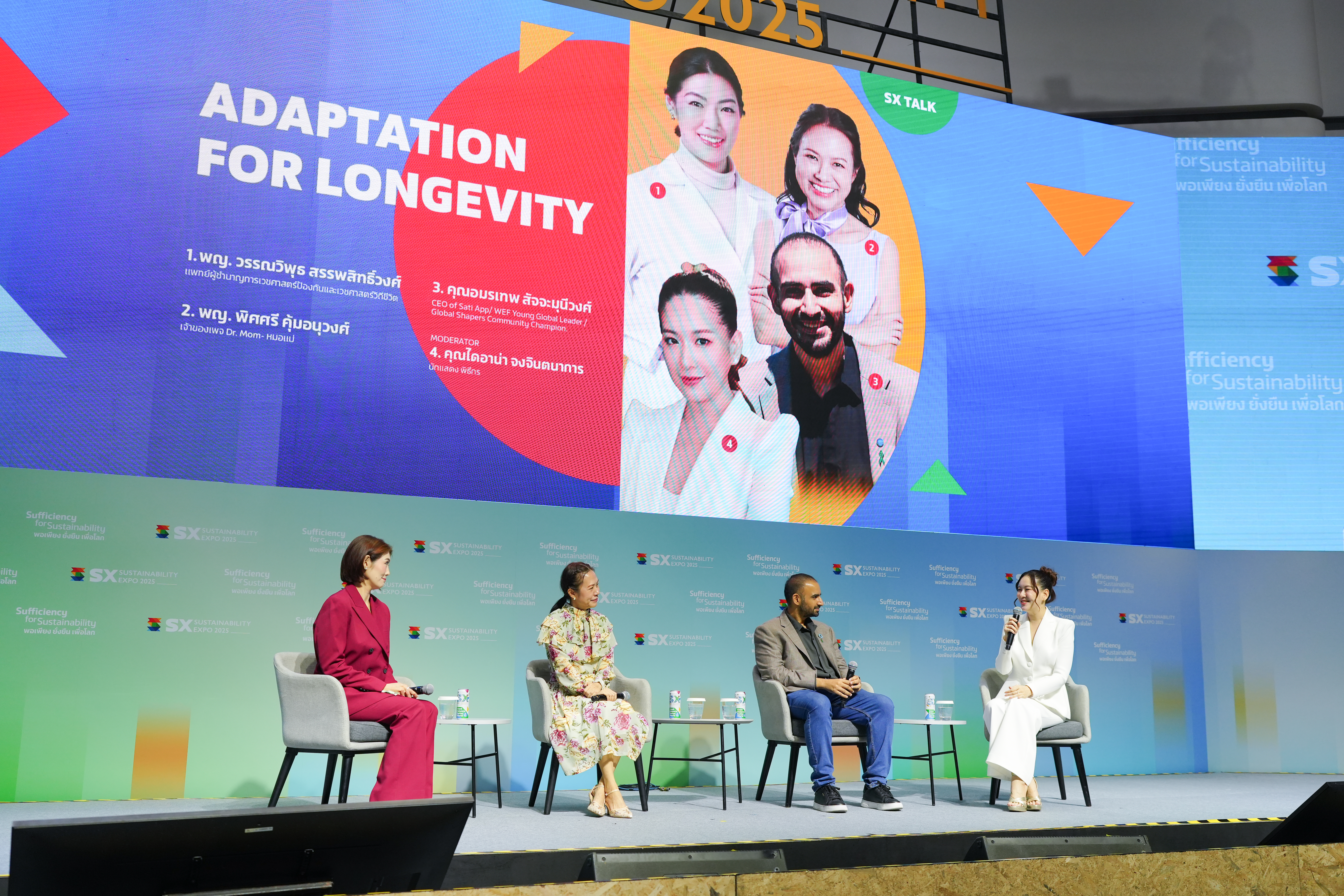
Dr. Wanviput Sanphasitvong (Dr. Fah), a specialist in Preventive and Lifestyle Medicine at Bumrungrad International Hospital, explained that Longevity—living a long life with high physical and mental quality—must begin with a clear personal goal. "If you live to 80 or 100, what kind of life do you want to have? Without a goal, you won't be able to change your lifestyle. The heart of longevity science is maximizing our Healthspan—the period of our lives when we are healthy. It's about being able to take care of yourself, walk freely, travel, and eat the foods you enjoy."
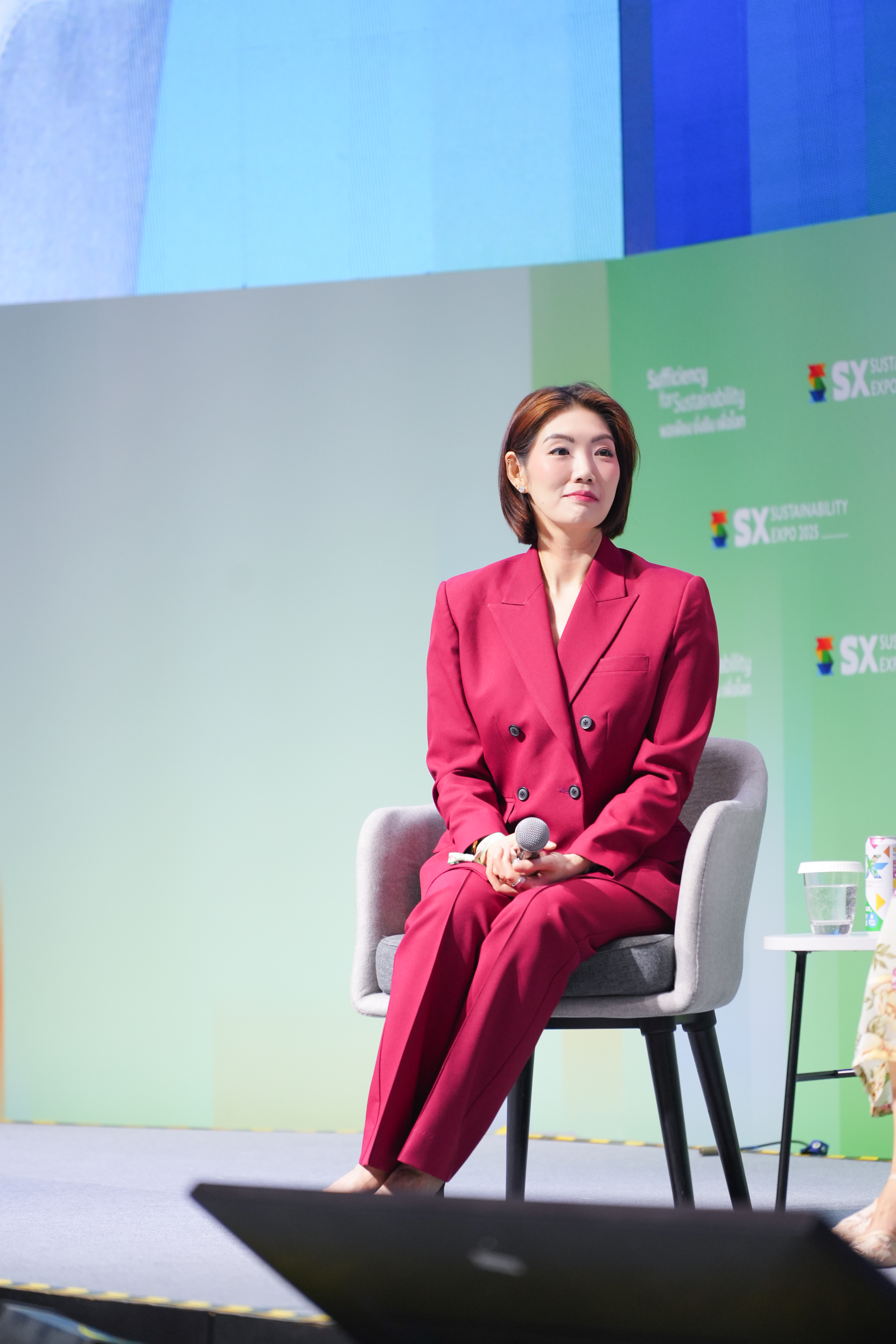
"Healthcare is an investment of time," she continued. "When you're young, your body is strong. But if you neglect your health, the consequences won't appear tomorrow; they'll surface in the next 10 years. Therefore, Longevity is not just for the old. We must start caring for our health from a young age."
Once you have a goal, the first step is self-assessment. How is your health today? How old does your body feel? Someone who is 40 but feels 60 may have underlying issues that need addressing. This leads to the next step: how to care for yourself to feel your age or even younger.
Beyond feelings, physical check-ups are essential to understand your body's condition—weight, body fat percentage, blood pressure, and blood sugar levels. Dr. Fah emphasized that the first step is not taking supplements, getting injections, or taking ice baths, but rather making lifestyle changes based on the Six Pillars of Lifestyle Medicine:
-
Sleep
-
Nutrition
-
Exercise
-
Stress Management
-
Social Interaction
-
Avoiding Toxins and Hazardous Substances
Dr. Fah offered a concluding thought: "Every disease stems from a lack of personal sufficiency. We eat too much, or when it's time to sleep, we choose to do other things. We over-exercise to the point of illness or indulge in emotions to the point of losing mindfulness. All of this harms us and impacts the world. So, if you want to live a long life, ask yourself: what is one thing I want to change today to ensure that long life is a high-quality one?"
Nurturing a Resilient Mind
Mental health cannot be overlooked. According to the Thai Health Report 2025, a collaboration between the Thai Health Promotion Foundation (ThaiHealth) and Mahidol University's Institute for Population and Social Research, 13.4 million Thais have experienced mental health problems, while the suicide rate has been steadily increasing over the past decade. Youth aged 15-29 face high levels of stress, anxiety, and depression, driven by academic pressure, social media (Fear of Missing Out: FOMO), family violence, and societal expectations—all enemies of Longevity. Meanwhile, the pre-elderly group (45–59 years) reports the lowest levels of happiness, reflecting emotional vulnerability during this life transition.
Dr. Pitsri Kuamanuwong (Dr. Mae), owner of the popular "Dr.Mom" page, stressed the importance of good relationships. "If you follow my page, you'll see I often talk about the mother-child relationship. Good relationships make us want to live longer, without becoming a burden to those we love. We must take care of our mental health; less stress means less illness."
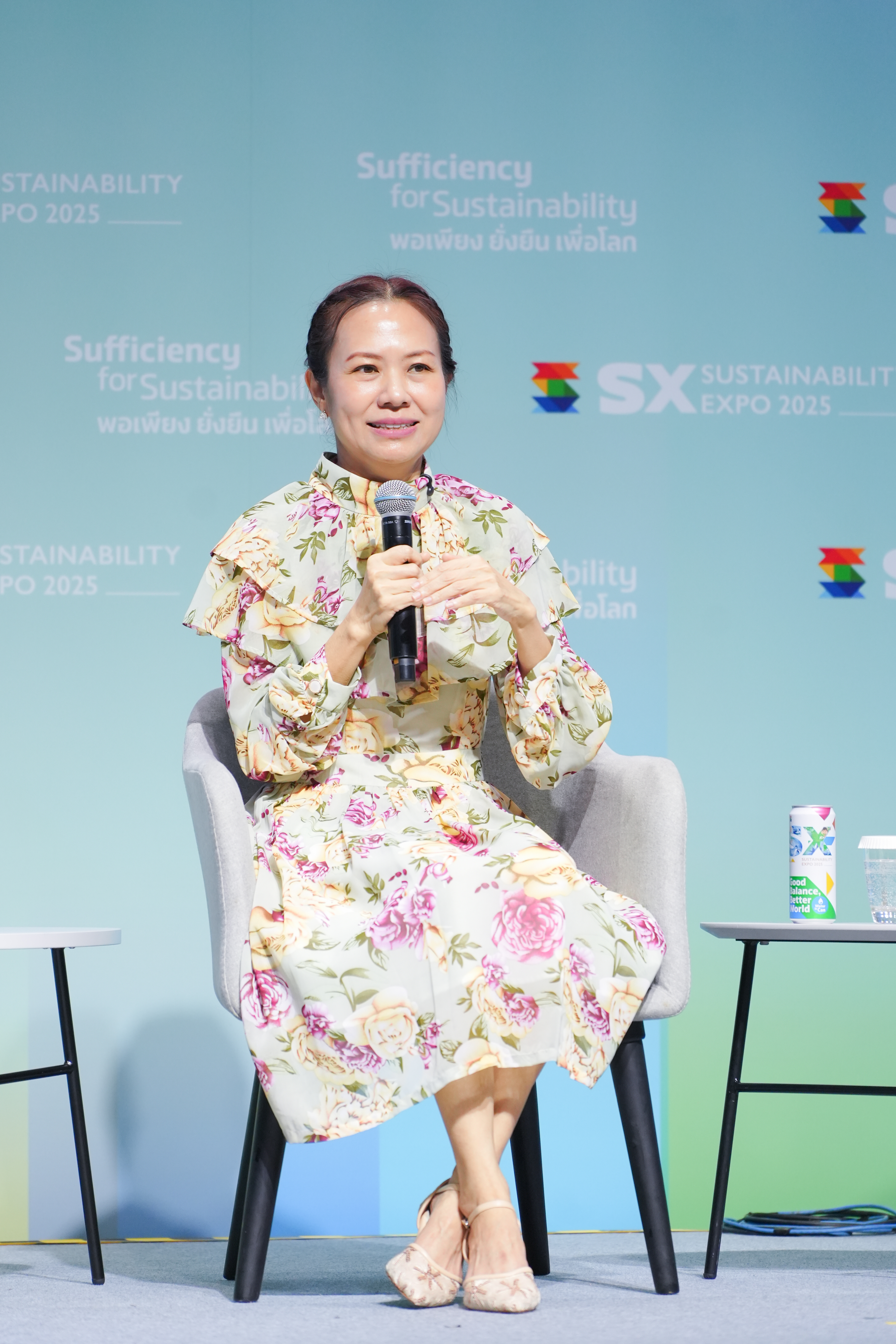
"When you encounter a toxic situation, you must find a way out. If you can't, then you must accept it and adapt as best you can. It might be harder to detoxify when you're young, but it gets easier with age. You don't know if you'll wake up tomorrow, so your time is too precious to waste on negativity. The sense that time is running out makes it easier to let go."
Dr. Mae added, "Ultimately, we all grow old. I want everyone to take responsibility for their own lives. Whether you are a mother or a child, the person you want to be when you're older is shaped by what you do today. You must care for both your physical and mental well-being."
Amornthep Sachamuneewongse, CEO of Sati App, a platform that serves as a non-judgmental and safe space for mental health support, offered his perspective. "On an individual level, we must look at each person's Self-resiliency, or psychological flexibility. Our minds are sensitive and can easily drift towards negativity. How do we pull them back to the center? Or on a day we feel very happy, how do we cope if that feeling fades? No matter where your mind goes, you must guide it back to a neutral point. This is something you can and must do for yourself."
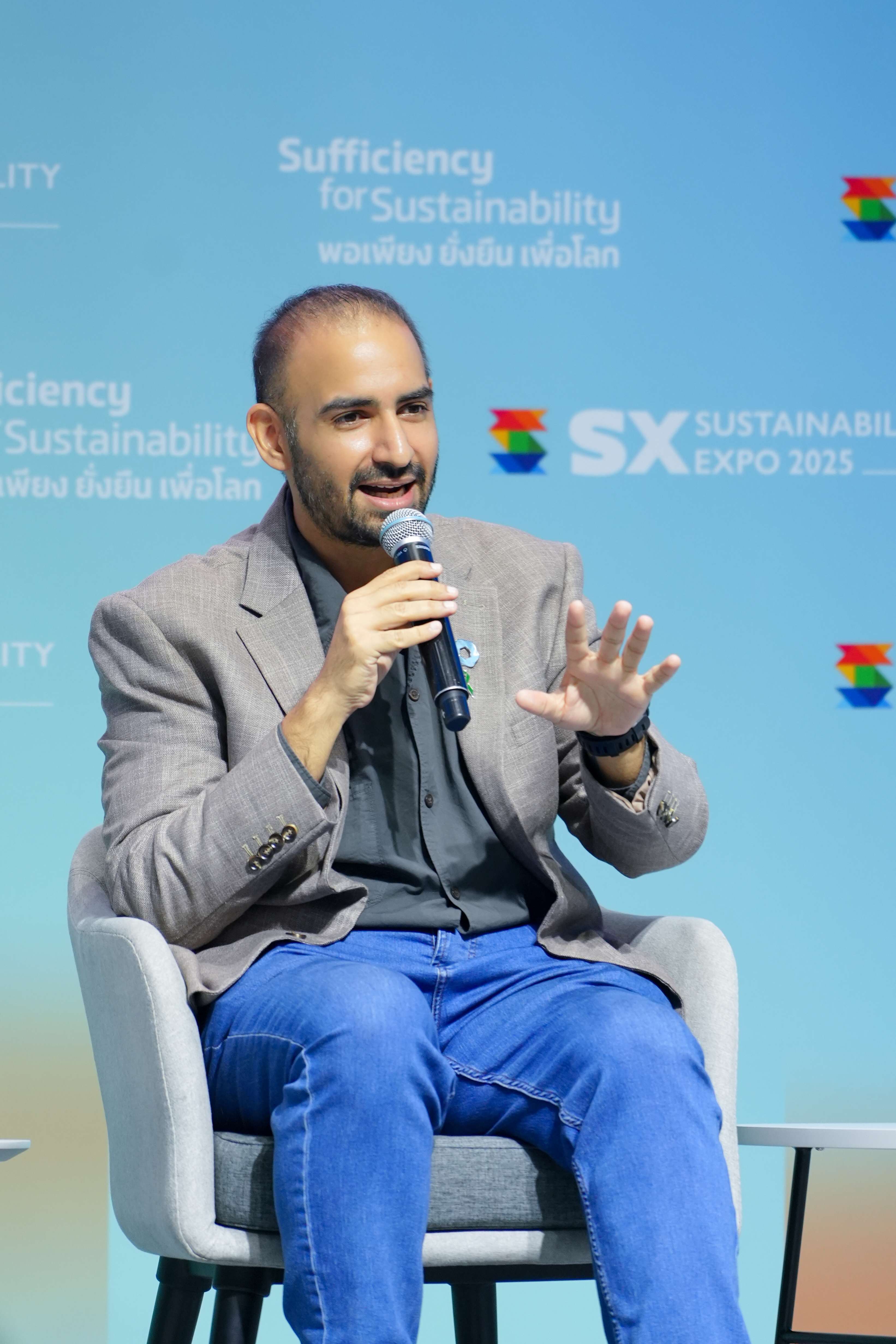
Structurally, a supportive mental health ecosystem is key. "If hope is lost today, it's not just lost for you, but for everything around you. But if the ecosystem constantly provides hope, it will energize people and make them want to keep living."
"The best thing we can do for our psychological flexibility is to first acknowledge and name our emotions. Some people feel something but can't identify it. If you can't understand the emotion, try to link it to its physical manifestation. For some, anger means clenching their fists. For others, anxiety means their legs start shaking. By recognizing these physical cues, you can use mindfulness to intervene. The first step is to be aware of your emotions and your body."
"Carrying a heavy burden is like carrying a heavy object; when you put it down, you feel lighter. Even if you don't forget the negative experience, you no longer give it the power to harm you in the future."

Amornthep also warned against "Toxic Positivity." "Managing your emotions doesn't mean being so positive that it becomes negative. It's about staying grounded in reality. Floating above all your problems will eventually harm your mental health."
"The solutions of today should not become the problems of tomorrow for ourselves or others. Everything must start with you. Life is like a marathon. Run at a steady pace, and you'll run for a long time."
Stay updated on sustainability trends in all dimensions to keep pace with a rapidly changing world. Visit the IDEA LAB at Sustainability Expo 2025 (SX2025) from now until October 5, 2025, from 10:00 AM to 8:00 PM at the Queen Sirikit National Convention Center (QSNCC).