

From Nature to Waste Materials: Turning Inspiration into Creativity and Sustainability
Nature is not only a source of resources but also a vital inspiration that drives creativity and sustainable transformation. Sustainability may sound abstract, but when conveyed through art, crafts, and design using natural and leftover materials, it becomes tangible, relatable, and a pathway to both personal learning and change.
At the Sustainability Expo 2025 (SX2025), this approach came to life in the SX IDEA LAB zone—designed for participants to learn by doing. The activities highlighted how natural and waste materials could serve as mediums for the idea “Sufficiency for Sustainability”—showing that sustainability begins with our own two hands.
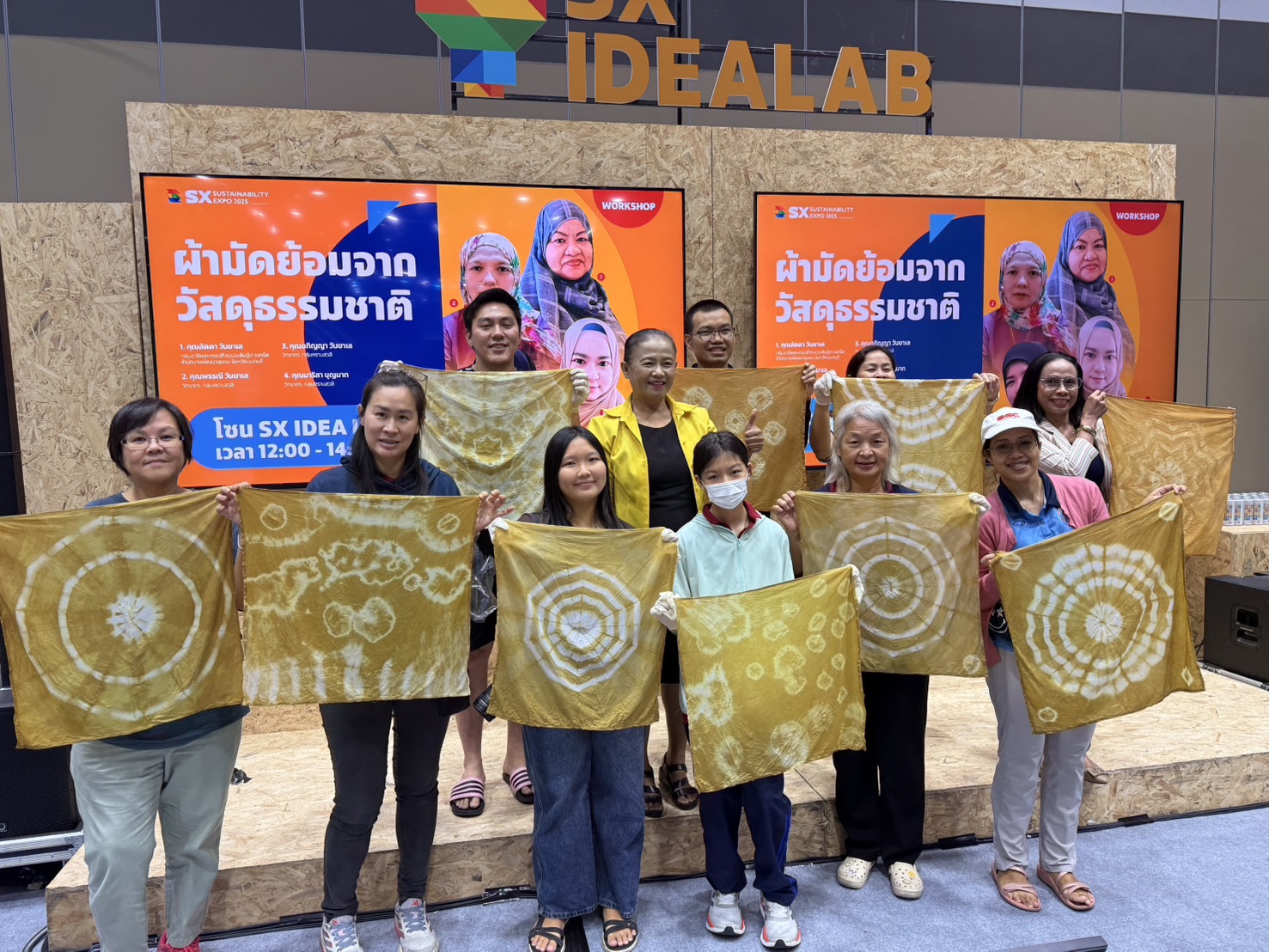
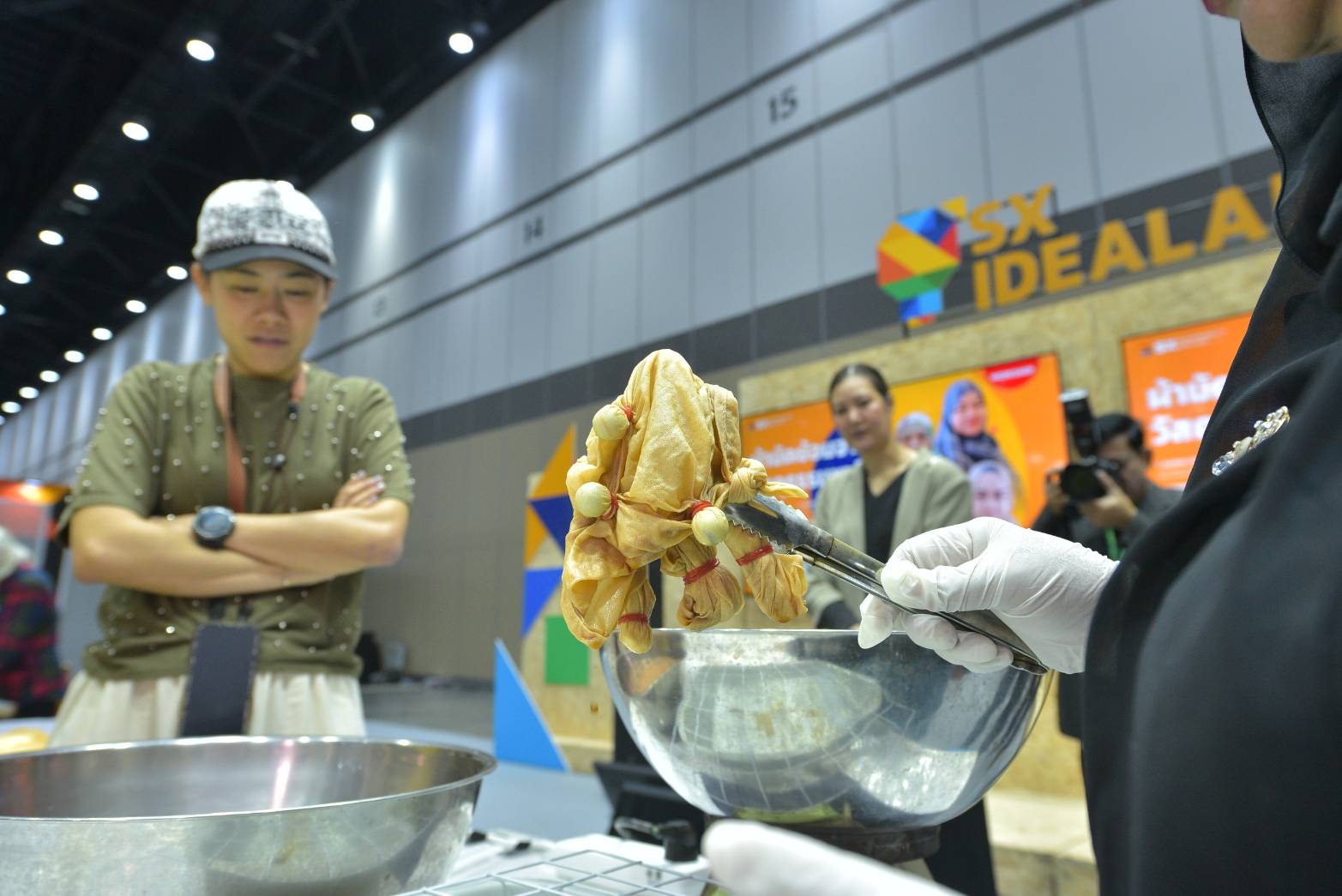
The journey started with an introduction to the wisdom of cold indigo dyeing, presented by the Koh Kret Handicraft Cooperative (Nonthaburi Community Development Office) and the Kram Sawalee Group.
Participants shared that experimenting with natural dyes such as lac and sappanwood was an eye-opening experience. It revealed not only creativity but also patience, attention to detail, and careful observation—deepening respect and understanding of nature.
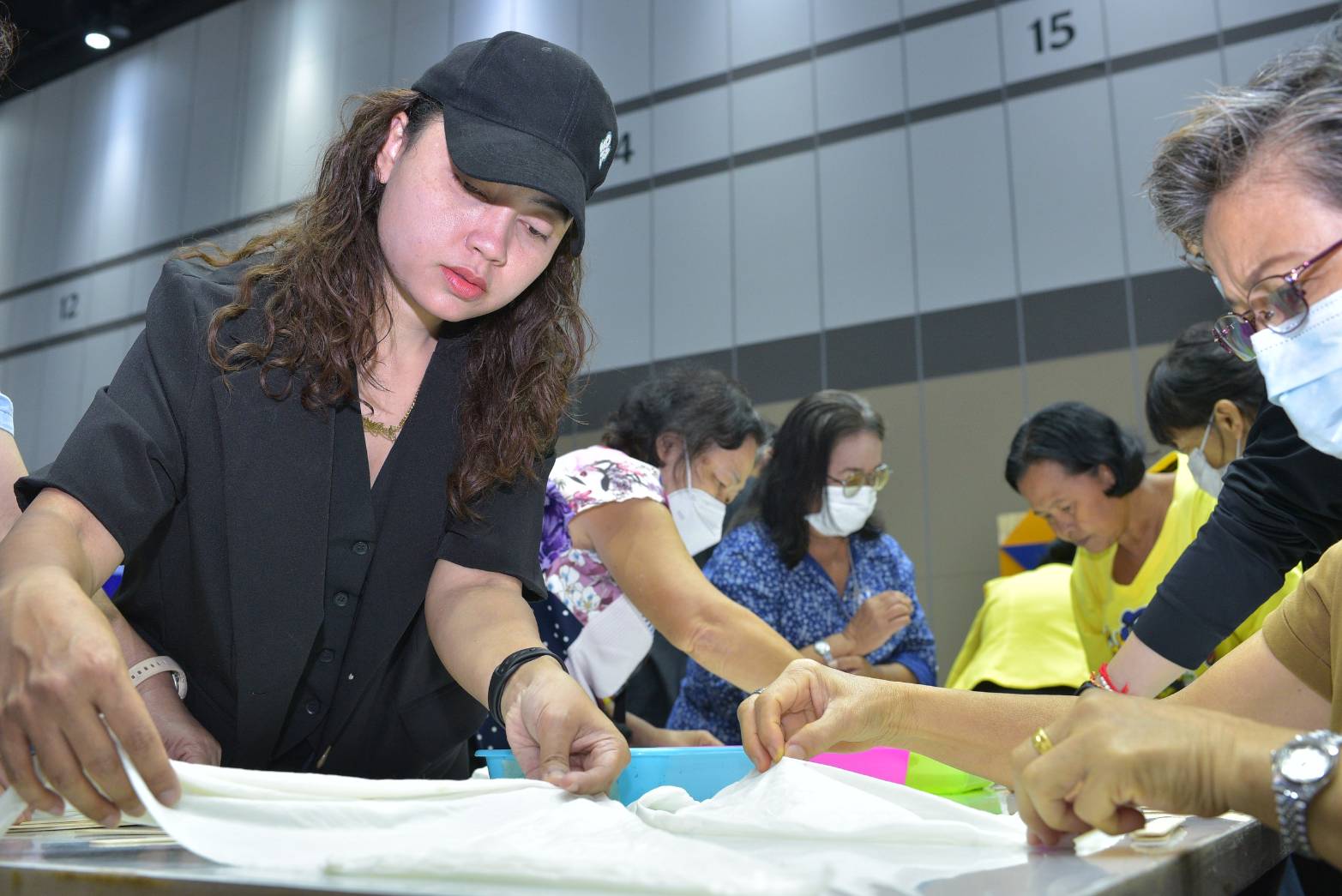
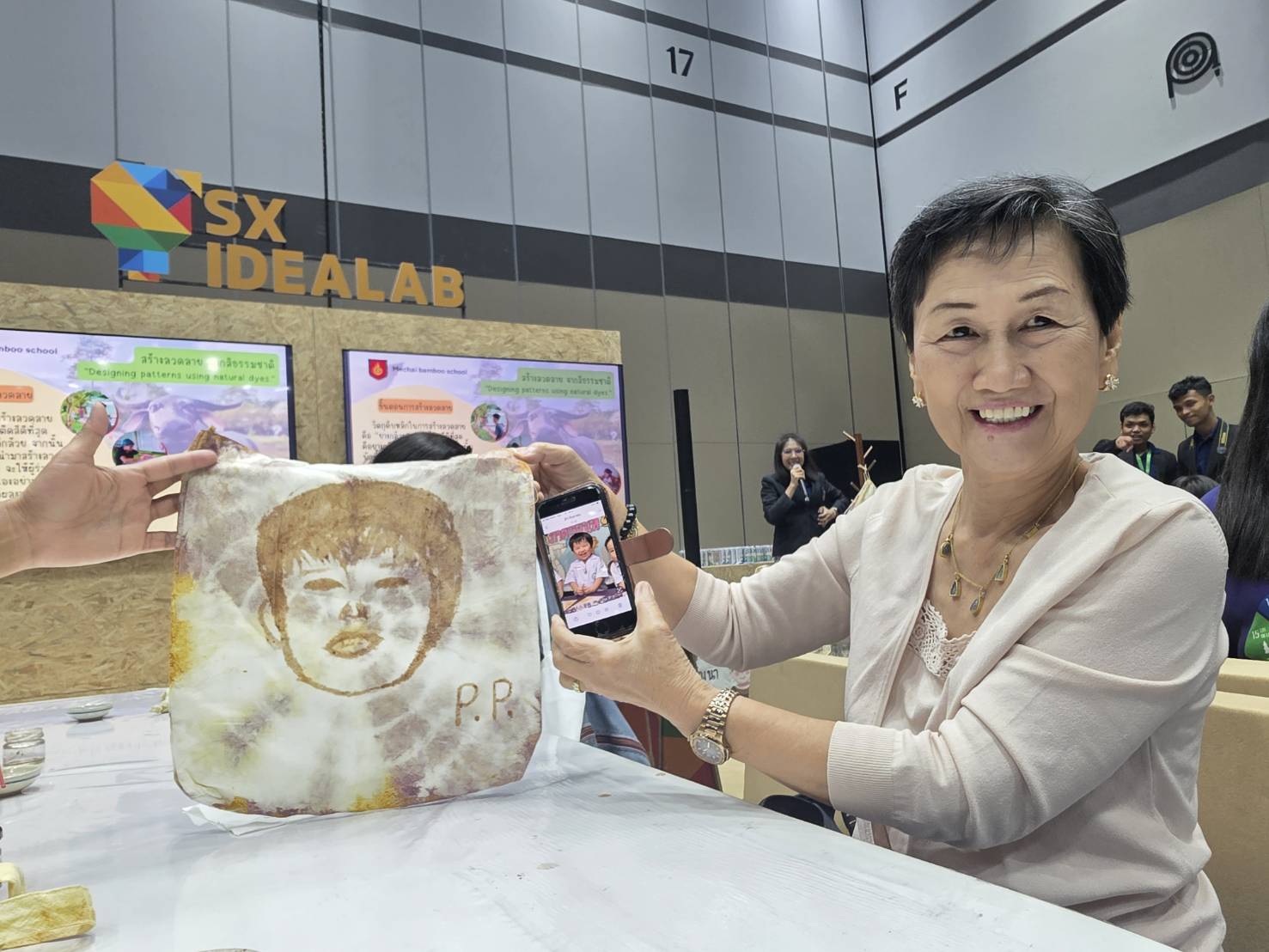
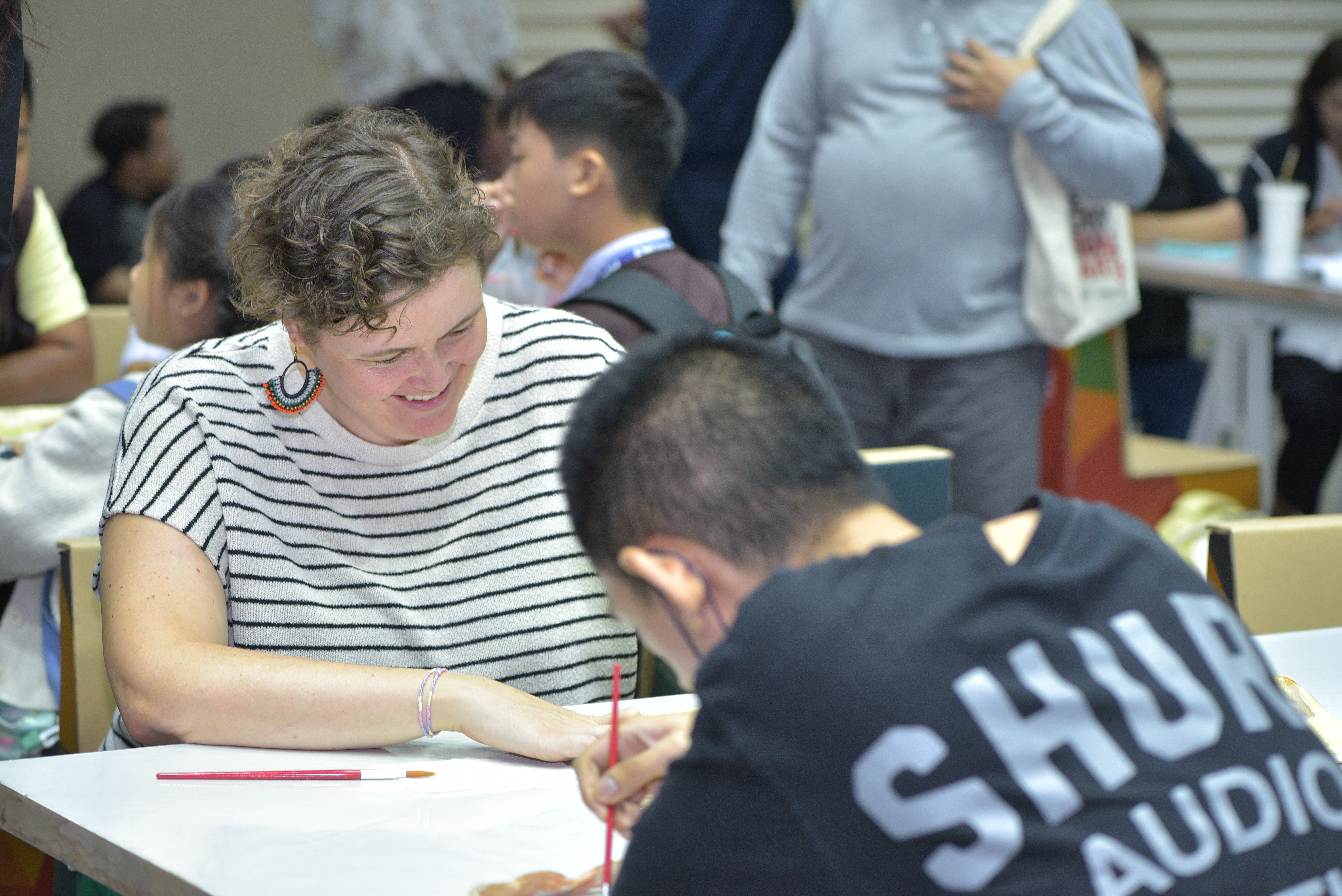
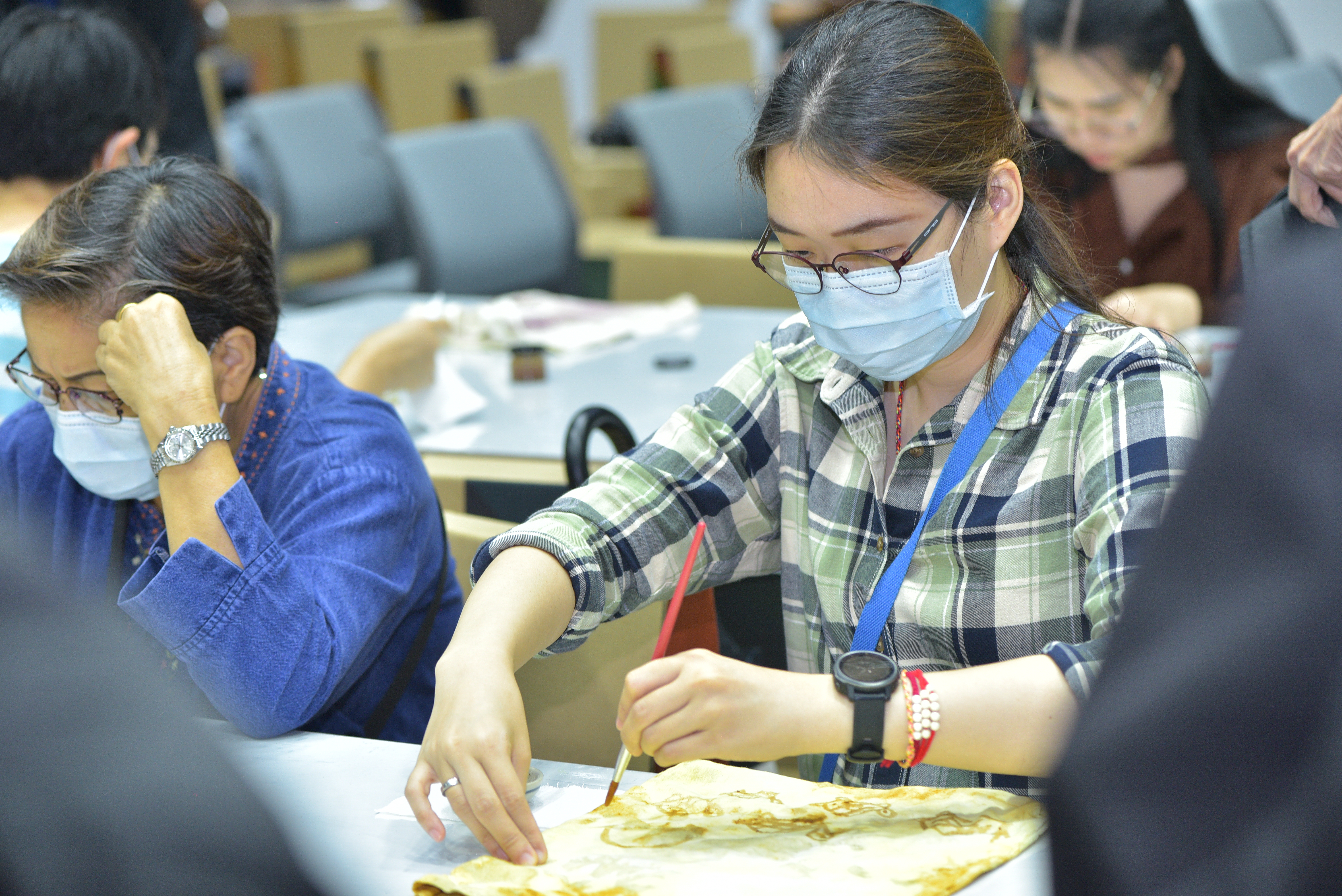
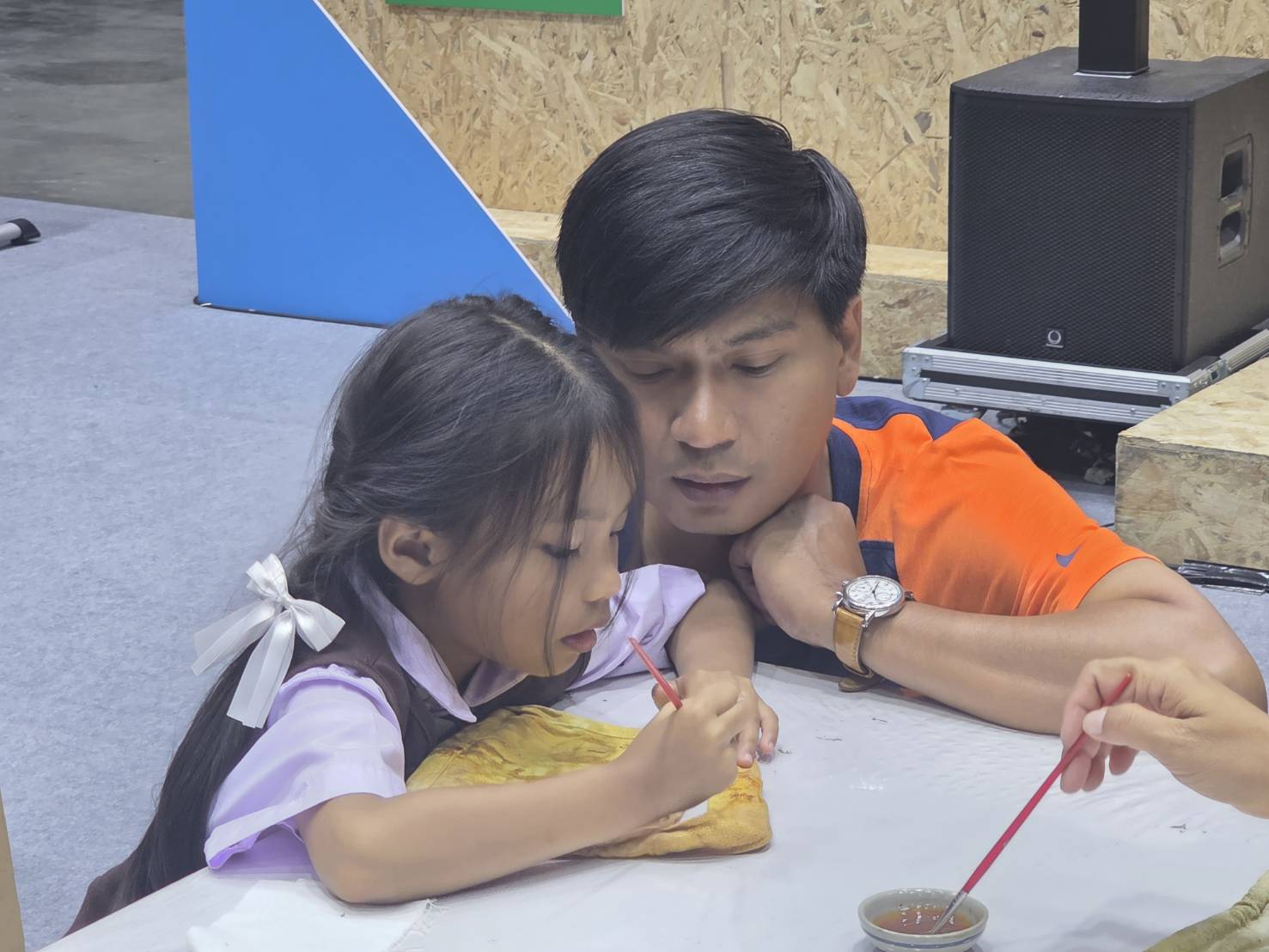
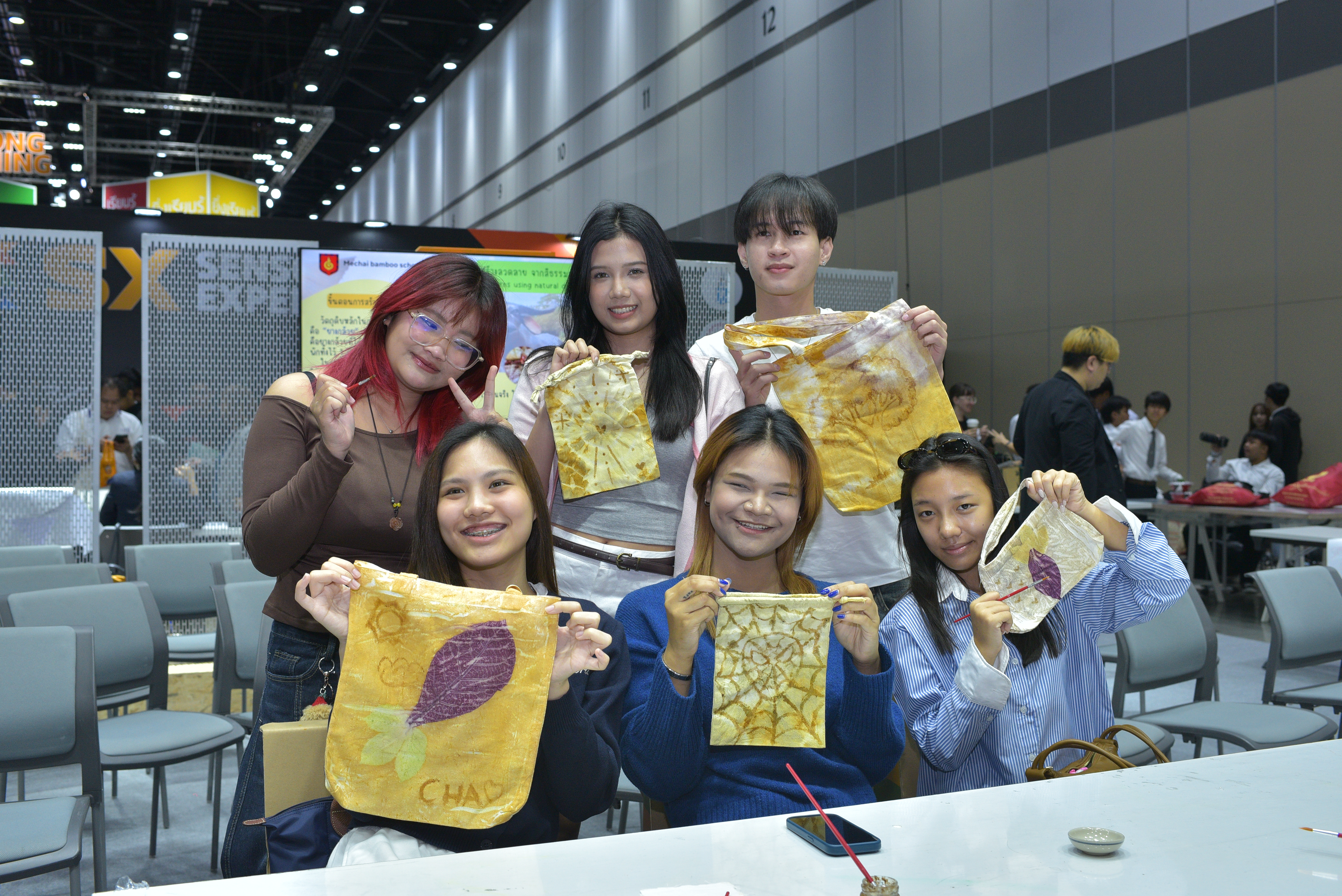
From natural indigo, the idea expanded into “Creating Patterns with Natural Dyes.” Local resources such as bamboo leaves, coconut husks, eucalyptus bark, and teak leaves were used with eco-printing techniques and drawings made with banana sap, producing a distinctive brown tone. Using simple tools like lime, vinegar, and brushes, the activity demonstrated that sustainability can emerge from valuing everyday resources—without relying on complex machinery or outside inputs.
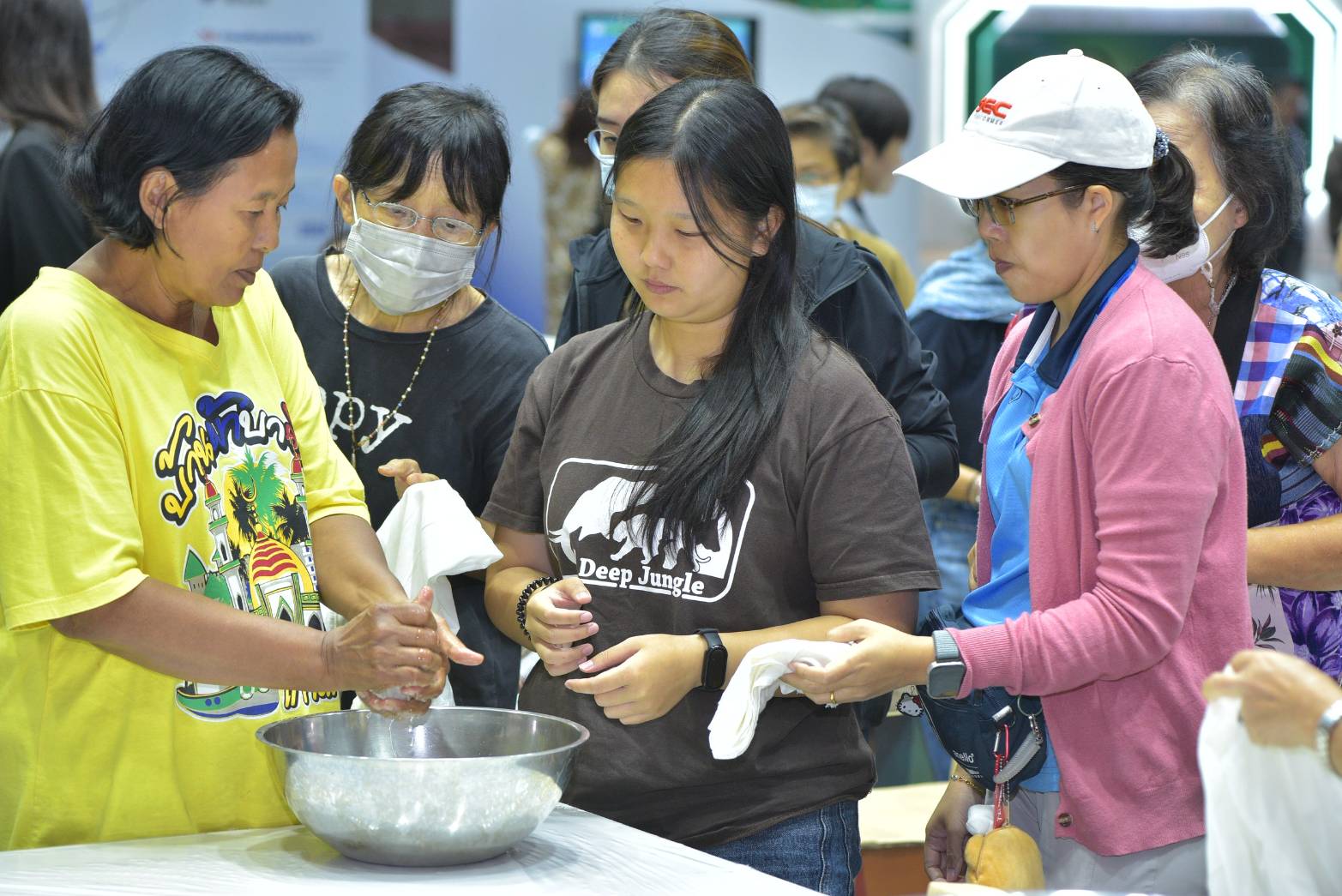
Guided by Ms. Sumintya Jue-Ngern and her students from Mechai Pattana School, participants observed, experimented, and created their own works—learning to merge local wisdom with life skills. Her words summed it up: “Nature-inspired art is not just a technique, but it teaches us to see value in the small things around us.”
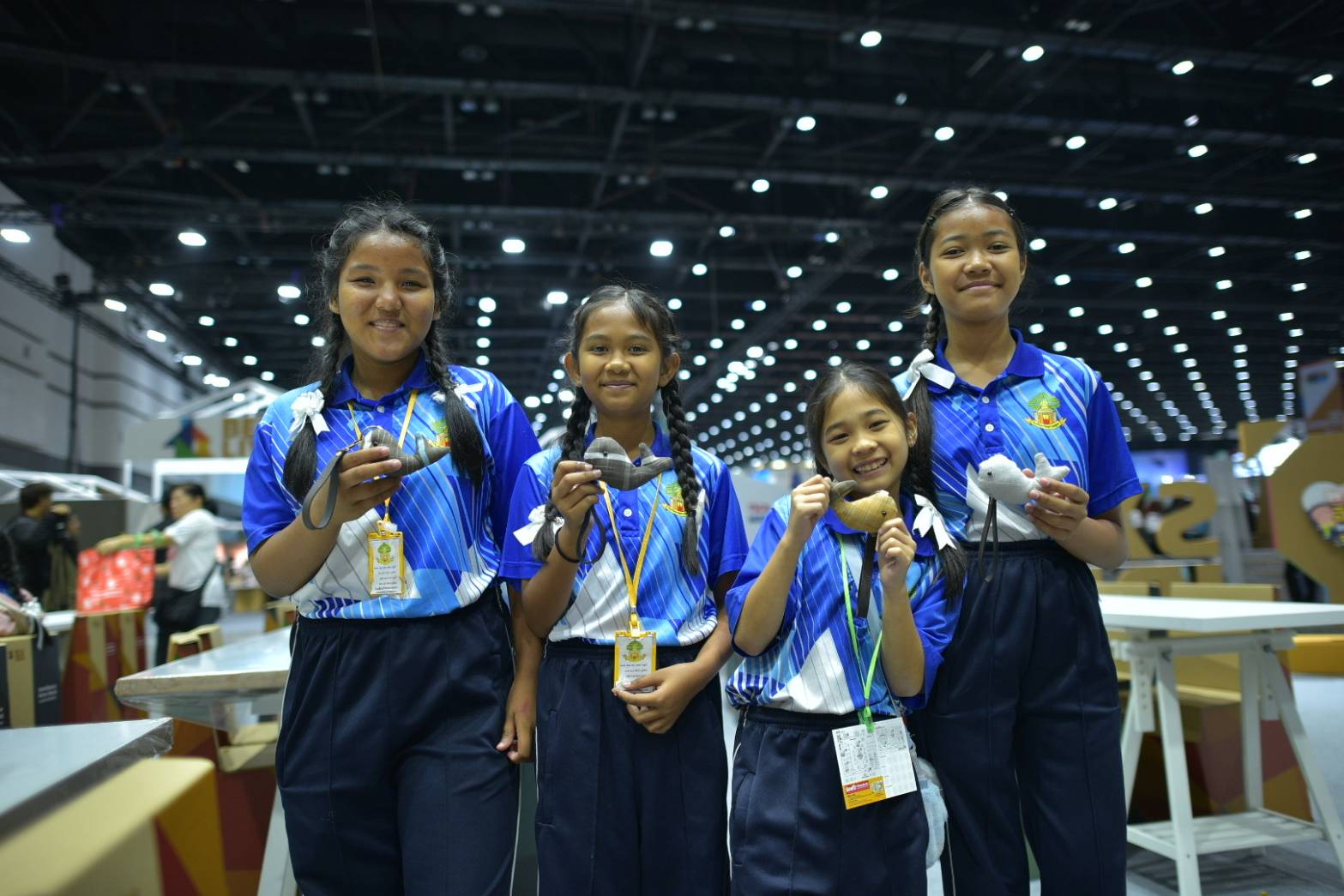
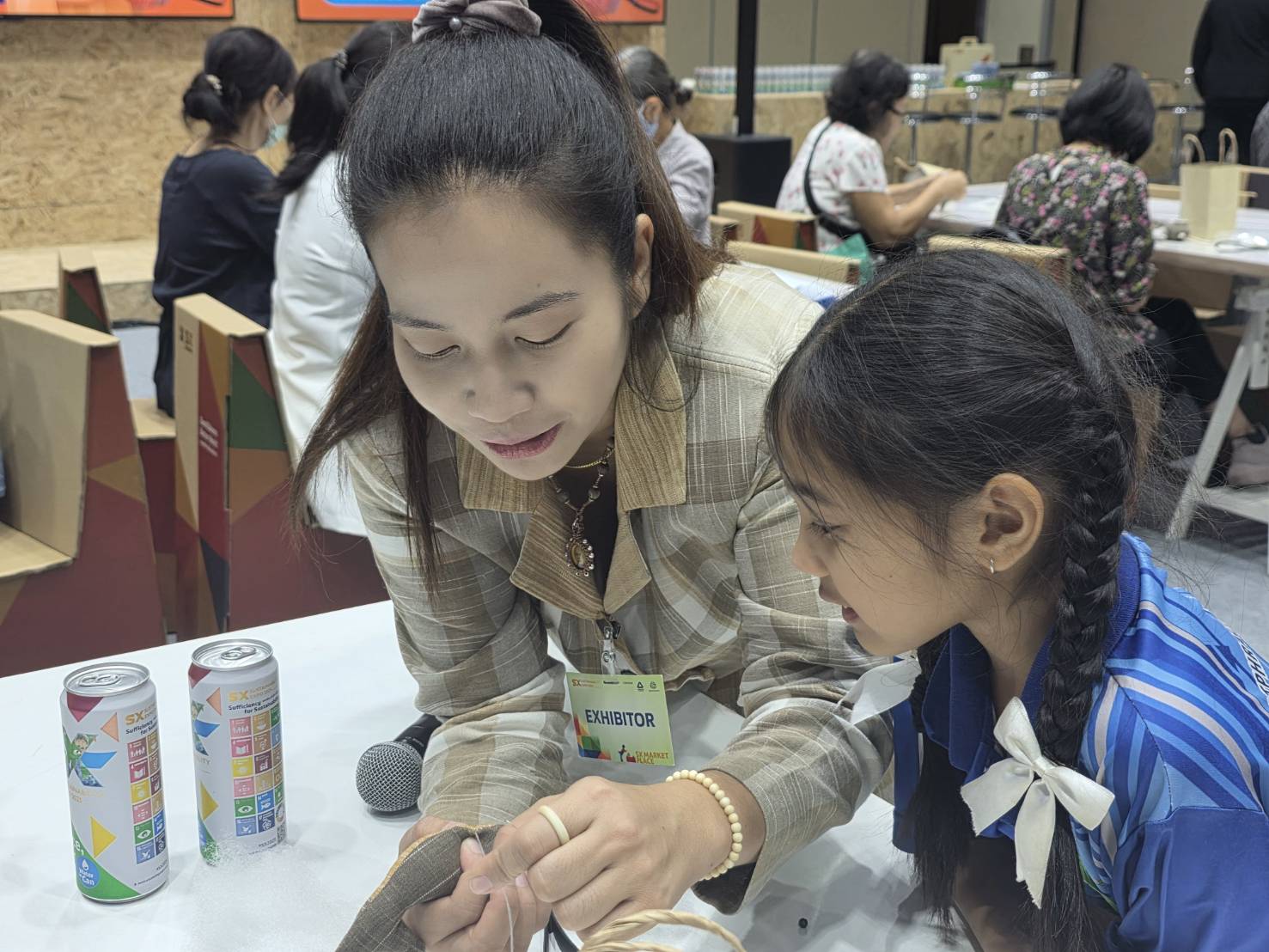
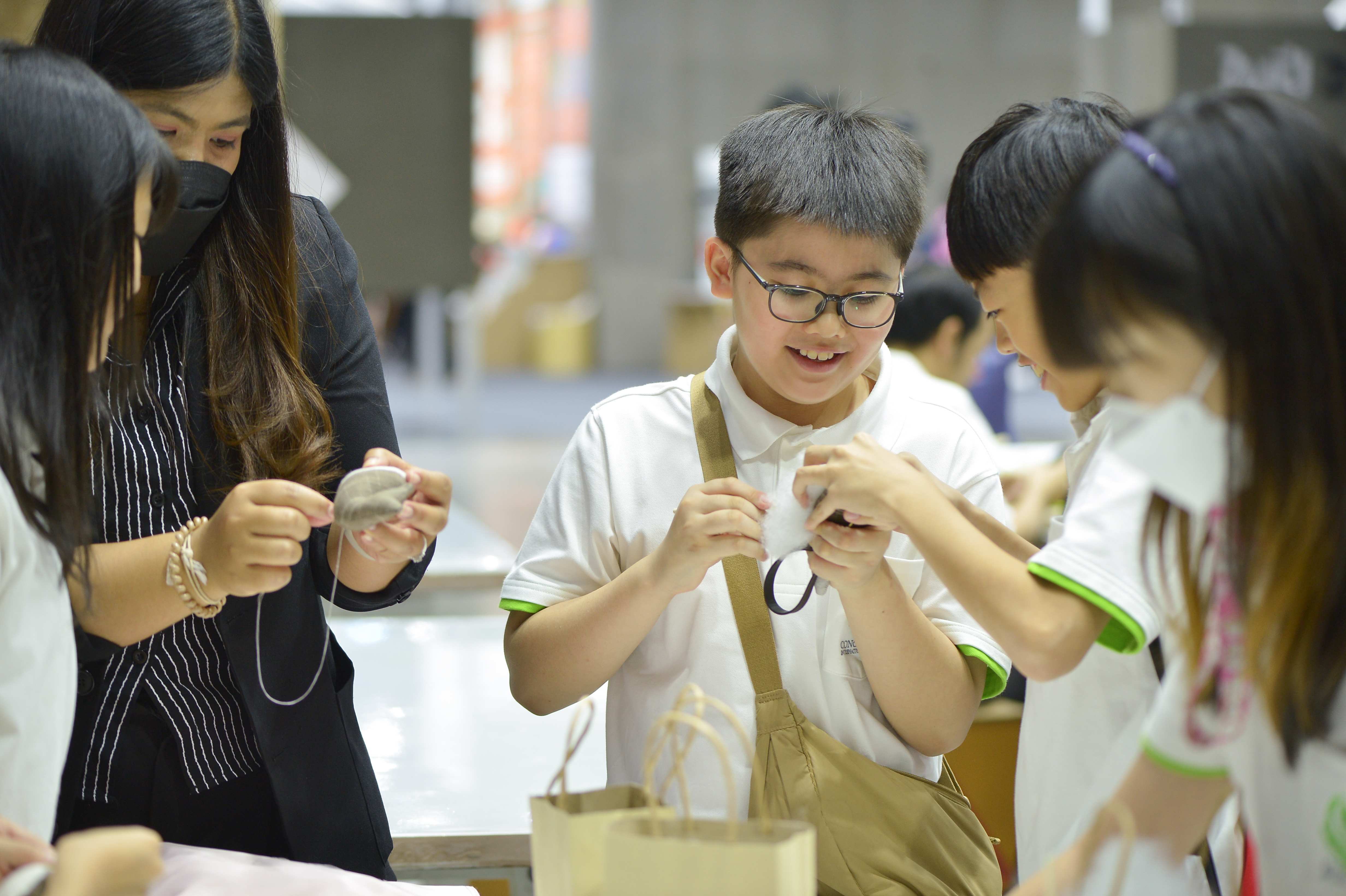
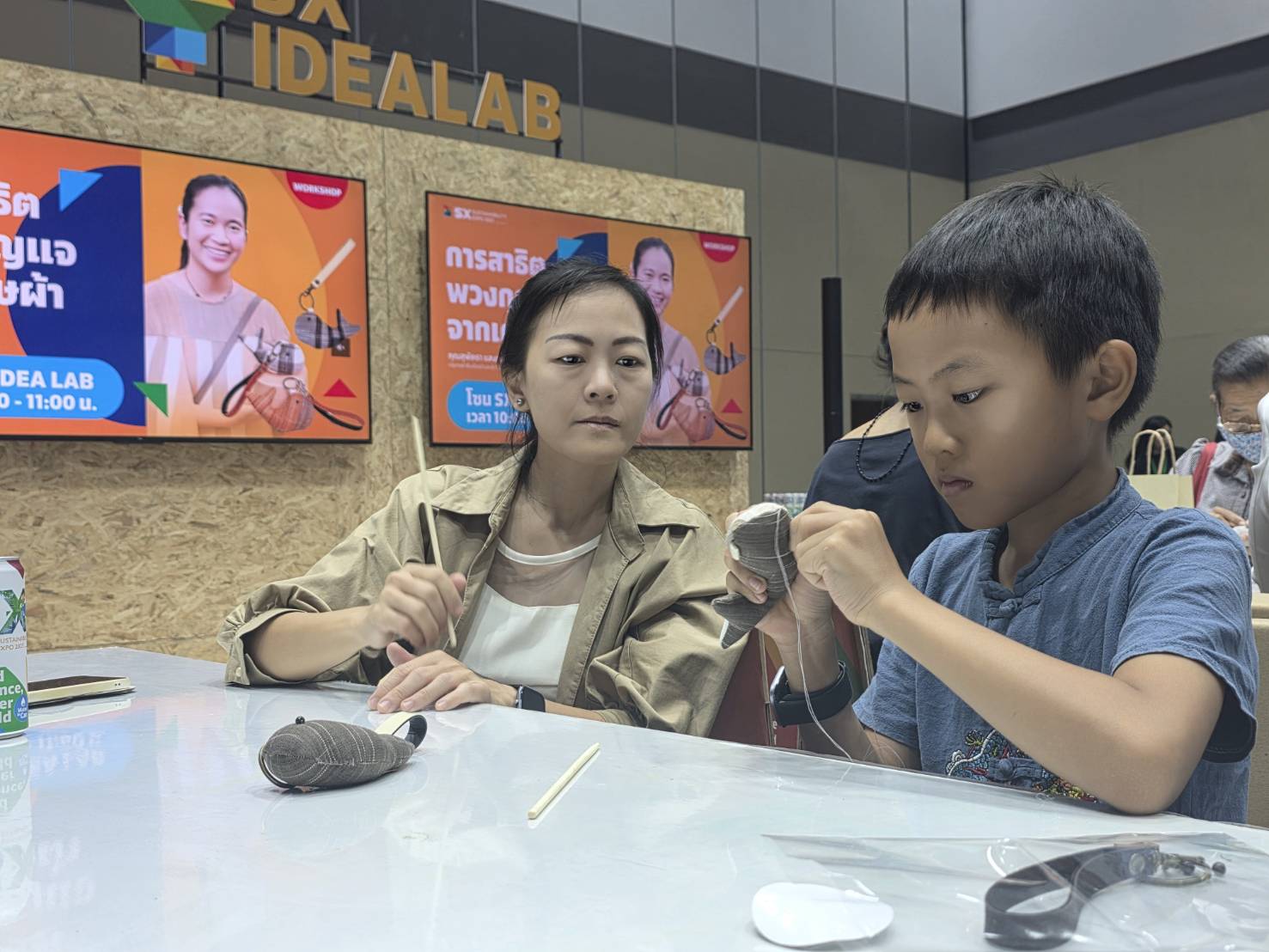
To further emphasize the Zero Waste approach, the next workshop, “Keychain Demonstration from Fabric Scraps,” was led by Ms. Supattra Saengkongmee from the Ban Sa-ngo Handwoven Textile Group in Bueng Kan Province. She introduced ways of repurposing fabric scraps left over from weaving and tailoring—natural fibers crafted with local wisdom—into adorable whale-shaped keychains. This not only reduced waste but also reimagined the cultural value of traditional fabrics in modern design, with each piece reflecting the unique patterns of its original material.
Ms. Sutthinan Phamornsutthi, one of the participants, brought her young son, Panaveer Kongwongwanit, to join. Having enjoyed previous SX IDEA LAB activities, she intentionally registered for this workshop. She later shared how inspiring it was to see fabric scraps transformed into functional items, and to discover natural dyeing techniques using ingredients like ancient fruit trees and wild rose apples—materials she had never known before.
All three workshops carried the same essence: using natural materials as tools for learning, creativity, and transformation. Participants experienced processes that required time, patience, and care—deepening their appreciation for craftsmanship and the relationship between humans and nature. Together, they reflected sustainability across environmental, economic, and social dimensions: through non-toxic materials, income generation from local wisdom, and the preservation of community knowledge.
The results went beyond the handmade products themselves. They transformed perspectives and behaviors for the long term. When nature becomes the inspiration and we create with our own two hands, sustainability is no longer distant—it becomes a part of everyday life.