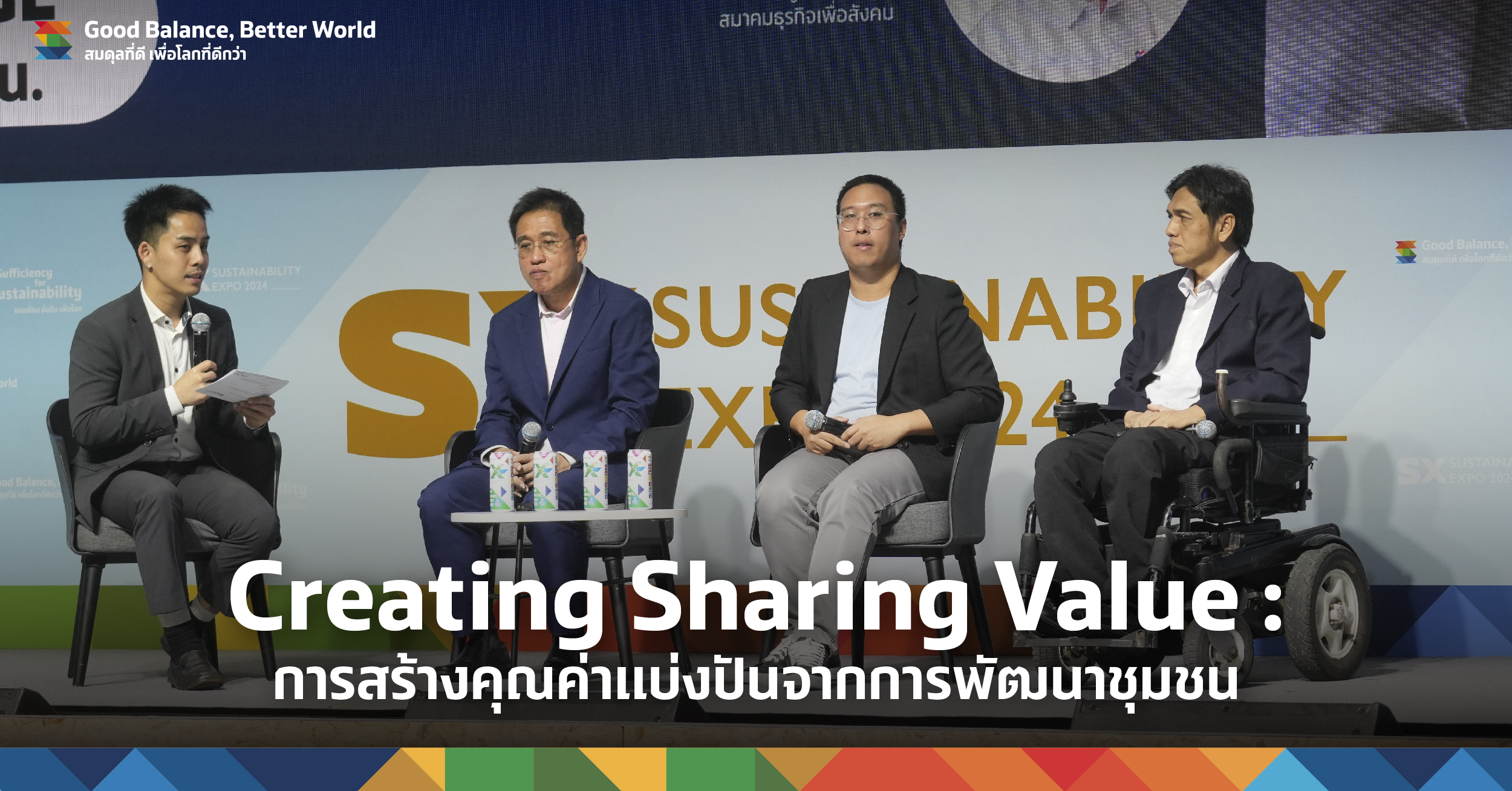


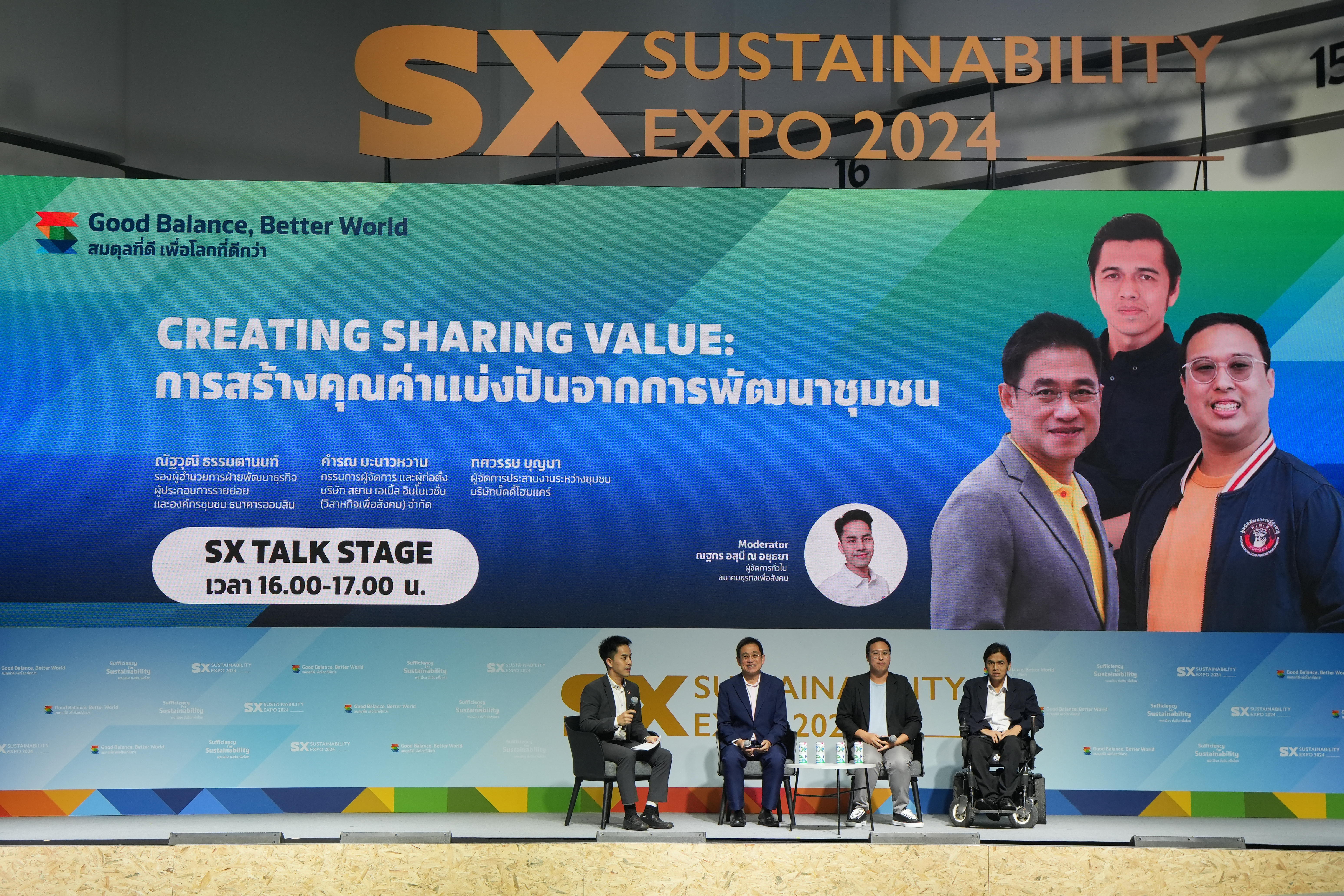
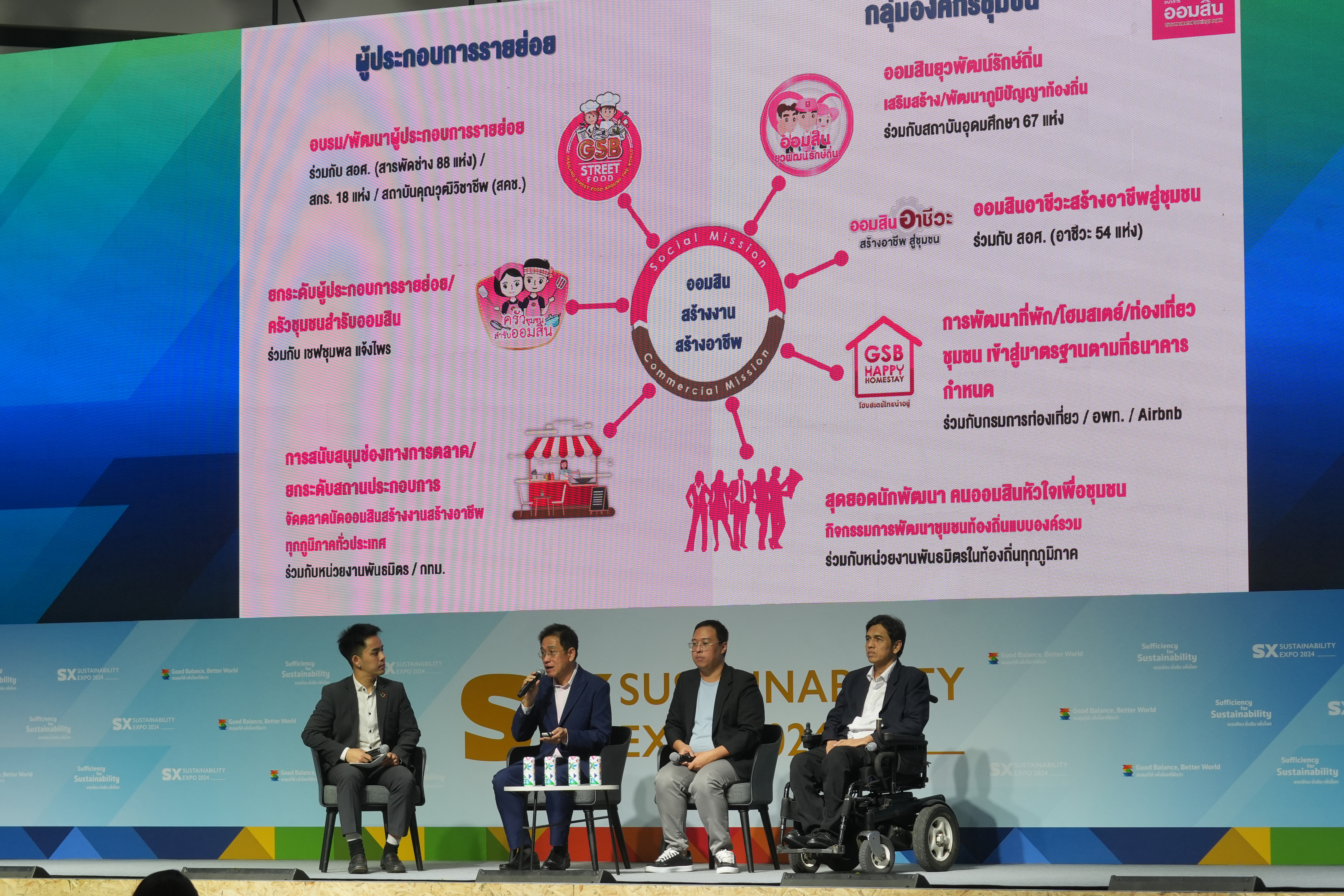
At the SX Talk Stage, under the theme “Creating Shared Value: Empowering Communities Through Inclusive Development”, three leading social innovators shared their experiences:
-
Mr. Natthawut Thammatanon, Deputy Director of Micro‑Entrepreneur & Community Organization Development at Government Savings Bank (GSB)
-
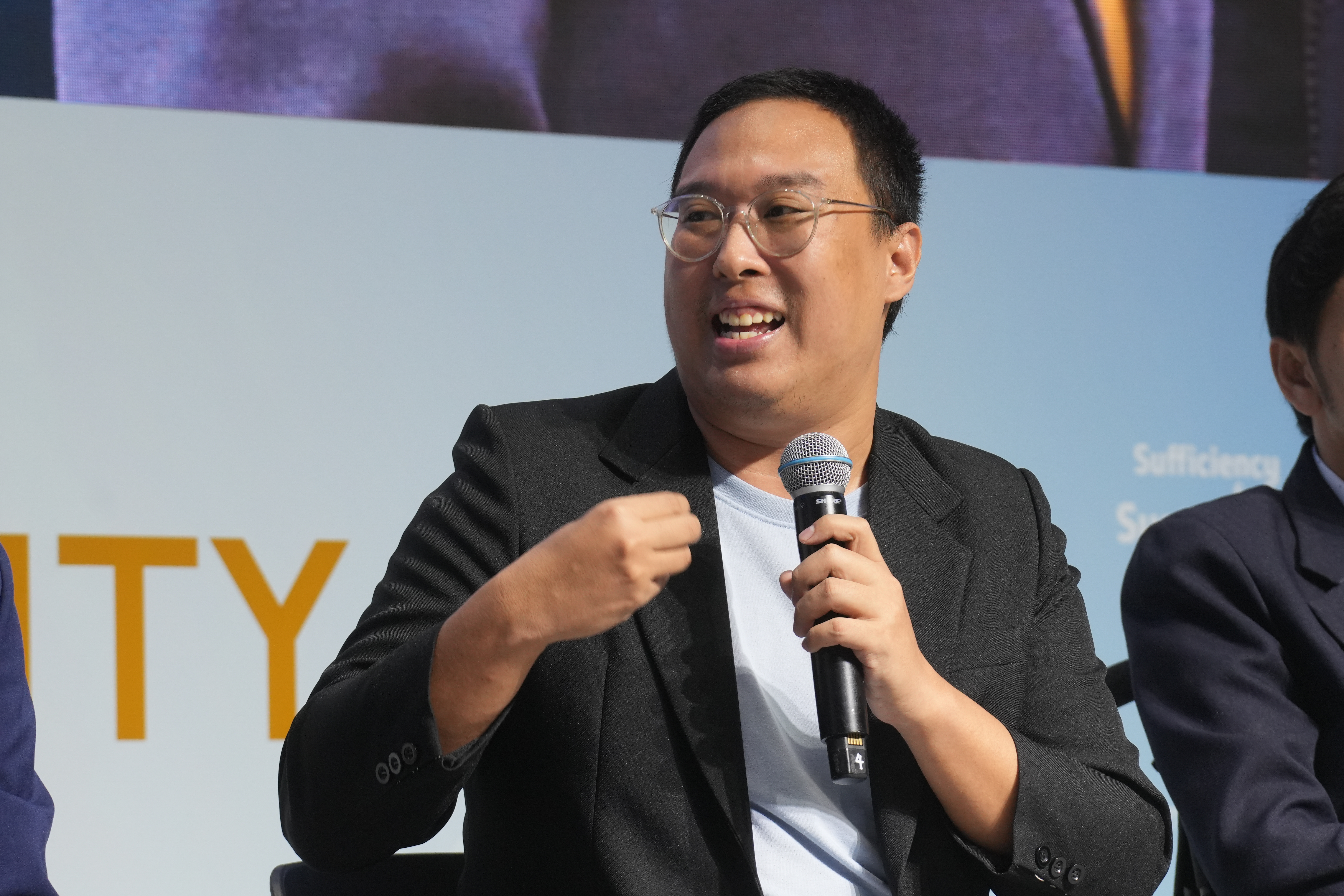
Mr. Kamron Manowwan, Managing Director and Founder of Siam Able Innovation Co., Ltd. (a social enterprise)
-
Mr. Tossawat Boonma, Community Liaison Manager, Buddy HomeCare Co., Ltd.
They explored how fostering collaboration across stakeholders—particularly within communities and social sectors—drives sustainable change from the grassroots. In an increasingly dynamic and complex world, connected community engagement creates mutual value for all involved.
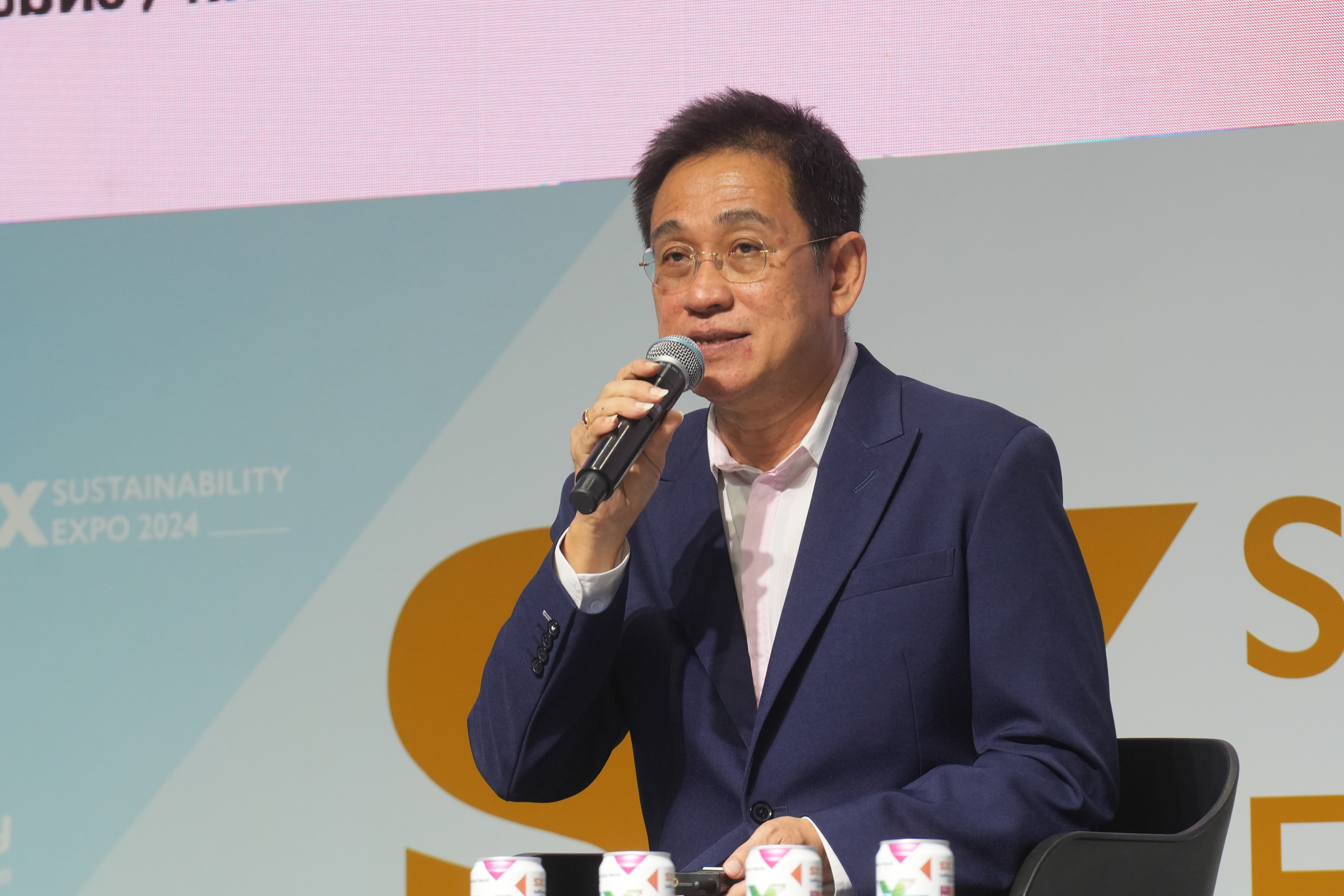
Mr. Natthawut emphasized GSB’s dual mandate as a social bank: supporting business while stewarding society and the environment. GSB partners with sub-district communities nationwide in a holistic area-based development model. For example, initiatives in Nan Province and on Ko Libong, Trang Province operate under the concept “Community-Created, GSB-Supported, Partner-Backed, Sustainably Enriched.”
GSB collaborates with educational institutions, partners, and community groups to:
-
generate employment,
-
promote financial literacy,
-
preserve local wisdom,
-
enhance market access.
This program covers over 3,600 communities, benefitting more than 410,000 individuals.
Notable programs include:
-
GSB Yuvapat Rak Thin: Student-led community enterprise projects at 67 universities, involving agriculture, product development, packaging, market access, and eco-friendly practices—e.g., fish farms generating biogas from waste.
-
GSB Vocational Pathways: Technical college students teach repair and maintenance skills to reduce household expenses.
-
Online and on-site vocational training for small vendors, unemployed individuals, and graduates.
GSB integrates financial education into every program, covering savings, credit, cost accounting, and more. It also offers microloans up to THB 1 million, disaster relief loans, debt restructuring, and other sustainability-driven initiatives.
Challenges and Approach:
Using the Creating Shared Value (CSV) framework, GSB begins at the community level, addressing real local needs, and designs projects that benefit both community and bank. The key to sustainable impact is long-term, multi-stakeholder engagement.
Mr. Tossawat described Buddy HomeCare as a social enterprise working with two key groups:
-
Disadvantaged youth (e.g., from remote highlands), employed as caregivers and trained in viable skills.
-
Elderly community members, supported to create dignified livelihood opportunities.
The organization values consistent community feedback, co-creation using local assets, and iterative learning.
Challenges faced:
-
Generational differences in mindset, communication, and tech literacy.
-
Lack of clear community planning leads to misunderstandings.
-
Misconceptions about non-profit status of social enterprises.
Solutions:
-
Training youth to provide elderly care and develop soft skills.
-
Equipping elderly individuals with relevant abilities.
-
Enhancing mutual understanding through workshops.
-
Promoting awareness that social enterprises can be both impactful and profitable.
Impact:
-
Trained 80 youths as eldercare providers.
-
Supported communities in producing and selling assistive products—some proceeds benefiting the elderly directly.
Future outlook:
With Thailand’s aging society, demand for eldercare—especially among low-income seniors—is growing. Buddy HomeCare plans to integrate volunteer health checks, home modifications, and livelihood support in aging communities.
Mr. Kamron founded Siam Able Innovation after his own experience as a bedridden patient revealed Thailand's shortage of assistive devices. His vision: build community-based workshops into semi-industrial facilities.
Key strategies:
-
Skills development aligned with industry standards
-
Regulatory compliance:
-
Factory license (Ror Ngor 4)
-
ISO 9001
-
Thai FDA approval
-
ISO 13405 standards
-

-
Integration of local supply chain—e.g., converting engine parts suppliers to device component manufacturers.
Challenges:
High demand for continual upskilling/reskilling in engineering and production. Training is provided both onsite and online.
Achievements & Plans:
-
Invested THB 2 million (prize from Win Win WAR Thailand) to build/upgrade facilities and add solar-powered wheelchair production.
-
Trained disabled individuals across 20 provinces.
-
Engaged with government to prepare for FDA, ISO compliance, marketing, and potential stock market entry.
-
Plans scholarships for graduates to pursue post-graduate studies with a five-year service commitment.
-
Targeting products for 11 million disabled and elderly Thais, contributing to employment and economic growth.
Reflections:
While social enterprises faced skepticism, particularly in private sector partnerships, support from government and private institutions is improving. Success hinges on entrepreneurs drafting business plans, forming capable teams, and applying learning in real operations.
These three leaders demonstrate how creating shared value through community collaboration can effectively address complex social, economic, and environmental challenges. Their work highlights the transformative power of combining financial inclusion, intergenerational care, and social innovation to uplift underserved communities sustainably.
📢 Follow SX updates via Facebook: Sustainability Expo or LINE: @sxofficial
🗓️ Join us at SX 2025 – 26 Sept to 5 Oct 2025 @ Queen Sirikit National Convention Center