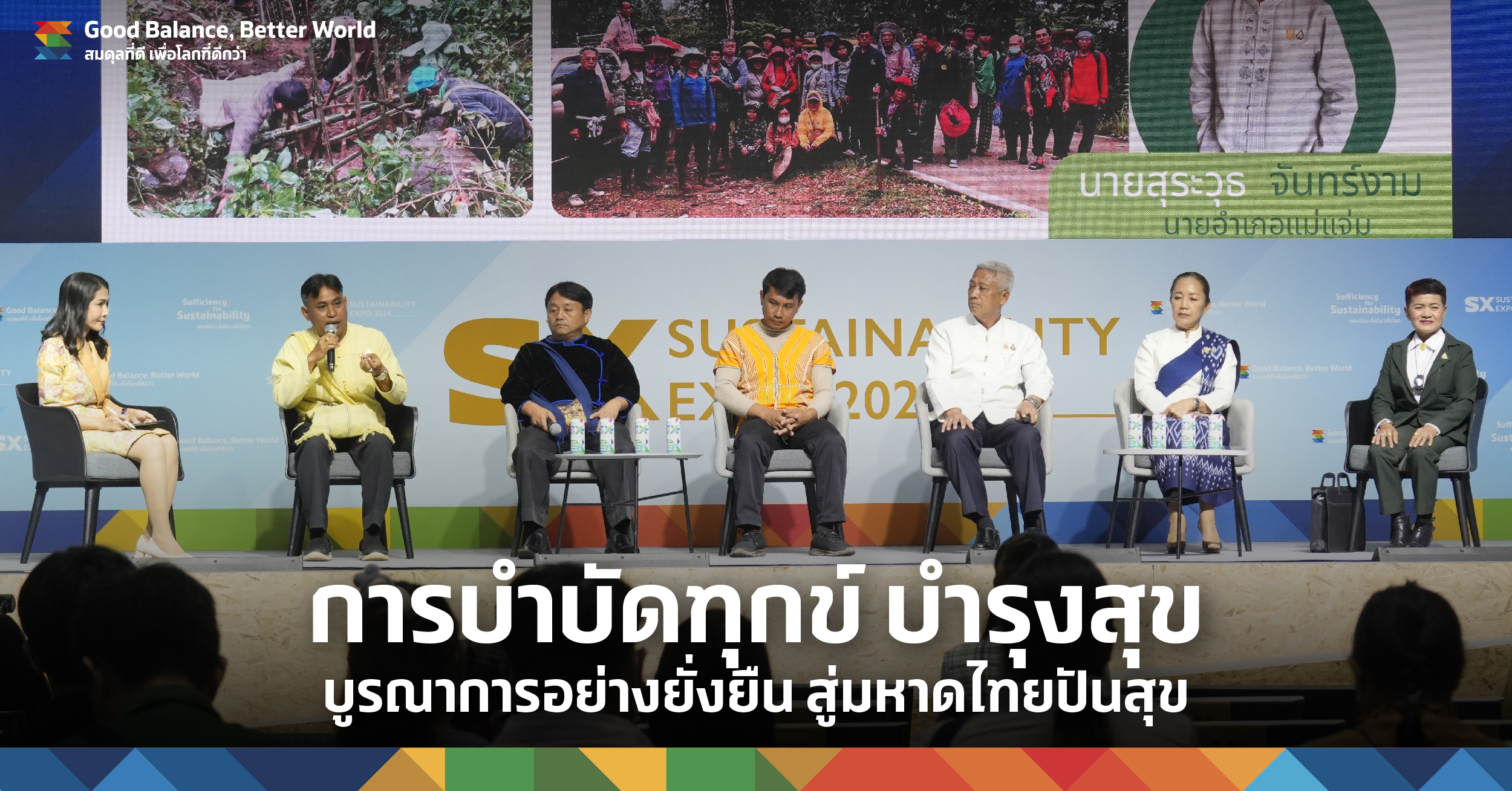


The panel discussion on "Integrated Sustainable Relief and Happiness towards Mahathai Pan Suk" brought together representatives from various sectors across Thailand to share insights and experiences on sustainable community development. Central to this approach is the application of the Sufficiency Economy Philosophy (SEP) and the “King’s Wisdom” as guiding frameworks.
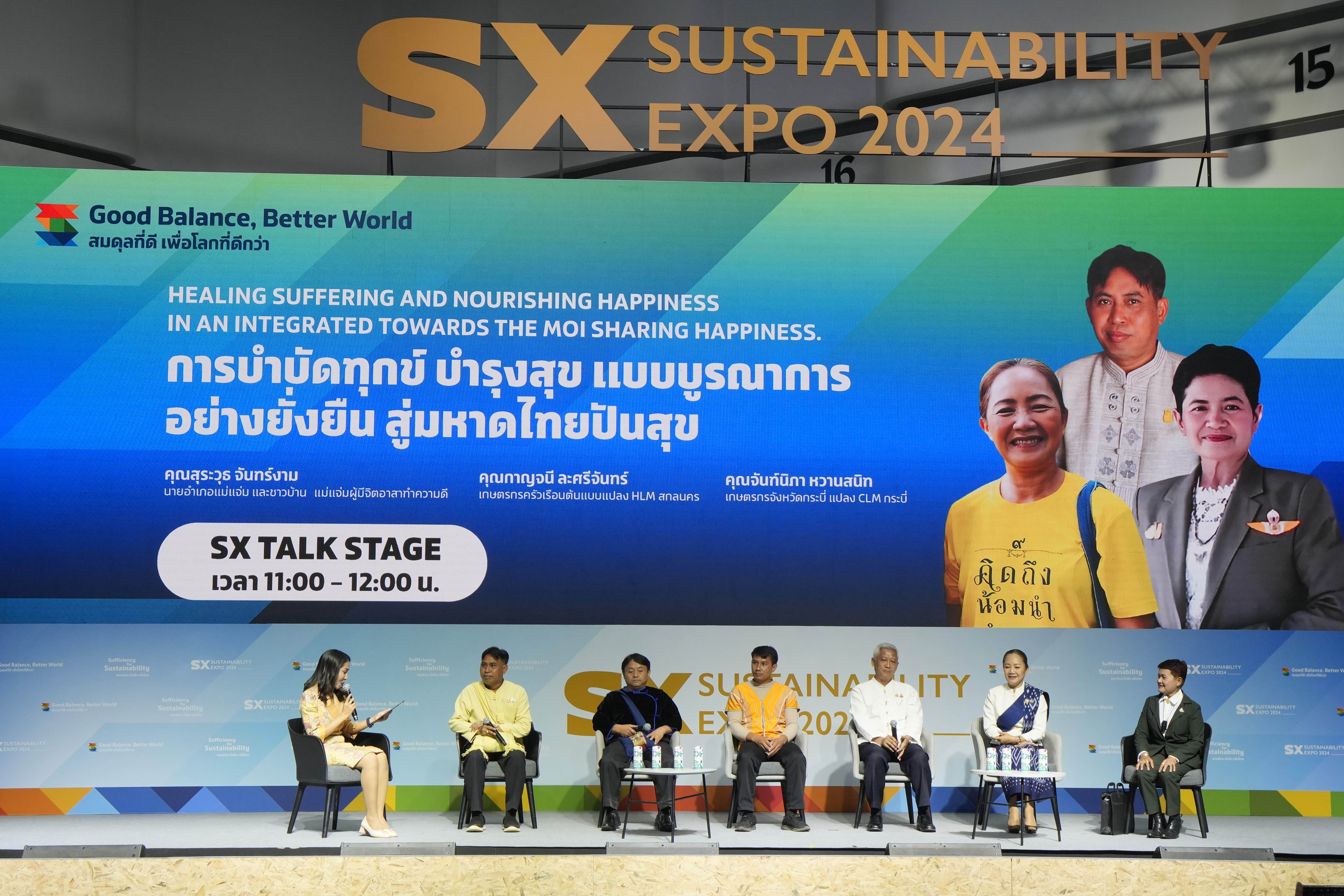
Mae Chaem’s Water Retention Success Story
Mr. Surawut Jannam, District Chief of Mae Chaem in Chiang Mai Province, presented the success of the district’s water retention dam initiative. Covering an area of over 1.7 million rai with a population of approximately 60,000, Mae Chaem has long struggled with recurring floods, droughts, and haze caused by forest fires.
Using the ThaiQM platform to collect data on local hardship, the district identified water management as a critical concern. In response, more than 160,000 check dams were constructed—remarkably, without any government funding. These efforts were driven entirely by community cooperation and local volunteerism.
The impact has been substantial. Despite this year's heavy rainfall, the area successfully mitigated flooding within 12 hours. During the dry season, streams continue to flow—a rare phenomenon for the region. Additionally, the water quality of the Mae Chaem River has significantly improved.
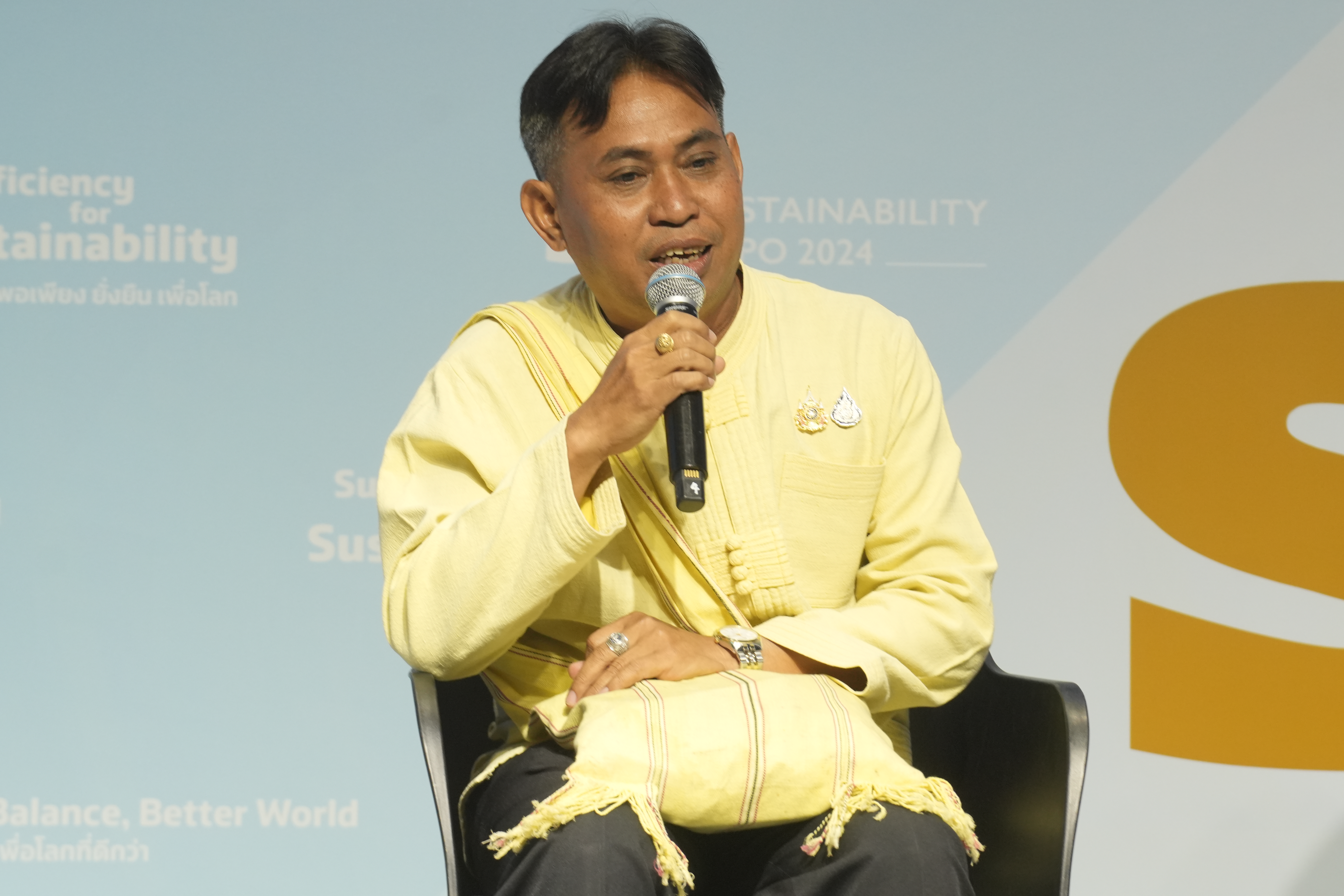
Community Participation and Local Wisdom
Village Headman Witthaya Jantisanti, representing local leaders in Mae Chaem, emphasized the grassroots nature of the work. The initiative relies on local materials, labor-sharing, and collective responsibility. Each village is tasked with building three check dams annually. Beyond water retention, the dams naturally trap sediments and seeds, which fosters spontaneous forest regeneration.
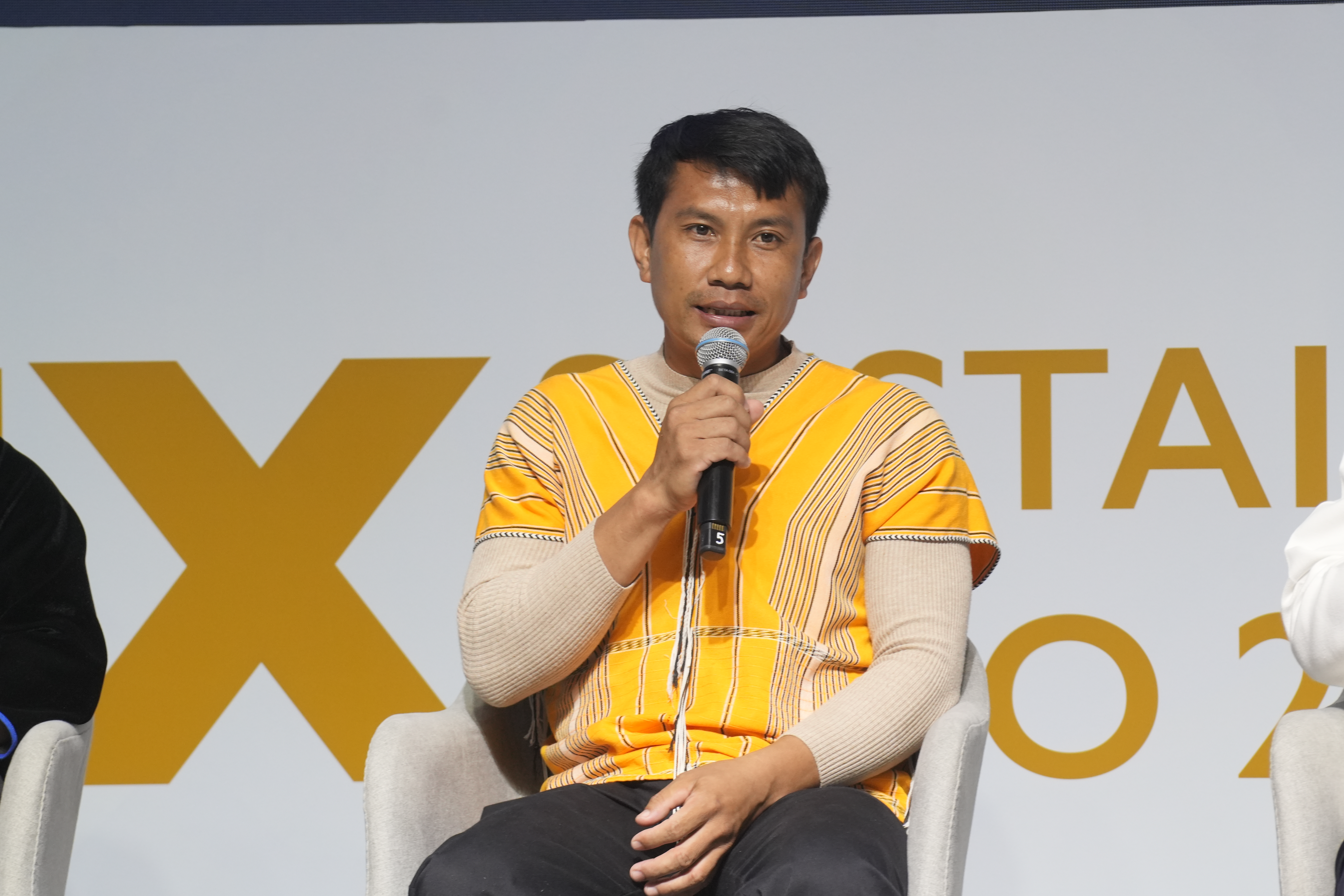
SEP in Practice: The “Khok Nong Na” Model
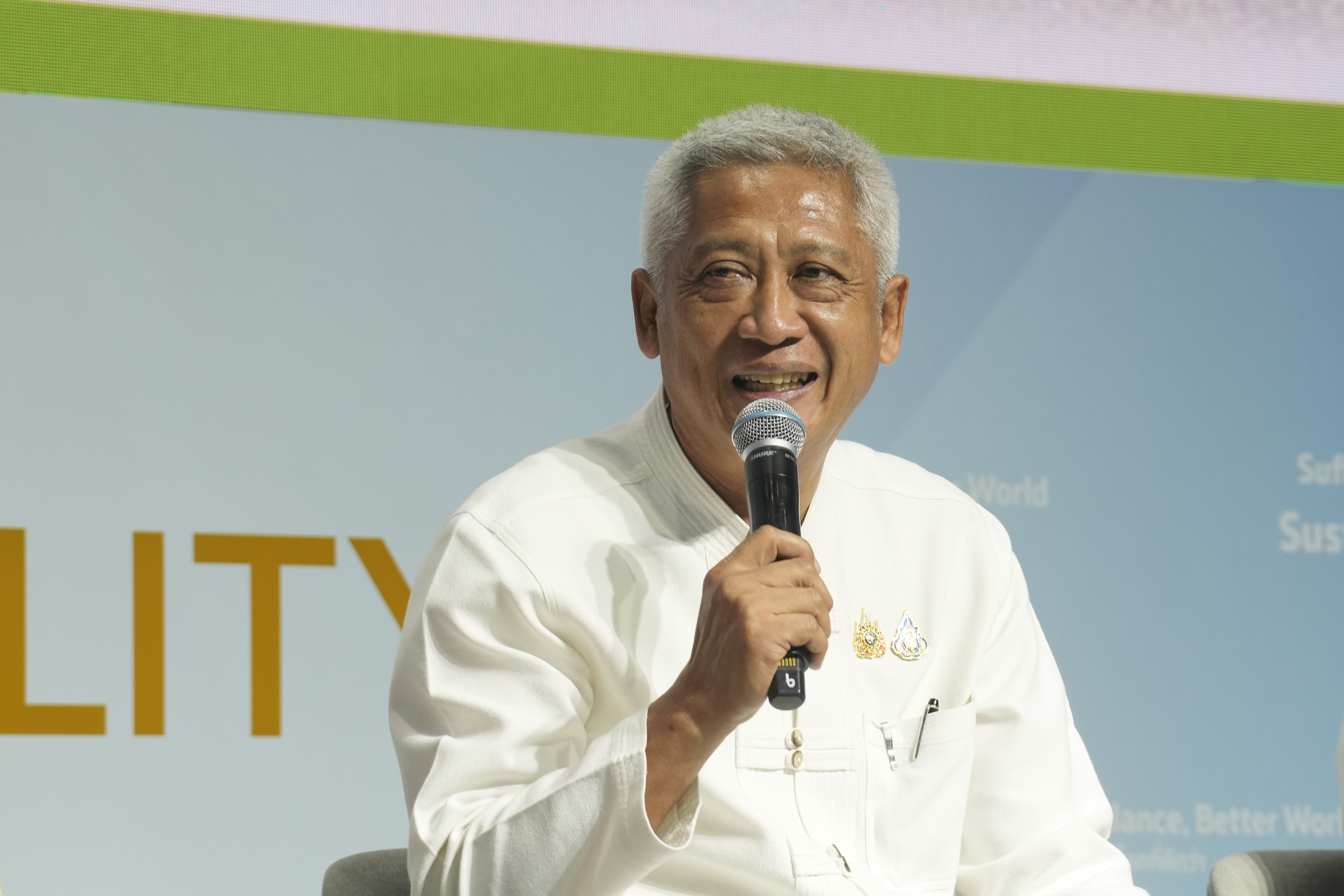
Philanthropic entrepreneur Ajarn Buncha Rasimin (Ajarn Mon) shared his personal journey in applying SEP principles through the “Khok Nong Na” (Hill-Pond-Field) model on his own 28-rai plot of land. With support from various networks including academics, monks, and local sages, he transformed barren laterite and rocky soil into fertile ground within just three to four months.
Later, he joined a Department of Community Development project implementing the same model on a 3-rai plot with a modest budget of 75,000 THB. That investment, he noted, yields long-term food security and self-sufficiency—far more enduring than purchasing a refrigerator, which stores food that eventually spoils. Ajarn Buncha now trains participants nationwide and coordinates additional support such as tractors and farming tools for dedicated farmers.
He noted that while such models may not immediately reflect in GDP, they substantially reduce household expenditures and, over five years, significantly increase the value of natural resources within the land—demonstrating their long-term return on investment.
Herbal Innovation and Inclusive Agriculture
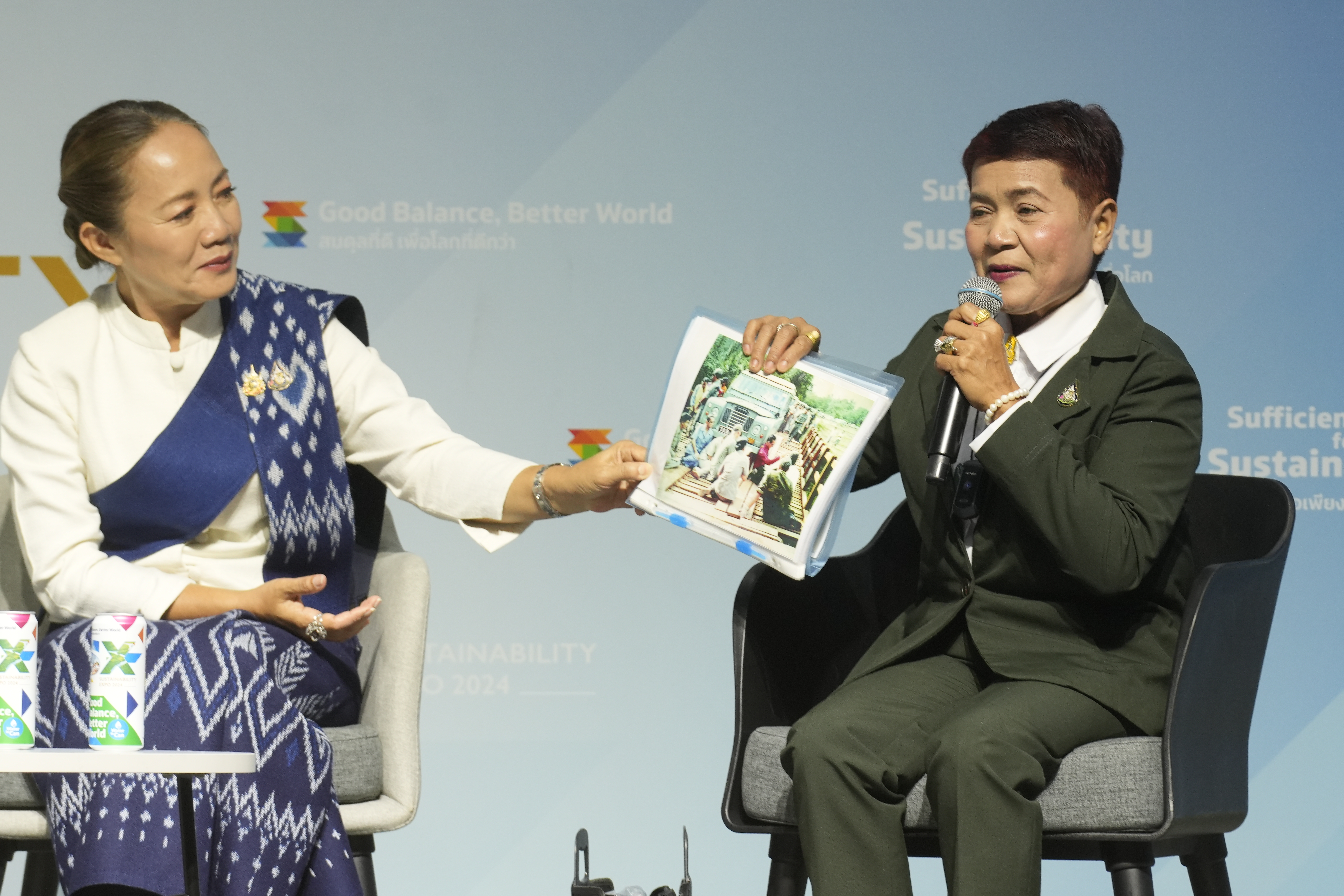
Mrs. Jannipa Wansanit—affectionately known as "Pa Joy"—a farmer from Krabi Province, applied SEP on her 15-rai property through the “Khok Nong Na” model. She focuses on cultivating medicinal herbs and processing them into value-added products. Her initiatives extend to local schools, promoting herbal-based health care, and developing innovations such as therapeutic pillows for bedridden patients. Additionally, she uses high-protein organic feed made from black soldier fly larvae to raise fish, creating a closed-loop, sustainable farming ecosystem.
Cultural Cohesion and Collective Action
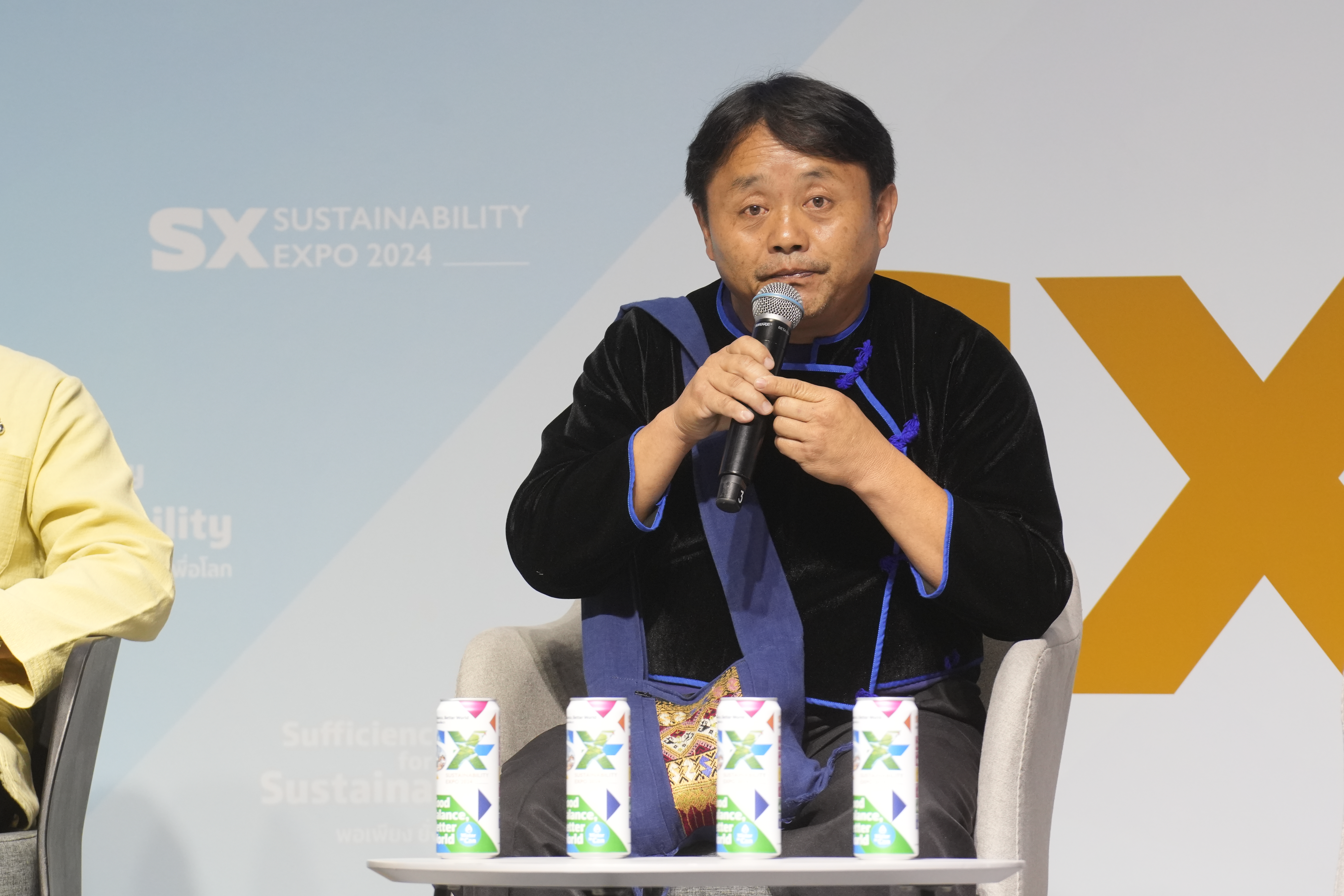
Village Chief Somchai Yangsantiwong, also from Mae Chaem, spoke of the pride in fostering unity among culturally diverse groups—including ethnic Thai, Karen, and Hmong. The check dam initiative not only aids water management but also serves as a platform for community dialogue, shared planning, and cooperative action. Furthermore, it has proven effective in preventing wildfires during the dry season.
Three Phases of Sustainable Development
In conclusion, Mr. Surawut Jannam emphasized adopting the Sufficiency Economy Philosophy as a guiding principle for sustainable development, outlining three progressive phases:
-
Self-reliance
-
Progress and Expansion
-
Sustainability
He also highlighted the “Forest for Income” program, which encourages transitioning to high-value crop cultivation, and promotes the preservation of local wisdom such as Teen Jok weaving, terraced rice farming, and traditional herbal knowledge. The district has established a network of over 300 traditional healers from various ethnic groups, who regularly exchange knowledge and lessons learned.
A Unified Ecosystem of Support
The success of Mae Chaem’s development is a testament to integrated collaboration among public, private, and civil society sectors. Support has included:
-
Cement from the Ministry of Interior
-
Community-led fundraising for roads and housing
-
Assistance from the Community Organizations Development Institute
-
Implementation of 558 “Khok Nong Na” plots overseen by a district-level committee
These collective efforts demonstrate the power of self-reliance, community participation, and the fusion of traditional knowledge with modern innovation. The outcome is not only localized problem-solving but also a resilient community capable of assisting others in times of crisis.
Knowledge Sharing for National Development
The discussion further underscored the value of cross-regional knowledge transfer. By sharing community experiences and development strategies, a more inclusive and sustainable national development model emerges—one that aspires to improve the quality of life for all Thai citizens.

Stay updated on SX activities via the Facebook page: Sustainability Expo, or by adding Line ID: @sxofficial
Get Ready for SX2025
Discover more inspiring perspectives and changemakers at SX2025, returning grander than ever from September 26 – October 5, 2025, at the Queen Sirikit National Convention Center.
“Because sustainability is everyone’s responsibility.”