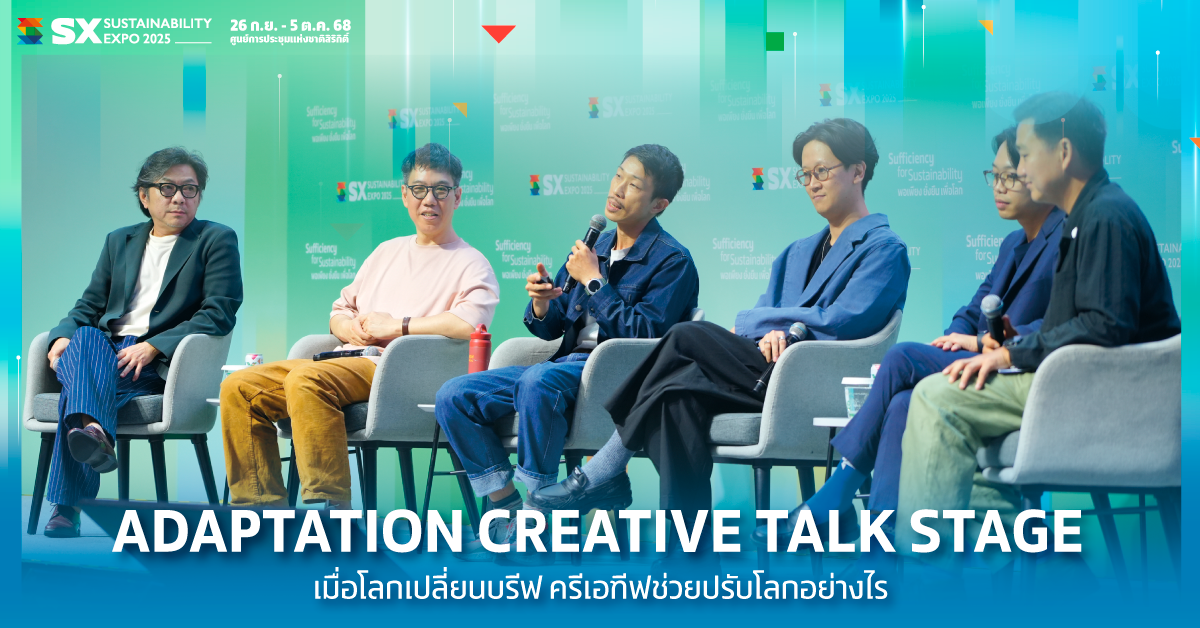


ADAPTATION CREATIVE TALK STAGE: When the World Changes the Brief, How Can Creative Agencies Adapt the World?
As social and environmental challenges reshape the global business landscape, the role of creative agencies has evolved beyond traditional advertising. At the ADAPTATION CREATIVE TALK STAGE at Sustainability Expo 2025, five of Thailand’s leading creative minds—Somkiat Larptanunchaiwong (BBDO Bangkok), Asawin Phanichwatana (Bangkok Art Directors Association), Phairat Uaphadunglert (Choojai and Friends), Chatchai Butsabakorn (VML Thailand), and Piriya Kulganchanacheewin (Glow Story)—joined moderator Zcongklod Bangyikhan, Editor-in-Chief of The Cloud, to discuss this major transformation.
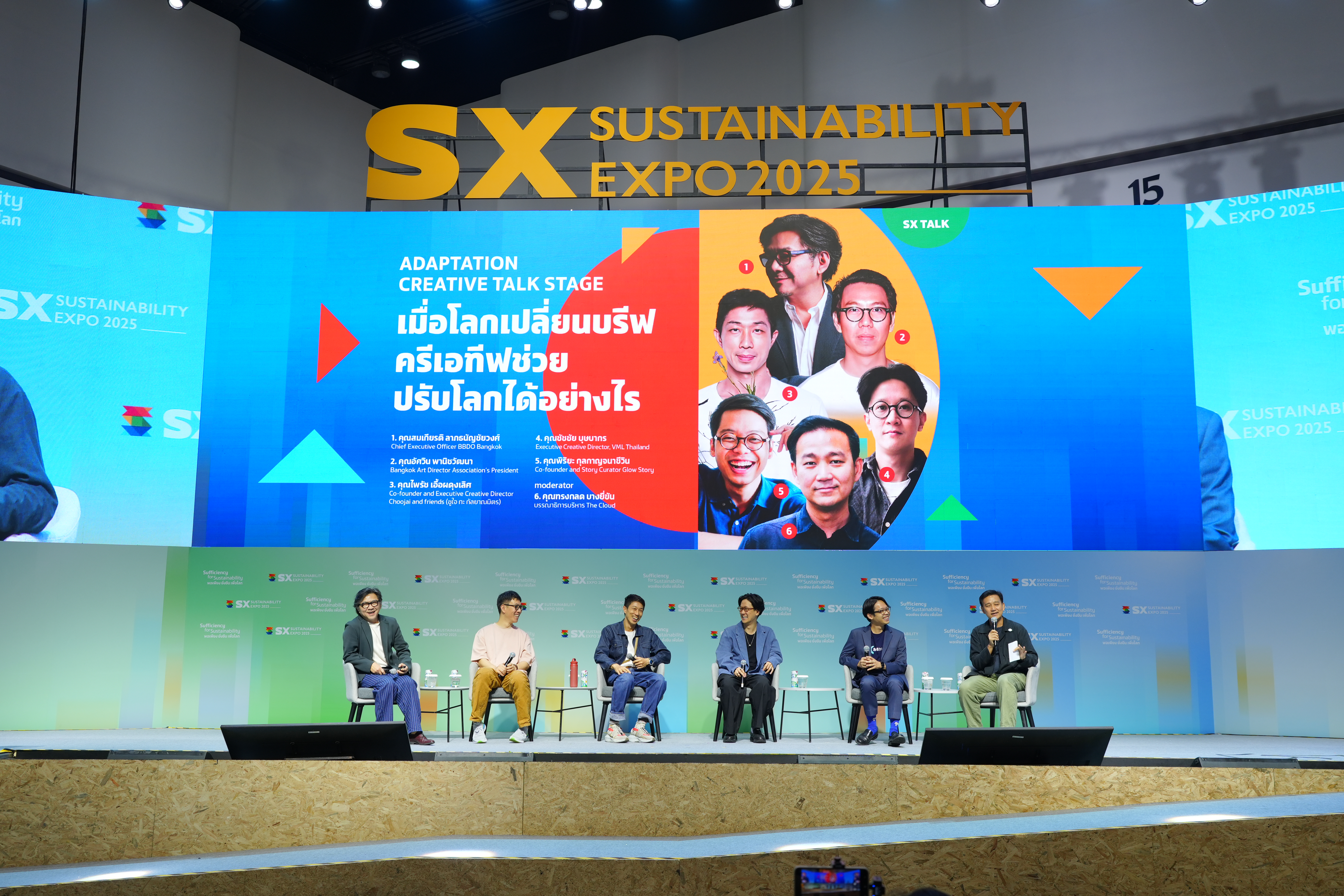
All five panelists agreed: “Action is the new global brief.” Creative impact today must go beyond “greenwashing” to deliver tangible results that make it happen.
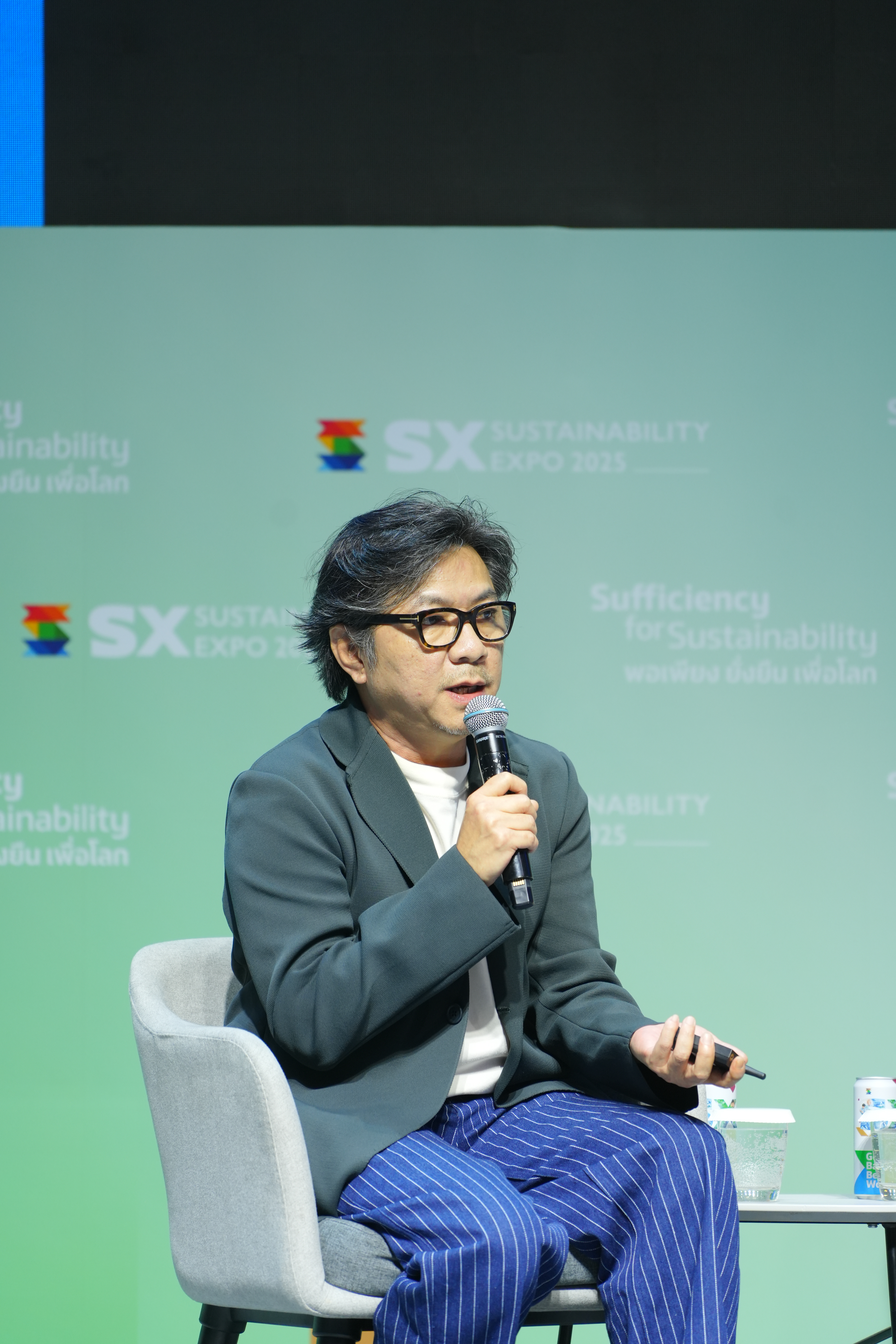
Somkiat emphasized sustainability that covers both “people” and the “planet”, and shared how BBDO’s campaigns now focus on real-world impact. For instance, the SX campaign used imperfect fruits to illustrate “The Real Discount”—a metaphor for nutritional loss caused by climate change—while Mercedes-Benz’s “Future for All” campaign redefined exclusivity to inclusivity by lowering booth designs for wheelchair accessibility, turning universal design into brand purpose.
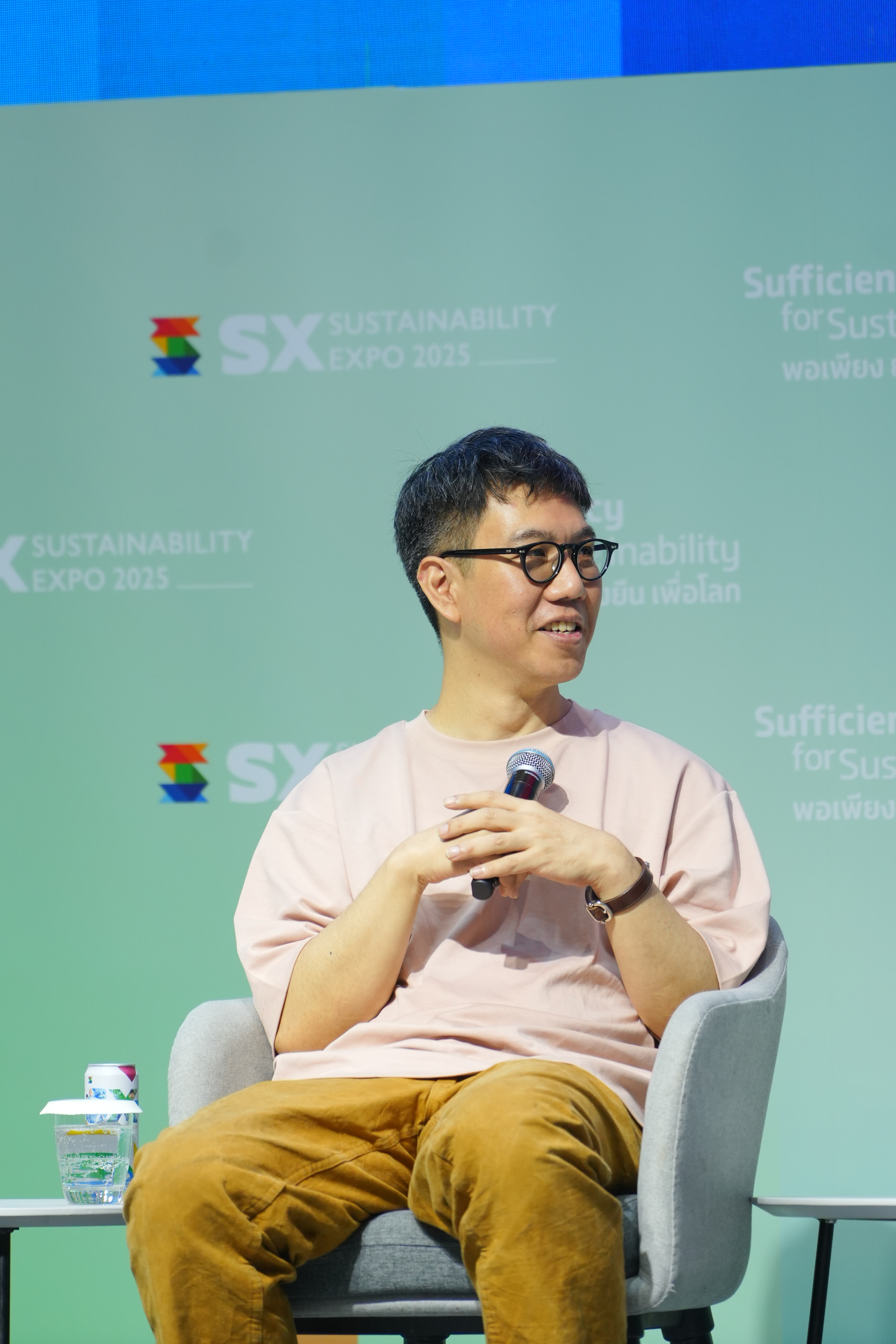
Asawin highlighted creativity as a bridge for human connection. In McDonald’s “Happy Meal Redesign” campaign, children created furniture from sustainable materials later auctioned to fund education, embodying joy with impact. In another campaign for Hong Kong tourism, locals taught tourists to play mahjong—transforming tension between these two groups into friendship through cultural exchange.
Phairat emphasized that creatives must first live sustainably themselves. His agency practices what it preaches—using solar power, sorting waste into 12 categories, and upcycling organic waste. His projects push clients to shift from mere awareness to measurable social commitment, such as Supalai’s “Waste Meter” or Central Krabi’s use of local seafood and wisdom to support community income.
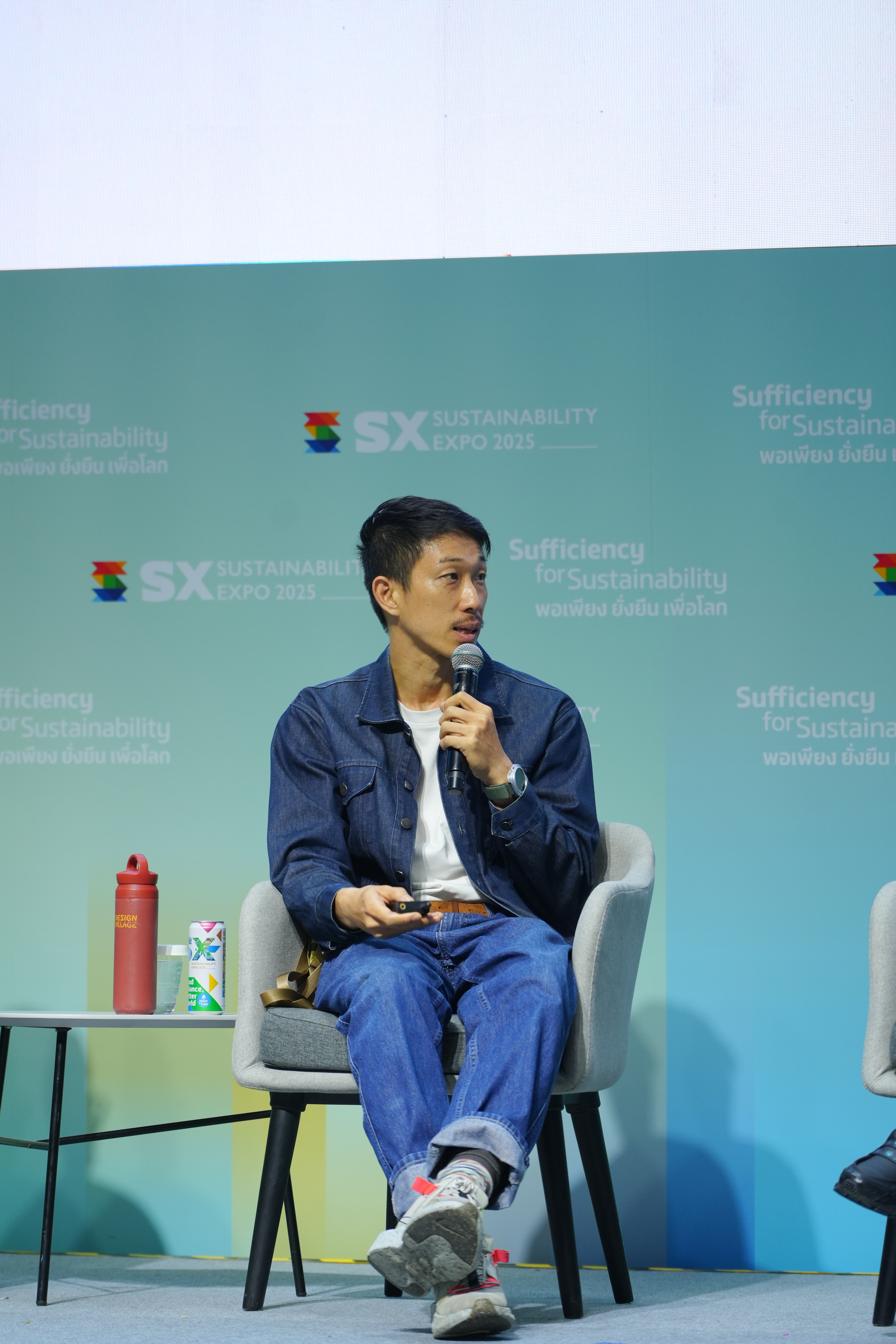
Chatchai summarized modern creativity in 3 I’s—Insight, Impact, and Inspiration—anchored in 3 P’s: Profit, People, Planet. His campaign for Mongkut Fertilizer turned discarded fertilizer sacks into fashion items, inspiring pride among farmers and launching B2B Farm Stay Programs to allow farmers to relax while learning about sustainable agriculture. This combined with Big Data Education reaffirms that creative agencies today must “Make it Happen.”
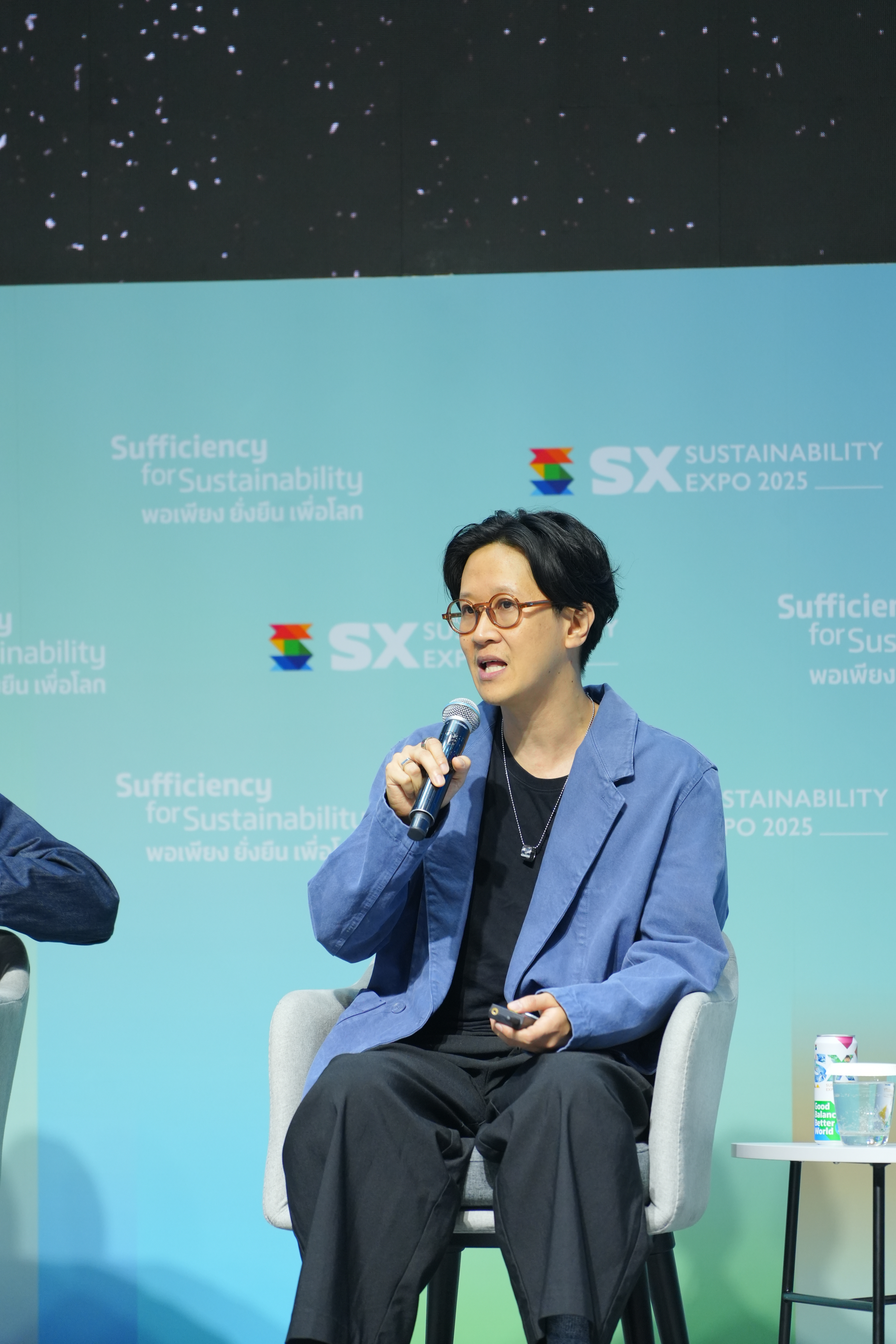
Piriya emphasized the power of storytelling and lived experience—narrative—as a driving force for change. While he acknowledged that one cannot transform the entire world overnight, he believes we can reshape the narrative of society. Through TEDxBangkok, he posed the question: “So, what is it that will truly change?” and supported speakers who champion genuine transformation. A notable example is Van the “Bus Nerd”, whose personal project of documenting bus stops in his neighborhood led to the redesign of Bangkok’s bus stop signage citywide.
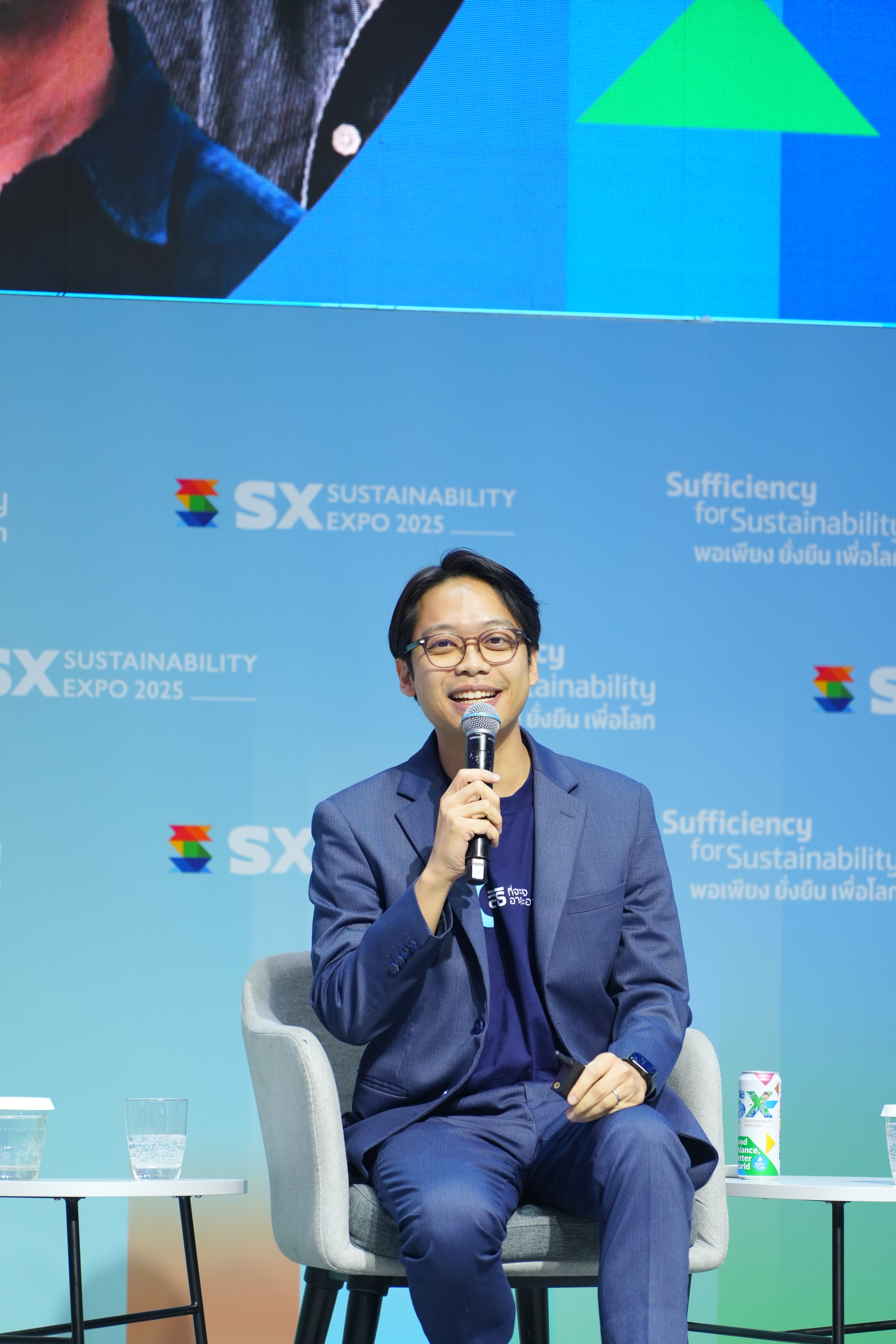
Another example, the “Limited Education” campaign with Greyhound, turned an overlooked fundraising effort into a powerful social statement. Using the creative hook of a “Sale House: 65% Off” booth, the campaign delivered a striking message: “65% of Thai families cannot afford to send their children to university.” Its true goal was to change social perception—using branding as a bridge to connect people through empathy and understanding.
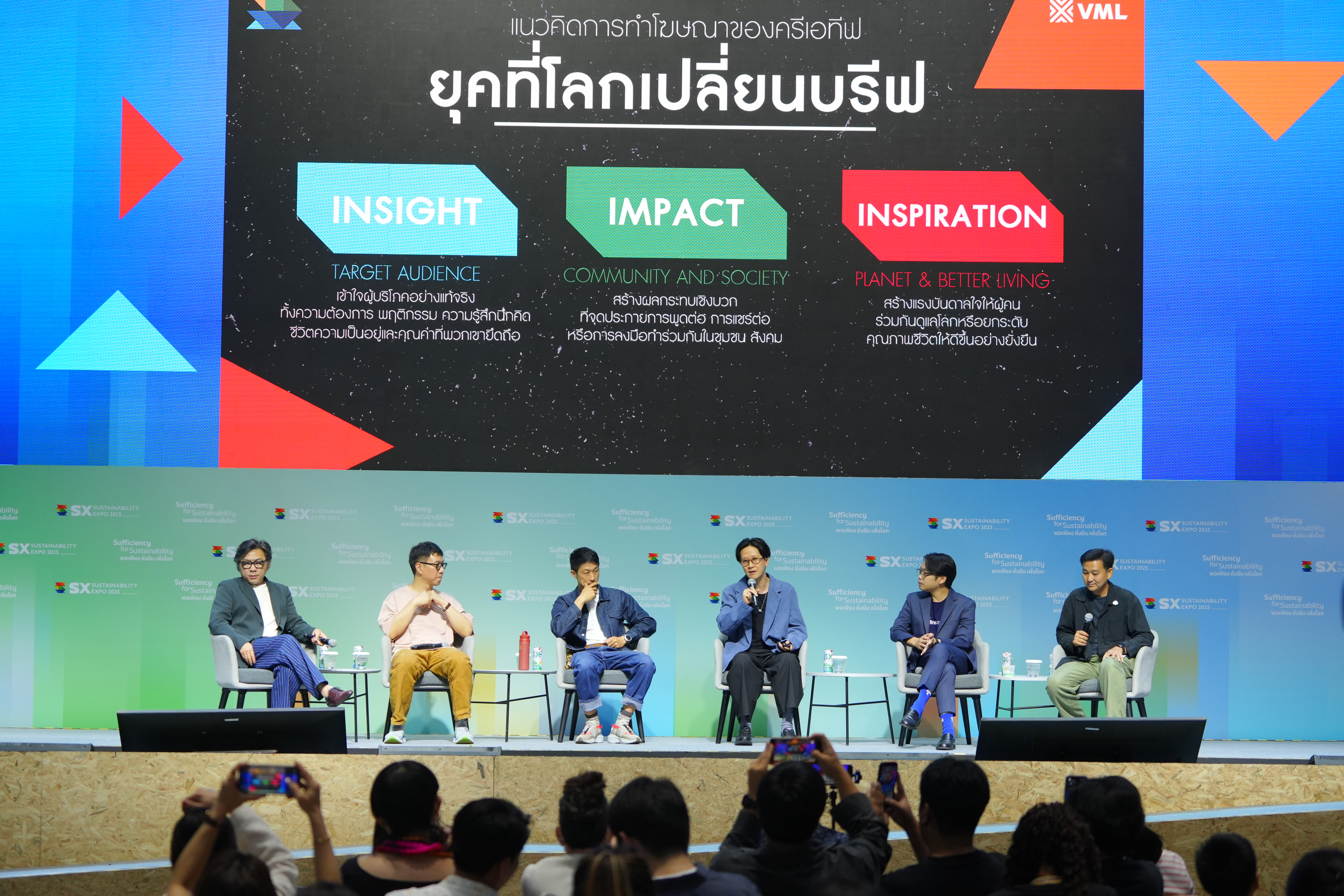
In the final part of the session, all five speakers shared their own creative “formulas” for tackling the industry’s most common challenges. When faced with claims that sustainable work doesn’t sell, Somkiat advised using data-driven persuasion to show clients that new generations—especially Gen Z—value brand purpose as a form of business equity.
“Ideally, sustainability would be embedded in the product itself—but in reality, it’s not always like that. If a business can’t sell, we must use data to show what younger generations truly care about. That’s how we create brand value on another level.” — Somkiat Larptanunchaiwong
On the challenge of “off-brief work”, Asawin reaffirmed his principle: always ask “What are we doing—and why?” to ensure clients get results that align with their goals. His secret weapon? “Secretly selling ideas” by producing extra versions of the work that offer better alternatives for clients.
“When a project seems off-brief, I ask myself ‘what and why.’ My technique is to ‘secretly sell’ by doing extra work—offering clients an additional direction that we believe will work even better.” — Asawin Phanichwatana
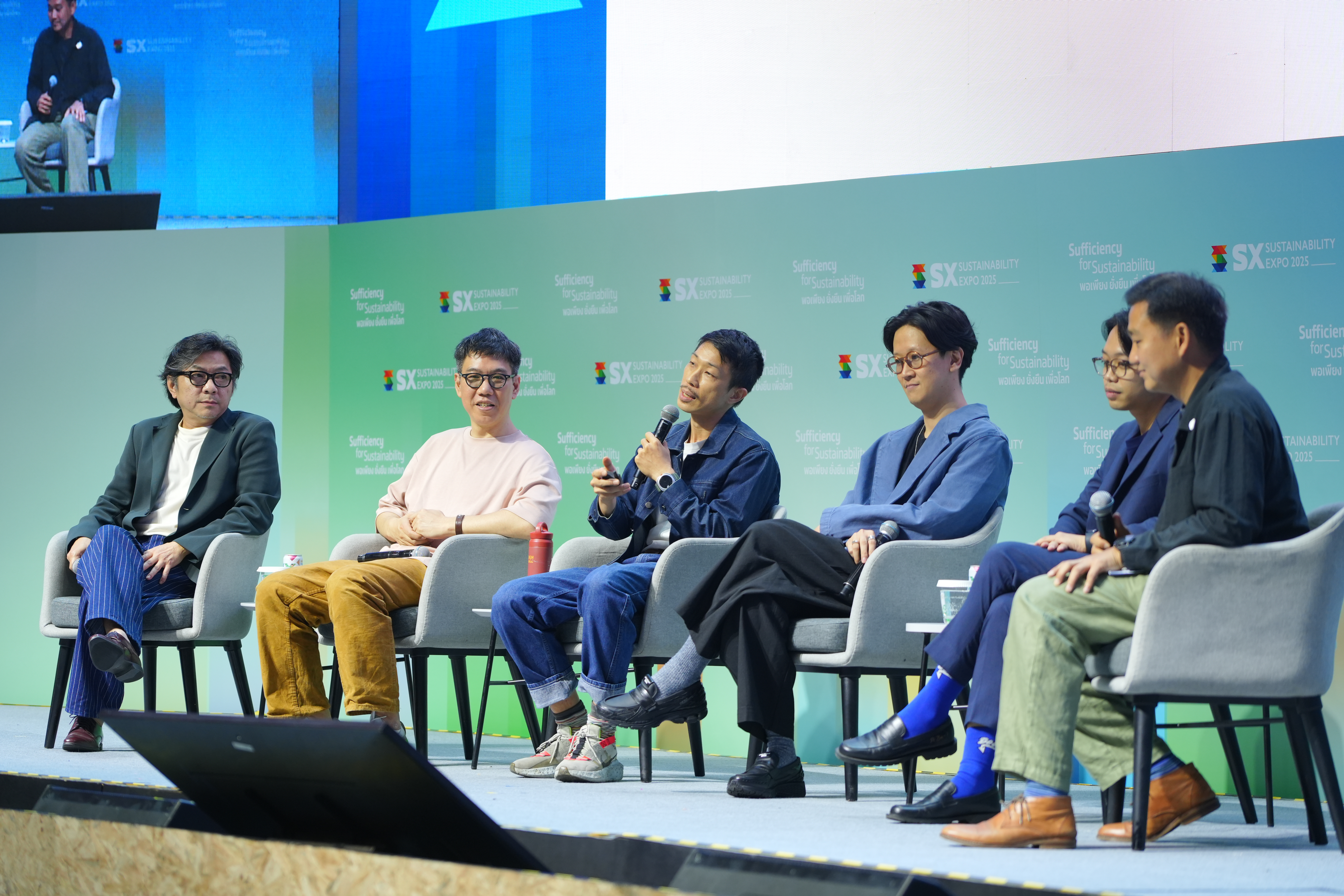
When confronted with the classic problem of “no budget but high expectations,” Phairat urged creatives to redefine their notion of currency—from cash capital to social capital.
“When there’s no money, creatives must ask—what’s the true currency here? Is it money, or is it social value? If you can create social value and find the middle ground, that becomes value in itself.” — Phairat Uaphadunglert
Addressing the issue of understanding audiences, Chatchai emphasized the need for deep empathy and precision.
“In the end, we must truly know our target audience. That’s how we can be confident that when we deliver a message, the audience will be ready to believe, align, and move toward what we want to achieve.” — Chatchai Butsabakorn

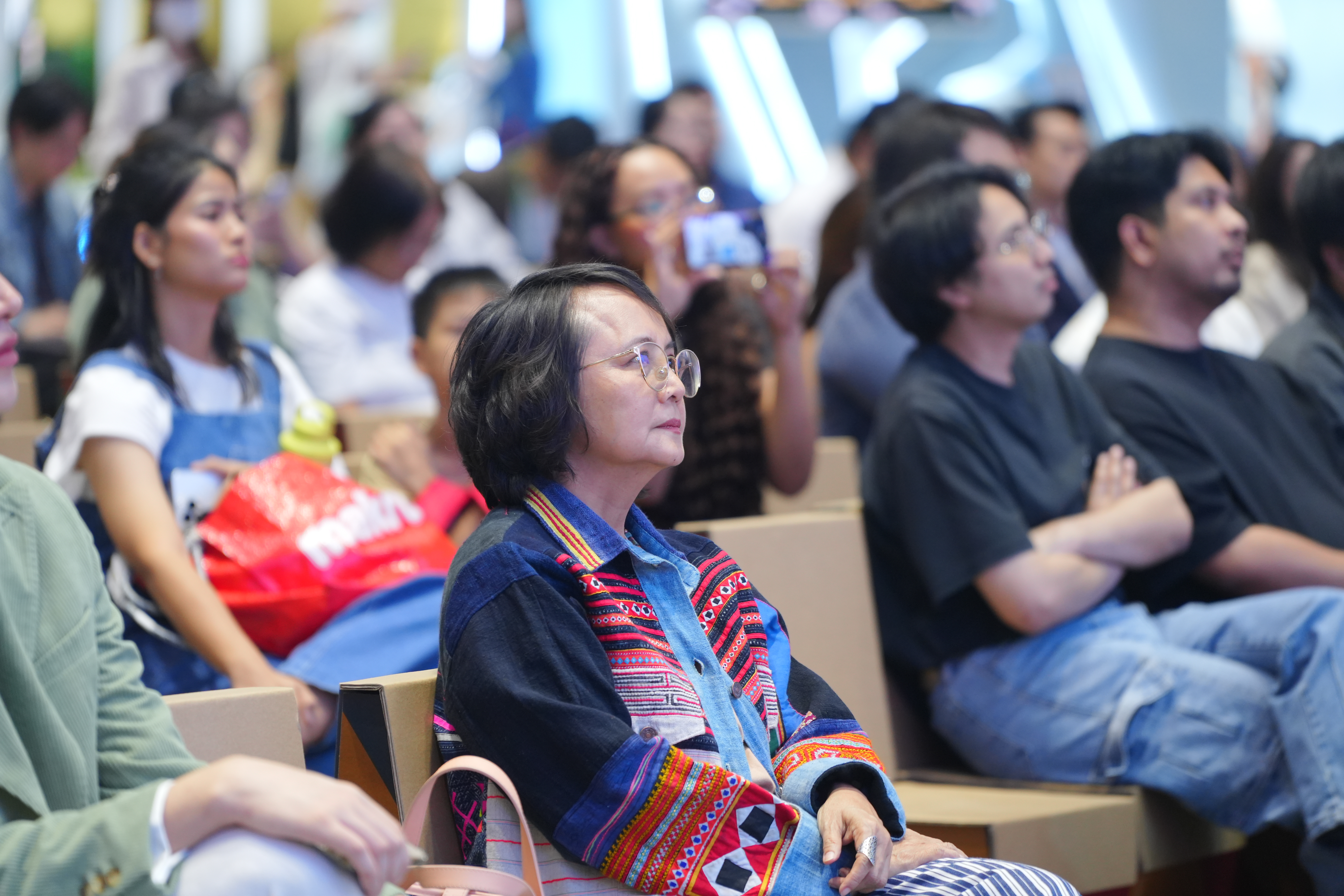
Finally, when asked how to manage teams that “don’t get it,” Piriya offered a simple yet vivid analogy: helping a brand is like helping a client court someone they like.
“Helping a brand is like helping a client court someone. If we understand both sides well enough—the brand and the audience—we can adjust tone and style to bring them closer together, without changing the brand’s essence.” — Piriya Kulganchanacheewin
Moderator Zcongklod Bangyikhan concluded the session by observing that creative agencies today have evolved far beyond selling products or appearances. They now create meaningful change—turning communication into a long-term force for sustainability. The ADAPTATION CREATIVE TALK STAGE not only offered fresh perspectives but also proved, through real practitioners, that in an era when the world changes the brief, it is creativity that can help shape a Better World.