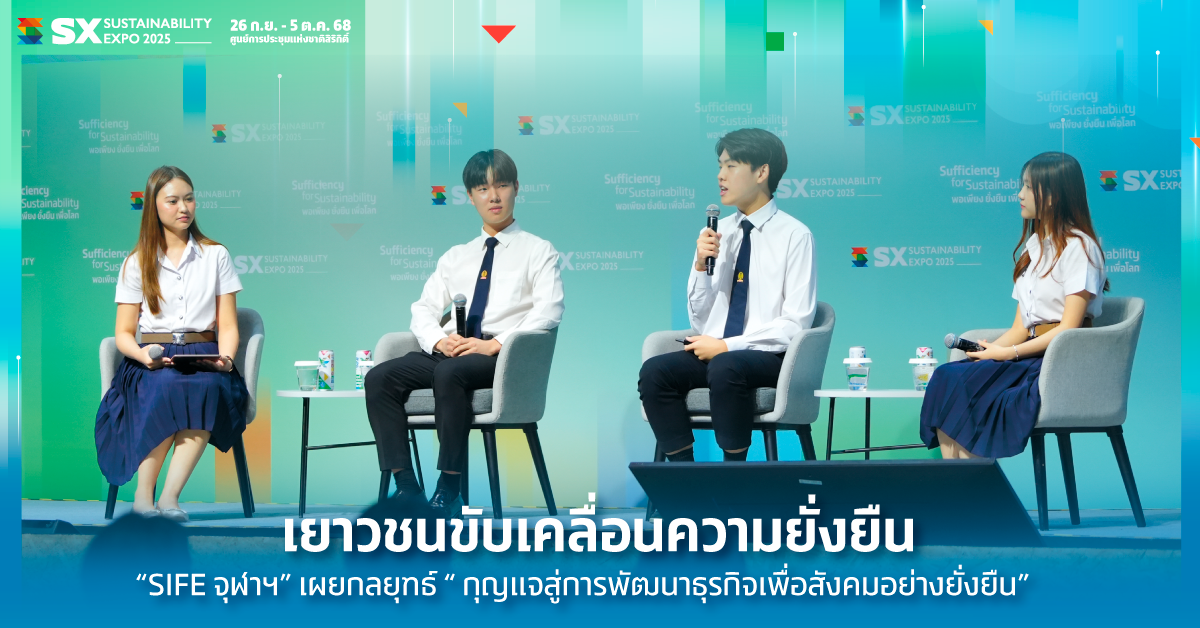
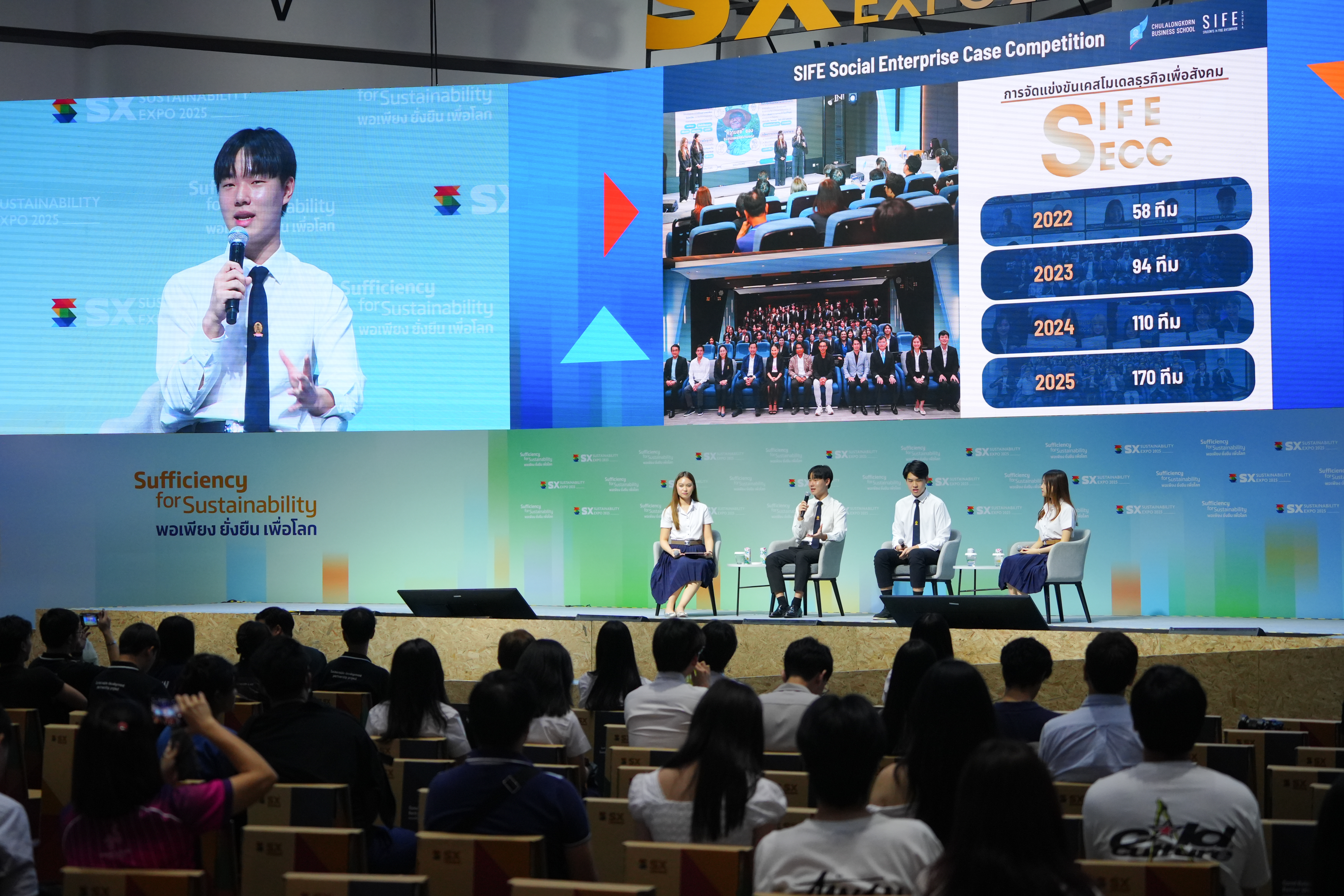
At SUSTAINABILITY EXPO (SX2025), ASEAN's largest sustainability exposition, the SX TALK STAGE featured insightful concepts and case studies, most notably a presentation by the SIFE Chapter of the Faculty of Commerce and Accountancy, Chulalongkorn University. Under the theme "The Key to Developing Sustainable Social Enterprises," the students shared perspectives and experiences gained from over two decades of fieldwork with local communities.
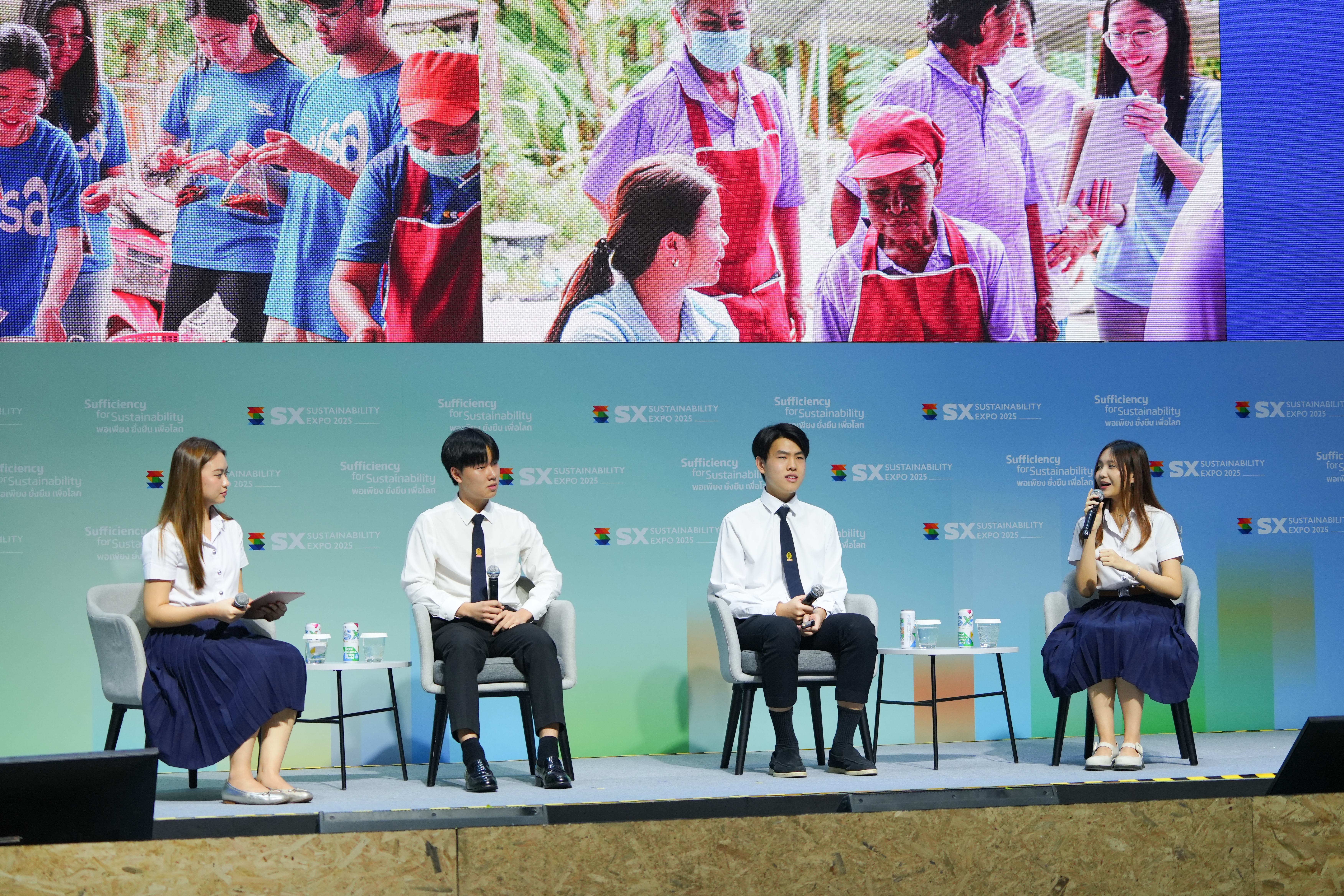
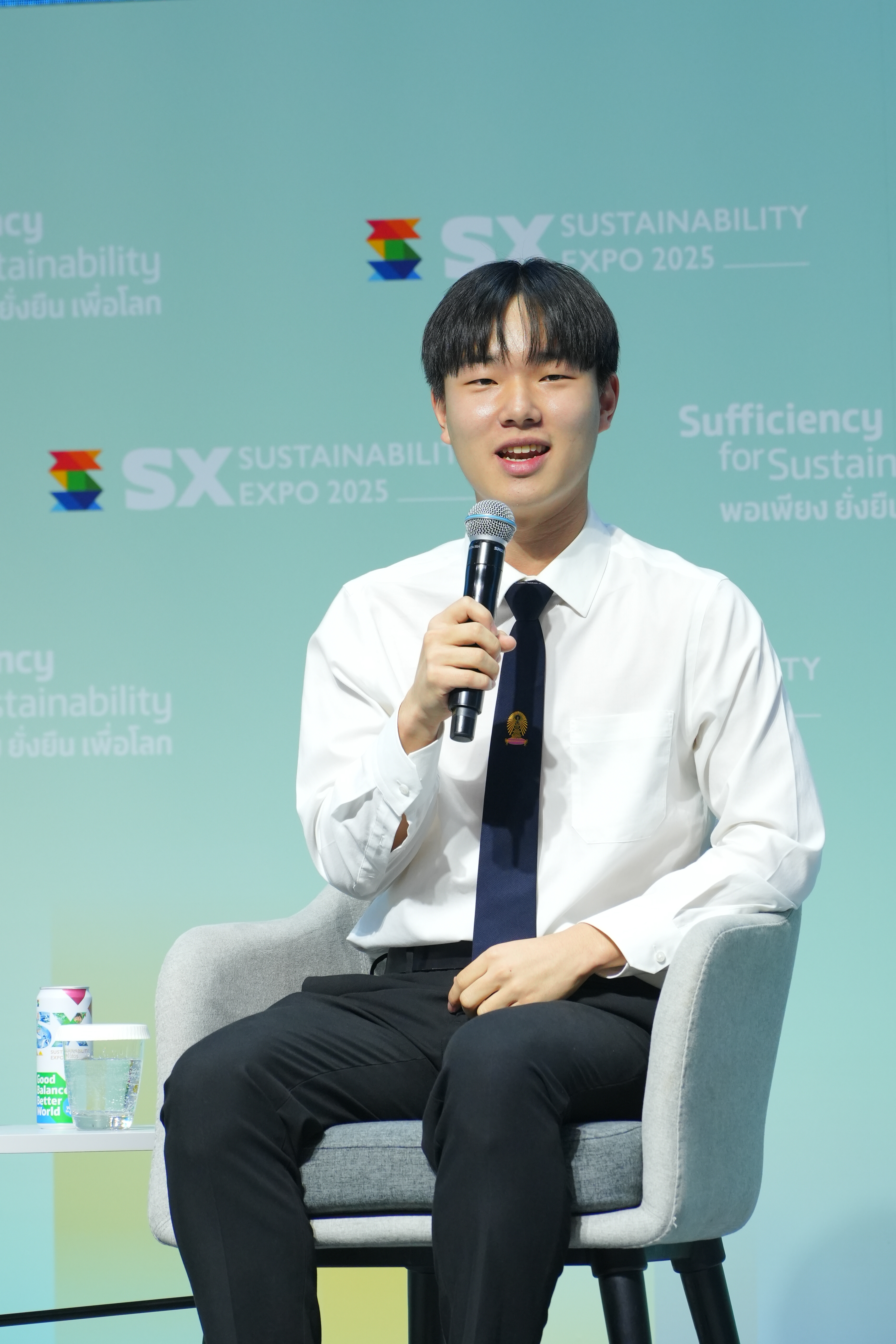
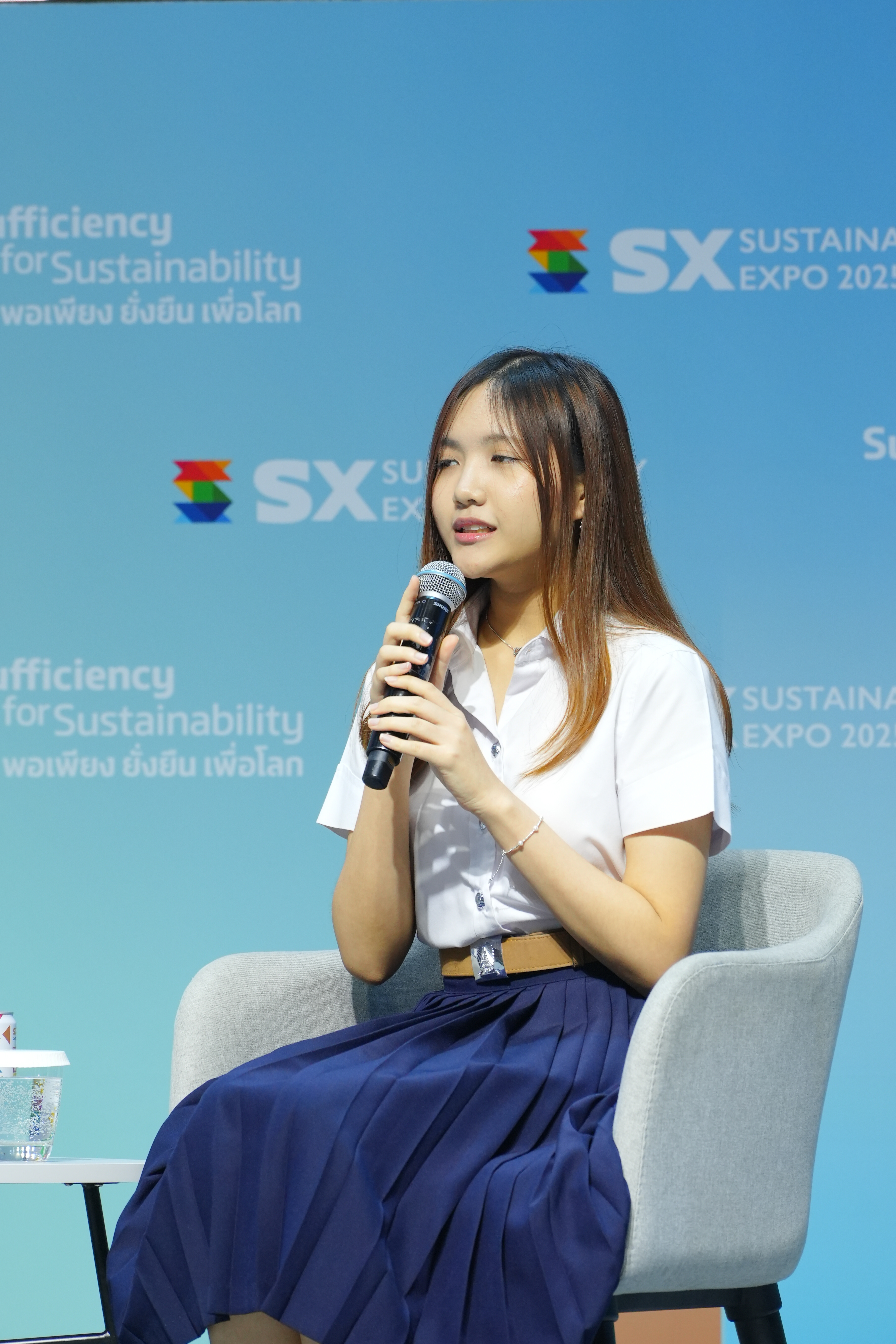
Student representatives from the SIFE chapter—Phakaphon Khunopasworakul (President), Thanyalak Chantri (Vice President), and Boonsade Mekseesawan (Vice President), with Rattanathorn Dechaphan (Human Resource Development) serving as the moderator—collectively shared their methods for building sustainability within Thai communities by applying valuable business knowledge.
SIFE: Youth Pioneers in Social Enterprise
SIFE (Students In Free Enterprise) is a student group from Chulalongkorn University's Faculty of Commerce and Accountancy whose primary mission is to work directly with communities to help develop sustainable businesses. Over the past 12 years, SIFE has assisted more than 15 communities across 13 provinces in Thailand.
SIFE's vision is to be a youth leader in the social enterprise sector, guided by three core values: delivering Sustainability through viable business strategies, fostering Knowledge exchange between communities and youth, and building a strong Alliance.
The group operates on the principle of "We want to do it, they want to do it, and they will do it," ensuring that co-developed business plans are successful and lasting. They apply knowledge from five key business areas: Accounting, Finance, Marketing, Logistics, and Management.
Case Studies: Successes and Ongoing Projects
The students highlighted a successfully concluded project involving the development of chili paste for the Ban Mueang Luang community in Kamphaeng Phet province. SIFE helped teach fundamental business skills, including bookkeeping, inventory management, proper cost and price calculation, and launching online marketing via a Facebook page. They also improved packaging from simple plastic bags to sealed bags to extend shelf life and expand the market to other provinces. Even after the project's conclusion, SIFE maintains its relationship and regularly follows up on the community's progress.
Currently, SIFE is actively working with three communities:
-
The natural-dye woven fabric project in the Ban Nor Lae community, Chae Son, Lampang province.
-
The processed coconut project in Thap Sakae, Prachuap Khiri Khan province, where they assist with product development (coconut oil, soap, lip balm), branding, marketing, standards certification, and tourism development.
-
The "Khon Tho Phae" (Raft Poler) tourism business in Samut Songkhram province. This is the first tourism enterprise SIFE has helped develop, focusing on branding, upgrading their accounting from notebooks to an Excel system, creating a customer feedback system, and refining tour programs to increase revenue.
Key Lessons for True Sustainability
Drawing from their past year of experience, the students identified critical challenges and adaptive approaches for achieving genuine sustainability in community business development:
1. Flexible and Approachable Communication Thanyalak Chantri pointed out that a primary challenge is communicating with elderly community members. Plans prepared in Bangkok often require on-the-spot adjustments. The key is to be adaptable and use simple, easy-to-understand language, avoiding formal terms or technical jargon that can alienate community members and hinder their ability to apply the knowledge independently. Participating in their daily activities, such as helping with cooking, has proven effective for building trust and facilitating learning.
2. Creating Practical and Adoptable Strategies Phakaphon Khunopasworakul addressed the issue of communities not fully implementing SIFE's proposed plans. This prompted the team to re-evaluate and refine their approach. For a strategy to be successful and sustainable, it must consider three factors:
-
The Community's Perspective: Understanding that the business may be a supplementary occupation, the plan must not be so time-consuming that it disrupts their main livelihood.
-
The Community's Readiness: Assessing their capacity in terms of capital, knowledge, and technology. For instance, an Excel-based accounting system was suitable for the computer-literate Samut Songkhram community, whereas a paper-based system was better for another community more comfortable with traditional methods.
-
Collaboration: Blending the strengths of the students and the community.
3. Aligning Goals Beyond Numbers Boonsade Mekseesawan added that a key challenge is demonstrating tangible results in the short term. Initially, SIFE focuses on building strong back-end systems (e.g., accounting, inventory), which may not immediately translate into visible profits or increased sales.
SIFE had to realign its goals with the community's needs. While students might focus on numerical outcomes (profit, sales), the community often prioritizes an improved quality of life and ease of work. Setting shared goals creates a unified vision. Crucially, the differences in mindset and lifestyle between youth and the community should be seen as a strength, not a challenge, as this makes the resulting plan unique and truly reflective of the community's identity.
Expanding Impact to Society and Youth
Beyond community development, SIFE also focuses on developing its members' capabilities and transferring social enterprise knowledge to the broader youth population.
Key activities include the SIFE Masterclass (SMC), a basic business course for high school students. It has been held 12 times, with nearly 1,000 participants from over 400 schools across 57 provinces. They also organize the Social Enterprise Case Competition (SDCC), which uses real business challenges from SIFE's partner communities to generate new, practical ideas for community development.
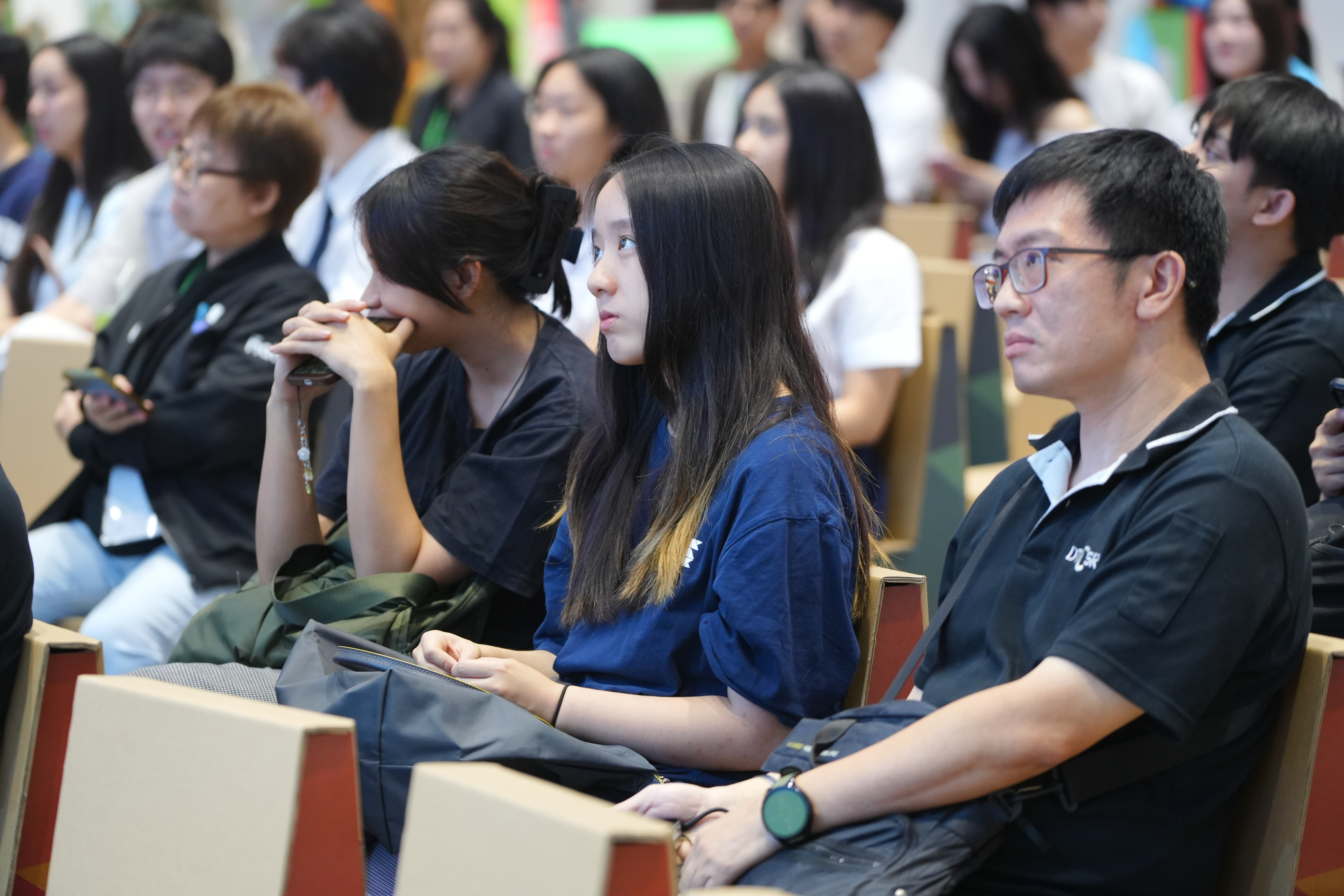
Phakaphon Khunopasworakul concluded that as SIFE enters its 21st year, the team is committed to expanding its positive impact across Thailand. They hope their shared experiences will serve as an inspiration for everyone to drive and pass on sustainability, in line with their slogan: "A Sustainable Beginning for a Long-Lasting Life."
To learn more about SIFE's projects, follow their Facebook and Instagram at Chula SIFE or read the SIFE Story book.