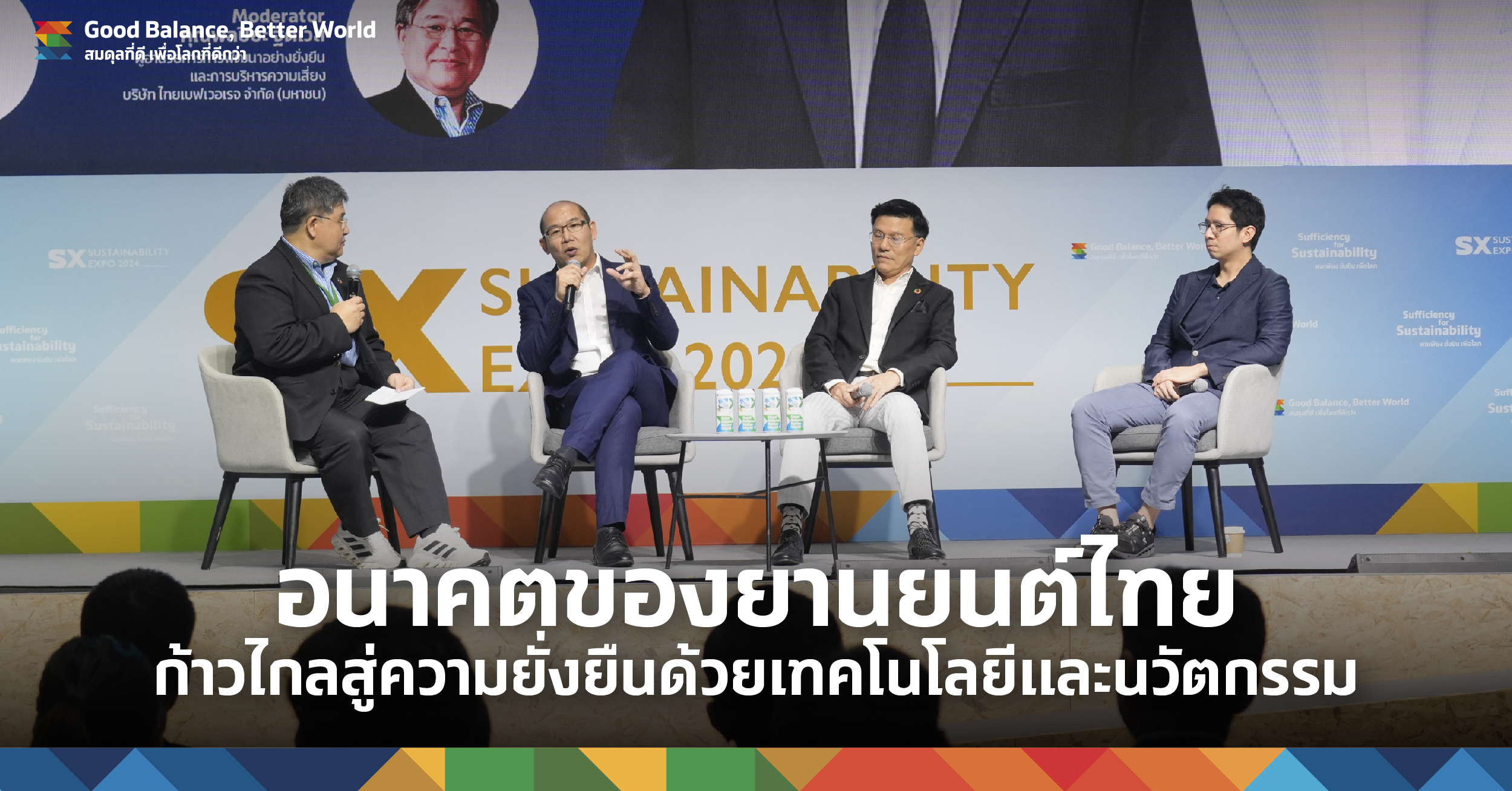
The global automotive industry is undergoing a major transformation—driven by electric vehicles (EVs), autonomous driving, and advanced connectivity technologies—against the backdrop of intensifying environmental challenges. Thailand is acutely aware of these shifts and is taking decisive steps to reshape its automotive sector toward a more sustainable future.
Sustainable Mobility for the Future of Life
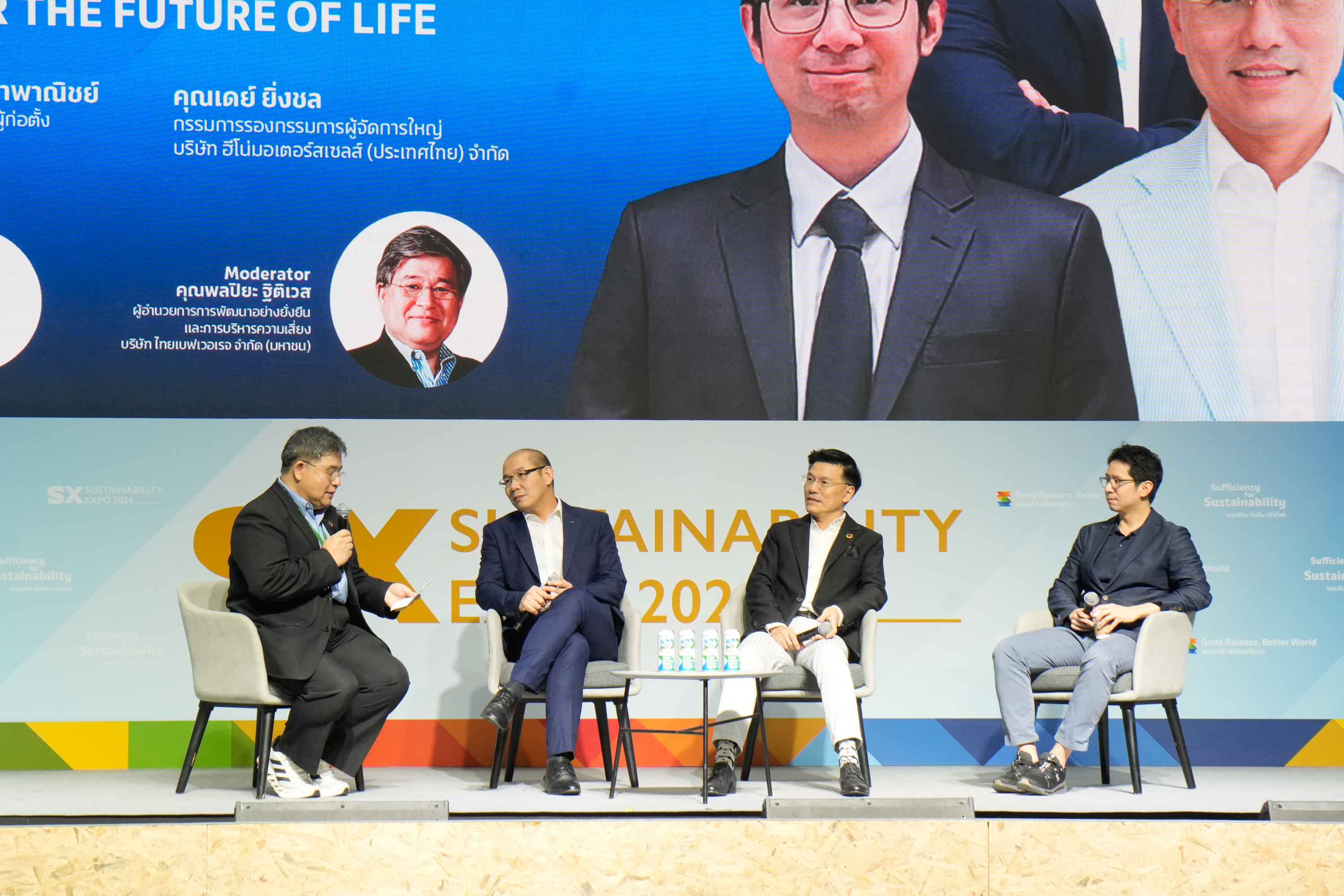
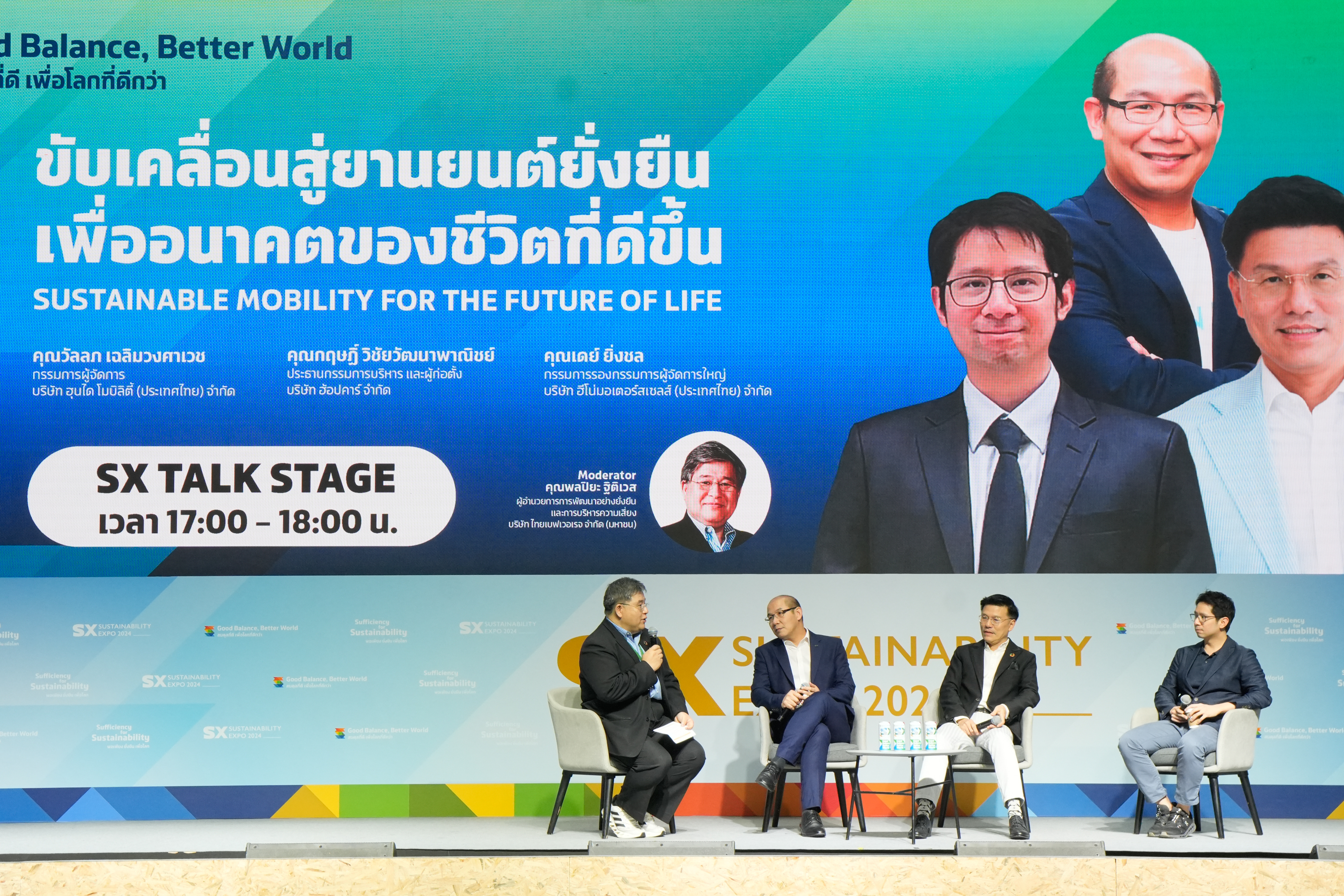
At SX 2024, the forum “Sustainable Mobility for the Future of Life” served as a platform for visionary leaders from the automotive industry—including Hyundai, Hino, and HAUP—to share their perspectives, chart future directions, and explore both the challenges and opportunities that lie ahead for Thai mobility.
Panelists included:
-
Mr. Vallop Chalaemwongsawat, Managing Director, Hyundai Mobility (Thailand) Co., Ltd.
-
Mr. Day Yingchon, Deputy Managing Director, Hino Motors Sales (Thailand) Ltd.
-
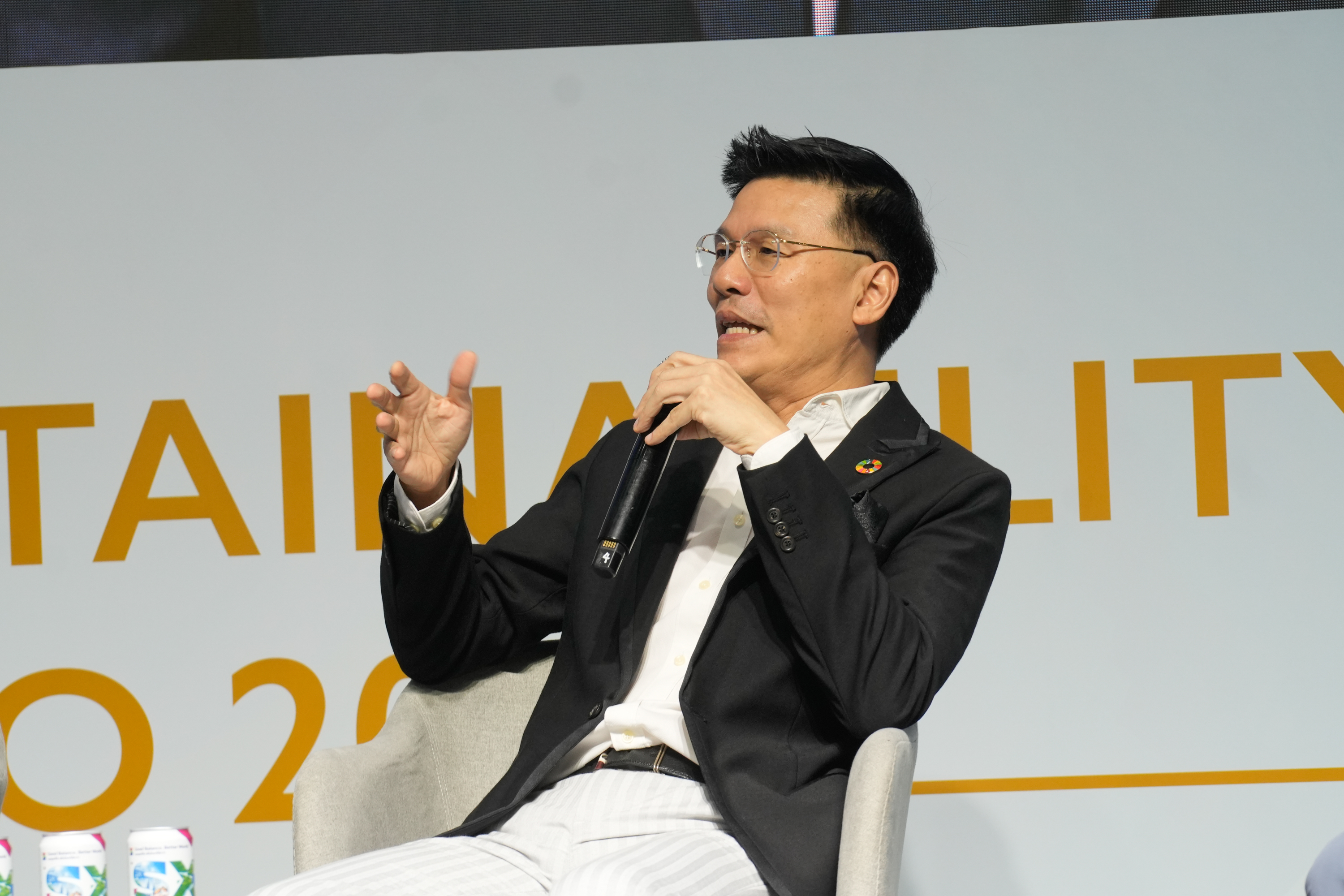
Mr. Krit Vichaiwattapanich, Chairman and Founder, HAUPCAR Co., Ltd.
The discussion was moderated by Mr. Polpiya Thitiwes.
Hyundai Pioneers the EV Market with the IONIQ 5 and a Comprehensive Ecosystem
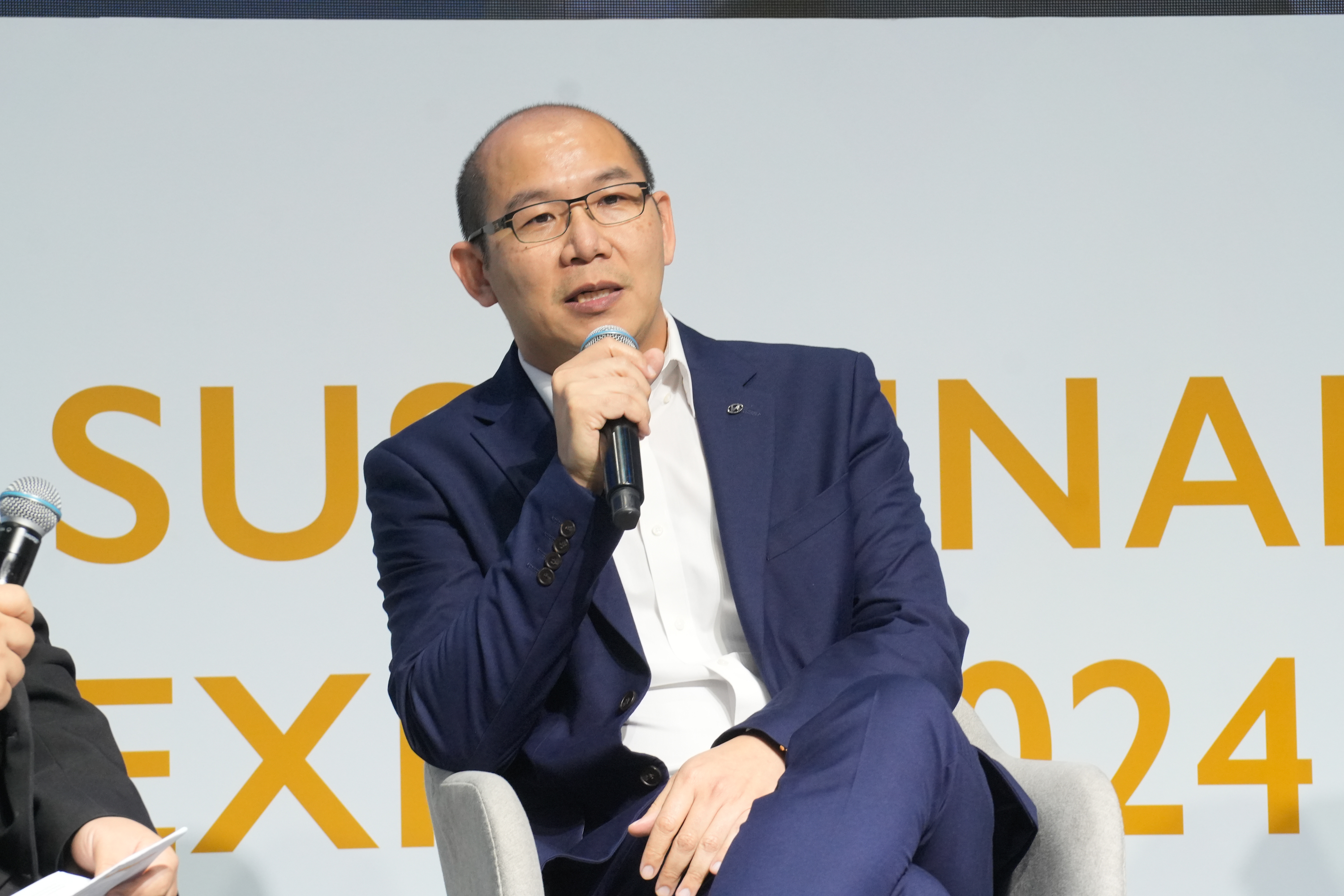
Mr. Vallop shared Hyundai’s bold vision to lead the EV movement in Thailand. At the heart of their strategy is the IONIQ 5, offered at a highly competitive price starting at 1,699,000 THB, made possible through the government’s EV 3.5 incentive program.
Beyond the vehicle itself, Hyundai is investing in building a complete EV ecosystem in Thailand—from local EV and battery assembly plants, to diversified hybrid technologies like HEV, PHEV, and EREV, addressing varied consumer needs. Additionally, Hyundai is advancing autonomous vehicle technologies such as RoboTaxi, currently being tested overseas, and is preparing to launch Advanced Air Mobility (AAM)—or air transport drones—by 2028.
Hino Focuses on Efficiency and Cost Reduction Through Smart Technology
Representing Hino, Mr. Day highlighted the dual challenge of balancing environmental impact with the essential role of commercial trucks. Hino is addressing this through innovations that lower operating costs and enhance efficiency, such as the Hino Connect system, which improves fleet management and reduces fuel consumption.
Hino is also committed to promoting eco-driving behaviors through driver training systems, and is actively developing alternative energy solutions—including EVs and hydrogen-powered vehicles—to decrease reliance on fossil fuels.
HAUP Connects Every Journey to the Sharing Economy
Mr. Krit from HAUP presented an innovative car-sharing platform that connects vehicle owners and users through a user-friendly mobile app. Initially launched within universities to instill the values of the sharing economy among younger generations, HAUP now plans to expand into autonomous vehicles, bicycles, motorcycles, and other modes of transport—building a holistic mobility ecosystem that’s accessible and sustainable.
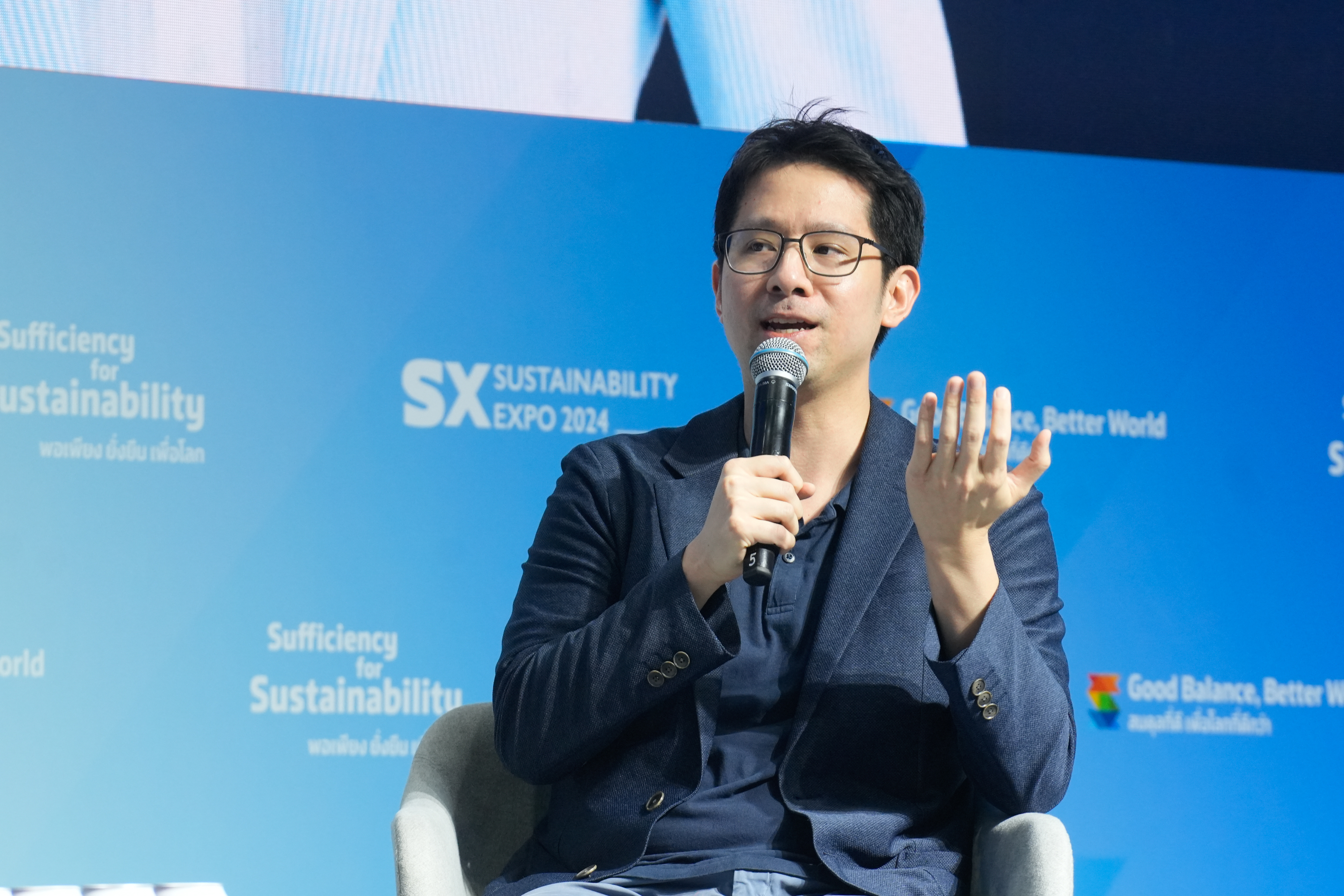
Sustainability: Beyond Electric Vehicles
The session underscored that sustainability extends far beyond EV adoption. It encompasses greenhouse gas reduction, energy efficiency, waste management, and social equity. All panelists agreed: new technologies and business models must be designed with their broader social and environmental impacts in mind—ensuring a sustainable future for all.
Challenges and Opportunities for Thai Mobility
Thailand faces several hurdles in transitioning to future mobility, including infrastructure readiness, regulatory alignment, and workforce development. However, the country is also uniquely positioned to become a regional hub for EV and smart mobility, thanks to its robust manufacturing base and integrated supply chains.
Driving Thai Mobility Toward a Sustainable Future
The SX forum shone a spotlight on the Thai automotive industry’s evolving landscape, reflecting a shared vision among public and private sectors to steer Thailand into the era of future mobility—one that embraces innovation while confronting emerging challenges and seizing new opportunities.
At the heart of this transformation lies more than just the push for electric vehicles or emissions reductions. It requires a multi-stakeholder collaboration that integrates policy, innovation, education, and consumer behavior to achieve true sustainability.
หัวใจสำคัญในการพัฒนาอุตสาหกรรมยานยนต์ไทย มิใช่เพียงการมุ่งสู่เทคโนโลยียานยนต์ไฟฟ้า หรือการลดการปล่อยมลพิษ แต่คือการบูรณาการความร่วมมือจากทุกภาคส่วน เพื่อบรรลุเป้าหมายแห่งความยั่งยืนอย่างแท้จริง โดยมีแนวทางดังนี้
Key Roles in Building a Sustainable Automotive Industry
Government Sector
-
Policy and Incentives: Promote investment, R&D, and the adoption of EVs and related technologies, including autonomous vehicles and digital connectivity.
-
Infrastructure Development: Invest in national power grids, EV charging stations, and integrated public transport systems.
-
Regulation and Support: Establish safety, environmental, and ethical standards to guide the industry's sustainable growth.
Private Sector
-
Investment and Innovation: Allocate resources to develop new technologies, products, and business models—such as EV manufacturing, battery systems, autonomous tech, and car-sharing platforms.
-
Collaboration: Partner with the government, academia, and communities to cultivate a thriving automotive ecosystem.
-
Capability Building: Enhance workforce skills, optimize production processes, and strengthen global competitiveness.
Academic Sector
-
Talent Development: Educate and train professionals in cutting-edge automotive technologies, including EVs, AI, IoT, and robotics.
-
Research and Innovation: Drive innovation through industry-aligned research and development.
-
Technology Transfer: Share knowledge and innovations with industry stakeholders for practical applications.
General Public
-
Behavioral Shifts: Choose eco-friendly transport options such as EVs, public transportation, and car-sharing services.
-
Active Participation: Engage with policymakers and businesses to shape the industry’s sustainable direction.
-
Awareness Building: Advocate for modern mobility and environmental stewardship through education and community engagement.
Thailand: A Promising Hub for EV and Mobility in ASEAN
With a strong foundation in production, human capital, and supply chain networks, Thailand has what it takes to lead the region in sustainable mobility. Nonetheless, continued development of infrastructure, regulatory frameworks, and workforce capabilities remains crucial.
Through long-term vision, collaboration, and commitment, Thailand is well-positioned to emerge as a global leader in future mobility—delivering prosperity, opportunity, and a better quality of life for all.
Stay connected with the latest updates and activities from SX via Facebook: Sustainability Expo
Follow us on LINE: @sxofficial
Get ready for SX2025—bigger and bolder than ever—returning from 26 September to 5 October 2025 at Queen Sirikit National Convention Center.