
These days, it's no longer a question of whether people care about climate change—every corner of the globe is facing relentless storms and extreme weather events. As the Earth continues to warm, climate-induced disasters are becoming more frequent and more intense. And since no real-life technology exists to control the weather (outside of science fiction), the critical question remains: How do we manage these growing risks?
At the SUSTAINABILITY EXPO 2024 (SX2024), renowned marine scientist and Vice Dean for Special Affairs at the Faculty of Fisheries, Associate Professor Dr. Thorn Thamrongnawasawat, offered a compelling perspective in his talk:
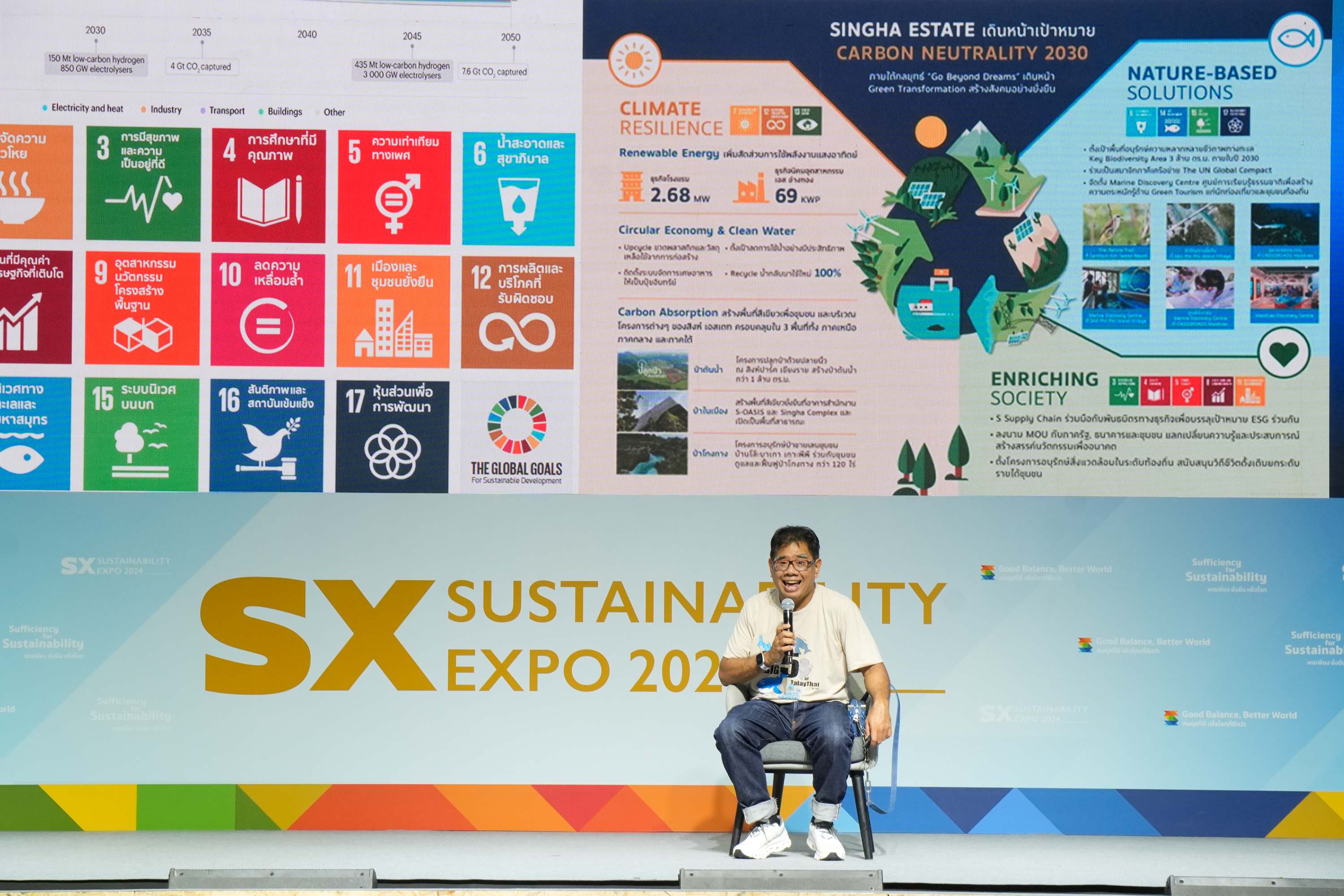
"How Can We Survive in a Warming World?"
His insights painted a vivid picture of why the planet seems to be unleashing wave after wave of “new services” in the form of natural destruction—unprecedented in human history.
Three Keys to Tackling the Climate Crisis
According to Dr. Thorn, addressing climate change boils down to three core pillars:
-
Reducing Carbon Emissions
While Thailand is not among the world's top carbon emitters, emission reduction remains important. However, it's not the most urgent concern for the country at this point. -
Disaster Preparedness
Thailand must enhance its disaster response systems—from emergency rescue operations and early warning mechanisms to smarter urban planning and zoning laws. -
Adaptation
Economic systems must transition to low-carbon models to remain competitive and attract foreign investment. Businesses must go green—not just as a choice, but out of necessity due to increasing international regulatory pressures.
“The reality is that solving climate problems requires continuous investment. Yet Thailand often operates under short-term political agendas and policies without long-term commitment,” said Dr. Thorn.
For example, major global tech companies are now turning to nuclear energy—a clean, stable power source that emits no carbon—to meet the soaring electricity demands of their data centers. Microsoft recently signed a deal to purchase nuclear energy from the Three Mile Island plant in Pennsylvania. Amazon has acquired nuclear-powered data centers, while Oracle is currently designing its own.
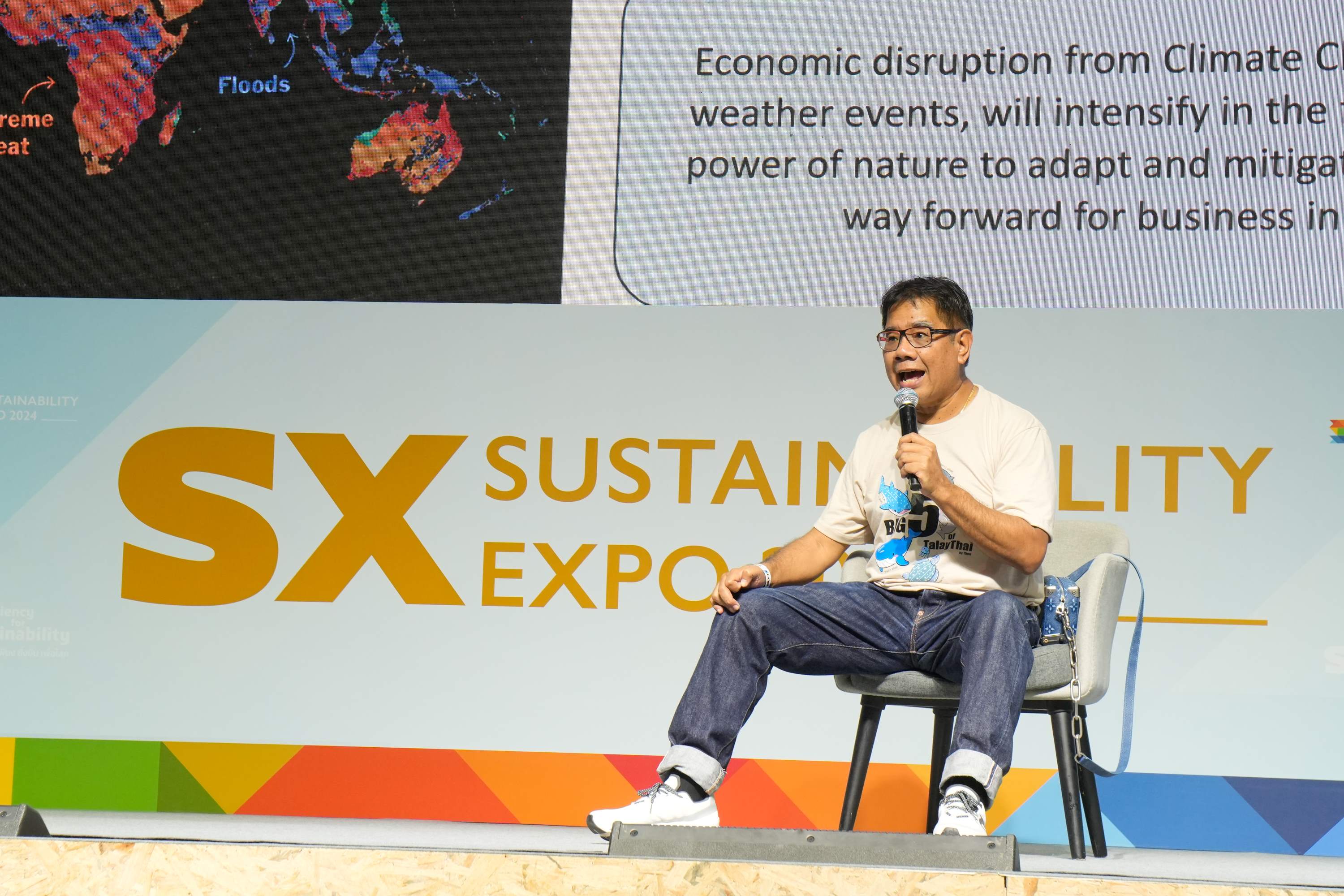
How Can Thai People Adapt to a Warming Planet?
Dr. Thorn also shared thoughts via his Facebook page, highlighting the need for personal adaptation:
“We can’t magically regrow forests overnight or reduce greenhouse gases with a snap of our fingers—they're only increasing. We may want the government to enhance disaster protections, but that day won’t come soon. So now is the time to help ourselves.”
In this era, the most essential life skills are curiosity and caution. The biggest challenge today is our attachment to outdated thinking, even as the world changes rapidly. We must seek new opportunities—whether in education, green careers, or sustainable businesses.
In the past, education was the key to earning more. Now, the focus must shift to how to save and protect what we’ve earned in preparation for uncertain futures.

Rethinking Homeownership, Rethinking Risk
Dr. Thorn urged younger generations to reconsider traditional ideas of homeownership. Buying a house or condo and taking on a 30-year mortgage may no longer be the wisest move. Renting offers flexibility—you can relocate easily as needs or risks change. In old age, not owning property means avoiding the burden of costly repairs. Instead, keeping your savings liquid could be the smarter strategy.
If one dreams of retiring in the peaceful countryside, make sure the chosen location won’t become the next disaster zone. Consider short-term leases and the option to relocate quickly if needed.
Those already living in high-risk zones must assess their situation thoroughly—both in terms of life safety and asset vulnerability. Emergency evacuation plans and risk mitigation strategies are essential. In cases of persistent, increasing danger, retreat may be the only viable option.
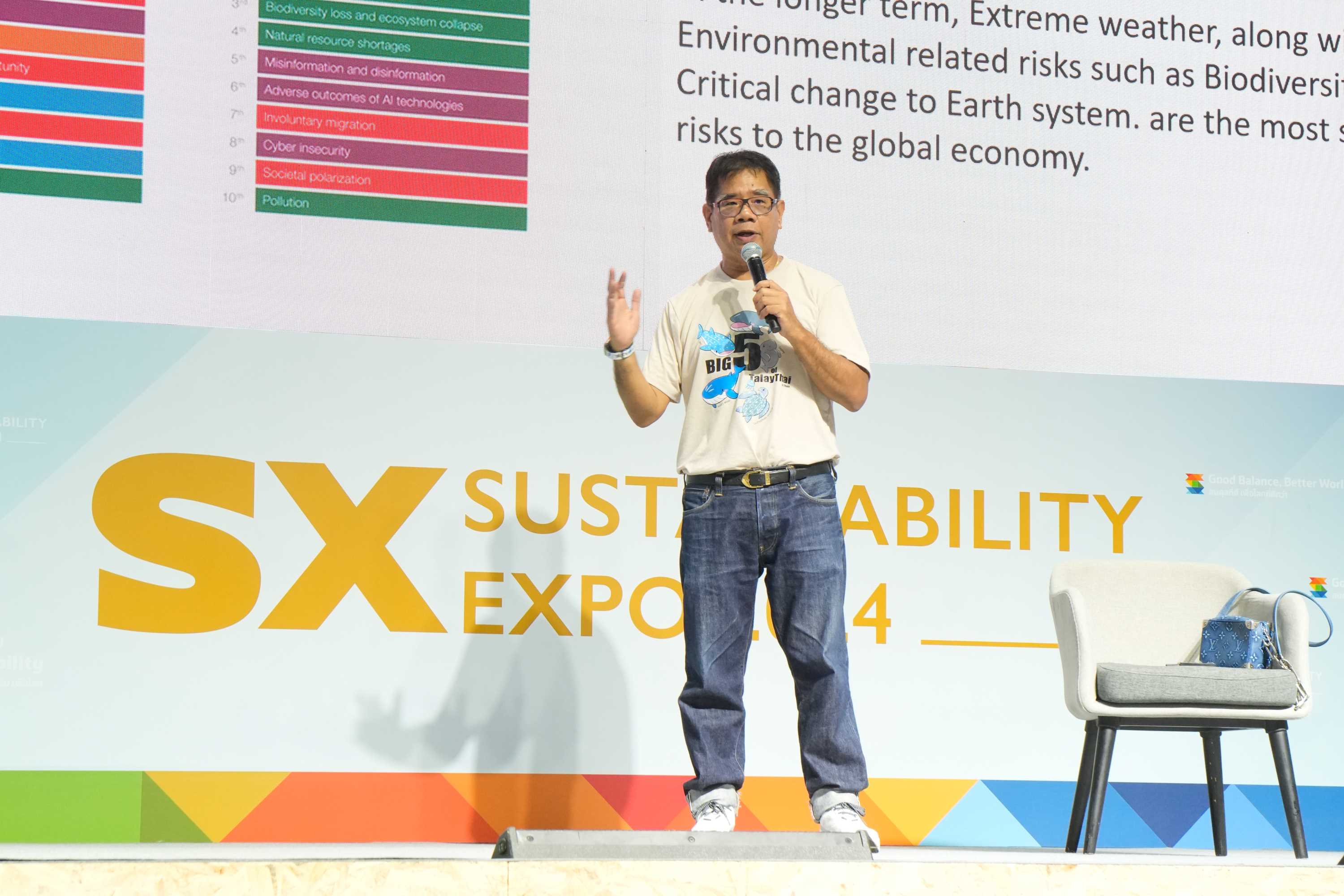
The Future of Real Estate: Risk Redefines Value
In today’s climate era, real estate values are no longer driven by the same factors as in the past. Risk is becoming a key variable. Properties in safer zones will be more valuable in the long run, simply because protecting risky land from climate disasters will require enormous and growing financial investment.
“I’ve tried to shed all the unnecessary assets weighing me down,” Dr. Thorn shared.
“Back when I was young, my father would say, ‘Buy this land—the road will come through someday, and prices will rise.’
But my philosophy is different now: only hold assets that allow for agile, rapid change.”
Investors—whether in Thai or international markets—must now factor in climate risk. Countries like Vietnam and the Philippines are already suffering repeated blows from extreme weather. Just this past September, Super Typhoon Yagi slammed northern Vietnam, causing massive destruction—and triggering floods as far as Thailand.
Follow SX updates and events on the Sustainability Expo Facebook Page or add Line ID: @sxofficial Get ready for SX2025, returning grander than ever from September 26 to October 5, 2025, at the Queen Sirikit National Convention Center (QSNCC)