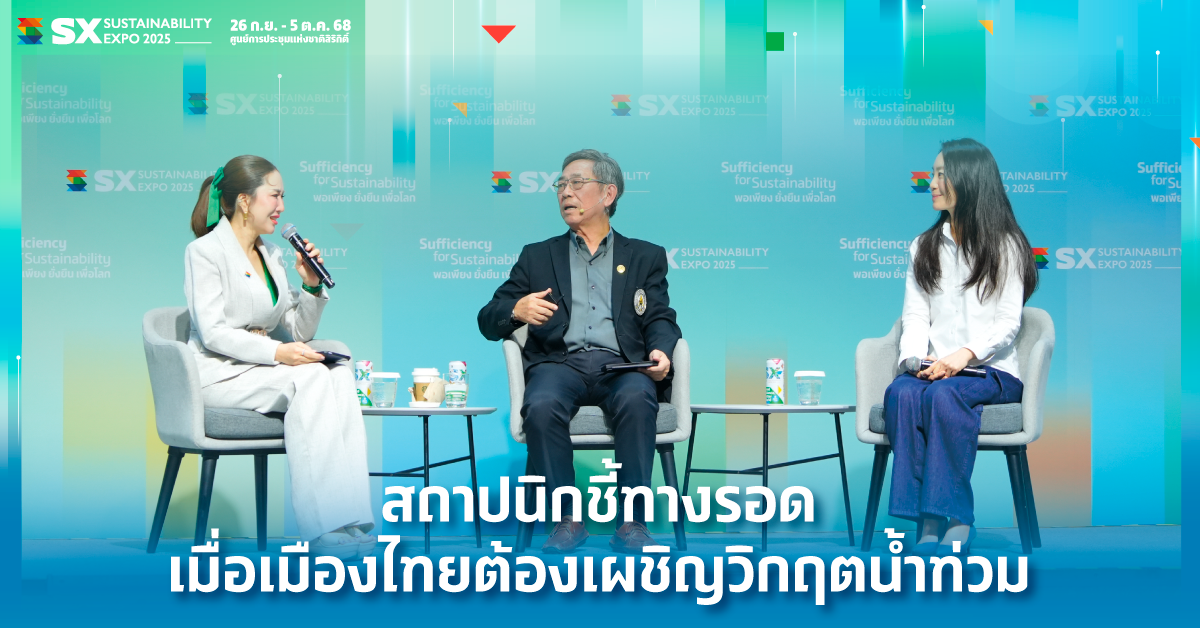
The SX TALK STAGE at SUSTAINABILITY EXPO (SX2025), ASEAN's largest sustainability exposition, hosted a discussion titled "Nature-Based Solutions for Climate Change." This session provided profound insights from experts in architecture and landscape architecture, seeking sustainable approaches to disaster response, particularly the worsening annual flood problems.
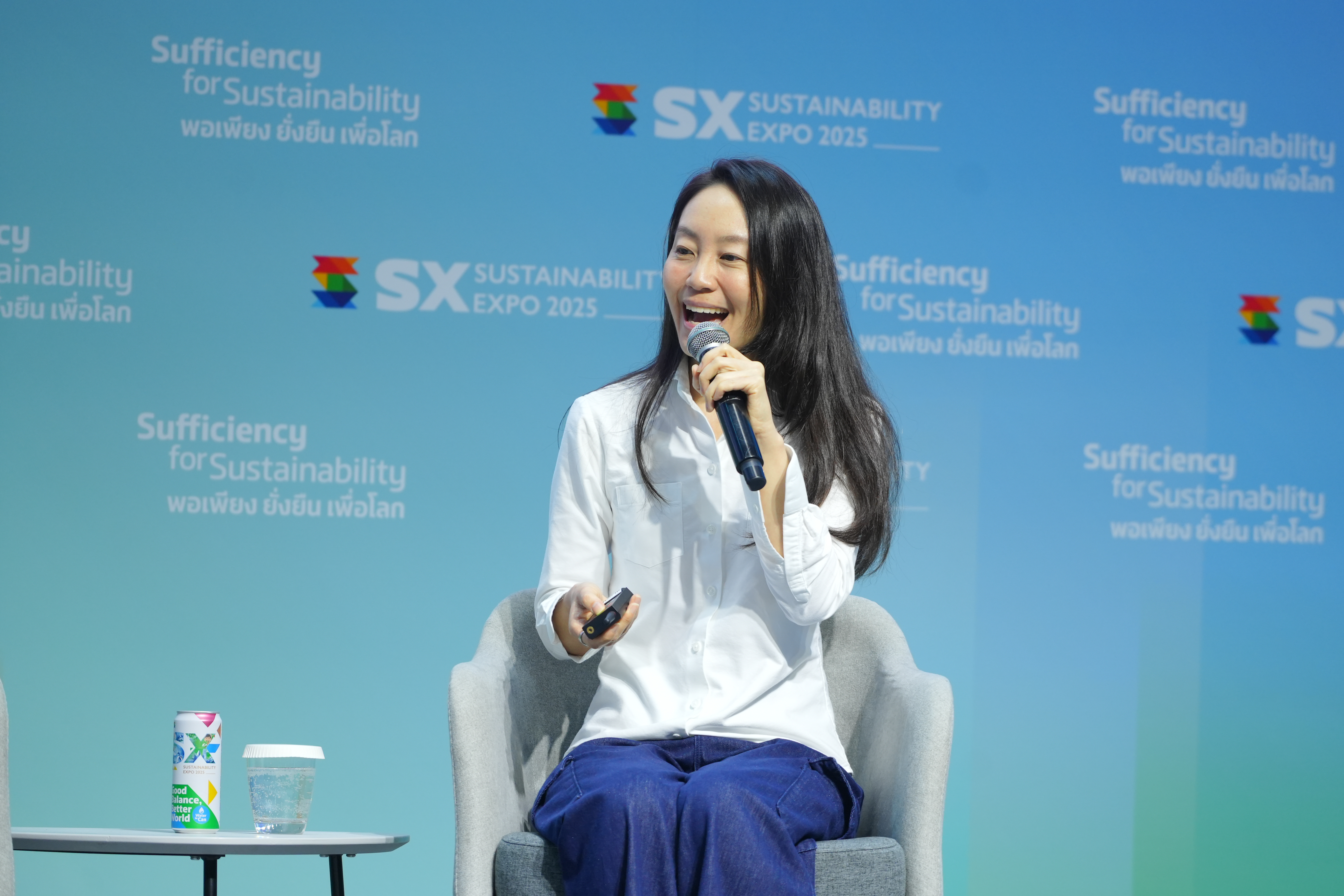
The session was honored by distinguished speakers: Dr. Veraphun Shinnawatra, Vice President of The Association of Siamese Architects under Royal Patronage (ASA) and Vice President of the Association for the Conservation of Art and Environment (ICOMOS Thailand), and Ms. Vipavee Kunavichayanont, Chairperson of the Flood Relief Network at ASA and Co-founder of the Design for Disasters Foundation.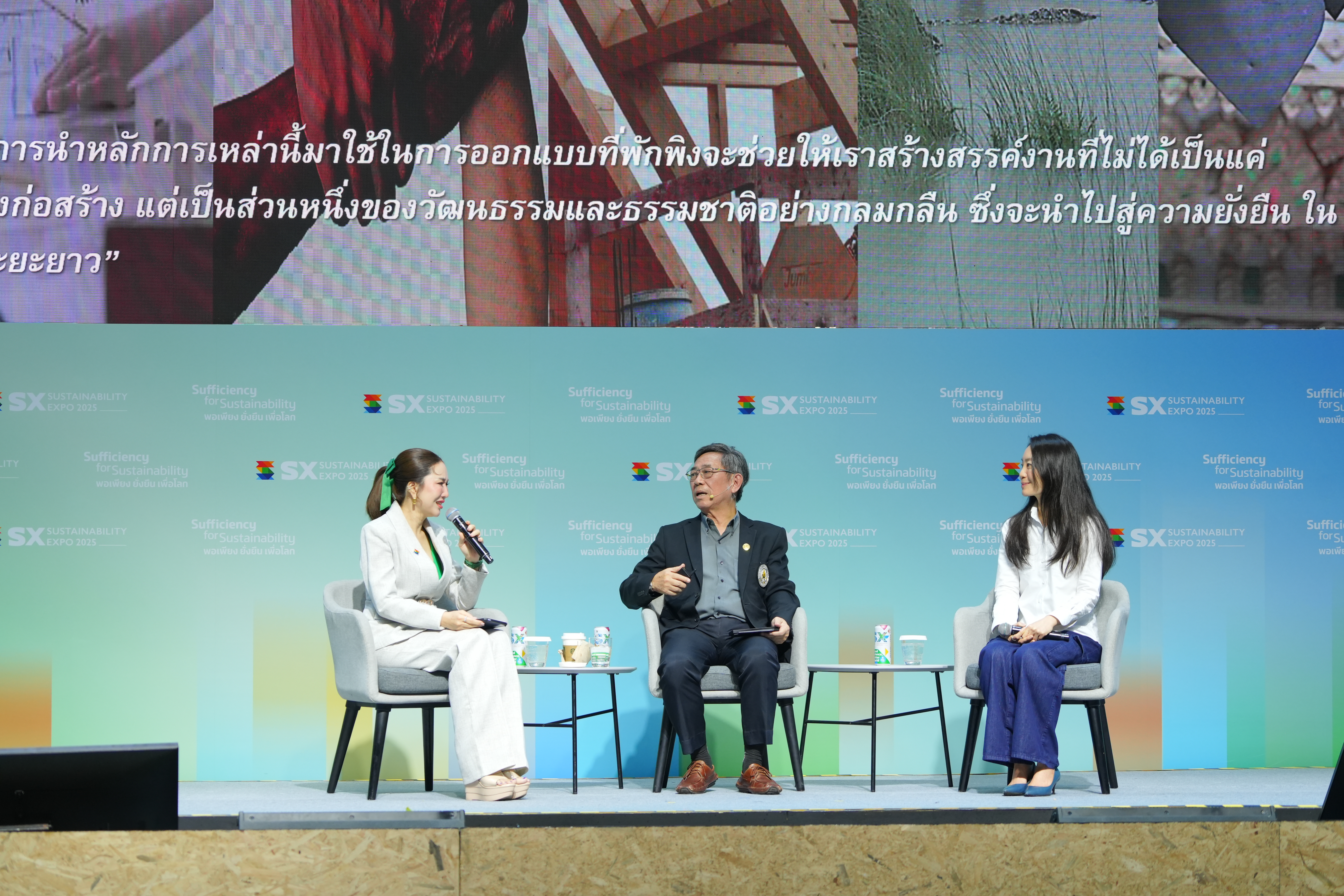
The World is Boiling, and Survival Lies in Nature
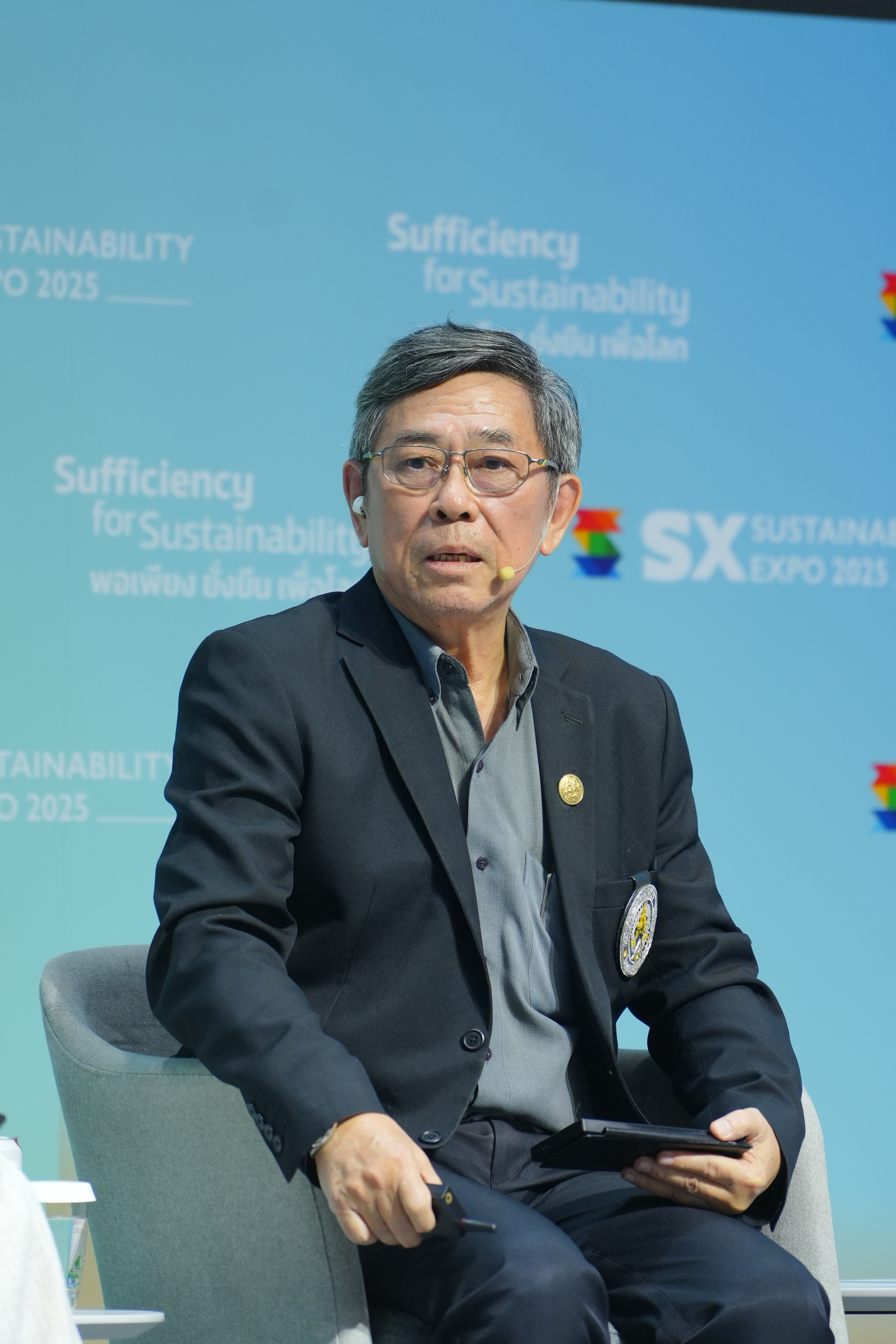
Dr. Veraphun Shinnawatra opened the discussion by addressing the urgency of the crisis, stating that the world is no longer just heating up but has entered a state of "Global Boiling." It is predicted that within 5 years, temperatures will exceed the 1.5°C threshold—a point of no return—if high levels of greenhouse gas emissions continue. The consequences include heavy rainfall, severe flooding, and food insufficiency.
He emphasized that the key response strategy is Nature-Based Solutions (NBS). This is considered a cost-effective and sustainable method, as it has lower implementation costs than large-scale infrastructure while providing multi-dimensional benefits: nature restoration, climate impact mitigation, carbon sequestration, and potential socio-economic benefits from eco-tourism.
When Wisdom is Swallowed by Concrete
Dr. Veraphun Shinnawatra highlighted the dramatic changes in Thai societal settlement. In the past, Thailand was a "water-based society" (muang nam) for hundreds of years. Bangkok, in particular, had an extensive canal system. Today, with the shift towards consumerism, industrialization, and road construction, canals have been landfilled, leaving fewer than 2,000. They have been replaced by high-density tall buildings, eliminating greenery and waterways.
Current settlements often disregard the natural topography (the direction of water flow from high to low ground), resulting in severe flooding in many areas.
Modern Design for ‘Living with Water’
Both experts proposed that we must shift our mindset from "fighting the water" to "living with water" through landscape architecture. A key concept discussed was the "Sponge City," a principle emphasized by the United Nations (UN). A Sponge City requires flexible urban planning, utilizes Blue-Green principles (increasing green and water spaces), and adheres to four clear water management strategies: Protect (existing green areas), Delay (creating water retention areas/ Kaem Ling), Store (water), and Release (draining when the situation resolves).
While Thailand's traditional wisdom for co-existing with water—such as houseboats, high-stilted houses, and "floating rice" that once grew 7-8 meters tall—has faded, countries like the Netherlands are actively developing modern "floating villages" integrated with advanced technology.
For Thailand, Ms. Vipavee Kunavichayanont presented prototype projects already implemented or being promoted:
-
Amphibious Agriculture Plots: A project in Surat Thani province that uses recycled foam from shrimp farms to create vegetable plots that rise and fall with the water level, serving as a community food source. The project involved nine architectural firms and utilized woven bamboo for structures.
-
"Baan Pordee Pordee" (Sufficient House): A structure designed by the firm Voila, based on rapid construction using locally available, low-cost materials. It was adapted for disaster response, notably during the 2014 Chiang Rai earthquake.
-
Floating Emergency Shelters: An ongoing research project to accommodate disaster scenarios.
Key Obstacles: Legislation and Participation
Ms. Vipavee Kunavichayanont acknowledged that significant constraints in designing for disaster response include the budget and whether the homeowner is "on board" with preparing for the future. She noted that materials for floating houses are not necessarily more expensive than conventional homes decorated with luxury materials; it all depends on the owner's priorities.
Dr. Veraphun Shinnawatra pointed to the most critical systemic obstacle: "the law." Current regulations, such as those from the Harbour Department (กรมเจ้าท่า), prohibit living on the water unless one has done so historically, preventing the evolution of traditional wisdom.
Sustainable design must therefore return to considering the local socio-geography and culture. This starts with studying local history and wisdom (e.g., working with "Sala," or bamboo artisans in Nan province, or using foam boxes in Surat Thani). The "designer's ego" must be reduced, and most importantly, community participation and the use of locally sourced materials are essential for long-term sustainability.
Future Vision: A "Sea Kaem Ling" to Protect Bangkok
Concluding the session, Dr. Veraphun Shinnawatra presented a long-term vision to cope with rapidly rising sea levels, which are already exceeding IPCC graph predictions.
Because Bangkok is a critical area containing temples, palaces, and infrastructure, he proposed a hybrid approach combining Nature-Based Solutions with a Structural Base (engineering). This involves creating a "Sea Kaem Ling" (Monkey's Cheek in the Sea) in the "Kor"-shaped (ก) Gulf of Thailand. Although this project would cost hundreds of billions of baht, he deems it necessary to prevent the impending crisis. He also presented six other designs for living with water, such as "canal-garden communities" and retrofitting the ground floors of buildings to be flood-resilient.
Ms. Vipavee Kunavichayanont left a short, sharp message: Amidst this severe crisis, what everyone needs most is "Sati" (mindfulness). Dr. Veraphun Shinnawatra urged government agencies to prepare urgently, emphasizing the need to amend laws under the Ministry of Interior and calling for the Ministry of Natural Resources and Environment to accelerate climate change research.
This session underscored that disasters will not wait, and no agency can help us better than citizens and state agencies preparing and adapting together, mindfully and sustainably.