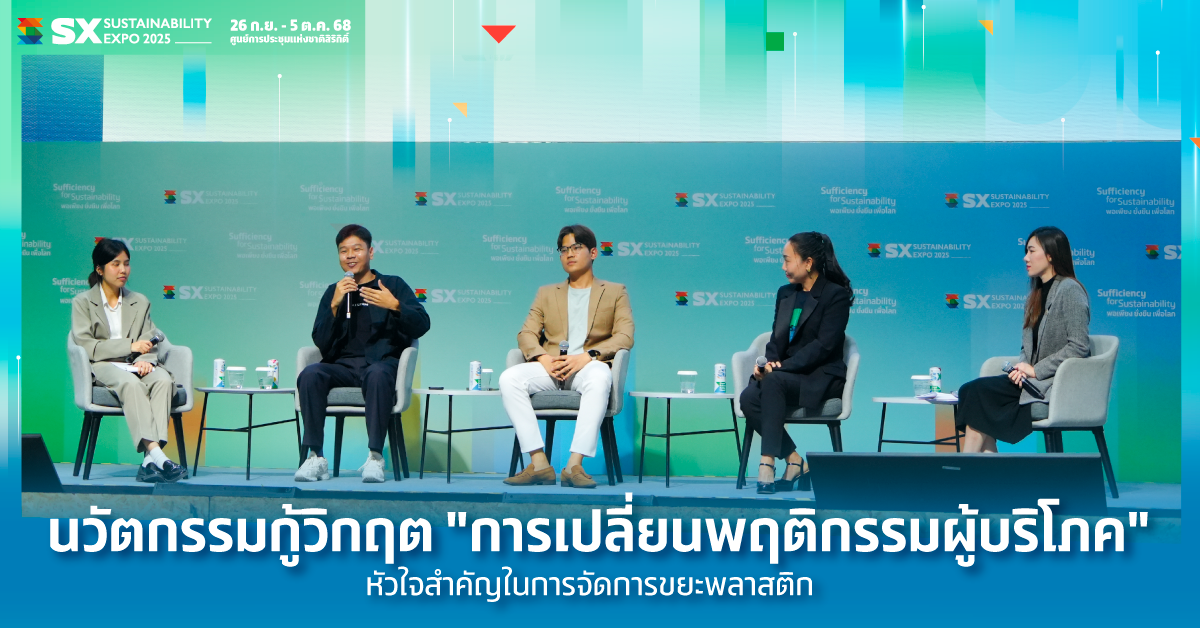
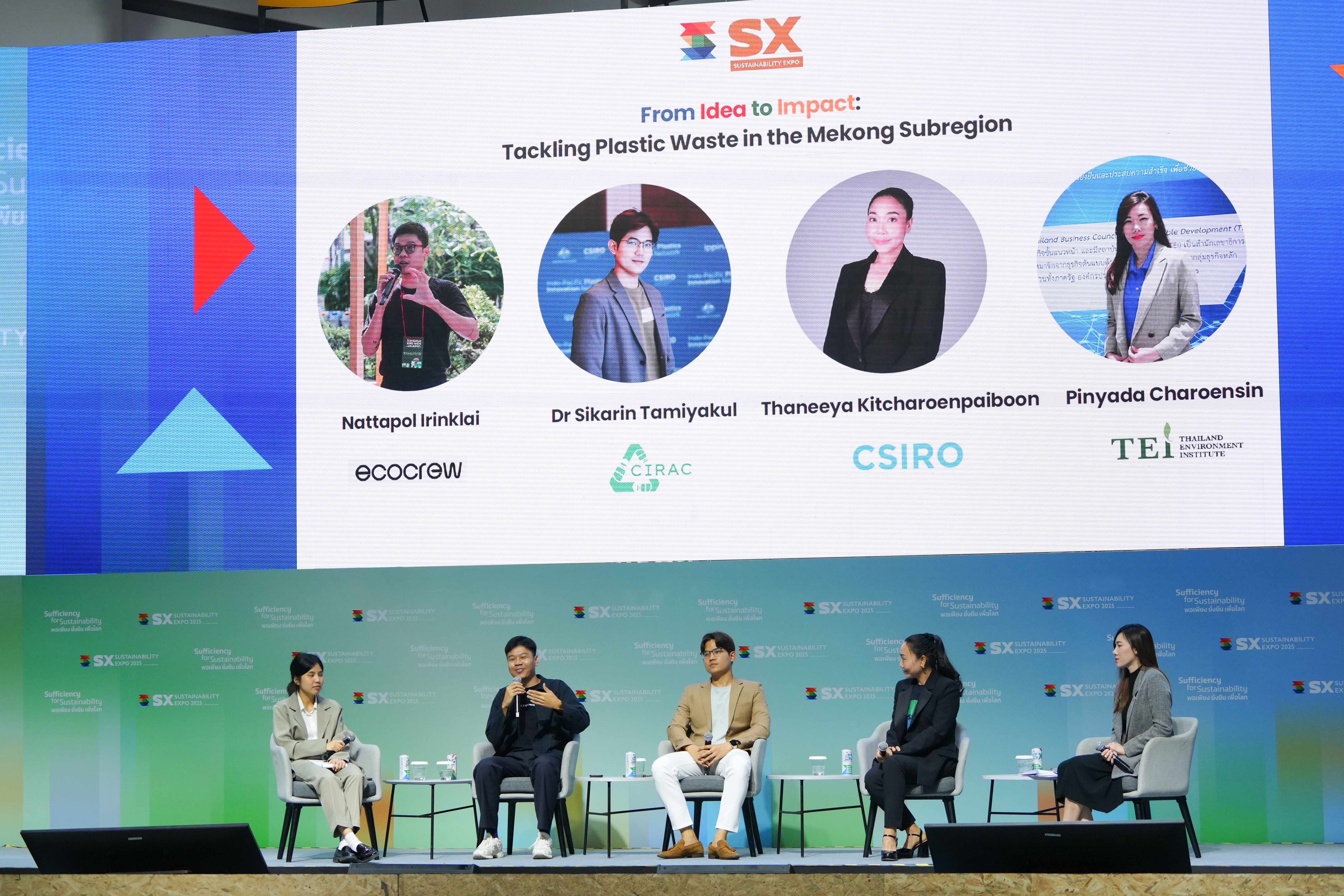
At the SUSTAINABILITY EXPO (SX2025), ASEAN's largest sustainability exposition, an SX TALK STAGE panel titled "From Idea to Impact: Tackling Plastic Waste in the Mekong Subregion" brought together experts and entrepreneurs to share experiences and innovations aimed at solving the plastic waste crisis challenging the region.
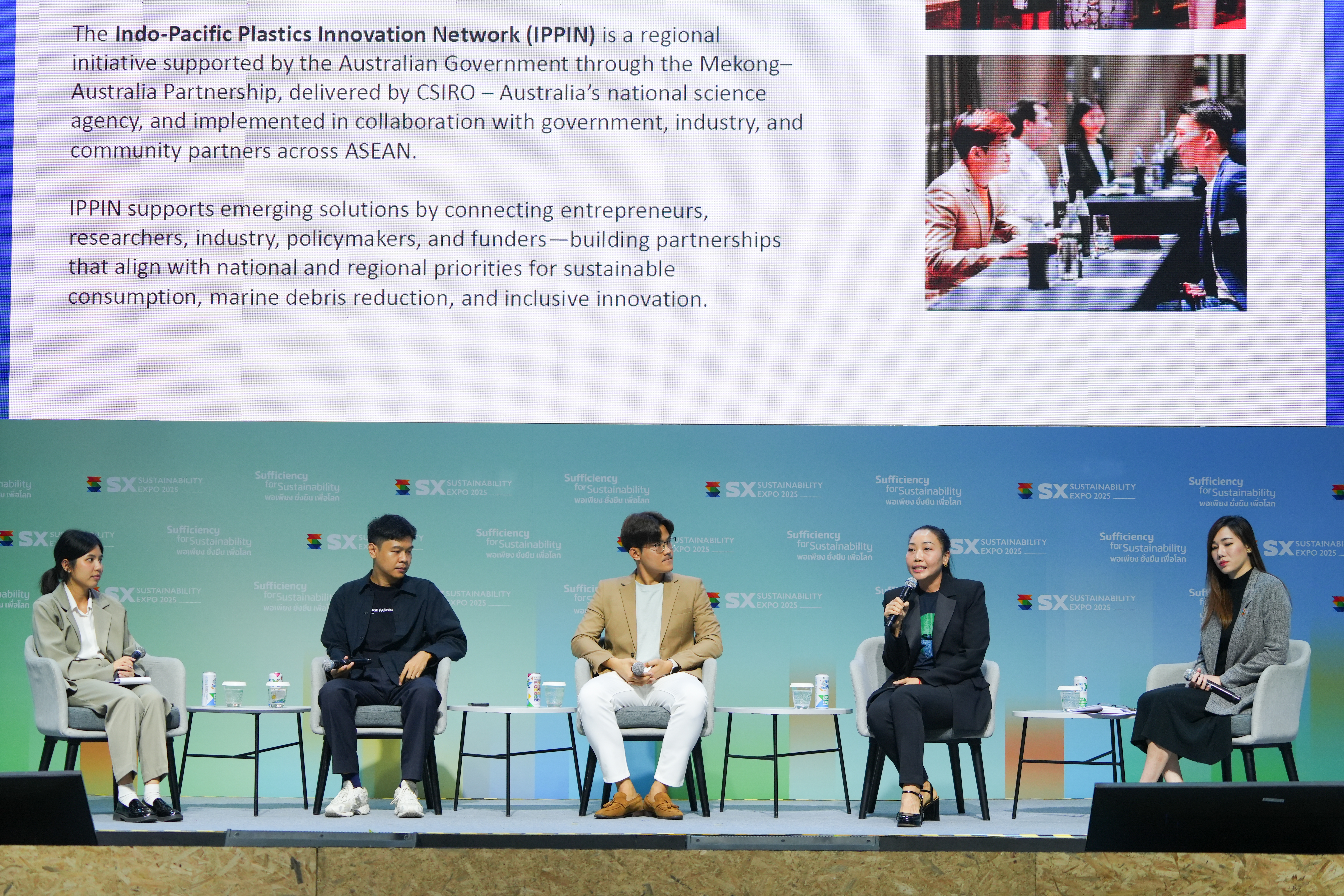
The session's moderator, Ratthakhamol Chantharavarathit, Project Manager of the Mekong Plastics Innovation Hub at the Australian Embassy in Thailand, opened the discussion by highlighting the significant challenge Thailand faces. She stated that out of 27 million tons of general waste generated annually, 2 million tons are plastic. However, a mere 21% of this plastic waste is recycled, a critically low figure. This problem not only impacts the environment and ecosystems but also affects public health, quality of life, and the economy. Solutions must therefore address the entire lifecycle, from reducing the creation of virgin plastic to decreasing daily reliance on plastics.
IPPIN: A Powerhouse for Sustainable Innovation Startups
The Indo-Pacific Plastics Innovation Network (IPPIN), a program supported by the Australian Government under the Mekong-Australia Partnership and implemented by CSIRO, Australia's national science agency, plays a pivotal role in driving innovation. IPPIN's primary goal is to support startups and entrepreneurs in Thailand and the Mekong region to develop practical, innovative solutions for the plastic waste problem, focusing on creating simultaneous economic, social, and environmental benefits.
Thaneeya Kijcharoenpaiboon, the Thailand Chapter Manager for IPPIN at CSIRO, explained that CSIRO is committed to reducing plastic waste in Australia's environment by 80% by 2030 and recognizes that achieving this requires regional collaboration. IPPIN, established in Thailand in 2023, has partnered with organizations like the Thailand Environment Institute (TEI) and the National Innovation Agency (NIA) to support entrepreneurs through Incubator and Accelerator programs. These programs specifically target three main hurdles faced by startups: technical knowledge, business/market scaling, and, most importantly, funding.
Circular Business Models Delivering Real Impact
The panel showcased innovative private sector examples, supported by IPPIN, that have successfully turned "ideas" into tangible "impact":
-
EcoCrew Thailand (Nattapon Arin-klay): One of the first businesses in Thailand to offer a Reusable Packaging System, EcoCrew provides a container rental service to reduce single-use plastics. The business began by tackling waste at events with a closed-loop system comprising reusable containers (durable for hundreds of uses), a tracking system, and management services. Nattapon Arin-klay revealed that at events fully utilizing the EcoCrew system, single-use plastic cups were significantly reduced (only 27 pieces left, compared to 123 at a non-system event). To date, the company has eliminated over 300,000 pieces of plastic waste across more than 50 events. Furthermore, EcoCrew treats waste as "data," helping brands understand consumer behavior to improve services and business decisions. The customer container return rate has impressively increased from 50% initially to 95.3% at their most recent event.
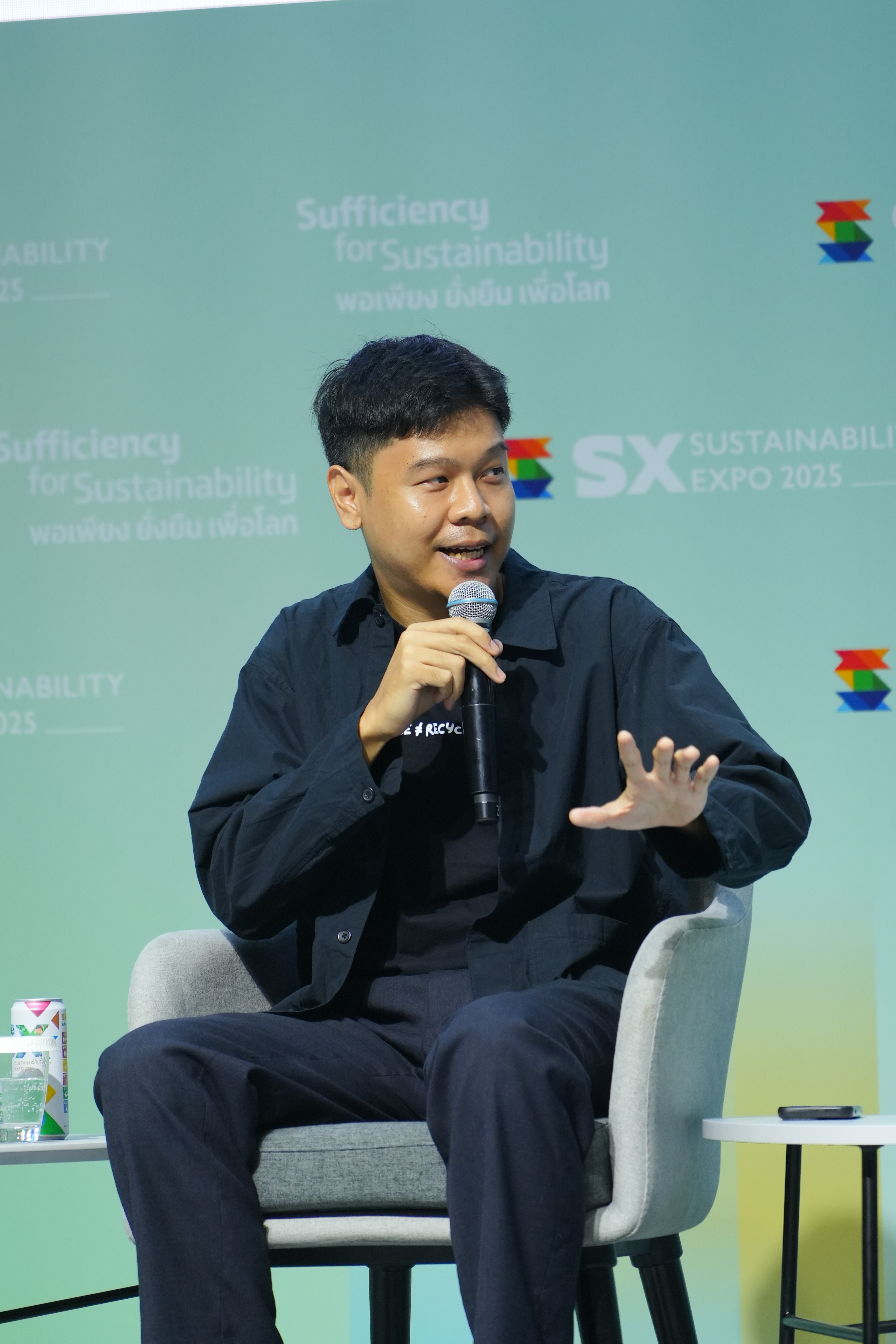
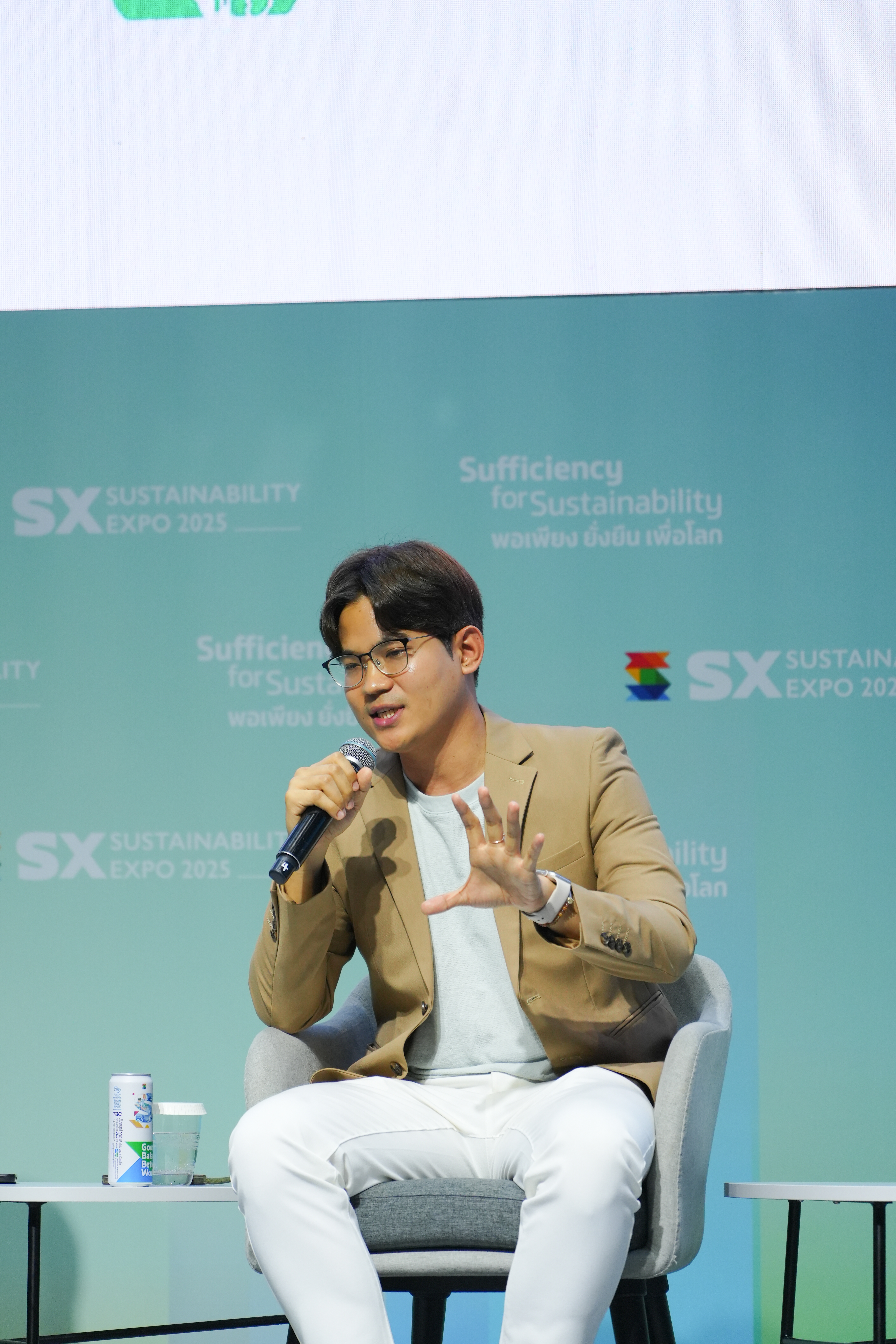
2.CIRAC (Dr. Sikharin Temyakul): This Deeptech company is focused on solving the most difficult recycling challenge: Multi-Layer Plastic Packaging (e.g., milk cartons, snack bags), where plastic and aluminum are bonded together, making traditional recycling impossible. CIRAC has developed a technology that successfully separates aluminum and plastic, allowing the aluminum to be reintroduced into industrial supply chains. Dr. Sikharin Temyakul pointed out that the key obstacles are creating a sustainable (profitable) technology value proposition and building market confidence. With funding from the Thai government (NIA) and the private sector, along with crucial connections and mentorship from IPPIN, CIRAC has been able to scale internationally, including pitching at a Silicon Valley accelerator program.
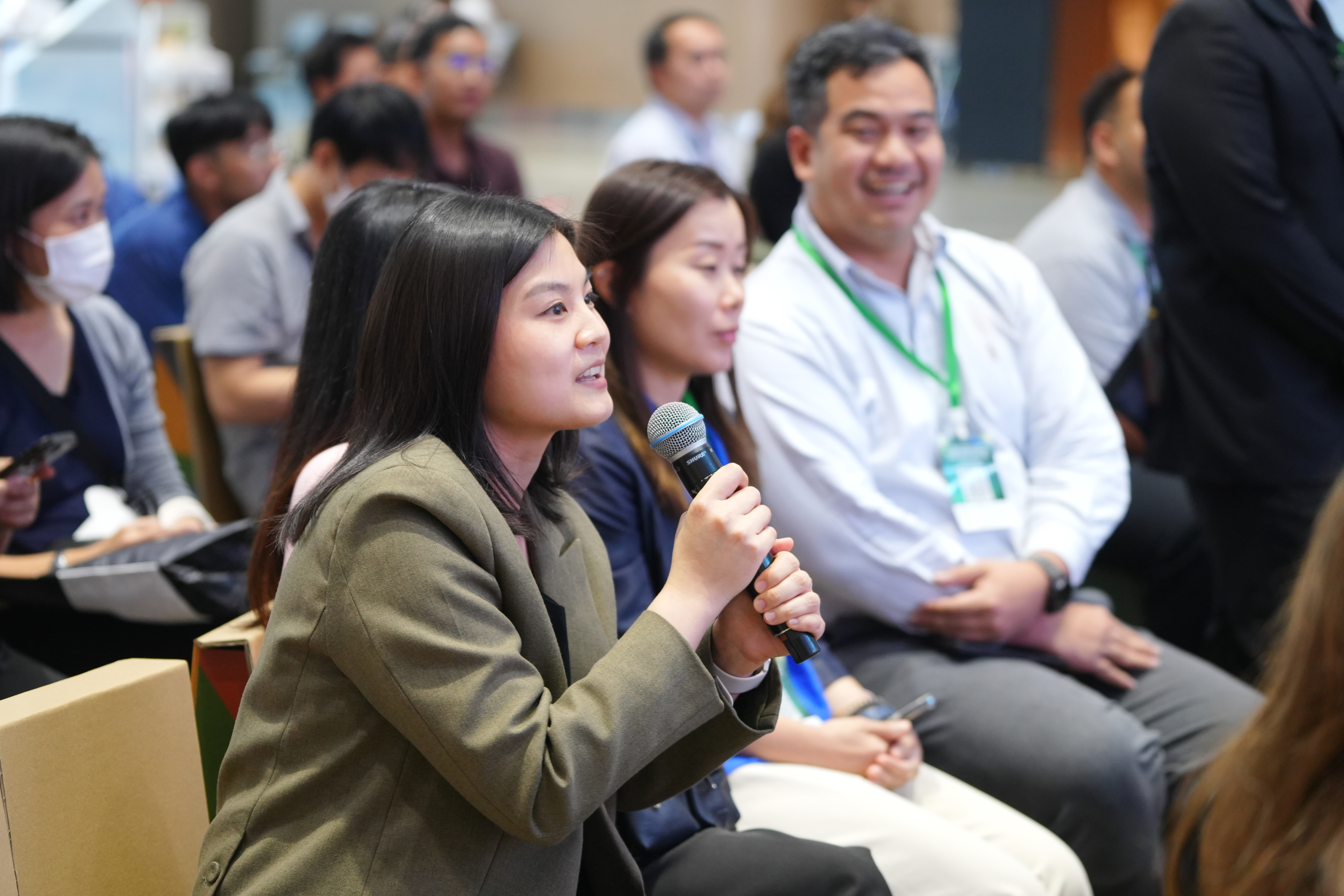
Policy and Infrastructure to Support the Transition
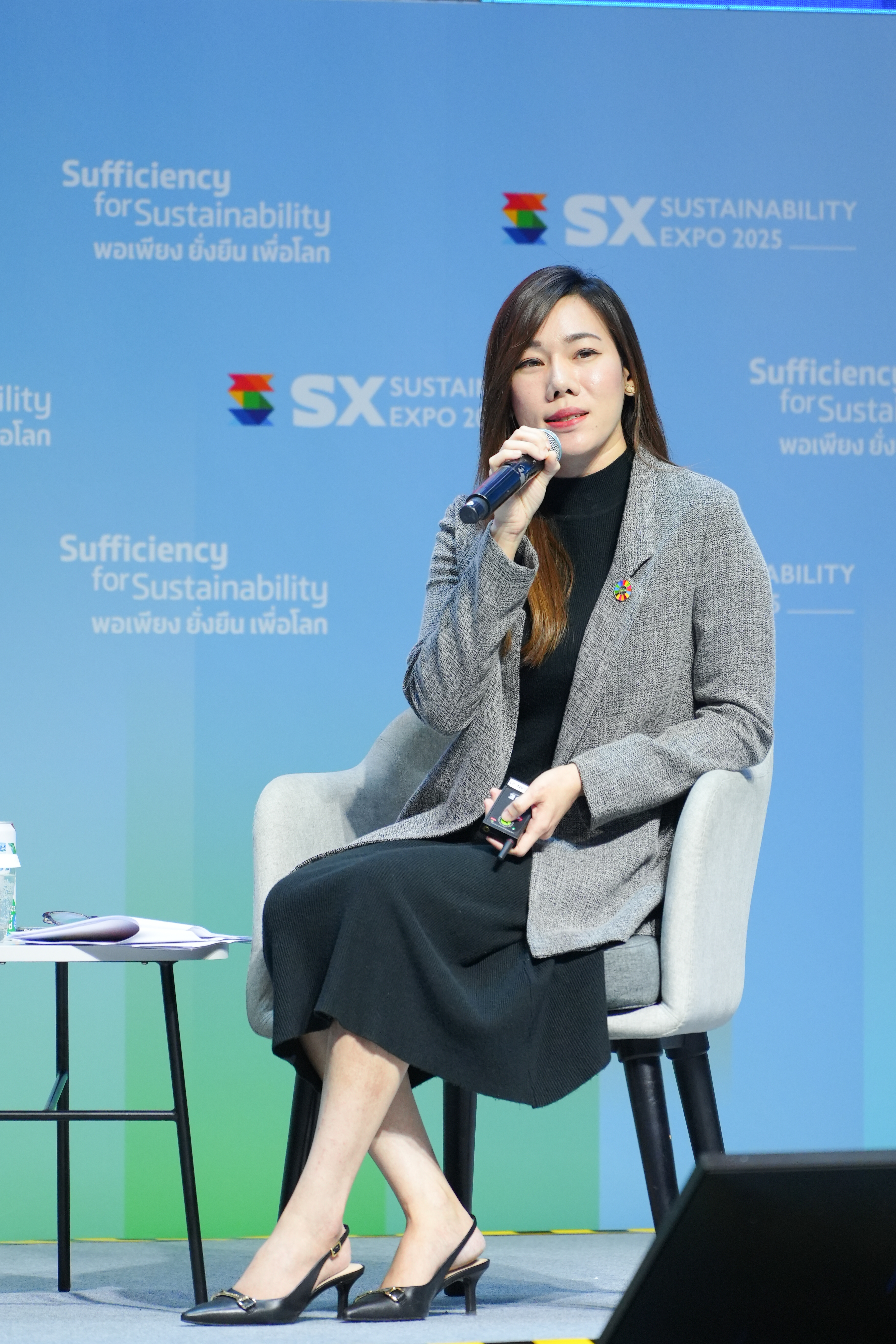
Pinyada Charoenssin, Senior Project Manager and Acting Director of the Environmental Network and Climate Change Department at the Thailand Environment Institute (TEI), emphasized that four of the top five global risks for 2025, according to the World Economic Forum's Global Risk Report 2025, are environmental. Thailand has a clear policy direction with its Plastic Waste Management Road Map, currently in its second phase (2023-2027).
TEI also founded the PPP Plastic (Public-Private Partnership for Sustainable Plastic and Waste Management) in 2018 to act as a central body connecting all sectors. However, despite efforts to push national and global policies (such as participating in the UN Plastic Treaty negotiations), challenges remain. This is especially true for the enforcement of Extended Producer Responsibility (EPR), which requires producers to take greater responsibility for their products and could impact small and medium-sized enterprises (SMEs) in terms of funding and material transition costs.
Advancing the Circular Economy: The Power of Universal Collaboration
The panelists agreed that for Thailand to truly transition to a Circular Economy, all dimensions—policy, infrastructure, finance, technology, and most importantly, collaboration—must be aligned.
Dr. Sikharin (CIRAC) believes Thailand has the potential to become a "Hub" for exporting Circular Economy technology, given its large source of plastic waste, major petrochemical producers, and numerous brand owners creating packaging.
Thaneeya (IPPIN) suggested that if she had a "magic wand," she would change consumer behavior, urging everyone to reuse plastics, choose biodegradable packaging, or switch to non-plastic alternatives.
Pinyada (TEI) added that driving a Circular Economy cannot be done by one sector alone; it requires "circulating cooperation" and starts with individuals making small behavioral changes day by day. Nattapon (EcoCrew) affirmed that if a full circular system is implemented, single-use waste could be reduced by 50-70%.