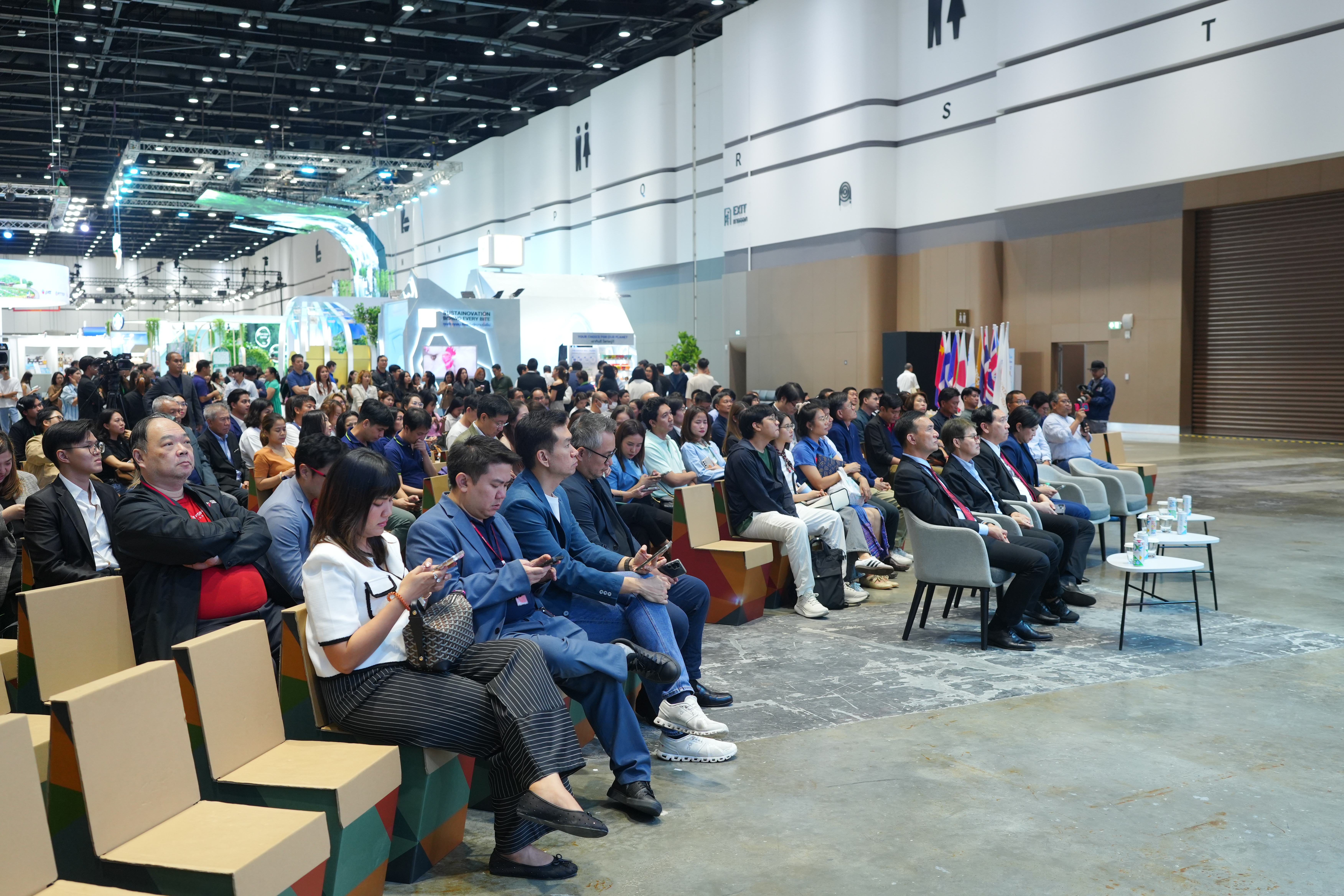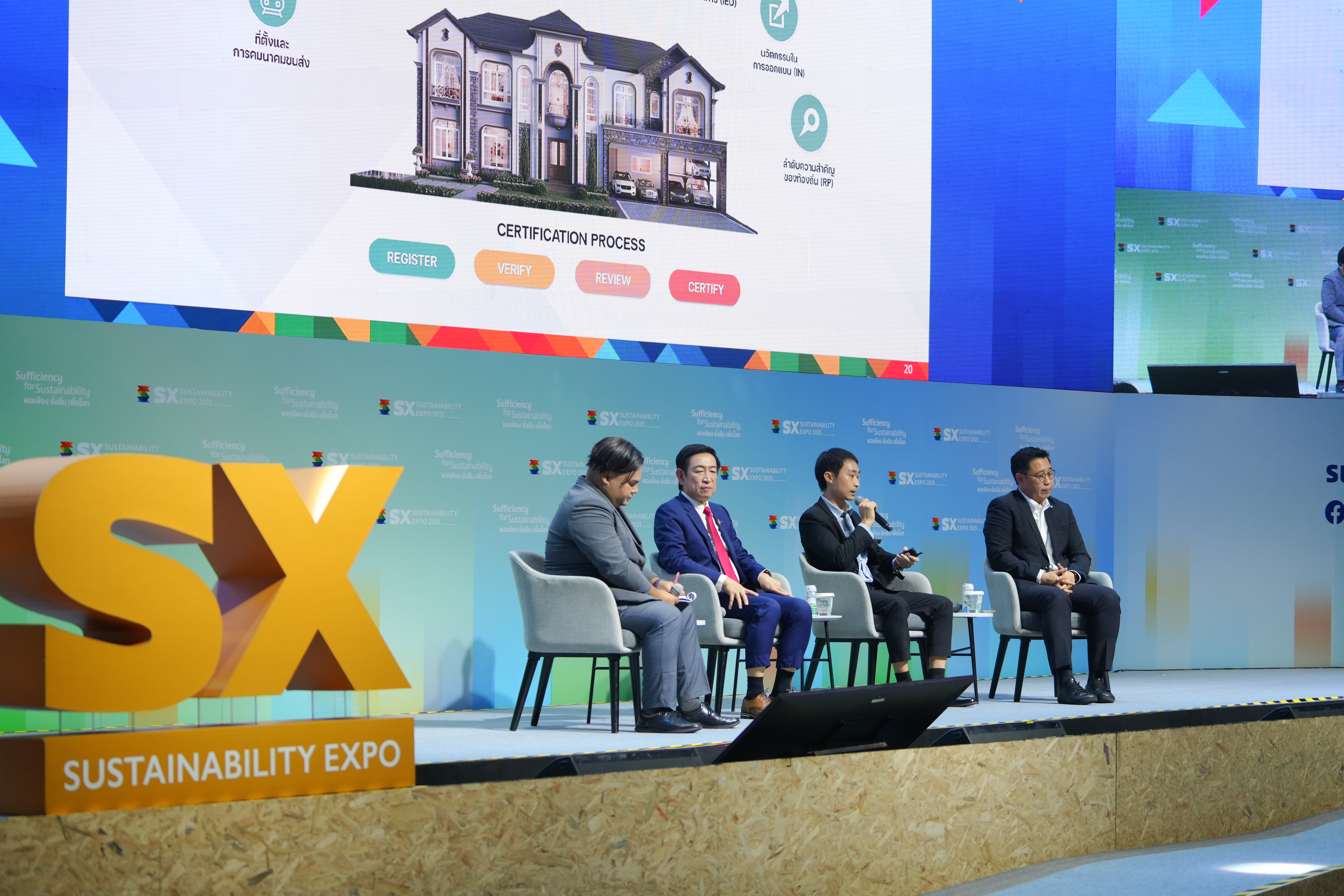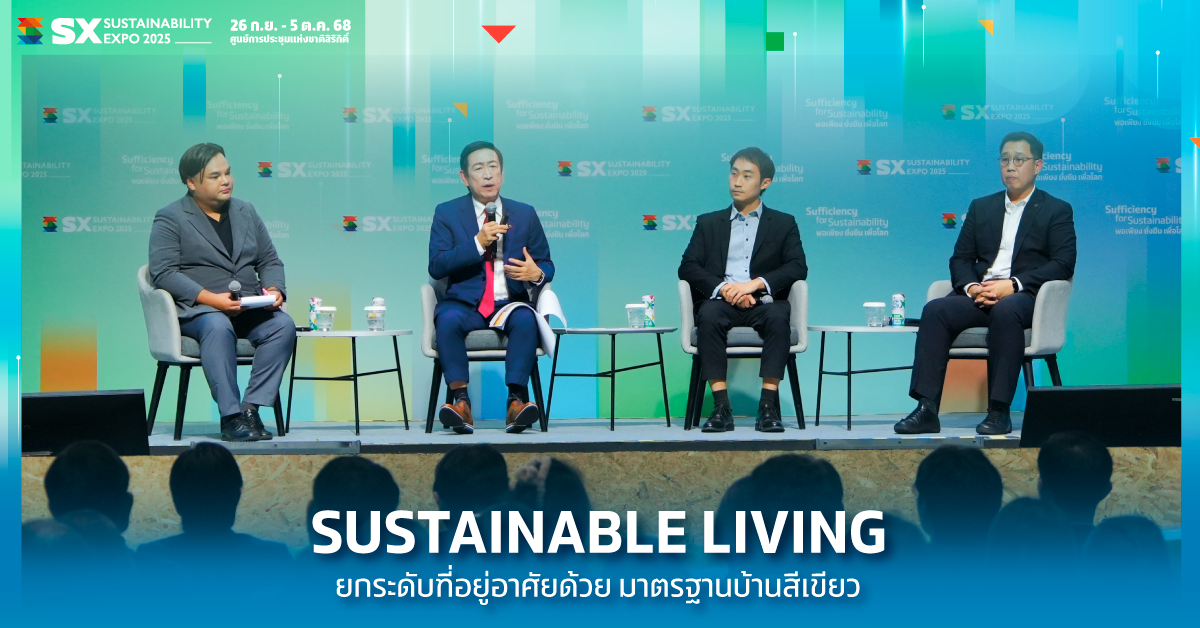
In today’s world, climate change and urban density are pressing global challenges. Creating livable cities is no longer just a goal—it is an urgent necessity, one that must be driven by innovation, technology, and sustainable development principles. Housing design must move beyond traditional frameworks toward green home standards that improve quality of life, reduce environmental impact, and meet the evolving needs of modern urban residents.
At SUSTAINABILITY EXPO 2025, the session “Sustainable Living: Enhancing Sustainable Living with Green Home Standards” brought together experts from business and academia to exchange ideas and showcase innovations that drive sustainable urban development. Together, they emphasized housing not only as a product for the future, but as the foundation of a quality society that people aspire to.
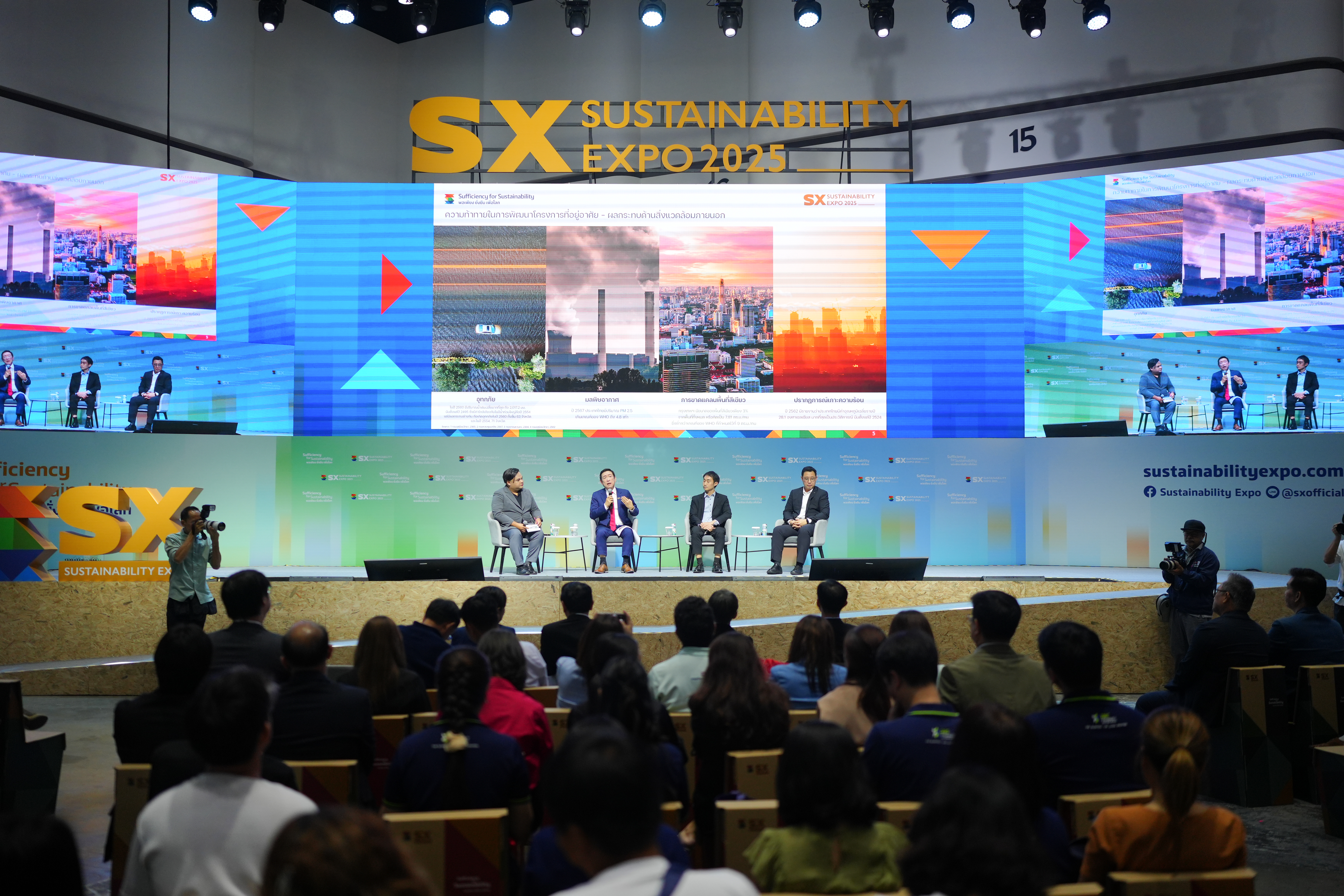
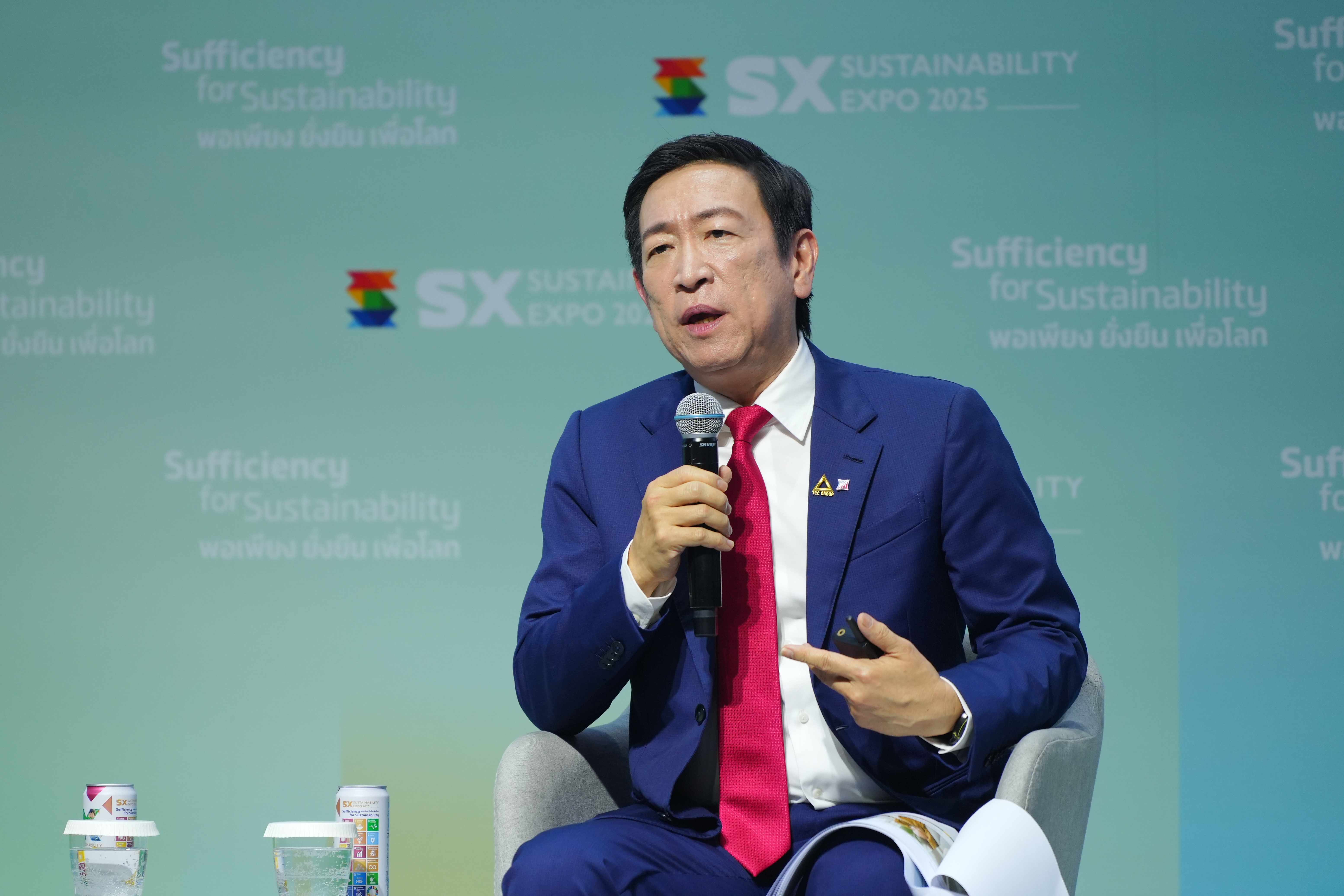
Somboon Wasinchutchawal, CFO and Acting CEO of Frasers Property Thailand’s Residential Property Business, stressed the urgent need for real estate to adapt to intensifying environmental risks, particularly climate change, now ranked as a top global risk. Frasers has committed to SBTi-approved emissions reduction targets and aims for 100% carbon neutrality by 2030. Key investments include installing solar rooftops on all detached homes, integrating active air systems, and PM2.5 air filtration to reduce energy use while improving indoor air quality. These efforts align with shifting consumer demand, as both Gen Z and Baby Boomers have shown they are willing to pay up to 10% more for eco-friendly homes.
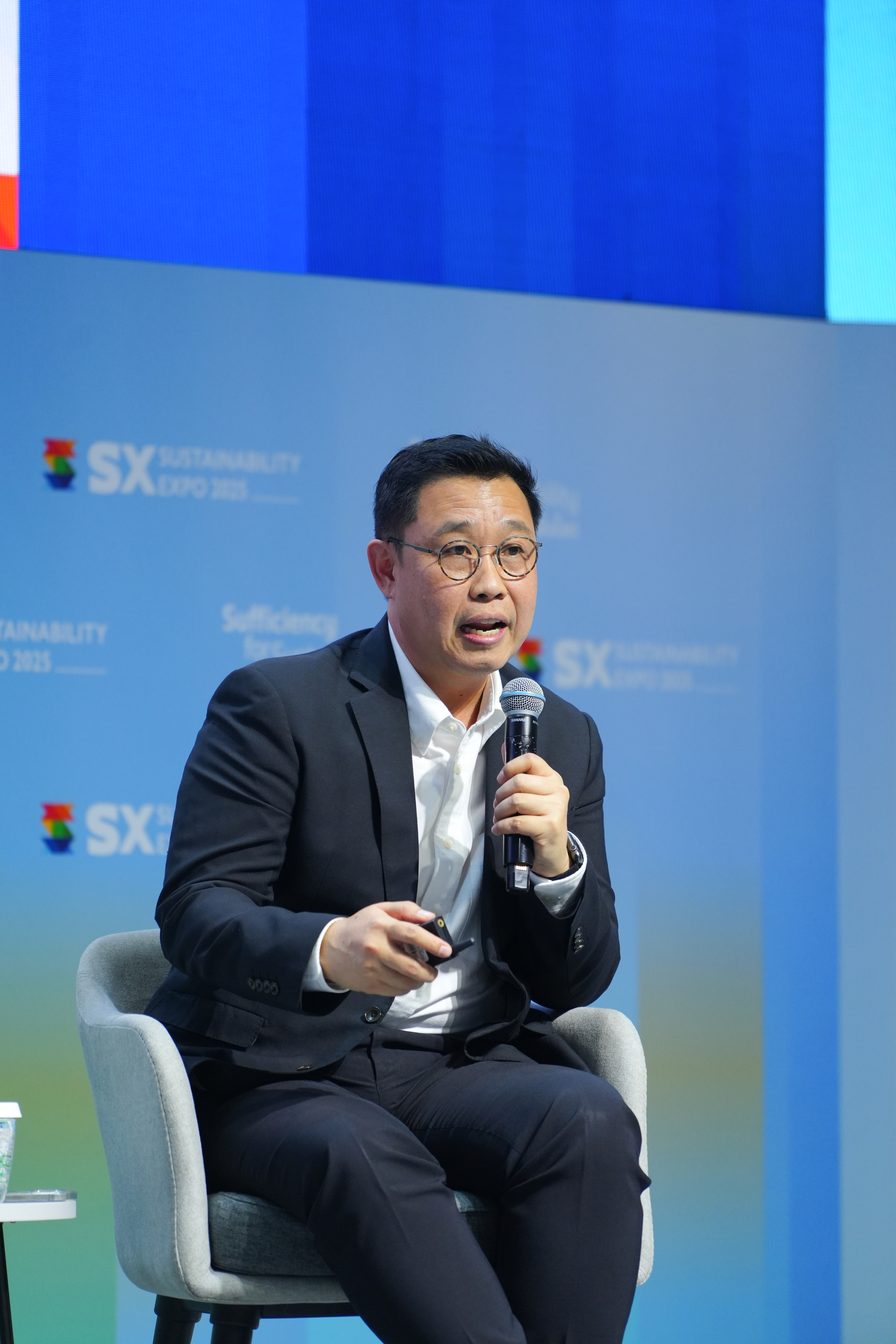
Soravit Angsuvarungsri, Senior Sustainability Consultant at SCG, highlighted the Grand Riverfront Ratchaphruek–Rama 5 project, the first in ASEAN to receive LEED Gold certification for Homes. Technical innovations include advanced thermal insulation to reduce heat, solar panels to cut energy costs, and efficient water management systems that minimize indoor humidity and mold risks—all contributing to healthier, more sustainable living.
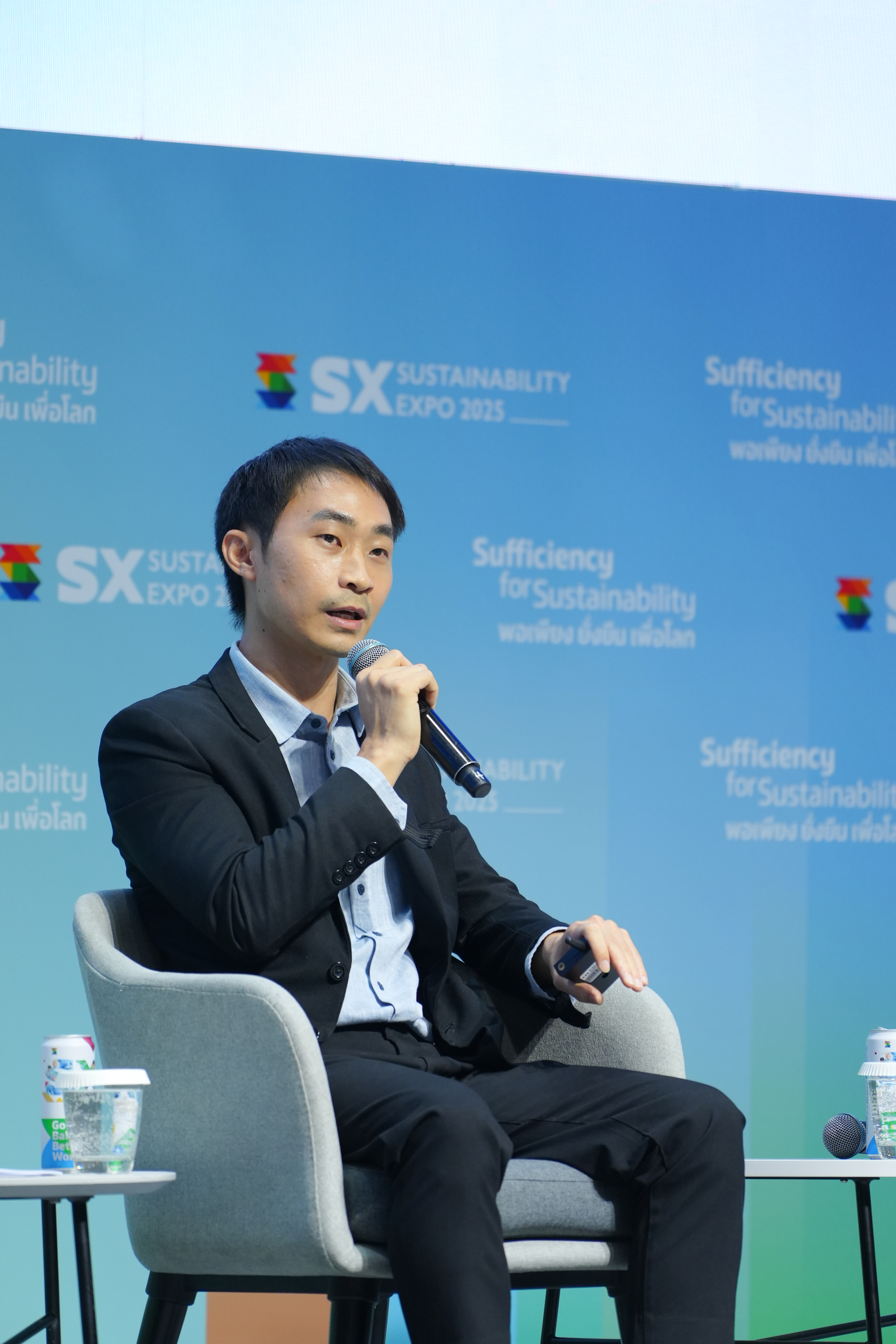
In addition, Asst. Prof. Dr. Soranart Sinuraibhan added a human-centered perspective: a good home must support holistic well-being—both physical and mental—beyond just structural stability. Physical factors such as noise, humidity, space per person, and access to green areas all have a direct impact on residents.
This discussion highlighted that adopting “green home standards” as a core strategy is the key to driving business growth alongside creating meaningful sustainability. It is not only a responsibility to the planet, but also an investment that delivers the highest long-term returns—in terms of the environment, physical health, and the mental well-being of all residents.