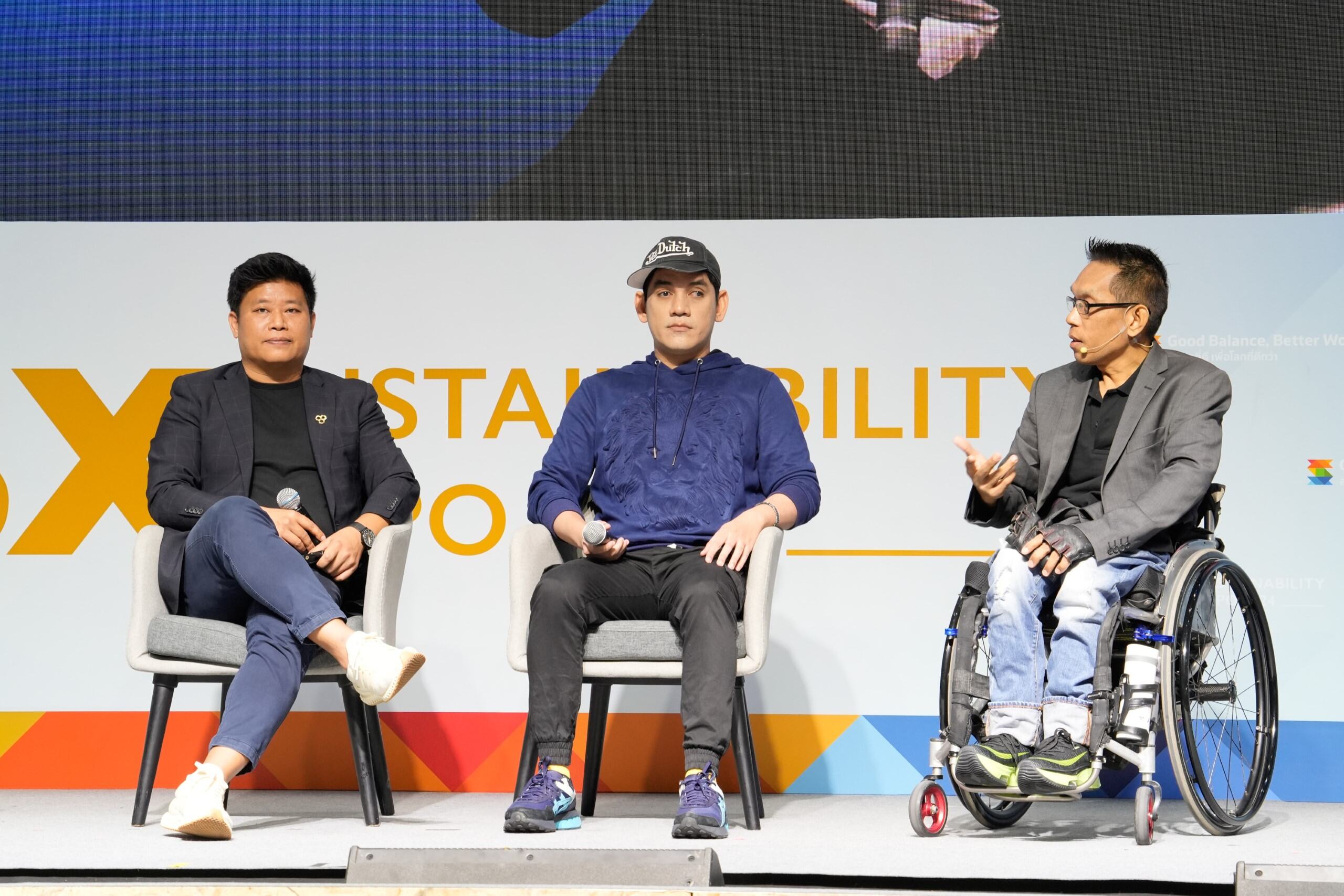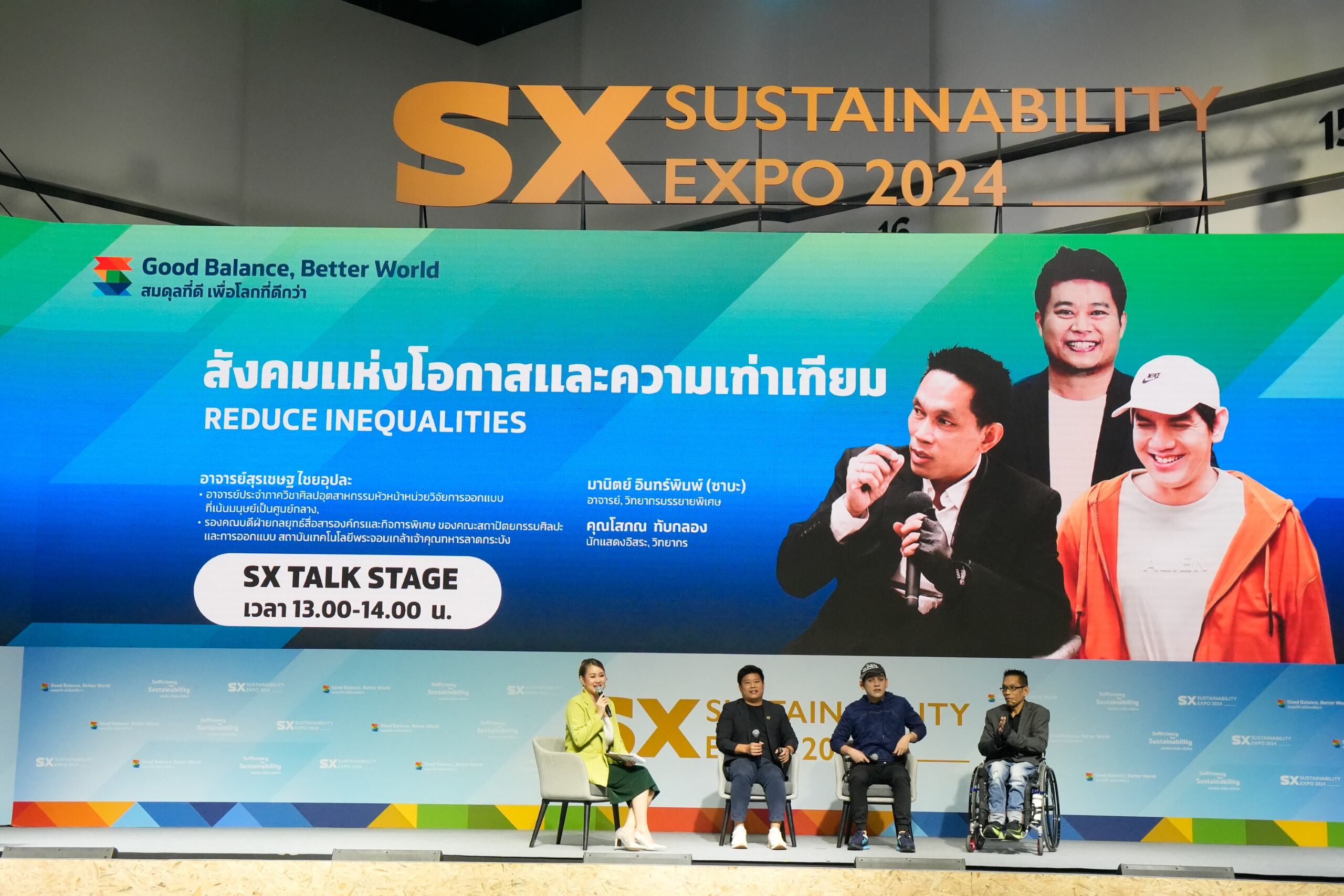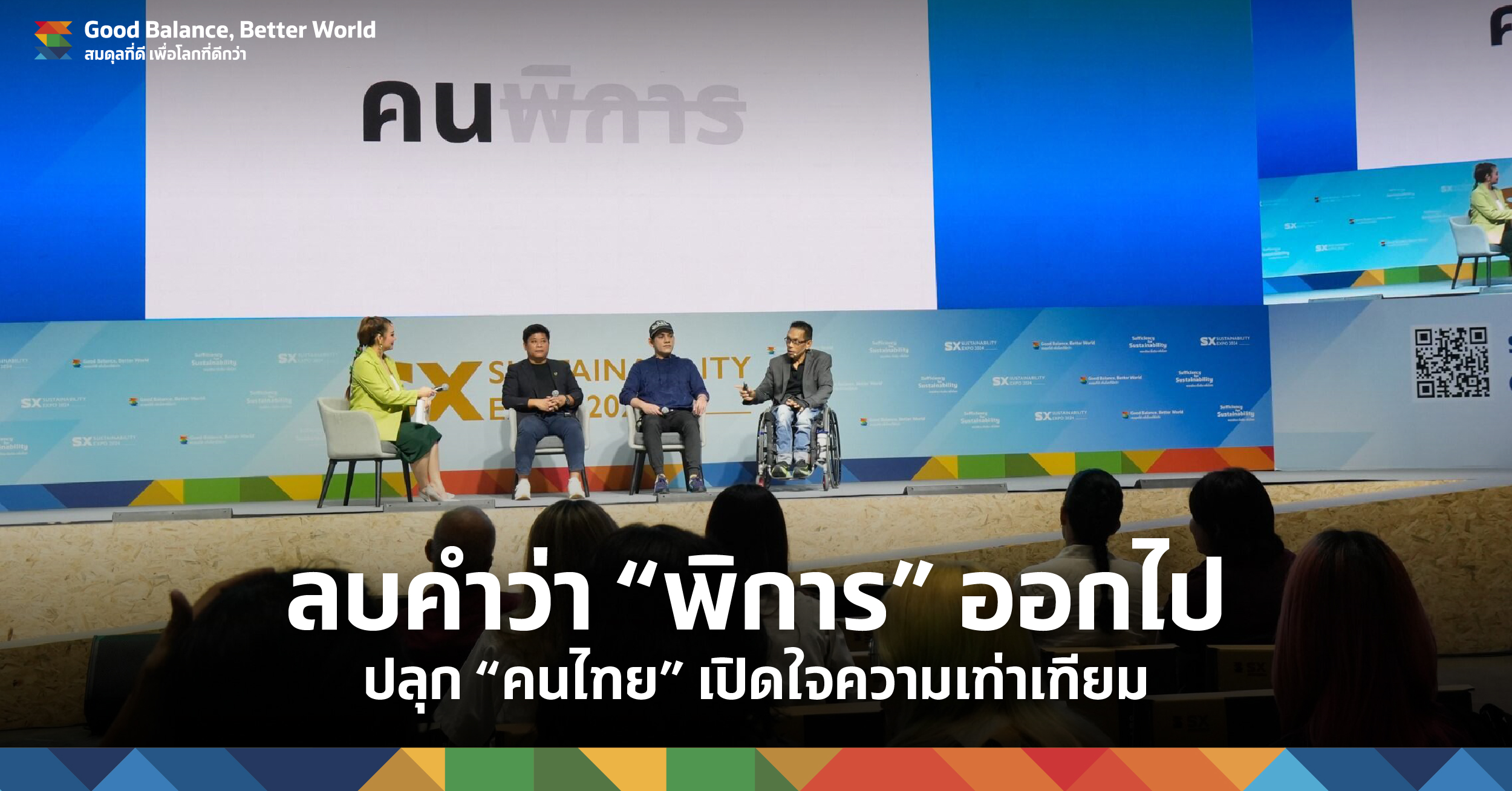
One of the most eye-opening forums at the recent event explored how inclusive societies can be designed to promote long-term happiness—not by dividing people into categories like “normal” or “impaired,” but by building opportunities and equality for all. The panel discussion, titled “A Society of Opportunity and Equality: Reduce Inequalities,” went beyond seeking sympathy. It highlighted how innovation, technology, and inclusive design can bring everyone—regardless of physical condition—into shared, fulfilling experiences.
Education as a Foundation of Inclusion
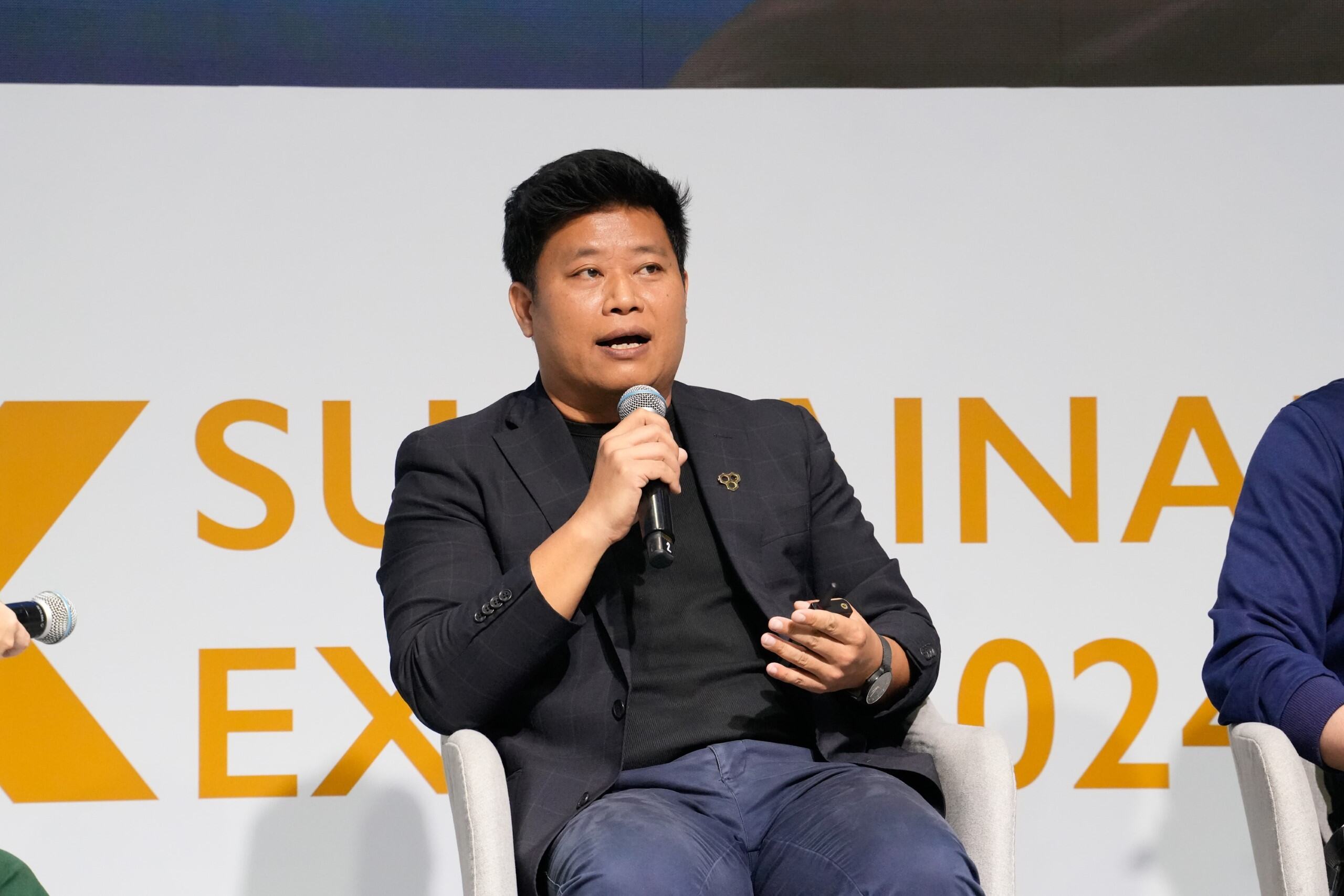
Asst. Prof. Surachet Chaiyoupala, Lecturer in Industrial Design and Head of the Human-Centered Design Research Unit, as well as Associate Dean for Strategic Communication and Special Affairs, Faculty of Architecture, Art and Design at King Mongkut's Institute of Technology Ladkrabang, shared compelling insights.
He emphasized that inequality exists in many forms, but for him, the focus lies in educational access. "Everyone should have equal access to knowledge and learning environments," he stated. He recalled how, in the past, his faculty had no facilities to accommodate students with mobility limitations—not even ramps or accessible restrooms. That realization sparked a transformation. The campus has since undergone redesigns to create a more inclusive learning space for all, proving that change begins the moment we recognize the gaps.
The Built Environment and Legal Enforcement
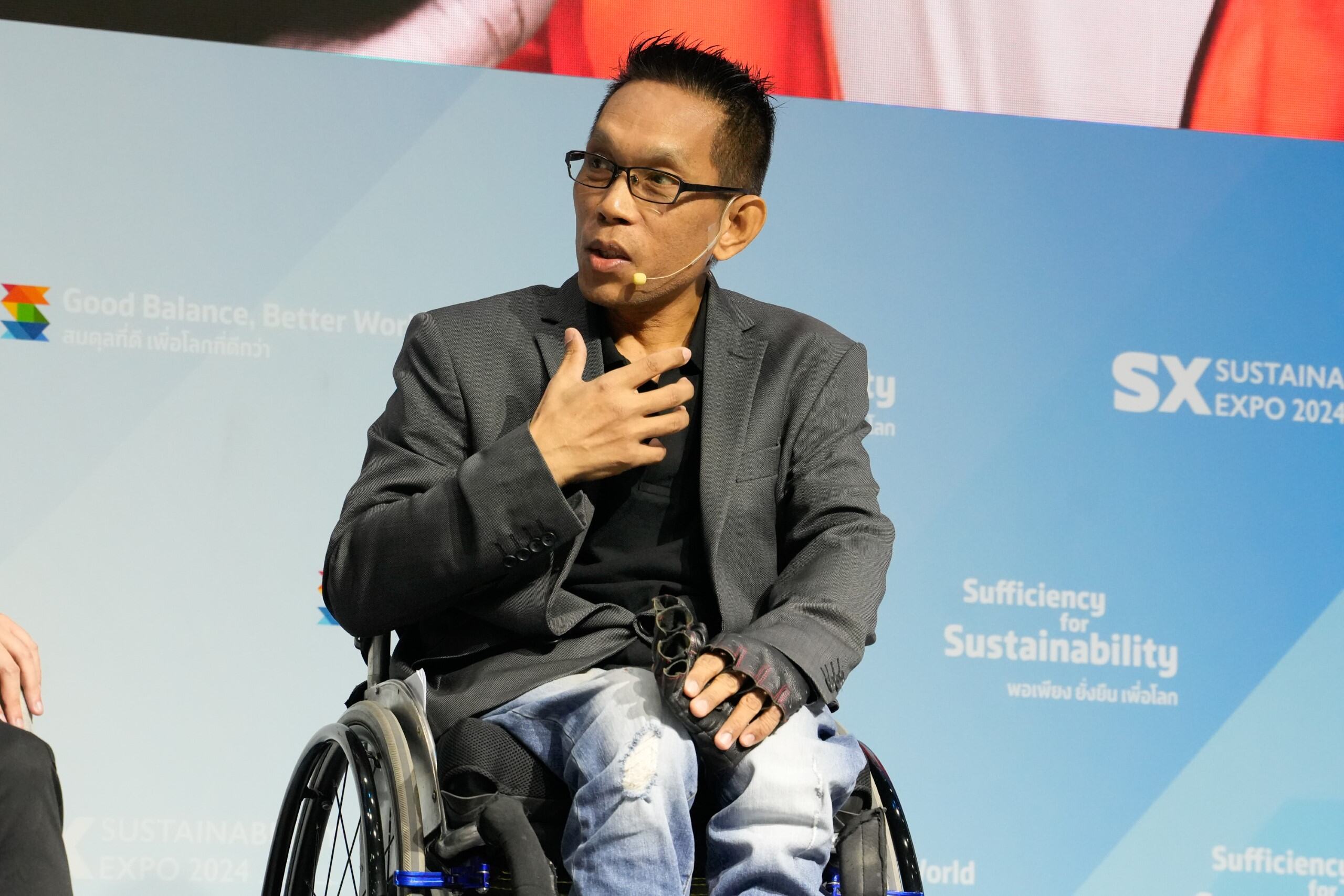
Mr. Manit Inpim (Saba), lecturer and guest speaker, addressed the physical barriers still found throughout Thailand—from sidewalks to pedestrian bridges—that hinder daily life for those with physical challenges. While Thailand’s laws regarding accessibility are robust, the issue lies in enforcement. “If we simply adhere to the laws already in place,” he said, “positive, transformative change will follow.”
Shaping Attitudes and Reframing Knowledge
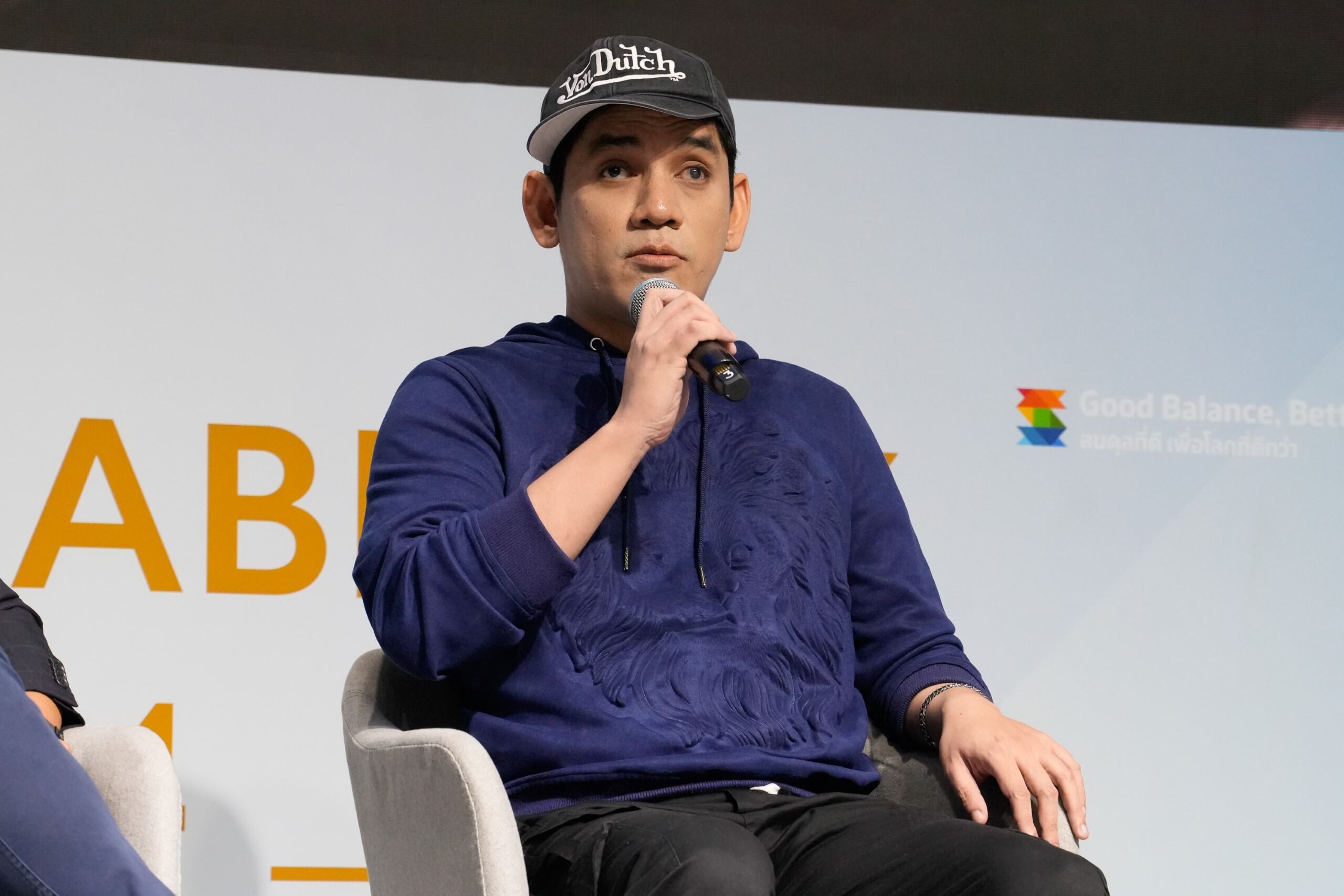
Mr. Sophon Thubklong (Toffy), independent actor and speaker, highlighted that inequality is often a matter of perception and information gaps. "People form attitudes about inclusion based on the knowledge they’re exposed to," he explained. Whether it’s about accepting others’ capabilities or understanding access to education, the issue begins with unequal access to knowledge itself.
He argued that technology and AI can help bridge the divide—if inclusion is considered from the very first design step. “Buildings, streets, and pathways were never originally created with everyone in mind. But today, we have a chance to change that—if we begin at step one.”
“Unseen Zoo”: A Model for Inclusive Learning Spaces
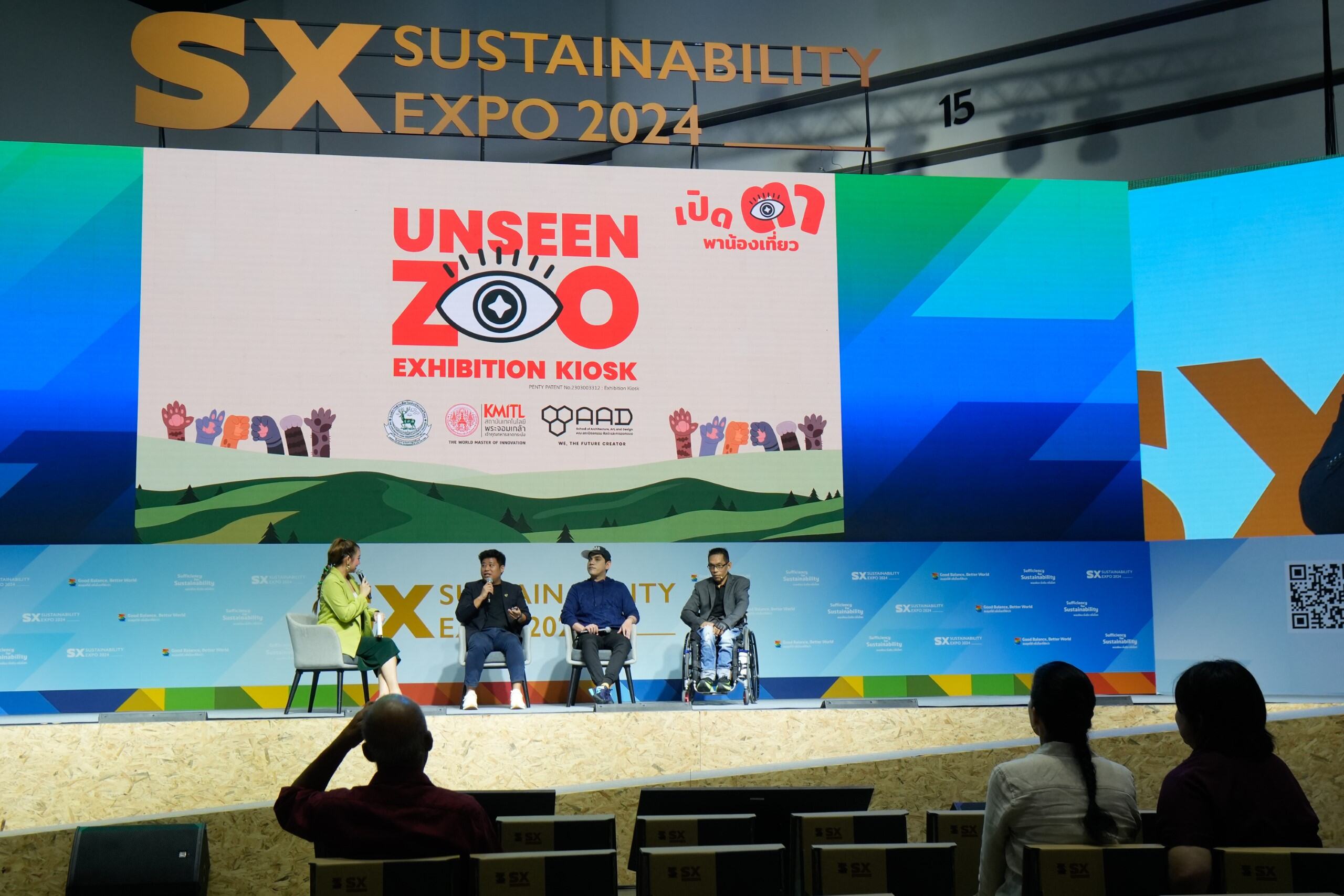
Asst. Prof. Surachet also presented a pioneering example of inclusive design: the UNSEEN ZOO—an initiative that reduces access inequality in places of learning and recreation. Backed by the Zoological Park Organization of Thailand, the project focuses on enabling over 2 million Thais with limited mobility or sensory access—especially those with visual impairments—to enjoy the zoo experience equally.
The pilot project, launched at Khao Kheow Open Zoo, includes:
-
Wheelchair-accessible ramps
-
Braille descriptions
-
Tactile graphics and textures
-
Audio-guided devices
-
QR codes linking to video content with sign language interpretation
These features allow visitors to not only learn about animal shapes, sizes, and features but also engage multiple senses, reducing reliance on sight alone. This exhibit was developed using principles of Human-Centered Design, Universal Design, and Design Thinking, making it a standout model of inclusive public space.
Toward a Truly Equal Society
At the conclusion of the panel, Mr. Manit Inpim left a powerful message:
“We need to erase the word ‘disabled’ and simply see people as people. Every individual deserves to live happily in this shared world.”
He added that people with limitations must also challenge themselves to move beyond their perceived barriers—because a truly sustainable society begins with personal empowerment.
Mr. Sophon Thubklong echoed this sentiment, urging designers, developers, and service providers to ask a fundamental question:
“What do people need?”
“Whatever general society requires—comfort, safety, dignity—those with physical or sensory limitations deserve the same.”