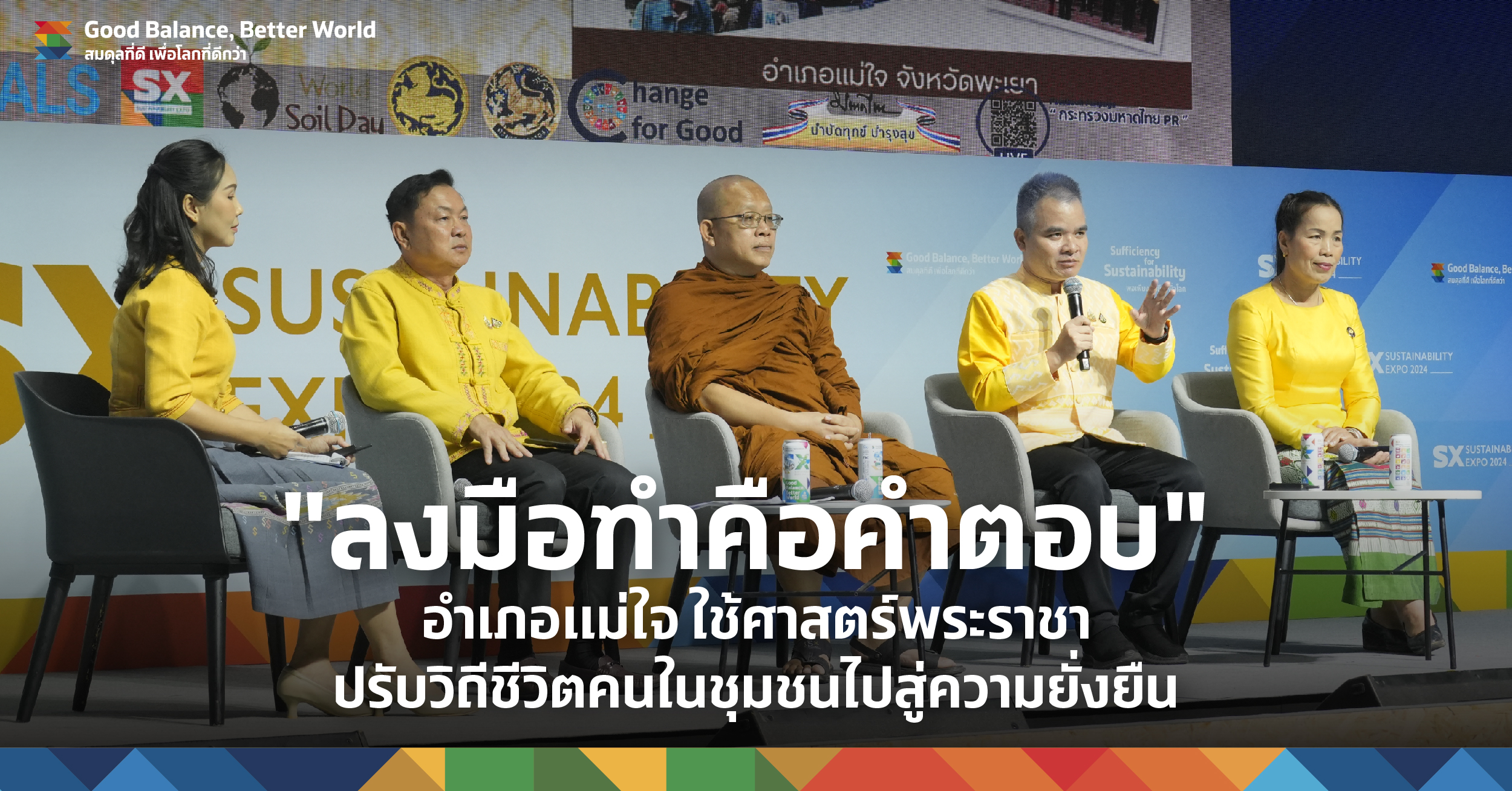
Mae Chai, a small district nestled in the northern province of Phayao, has recently been honored as an Outstanding Pilot District for Integrated Public Services—a recognition awarded among 878 districts nationwide. But this success did not come easily. It was made possible through the unity and dedication of all sectors in the community—home, temple, and government—guided by the late King Bhumibol Adulyadej’s philosophy of development.
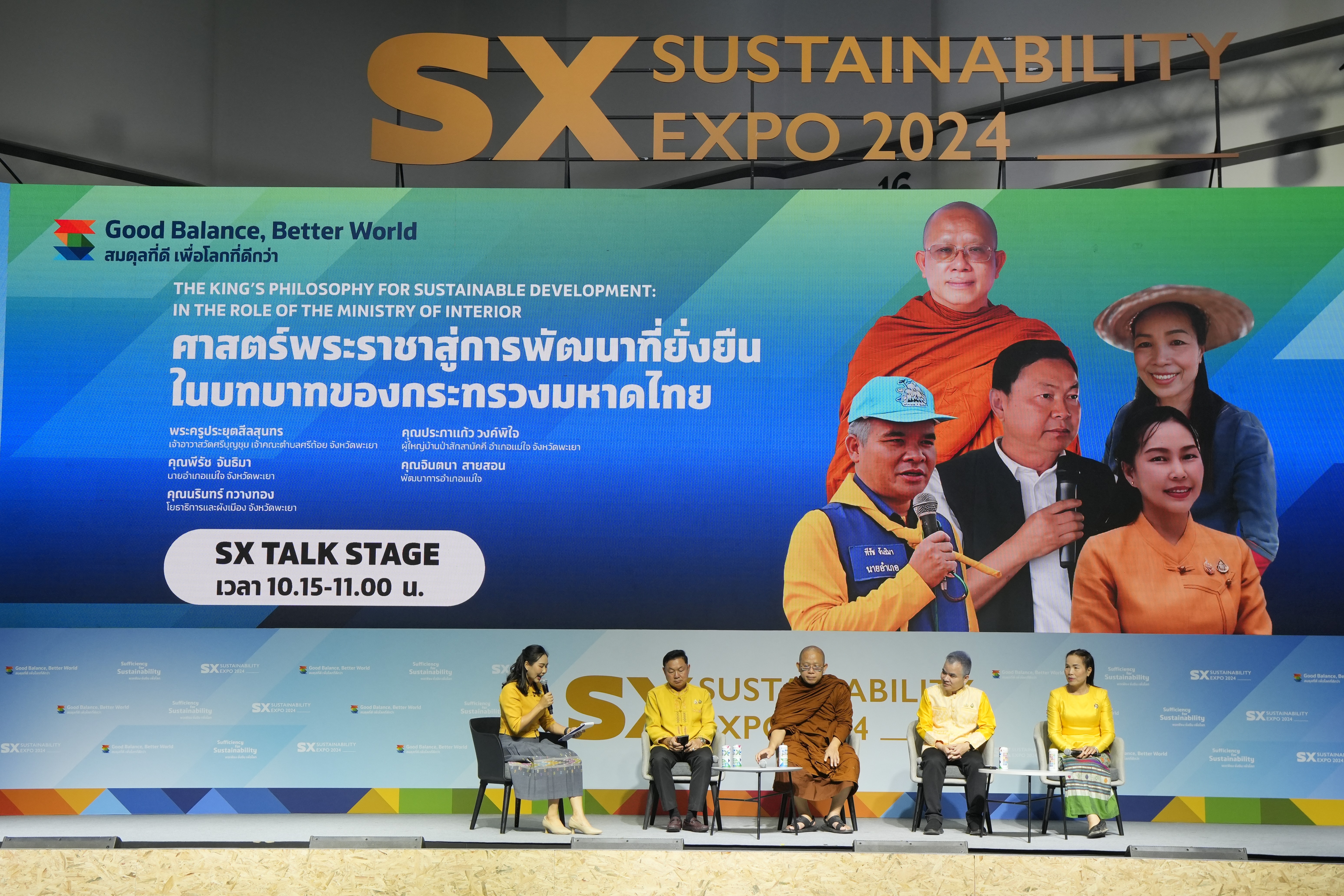
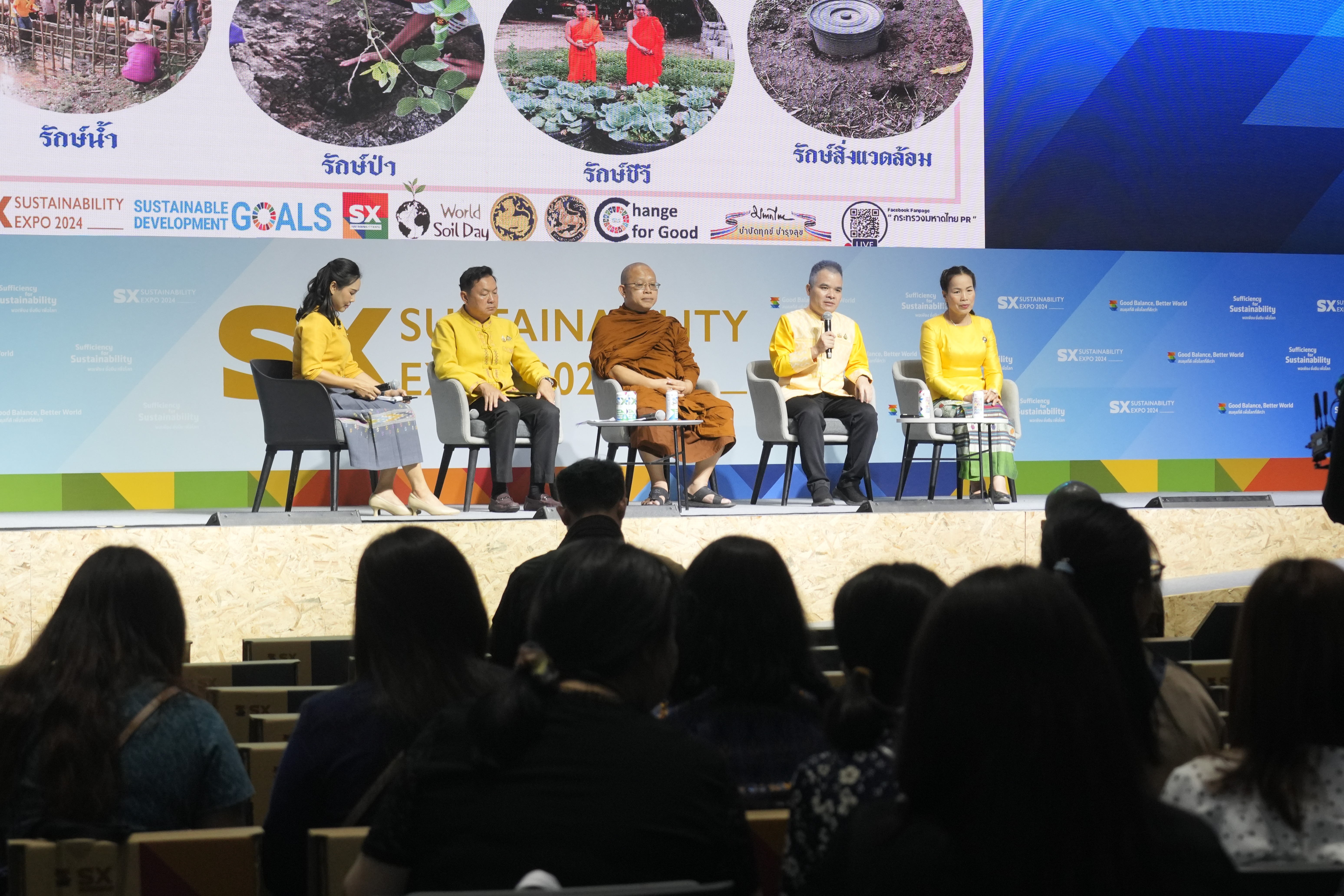
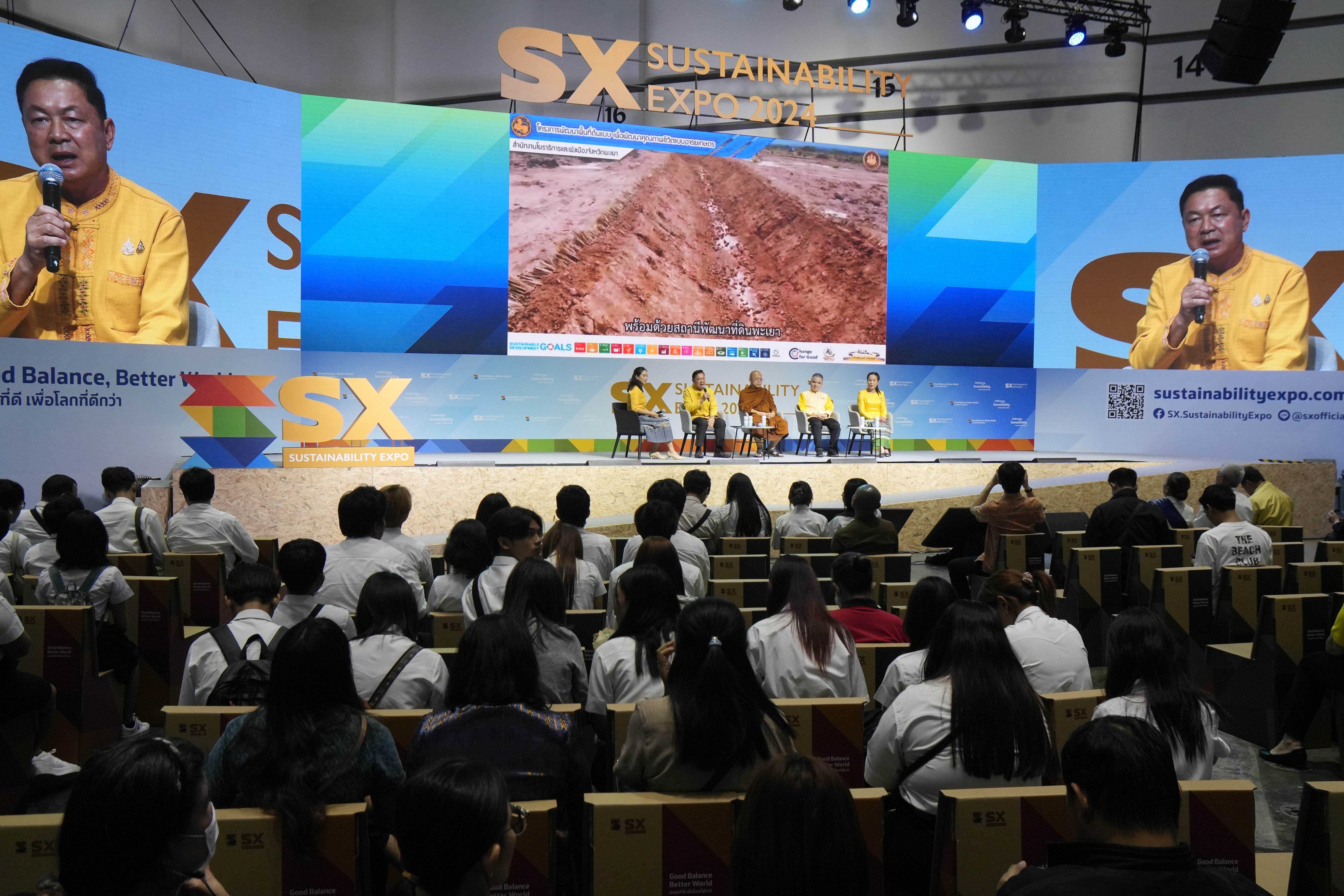
At the Sustainability Expo 2024, the district’s inspiring story was shared in the forum titled:
“The King’s Philosophy for Sustainable Development: The Role of the Ministry of Interior.”
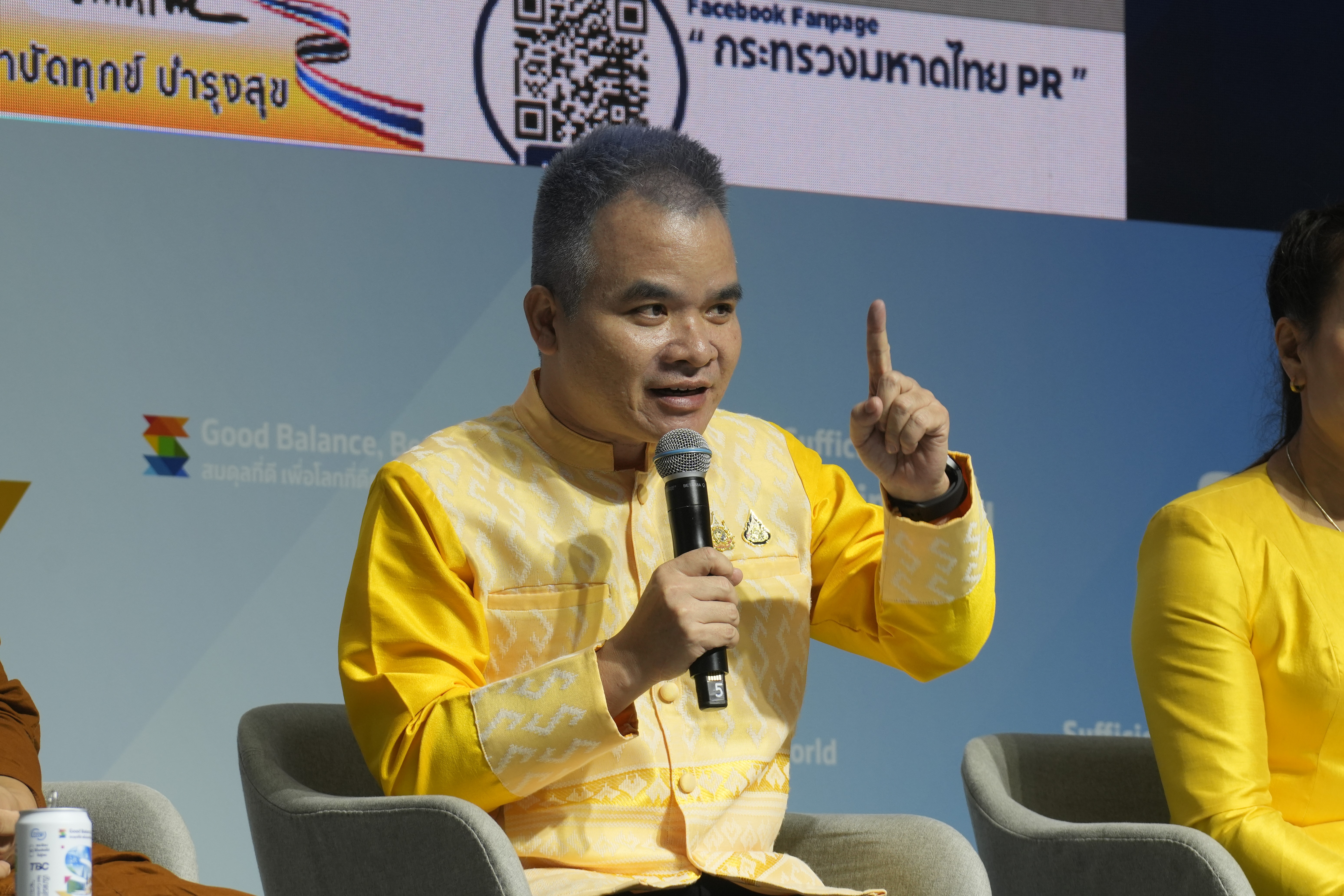
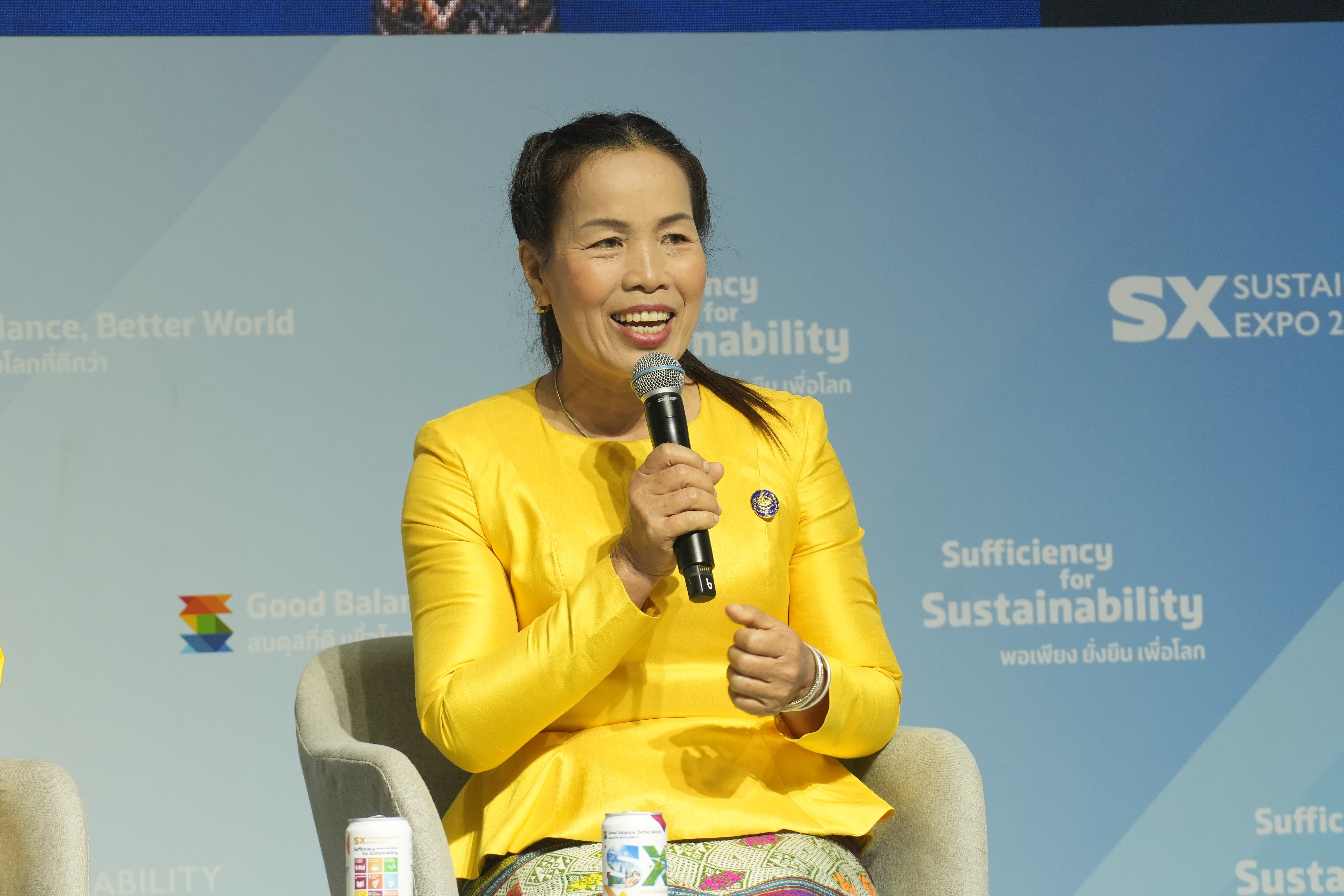
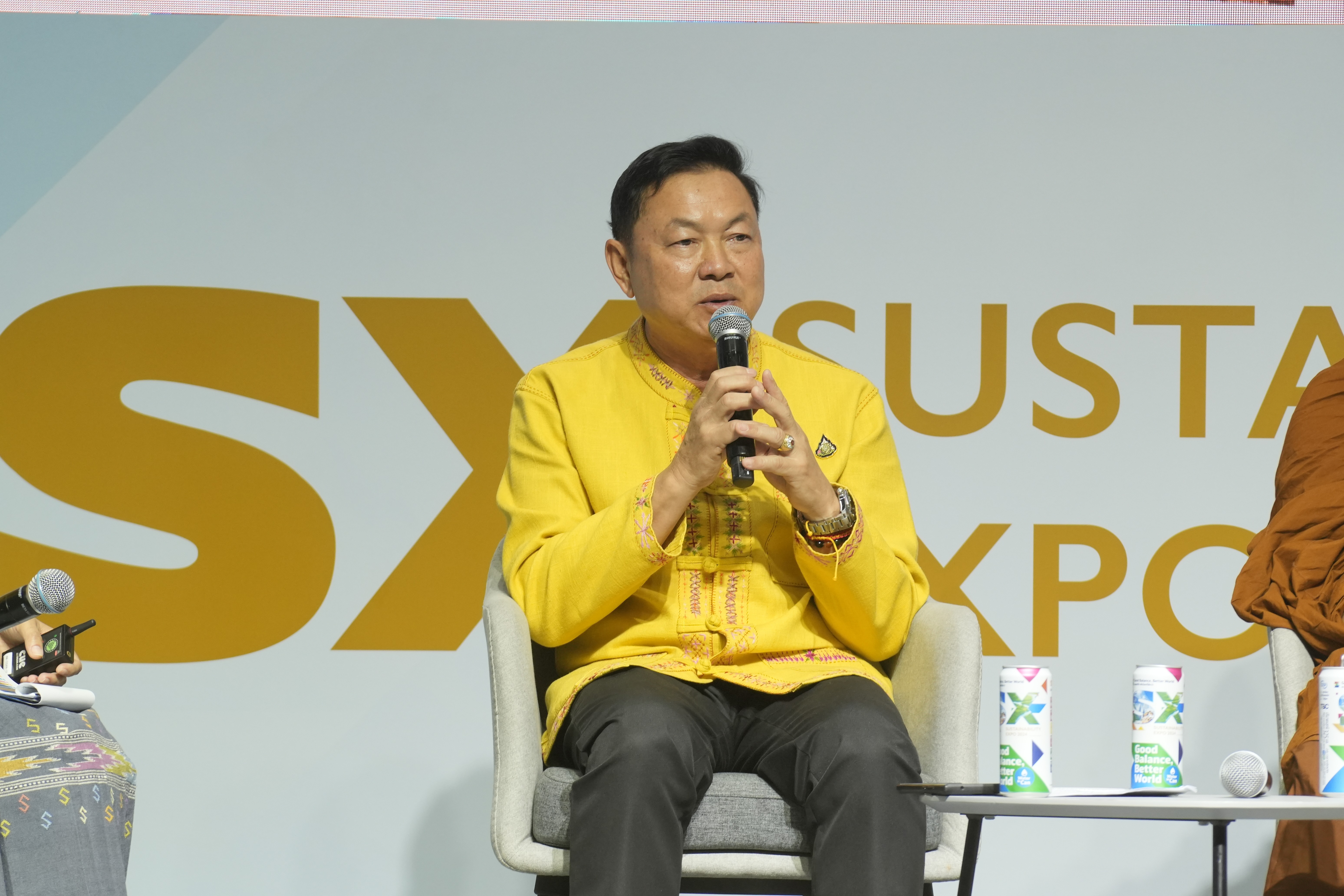
Speakers included Phra Khru Prayut Silasuntorn, Abbot of Boonsrichum Temple and Chief Monk of Sri Toi Subdistrict; Mr. Peerat Chanthima, District Chief of Mae Chai; Mr. Narin Kwangthong, Director of Public Works and Town Planning for Phayao Province; Ms. Praphakaew Wongphipai, Village Head of Pasak Samakkhi; and Ms. Jintana Saisorn, District Development Officer. The session was also honored by the presence of Mr. Sutthipong Julcharoen, Permanent Secretary of the Ministry of Interior.
Transforming the Landscape with Unity and Purpose
Mr. Peerat Chanthima shared that Mae Chai has a population of about 33,000 people and borders Chiang Rai province. Spanning over 100,000 rai (16,000 hectares), the area is mountainous and home to six rivers—including the Nong Leng Sai wetland, the source of Phayao Lake.
In 2022, the district began implementing a long-term model for well-being under the “Six Values of Care” framework:
-
Care for the Soil
-
Care for Water
-
Care for Forests
-
Care for Life
-
Care for the Environment
-
Care for Mae Chai
They signed MOUs with seven partner networks to guide sustainable development. Even ceremonial practices changed—gifts that could harm the environment were replaced by tree saplings, which attendees were encouraged to plant, expanding Mae Chai’s green footprint. True to the King’s teachings, Mae Chai strives to “plant forests in people’s hearts” as much as in the ground.
Temples as Pillars of Food Security
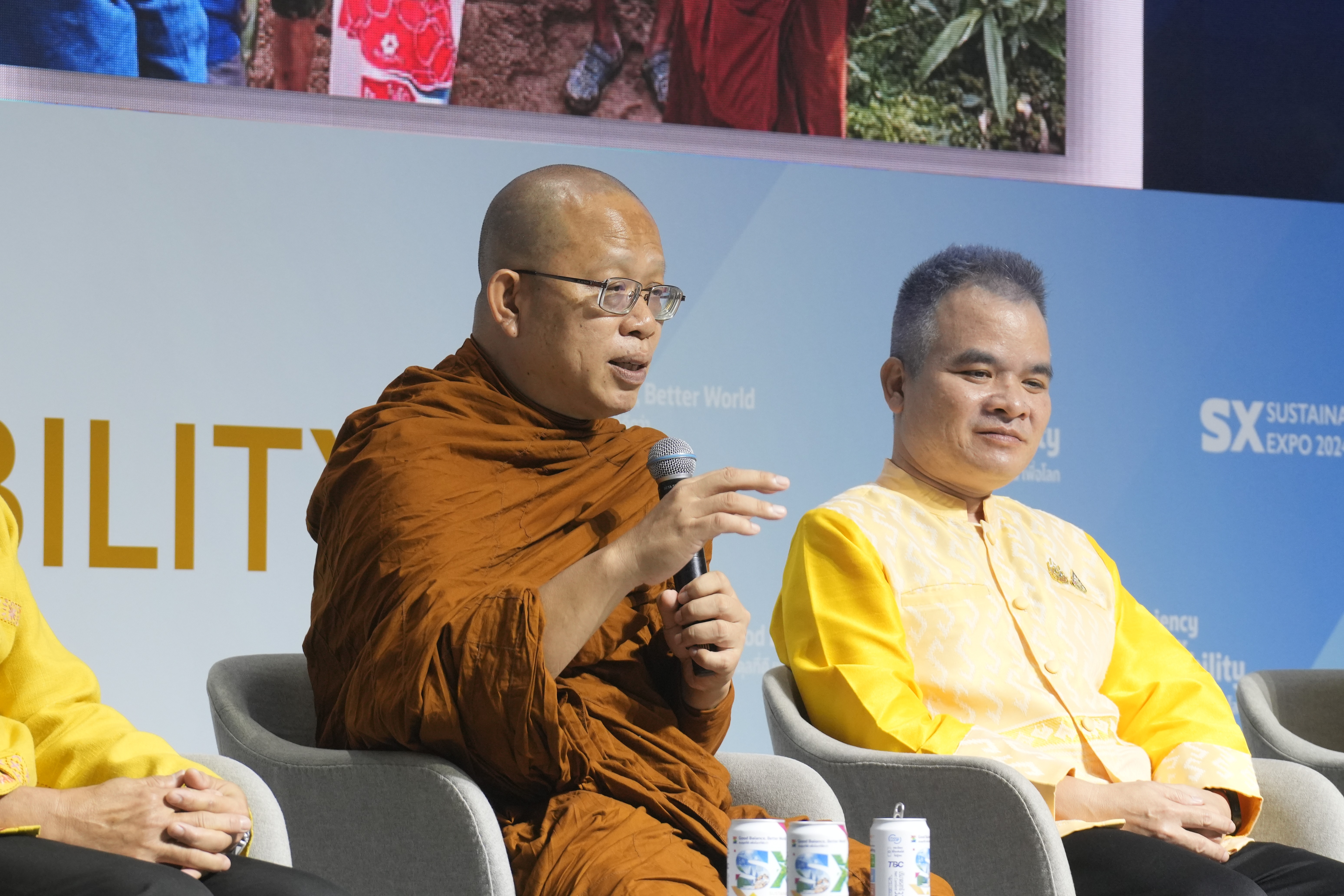
Phra Khru Prayut Silasuntorn, representing the religious sector, took responsibility for food security. In 2022, he initiated a “Khok Nong Na” project, but struggled due to a lack of seed sources and partner support. In response, the temple founded the “Bank of Virtuous Seeds,” which collects seeds from villagers and redistributes them through local leaders. Annual merit events—such as “Seed Robe Giving Ceremonies”—gather seeds for distribution.
Although some questioned whether this was appropriate for a monk’s role, he responded with a powerful principle:
“The temple is our home, the work is our life, the people are our children, and the villagers are our family.”
Rather than preaching, he showed the way through action—growing crops and sharing harvests. This hands-on method gradually helped villagers understand and appreciate the value of food security and sustainability.
Sufficiency Economy at the Village Level
Village head Ms. Praphakaew Wongphipai implemented the late King’s Sufficiency Economy Philosophy by dividing the community into working groups, all united by a common goal: well-being and self-reliance. Agricultural land was converted into “Khok Nong Na” learning centers. Villagers received seeds from the temple’s seed bank—but only by exchanging them for household waste, promoting environmental responsibility.
Over ten crop varieties are now cultivated locally and sold at a community market, generating income. Villagers are also taught to save money collectively, which is then used to support vulnerable farming households—helping them scale up and find stability. This systematic approach has led to genuine, grassroots sustainability.
Town Planning Guided by Royal Wisdom
Mr. Narin Kwangthong explained how town planning applied the King’s philosophy to tackle water management issues—starting with Khlong Mae Suk, a flood-prone canal. With joint efforts, it was transformed from a weed-choked channel into a clear, flowing waterway equipped with check dams, improved landscapes, and community-managed flood prevention systems. The revitalized canal now supports agriculture, tourism, and local livelihoods.
Another project is the “Ariya Kaset” (Noble Agriculture) zone at Nong Leng Sai, a vital water source. The area once suffered from acidic soil and over 1,000 buffaloes contaminating the wetland. In response, the district built wastewater treatment ponds, planted 21 rai of grass, restored the soil, and created a green zone where there once was only dry, barren land. They also released fish, restoring the ecosystem and making Nong Leng Sai a model of sustainable agriculture and food security.
A Blueprint for Scaling Sustainable Success
Mr. Peerat emphasized the importance of learning from Mae Chai’s journey—from a little-known district to a model of sustainable development aligned with the Ministry of Interior's vision. Their success is grounded in seven guiding principles:
-
Unified Teamwork – Collaborating with shared values and goals
-
Community Mapping – Identifying strengths and weaknesses in society and the environment
-
Leadership by Example – Leaders must act first before expecting others to follow
-
Inclusive Participation – Empowering all sectors to revitalize their land and lives
-
Local Passion – “Love Mae Chai. Build Mae Chai. Together for Sustainability.”
-
Communication – Ensuring everyone understands and supports the mission
-
Monitoring and Evaluation – Continuously assessing impact for improvement and inspiration
Sustainability Rooted in Community Spirit
Ultimately, Mae Chai’s vision is to ensure that all 66 villages grow in harmony—with people living well, united in love for their community, and embracing the King’s philosophy as part of daily life. Here, well-being is not measured by income, but by the smiles and contentment of the people.
Follow updates and activities from SX on Facebook: Sustainability Expo Or Add LINE: @sxofficial
Mark your calendar for SX2025 — returning even bigger and better from 26 September to 5 October 2025 at Queen Sirikit National Convention Center.