Transforming Today for a Sustainable Bangkok Tomorrow
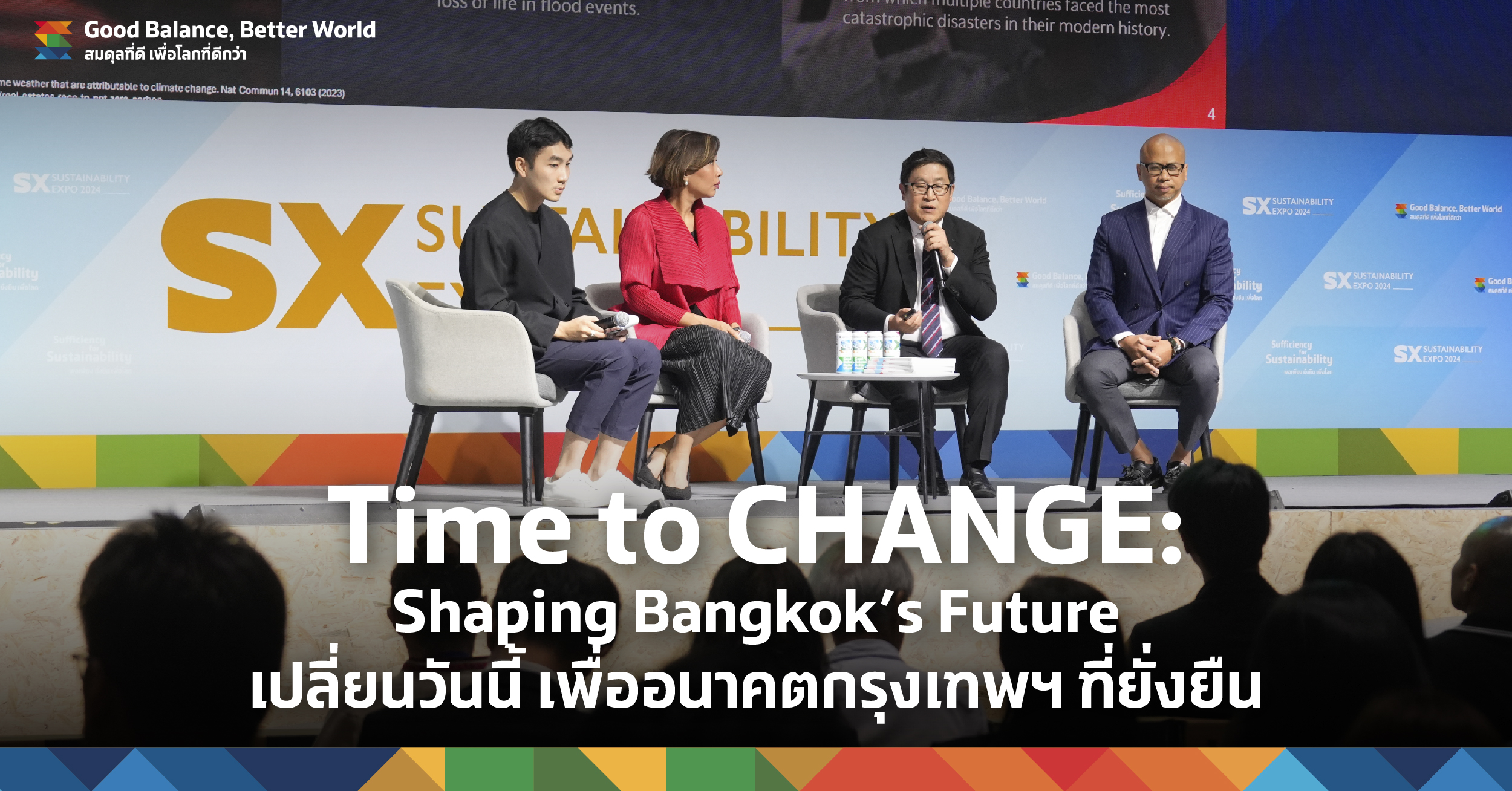
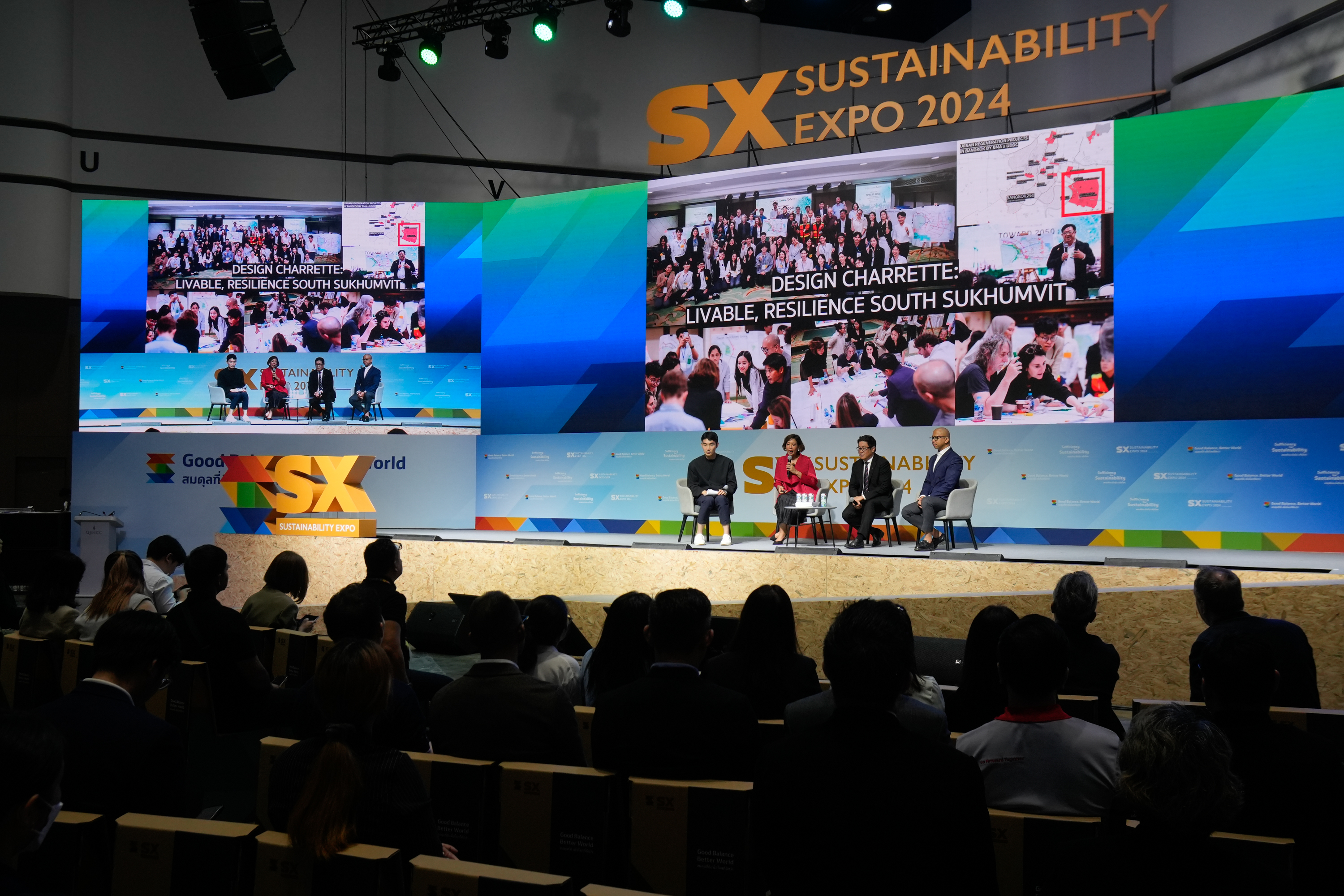
Sustainable urban development requires collaboration among the private sector, government, and communities to create cities that are resilient, equitable, and environmentally friendly. At SX2024, the forum titled “Time to CHANGE: Shaping Bangkok’s Future” addressed this imperative.
Urban expansion in Thailand continues unabated. By 2024, approximately 37.8 million people live in urban areas—accounting for 52.8% of the total population—with this proportion steadily increasing over recent years. Consequently, the push for sustainable cities becomes ever more critical, as such cities balance economic growth, environmental protection, and social equity. Yet achieving this balance presents significant challenges.
In response, SUSTAINABILITY EXPO 2024, Southeast Asia’s largest sustainability event, featured the Time to CHANGE session on October 1, 2024. The event showcased One Bangkok, a pioneering green smart city project at the heart of the capital, developed by TCC Assets (Thailand) Co., Ltd. and Frasers Property Holdings (Thailand) Ltd.
One Bangkok revealed its vision to be “The Heart of Bangkok”—a people-centered urban development that enhances green spaces across the city and offers new living experiences enriched by art and culture. The project aims to uplift quality of life through innovation and community engagement, with a core philosophy focused on people’s well-being.
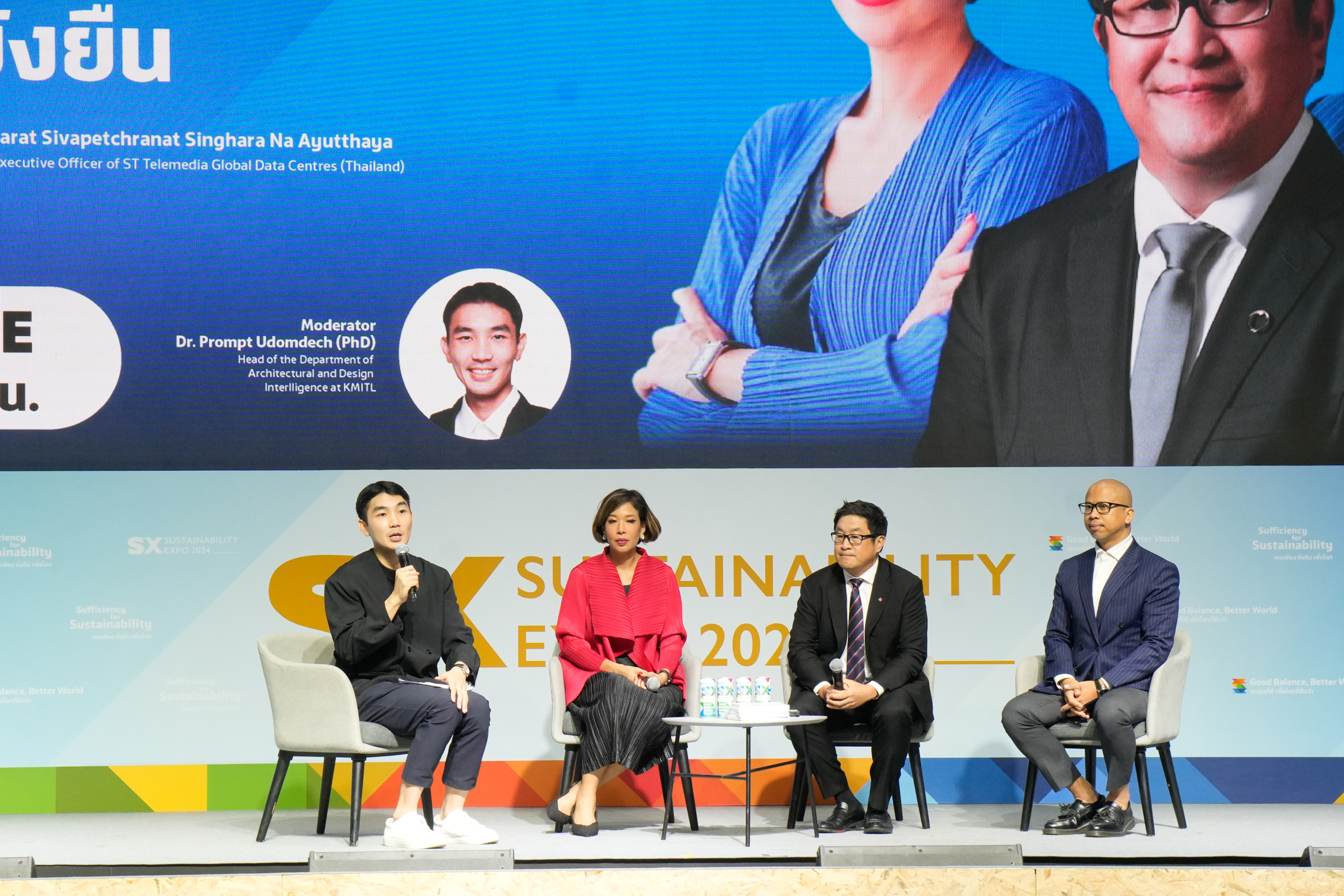
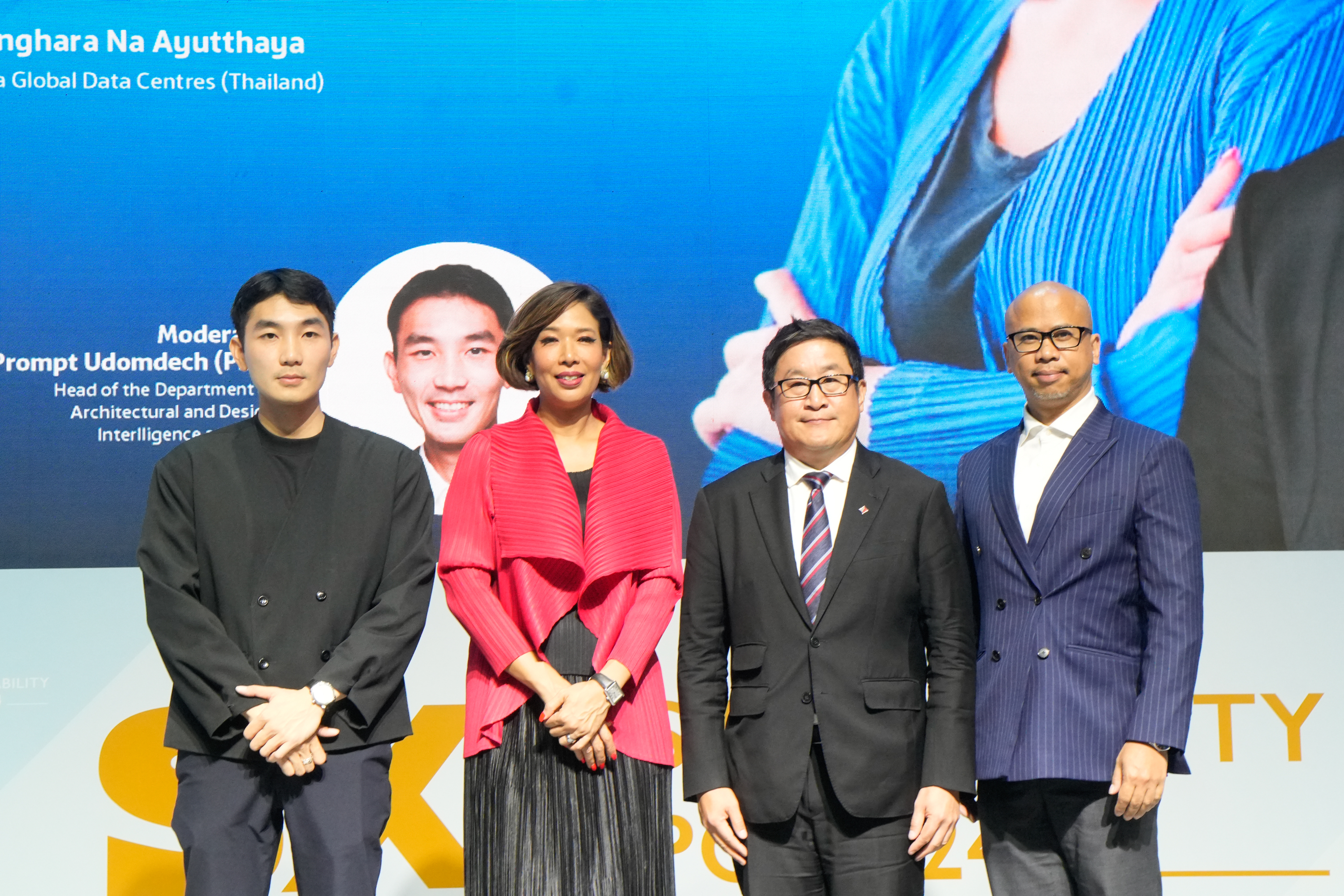
Panelists included:
-
Mr. Worawat Srisan, Chief Operating Officer, One Bangkok
-
Mr. Suparat Siwapetchanat Singhara Na Ayudhya, CEO, ST Telemedia Global Data Centres (Thailand)
-
Assoc. Prof. Dr. Niramol Seresakul, Director, Urban Design and Development Center, Faculty of Architecture, Chulalongkorn University
The discussion was moderated by Dr. Phrom Udomdej, Director of the International Interdisciplinary Architecture Program, KMITL.
Green Smart City: Fighting Climate Change
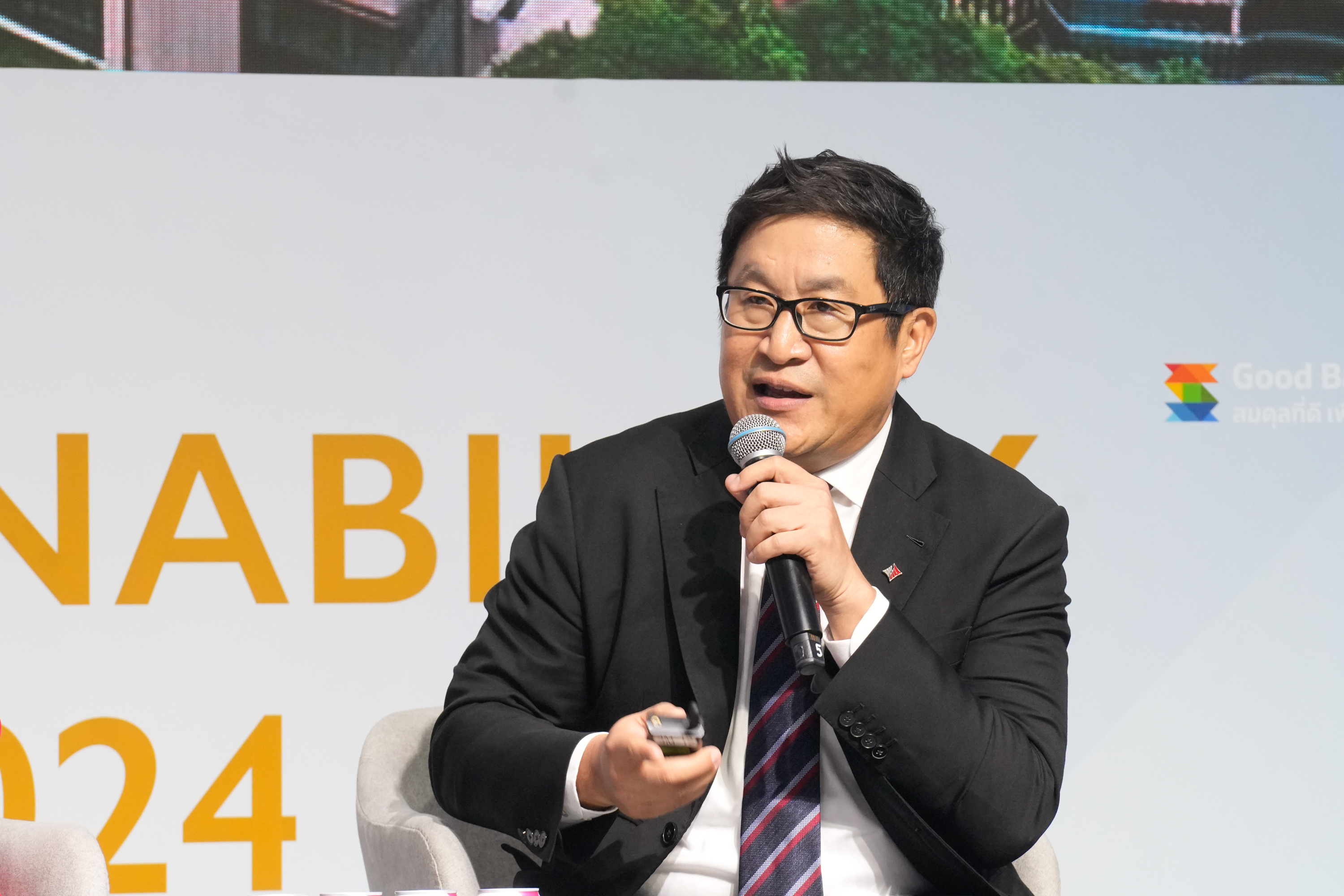
Mr. Worawat emphasized that global warming is a pressing challenge affecting lives worldwide. One Bangkok is committed to setting new standards by developing a future-ready green smart city, combining cutting-edge innovations and smart technologies to promote public health and elevate quality of life on multiple levels.
Better Living: A Holistic Approach
One Bangkok’s philosophy of “Better Quality of Life in One Bangkok” integrates three key dimensions:
-
Physical Vitality
The project features amenities that promote wellness for all. This includes a pedestrian network enabling residents and visitors to walk throughout the entire development within 15 minutes—a continuous 5-kilometer walkway lined with diverse tree species extending 2.6 kilometers. Buildings maximize natural daylight and incorporate automated lighting control, high-efficiency air filtration and sterilization systems for clean air, and noise reduction technologies to shield from external disturbances. -
Mental & Social Rejuvenation
Social and psychological well-being is nurtured through over 50 rai (approx. 8 hectares) of green and open public spaces, including One Bangkok Park, Parade Park, and Wireless Park. These spaces encourage social and recreational activities while fostering community engagement. The Art Loop, a 2-kilometer stretch featuring world-class art and cultural programs, inspires creativity and lifelong learning for all visitors. - Safe & Secure Environment
User comfort and safety are prioritized 24/7 via a District Command Center managing over 250,000 smart sensors that monitor security systems. The design adheres to Universal Design principles, providing wheelchair-accessible routes, tactile pavements for the visually impaired, and clear signage, ensuring accessibility and ease of navigation throughout the development.
One Bangkok is Thailand’s first project to earn LEED for Neighborhood Development Platinum certification, alongside WiredScore and SmartScore platinum ratings. The project is also pursuing WELL Building Standard certification to enhance residents’ and users’ quality of life, comfort, and safety.
Updating Laws and Urban Planning
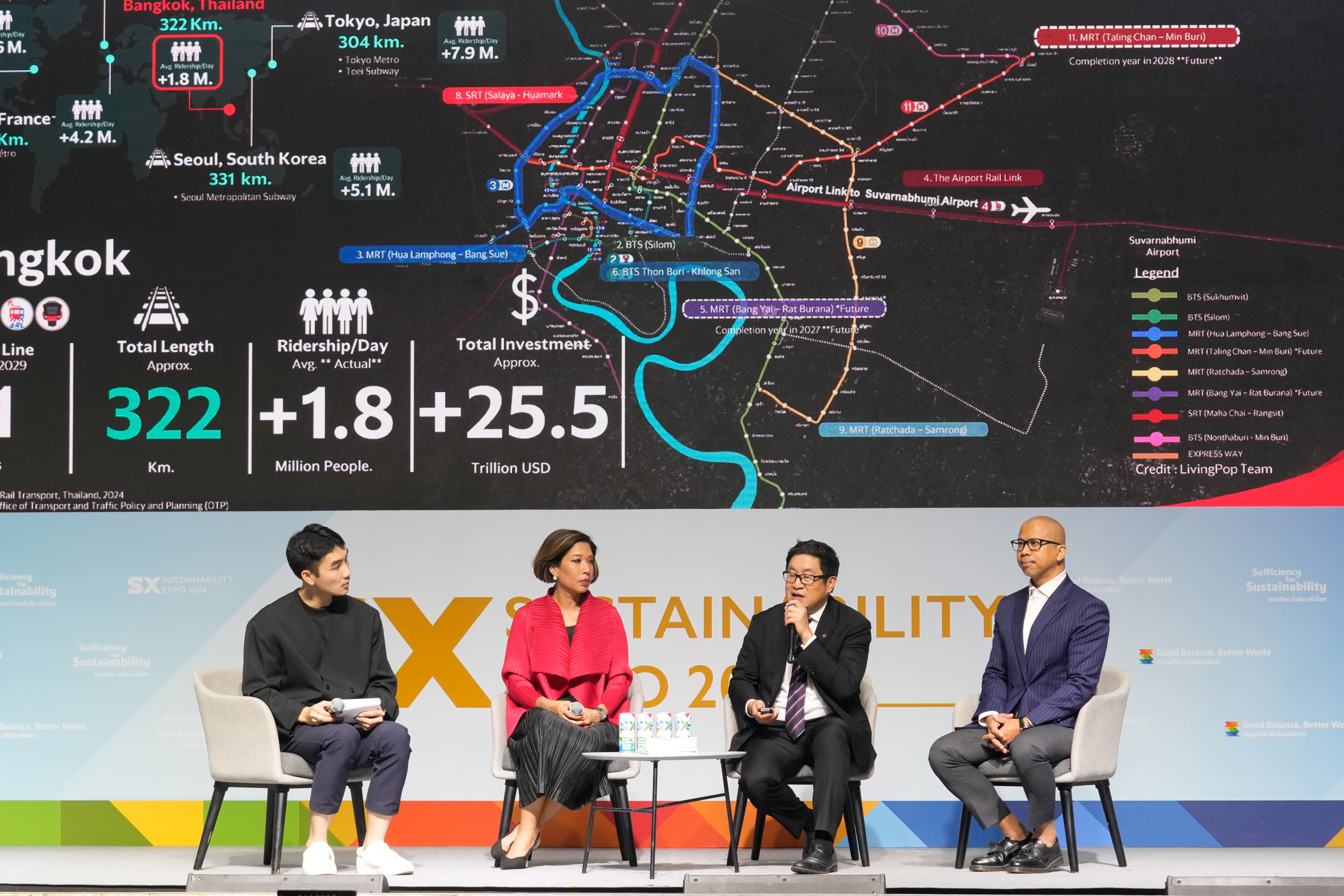
Mr. Worawat highlighted that sustainable urban development is crucial, especially for rapidly growing Bangkok. Effective planning and policies must address transport connectivity, construction material recycling to reduce carbon emissions, and expansion of green spaces accessible to the public.
However, Thai building regulations, dating back to 1979, remain outdated. At that time, the tallest building in Bangkok stood at approximately 90 meters, whereas today’s tallest tower reaches 320 meters but is still governed by the same regulations.
Parking: High Cost, Low Revenue
This legal lag impacts large projects like One Bangkok, which encompasses 1.8 million square meters of floor space. Under the old laws, it must allocate parking for 12,000 vehicles, consuming about 420,000 square meters—an extensive area.
By comparison, New York’s Hudson Yards, of similar scale, has only 45,500 square meters of parking, and Tokyo’s Roppongi Hills provides parking for 2,700 vehicles.
From an economic standpoint, excessive parking areas generate the lowest revenue per space but incur costs comparable to building structures. Modernizing building codes and improving planning will enhance urban development efficiency and sustainability—both economically and environmentally.
Moving Toward Walkable Cities
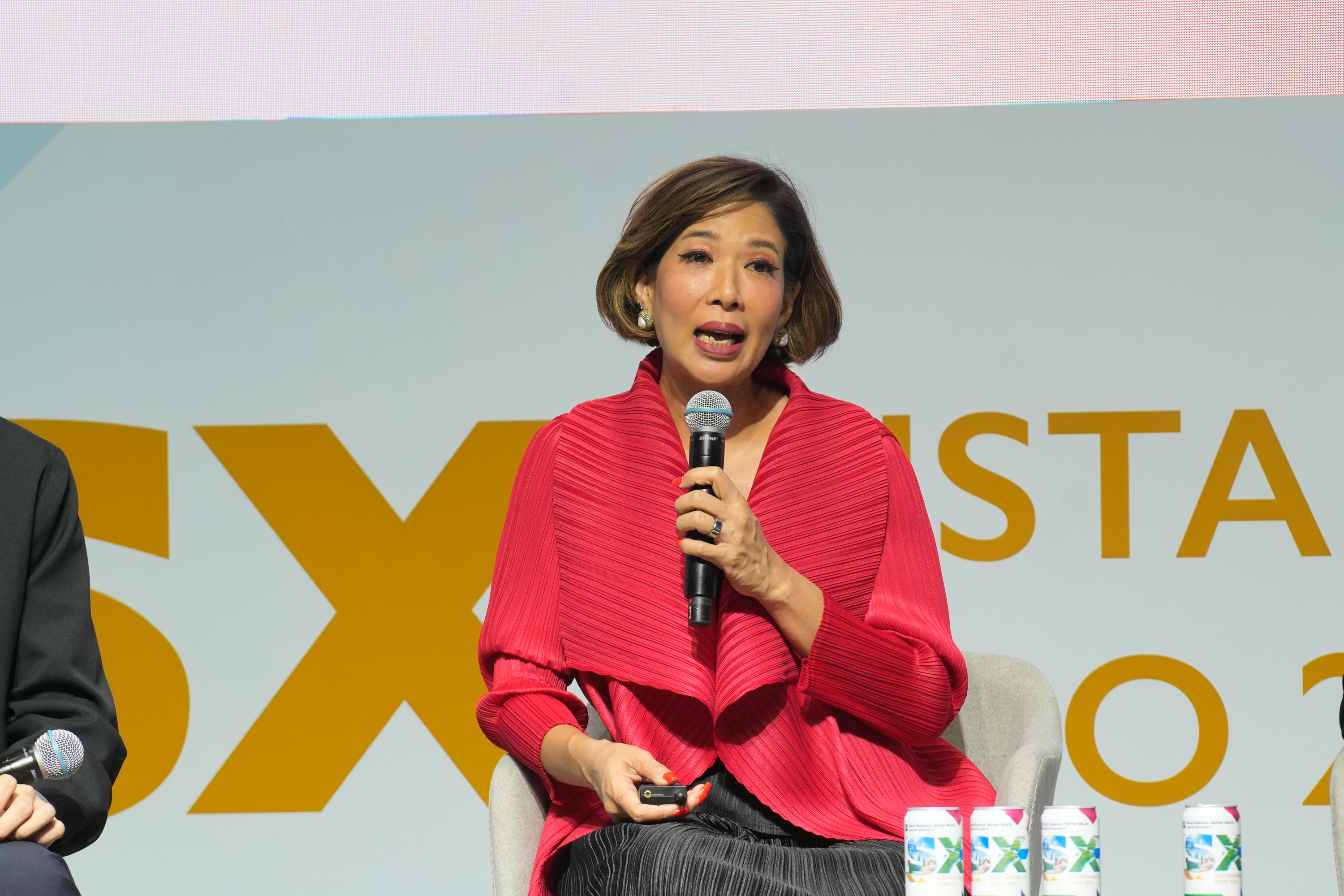
Assoc. Prof. Dr. Niramol Seresakul noted that many global cities are evolving into “walkable cities”—places where people can move around conveniently and safely on foot. Cities like Copenhagen, Denmark exemplify this with safe, well-designed pedestrian and cycling infrastructure.
Bangkok’s current lack of walkability severely impacts public health. Walking is the simplest, most accessible form of exercise, yet when sidewalks and pedestrian paths are inadequate, residents rely heavily on cars and motorcycles. This contributes to health problems like obesity and limits social interaction, increasing risks of loneliness and stress.
Technology and Sustainability
Mr. Suparat Singhara Na Ayudhya emphasized technology’s vital role in enabling sustainable transitions by simplifying daily life, eliminating inefficiencies, and enhancing convenience.
One Bangkok is envisioned as a mixed-use area where people can live, shop, and work without excessive commuting—setting a new standard for urban living. This integrated approach reduces carbon emissions and promotes sustainable lifestyles. The development includes abundant green spaces and efficient public transport options to further environmental conservation.
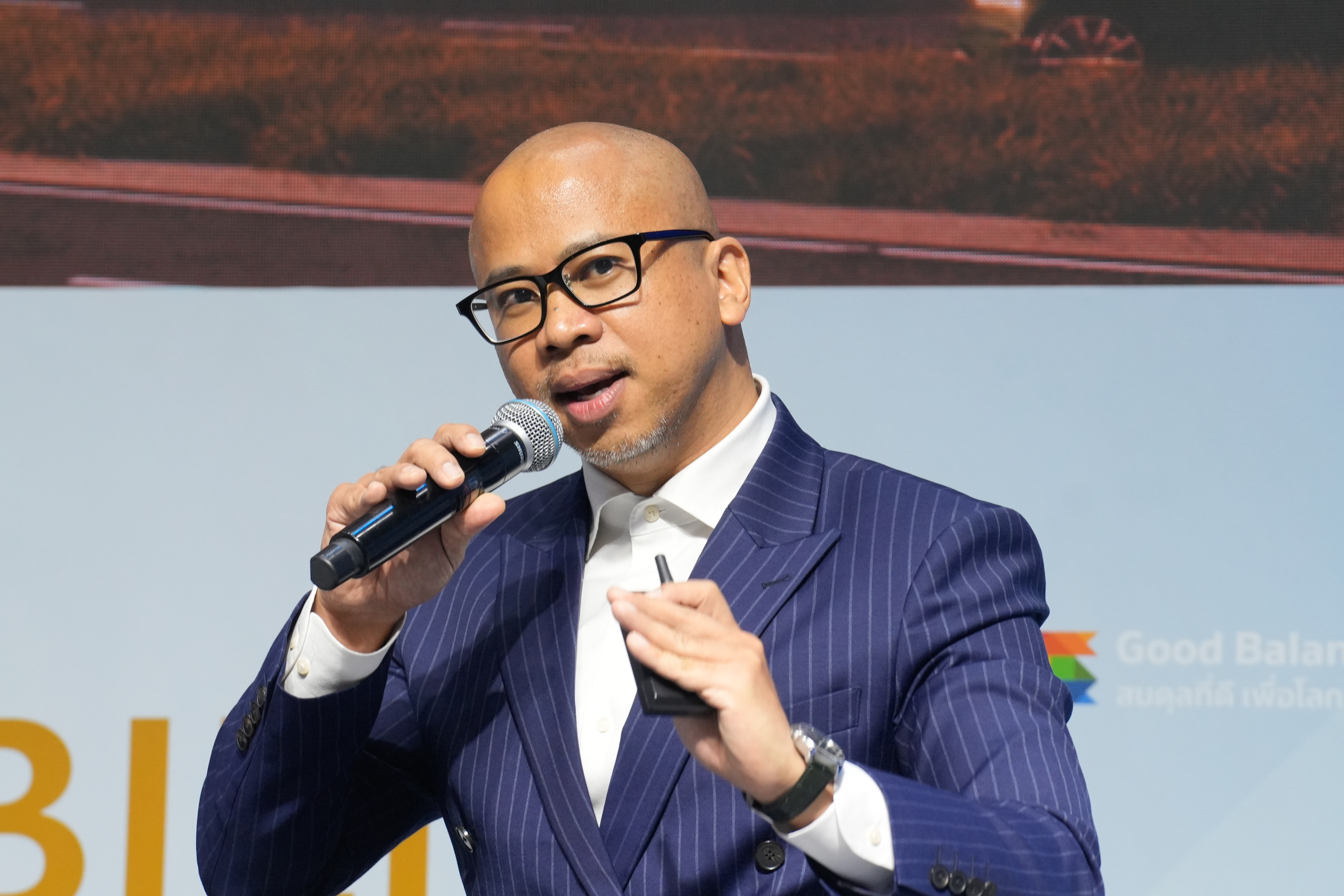
By leveraging advanced technologies and thoughtful urban design, One Bangkok is paving the way toward a more sustainable future—demonstrating that modern city life can be both comfortable and eco-friendly, serving as a model for other cities to emulate.
Stay updated on news and activities of SX via Facebook: Sustainability Expo, and LINE: @sxofficial
Prepare for insightful perspectives and inspiring sustainable social change at SX2025, returning bigger than ever from 26 September to 5 October 2025 at the Queen Sirikit National Convention Center.