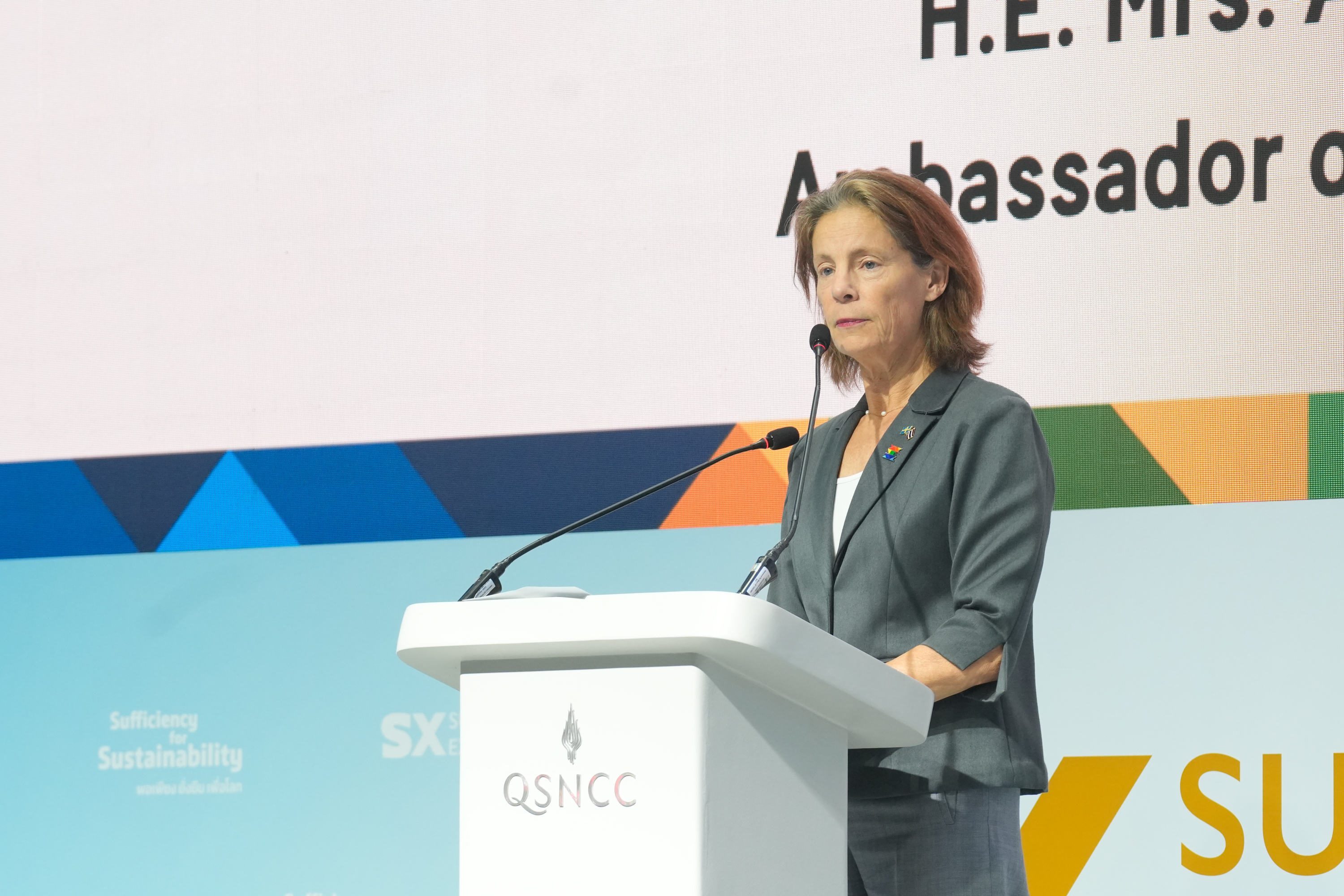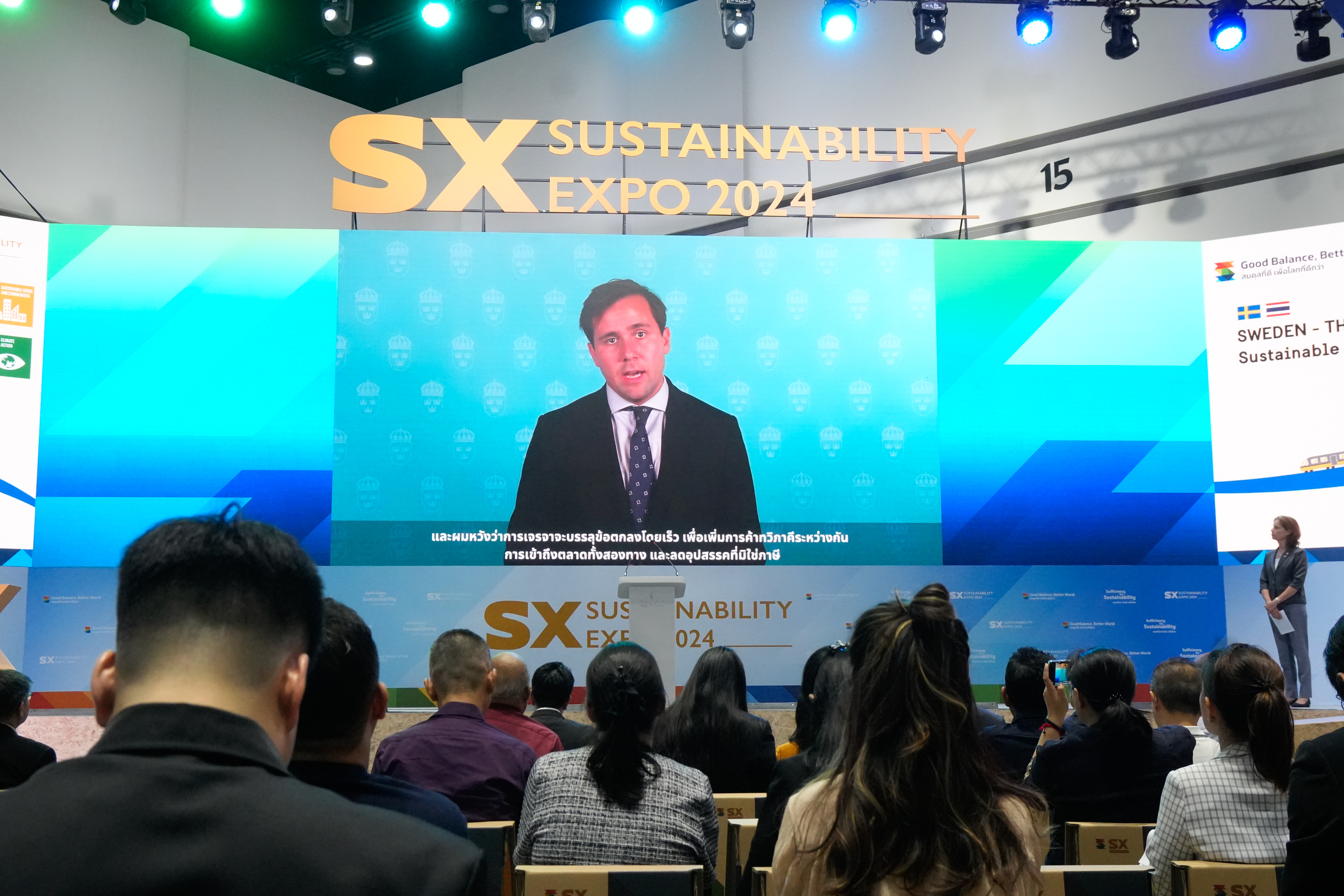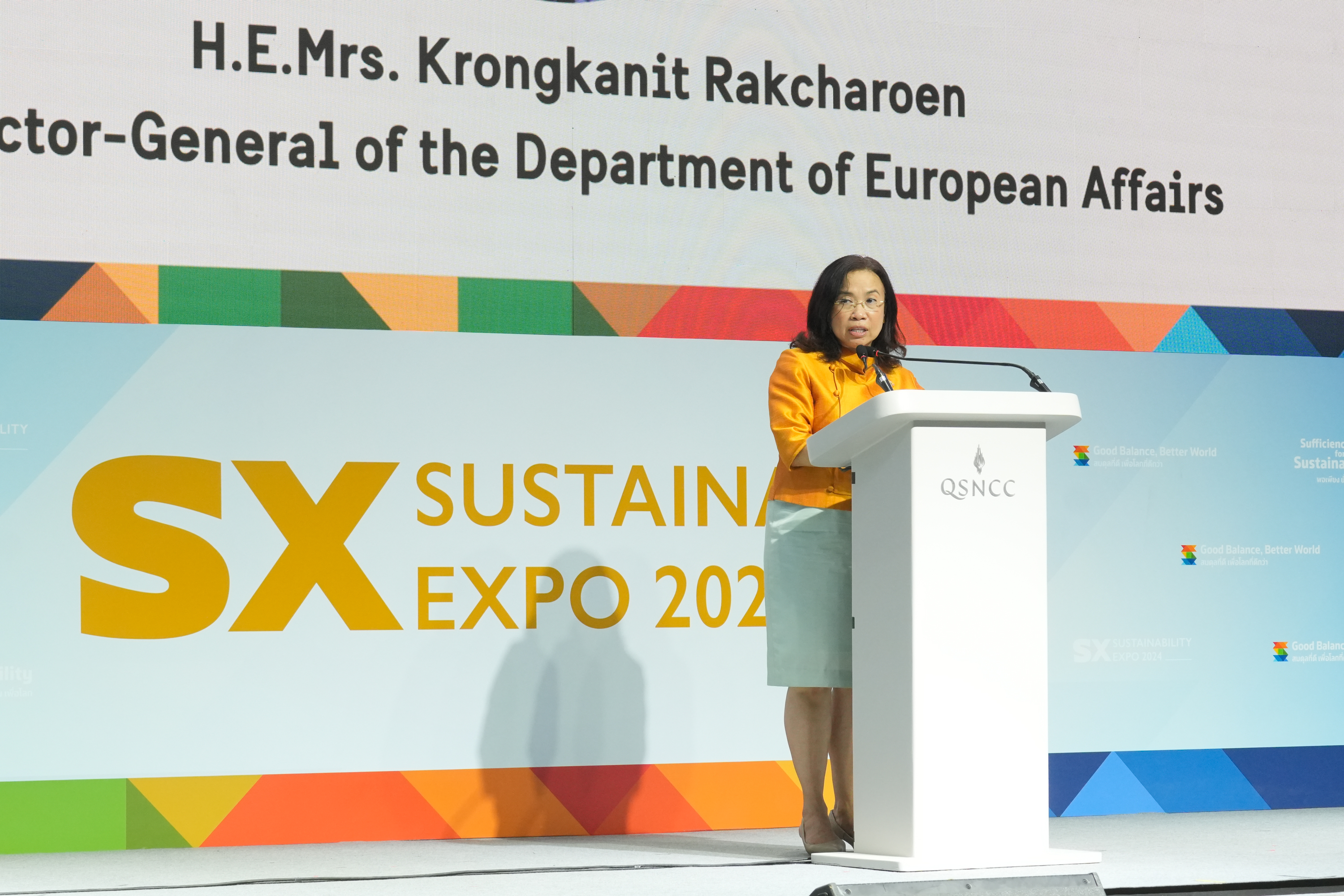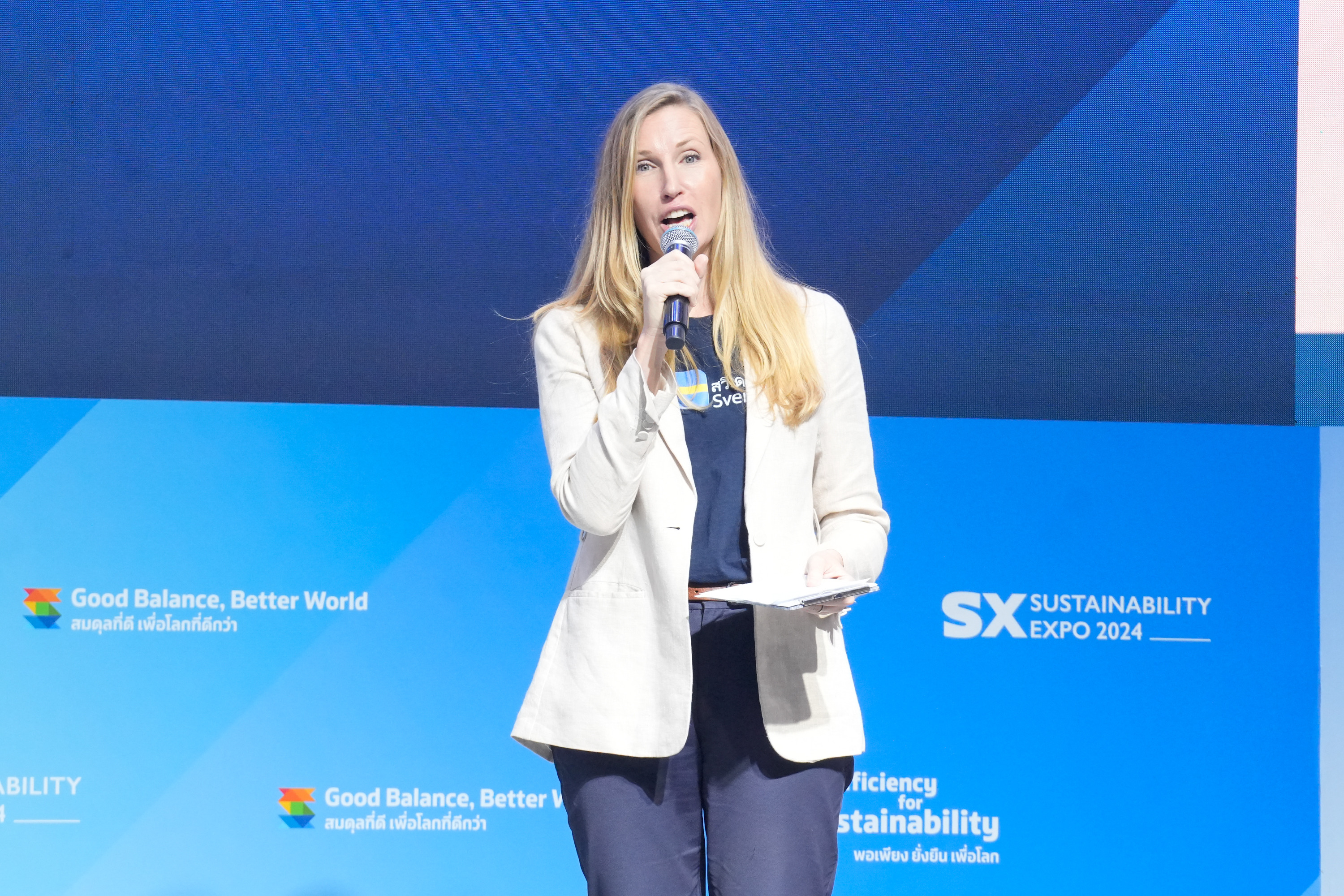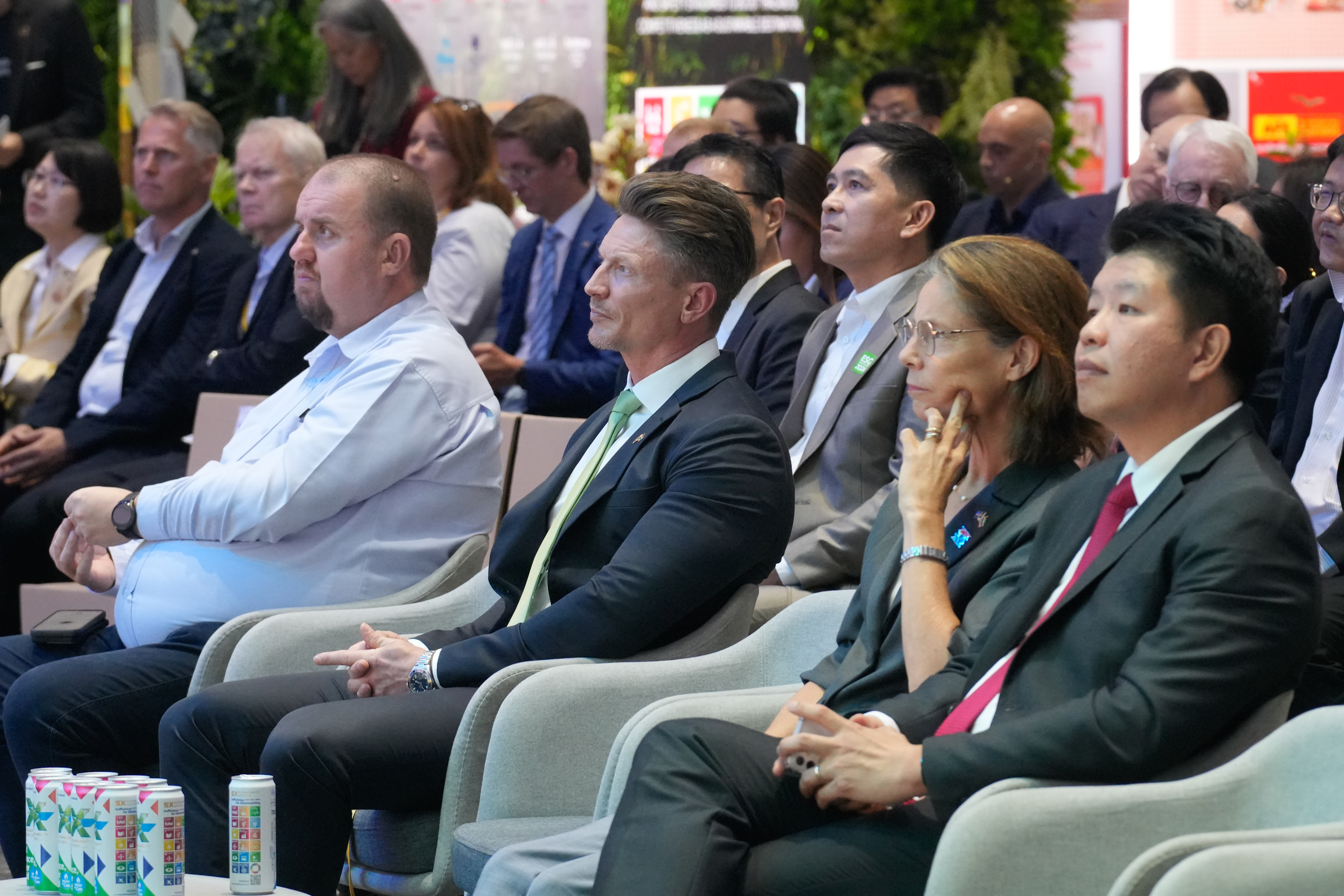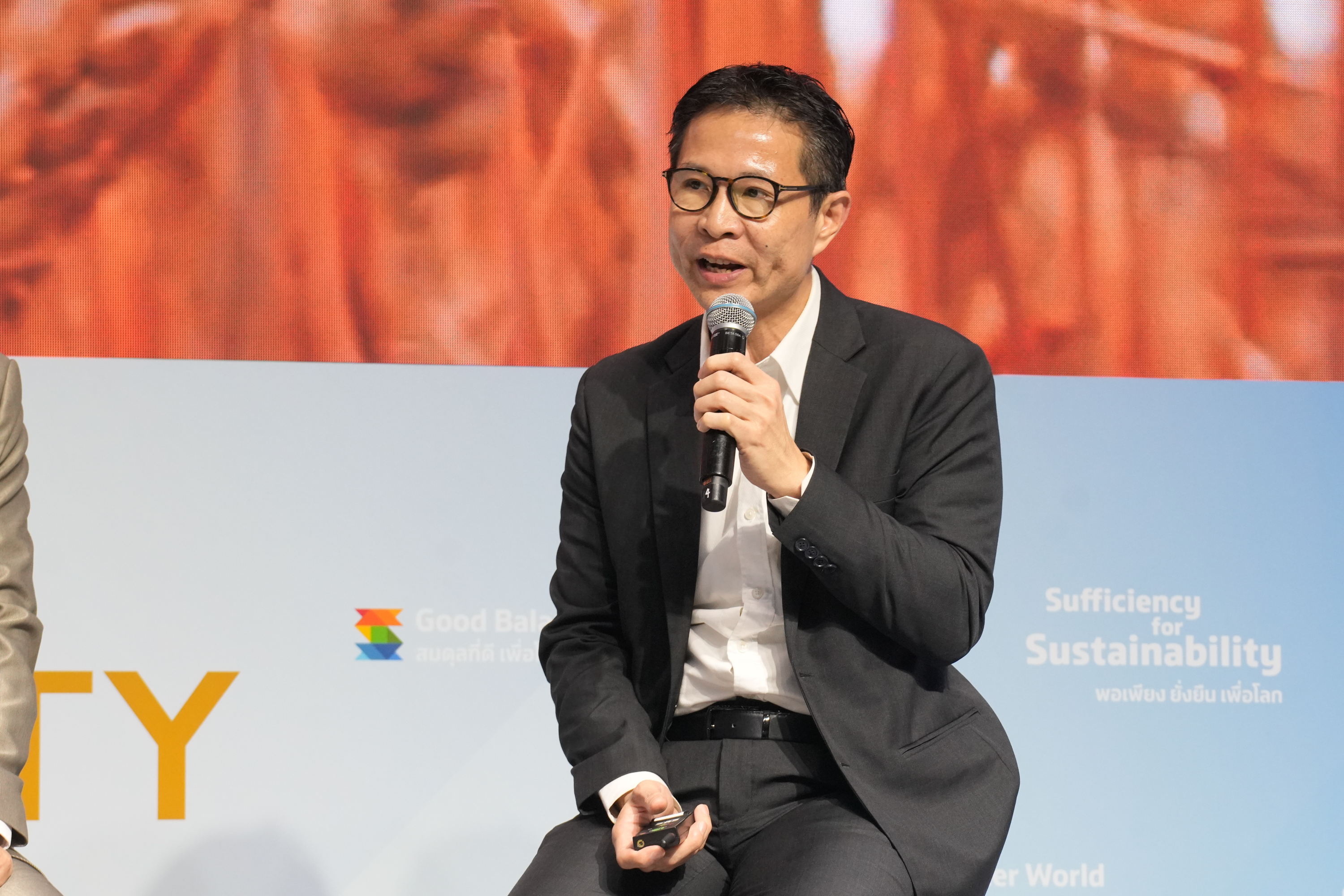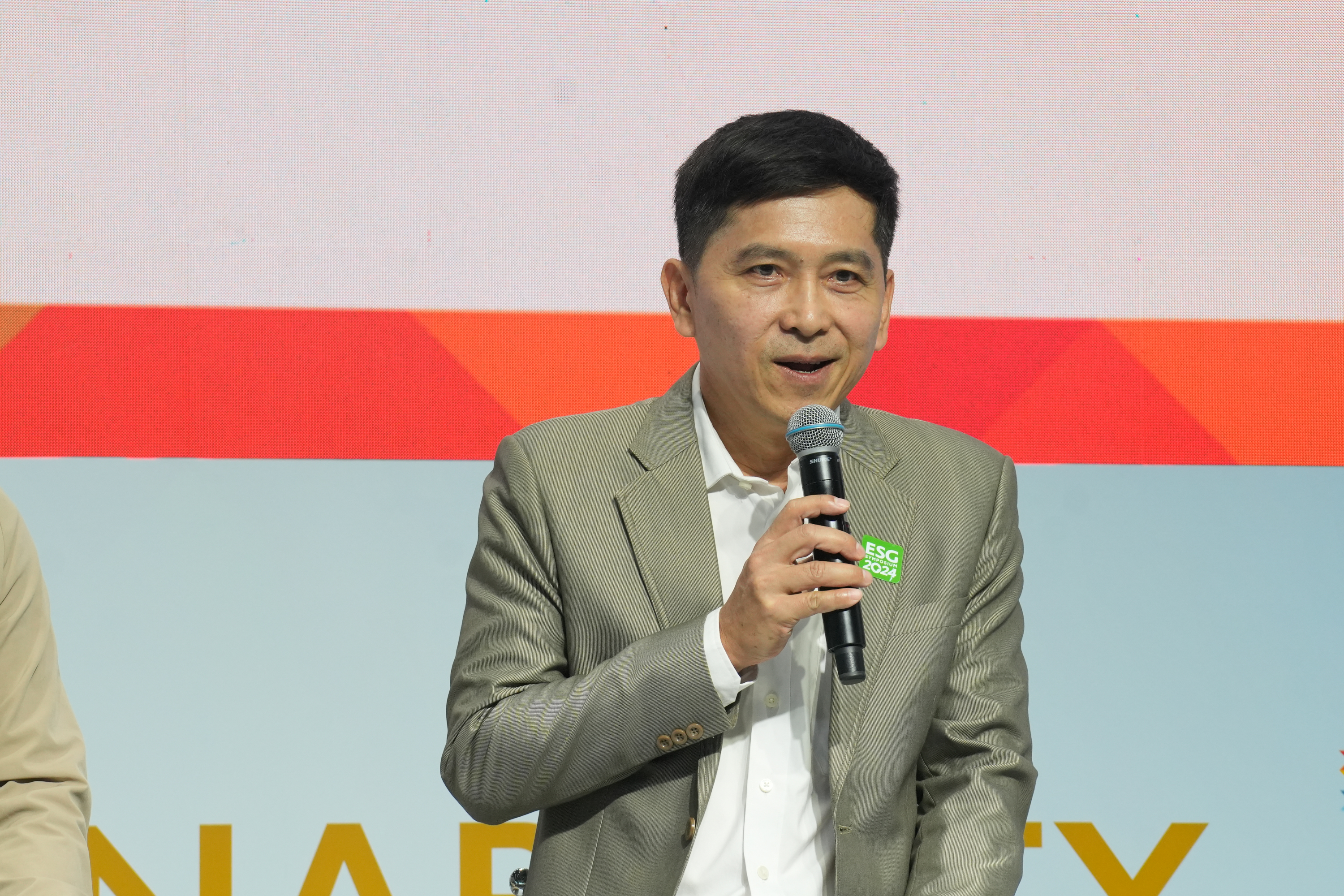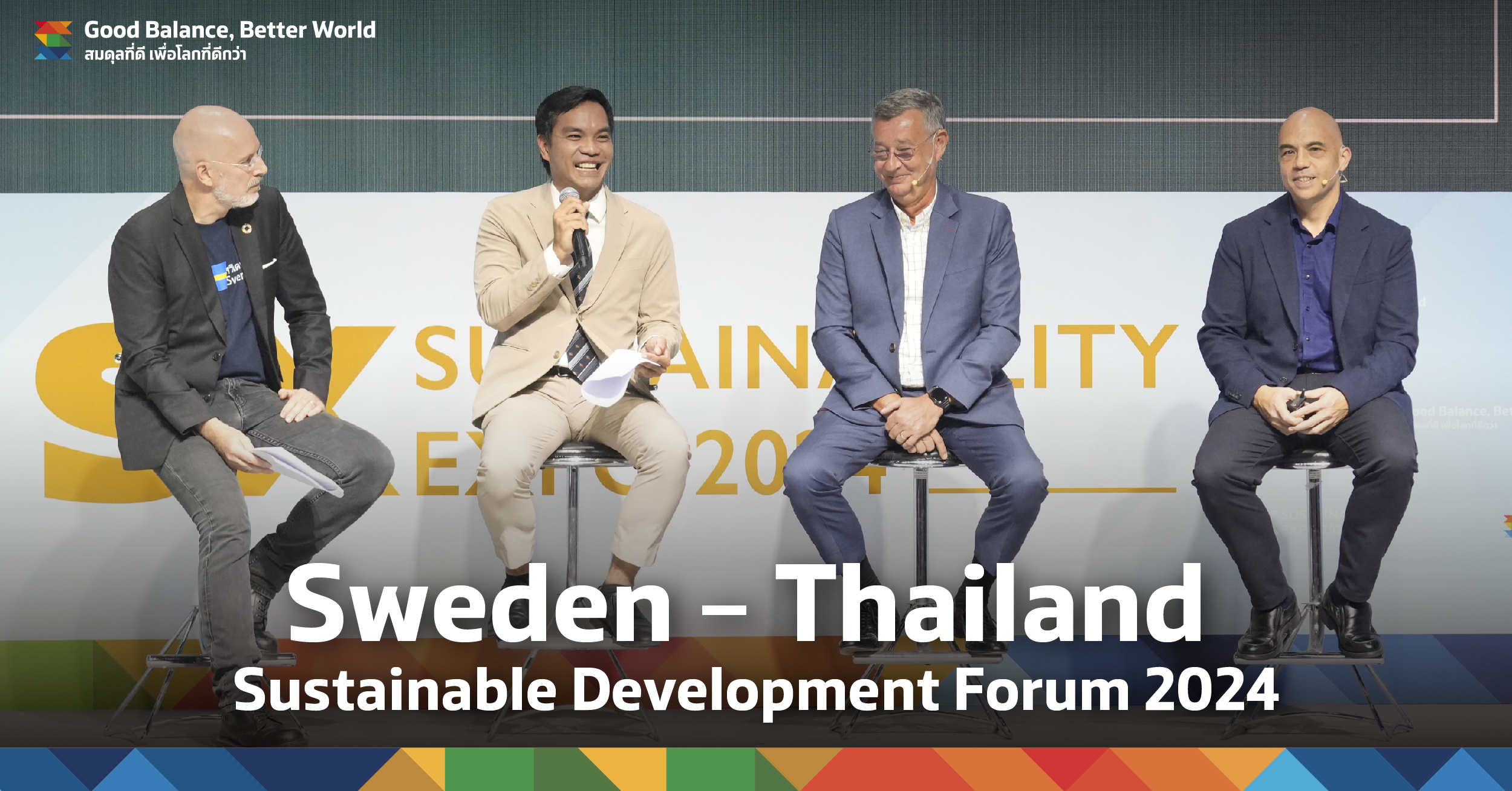
Amid ongoing trade tensions between the United States and China, Thailand is emerging as a global powerhouse in the electric vehicle (EV) industry. This development was a key focus at the Sweden – Thailand Sustainable Development Forum 2024, which promotes knowledge exchange and cooperation between Sweden and Thailand under three main themes: Green Inspiration, Green Solutions, and Green Mobility. The annual event is jointly hosted by the Royal Thai Embassy in Stockholm and the Swedish Embassy in Thailand on a rotating basis, serving as a platform to share best practices and foster concrete collaboration on sustainable development between the two countries.
This year, the Swedish Embassy in Thailand hosted the forum with discussions centered on “Innovation for Energy and Resource Efficiency” and “Transition to Green Mobility” during the SUSTAINABILITY EXPO 2024 (SX 2024) at the Queen Sirikit National Convention Center (QSNCC).
Sustainable Innovations for Energy and Resource Efficiency
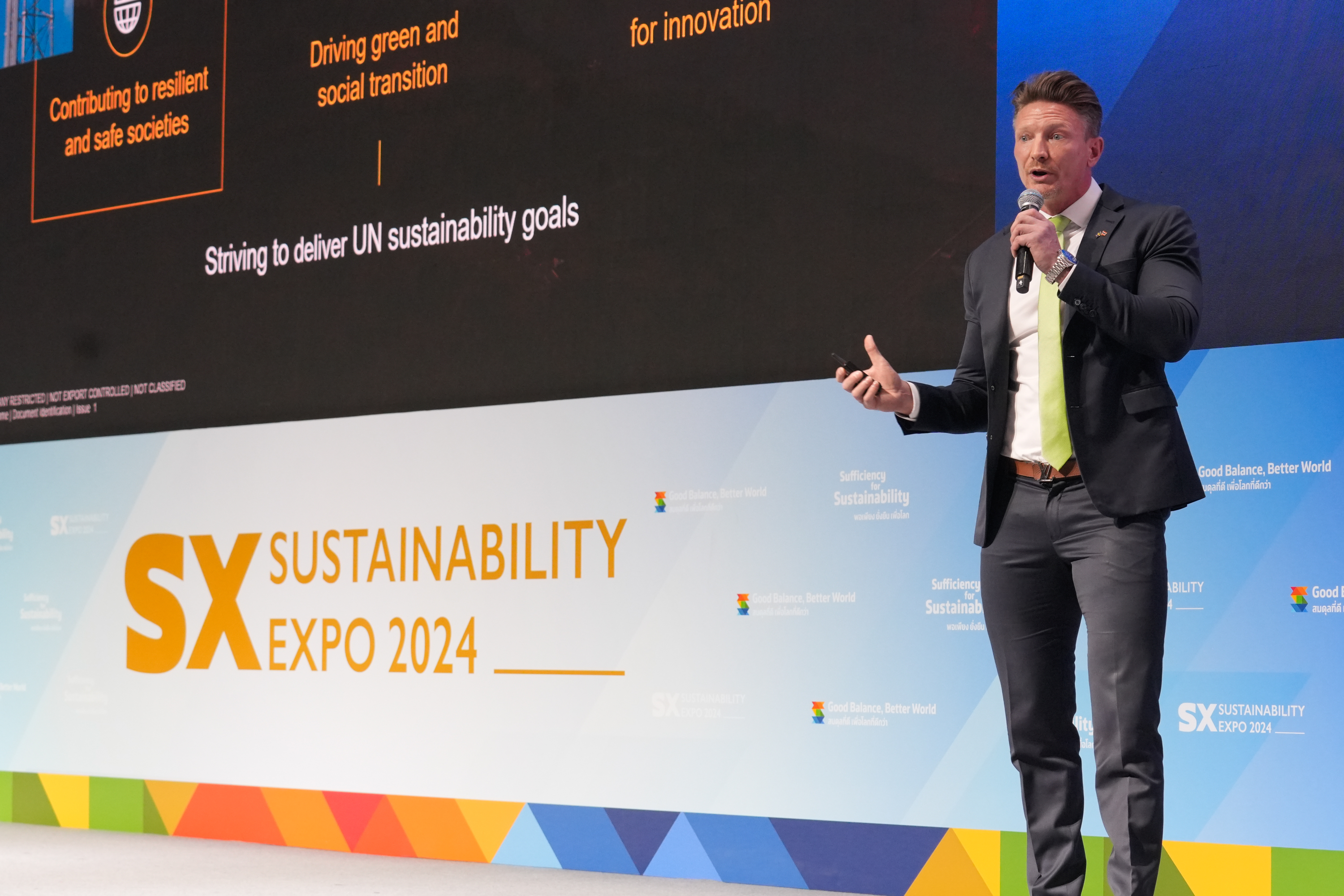
Mr. Fredrik Lindblom, Managing Director of Saab Thailand, discussed sustainable innovations focused on energy and resource efficiency. He highlighted Saab’s transition from an automotive manufacturer to a defense and security company committed to sustainability. He introduced Saab’s innovative Digital Tower technology, which enhances air traffic management by replacing traditional control towers with video-based systems. This solution offers significant environmental and cost benefits by reducing installation time from several years to just weeks, making it more efficient than conventional towers. Saab is currently implementing this technology at various airports across Sweden, advancing both sustainability goals and operational efficiency. Mr. Lindblom emphasized that 17% of Saab’s revenue is reinvested in research and development, underscoring the company’s dedication to innovation. By 2030, Saab aims to lead sustainability efforts in the defense industry, aligning with global sustainability targets and delivering solutions that enhance safety, resource management, and reduce environmental impact in aviation.
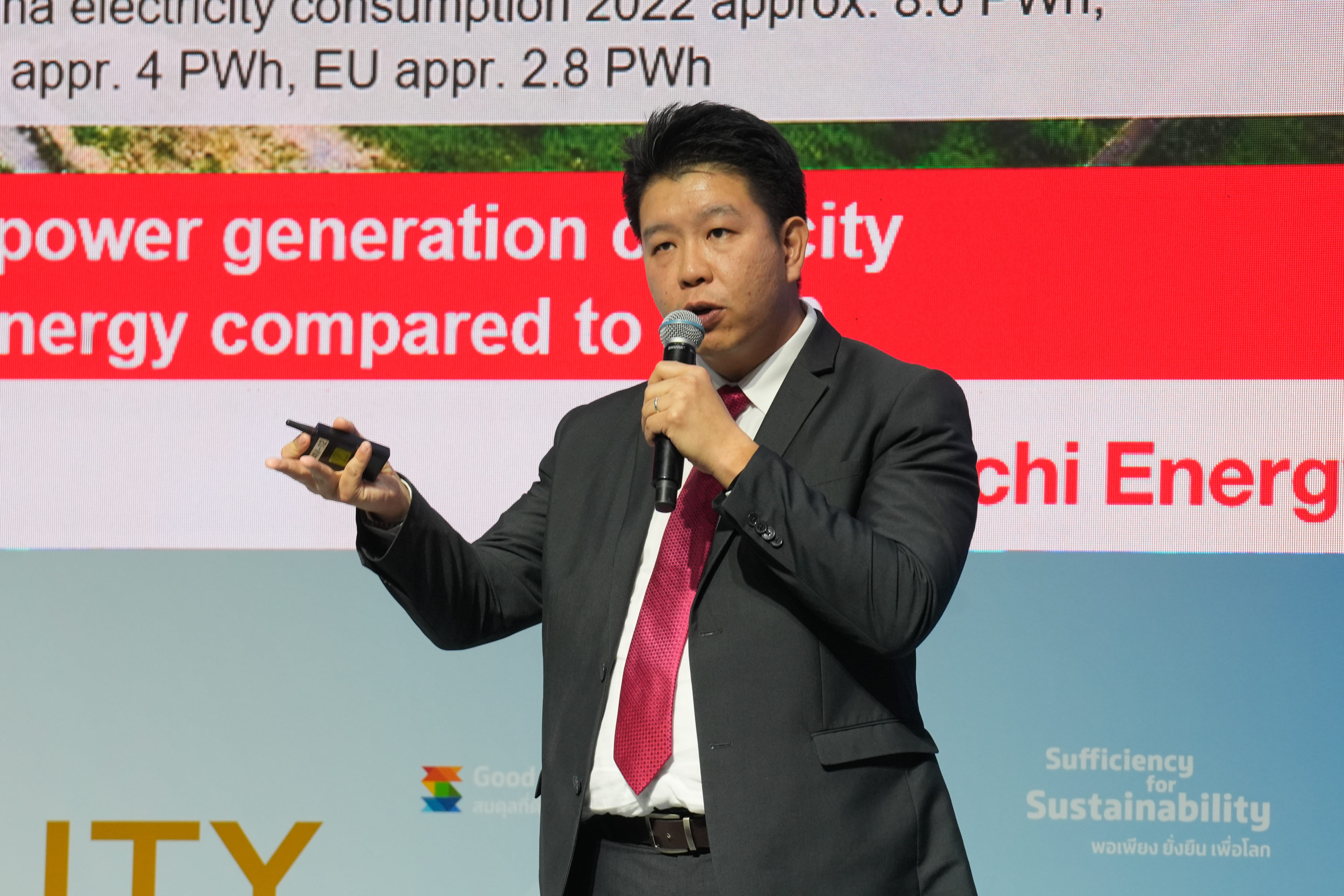
Dr. Worawut Waruttamapornsu, Corporate Strategy Director of Hitachi Energy, emphasized the company’s commitment to a sustainable energy future. With 45,000 employees across more than 90 countries, Hitachi Energy focuses on developing energy systems through digitalization, renewable energy, and electrification. It is projected that by 2050, renewable energy will quadruple, positioning electricity at the core of the global energy system. Dr. Worawut highlighted three foundational technologies critical for the energy transition: power electronics, sustainable products, and digitalization. Digital technologies enhance system efficiency, visibility, and optimization from control rooms to field operations across the entire energy lifecycle. He stressed the importance of partnerships and collaboration, noting that no single company or country can achieve carbon neutrality and a sustainable future alone. Hitachi Energy is also committed to embedding sustainability into its own operations in line with global goals.
Mr. Prasit Sriadsadawuthakul, Managing Director for Food and Water Southeast Asia at Alfa Laval, discussed Thailand’s strengths in the food industry, particularly edible oils, focusing on energy efficiency, sustainability, and innovation. Alfa Laval, a 140-year-old Swedish company operating in energy, food and water, and marine sectors, specializes in heat transfer, fluid handling, and separation technologies. Mr. Prasit emphasized the economic significance of palm oil, contributing 1.1% to Thailand’s GDP and supporting 2–3 million people. He addressed environmental challenges caused by palm oil mill effluent (POME), which emits methane and contaminates groundwater. Alfa Laval’s technology treats POME by recycling water and converting solid waste into fertilizer and animal feed, reducing odors and environmental damage. This sustainable approach enhances profitability while minimizing environmental impact in the industry. Alfa Laval’s sustainability commitment is evident in its goal for carbon neutrality by 2030 and active engagement with 15 of the 17 United Nations Sustainable Development Goals.
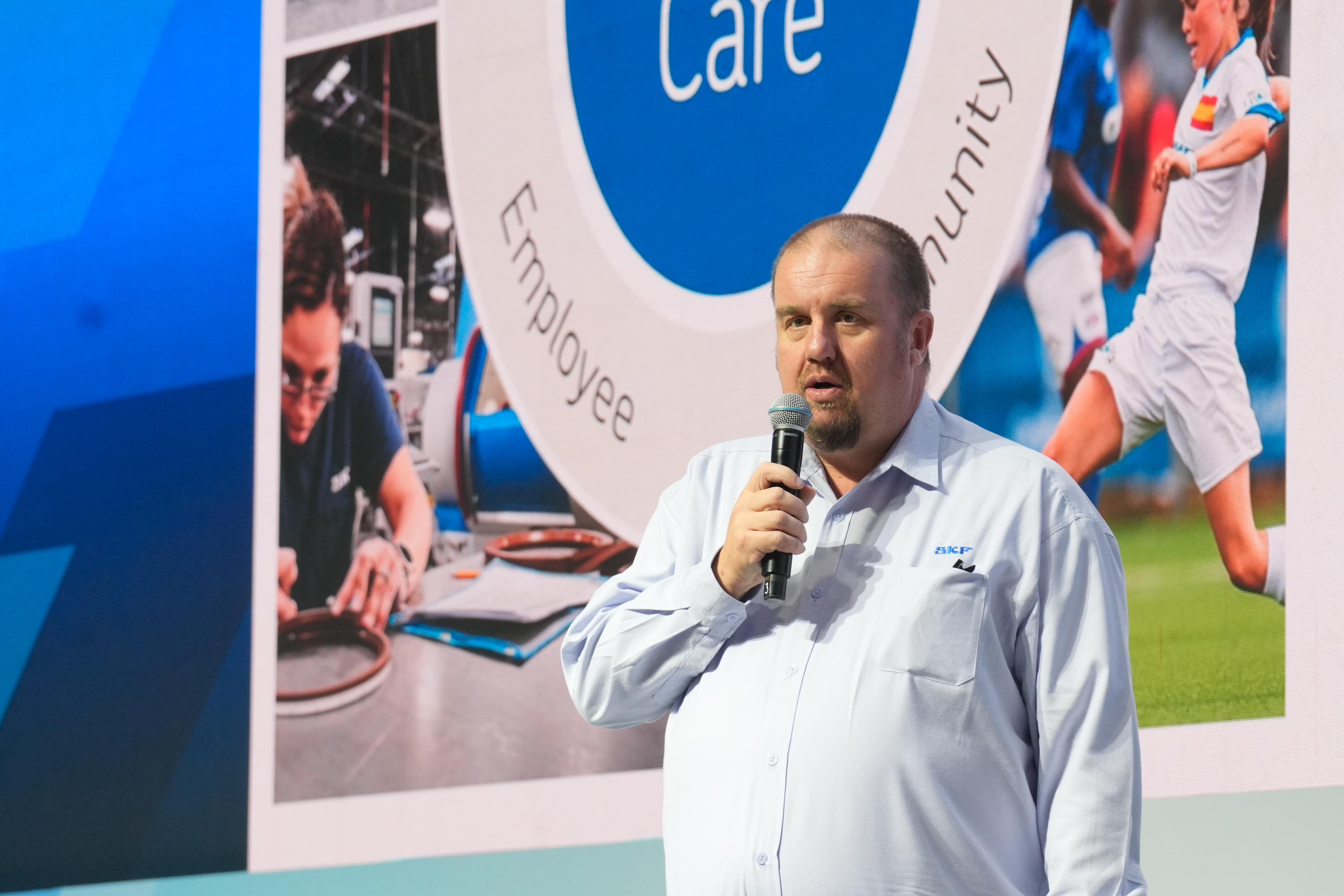
Mr. Simon Protheroe, Head of Lubrication Management for Southeast Asia, Australia, and New Zealand at SKF, discussed SKF’s commitment to sustainability through the use of recycled oil enabled by its Recond Oil technology. Known primarily as a bearing manufacturer, SKF is pursuing smart and clean growth with targets to achieve net-zero emissions in operations by 2025 and across its supply chain by 2030. Central to this is Double Separation Technology, which combines chemical and mechanical filtration to remove contaminants from oil at the nano scale—far beyond conventional filtration. This enables oil reuse rather than disposal, significantly reducing waste and cutting carbon emissions by up to 99%. Collaborative research with the Swedish Environmental Research Institute highlights the environmental impact: just one liter of used oil can contaminate up to one million liters of water. Managing oil as a reusable asset allows SKF to enhance sustainability, lower costs, and improve machinery performance, offering a scalable solution to the global problem of oil waste.
Green Mobility and Accelerating the Transition to Sustainable Urban Transport
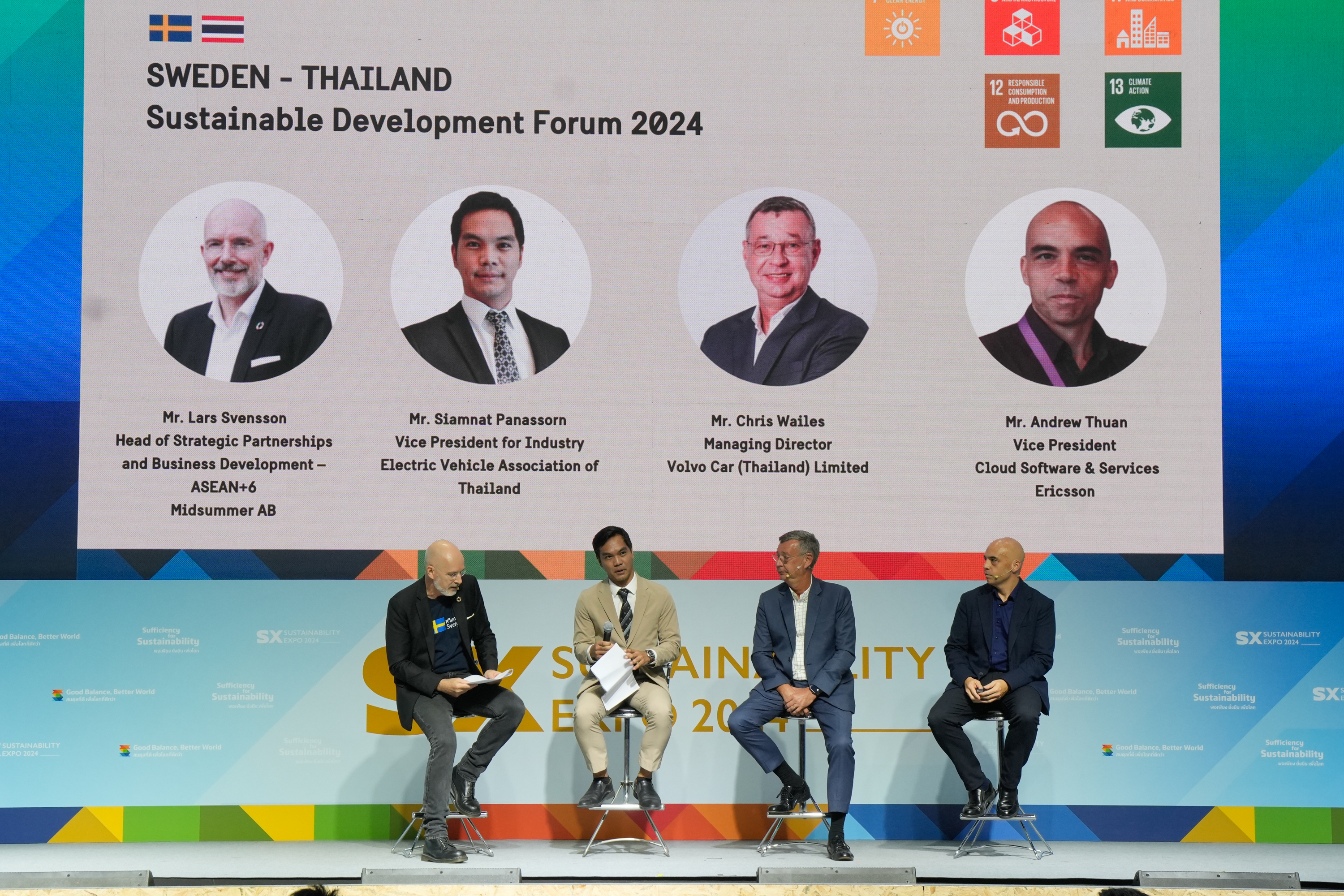
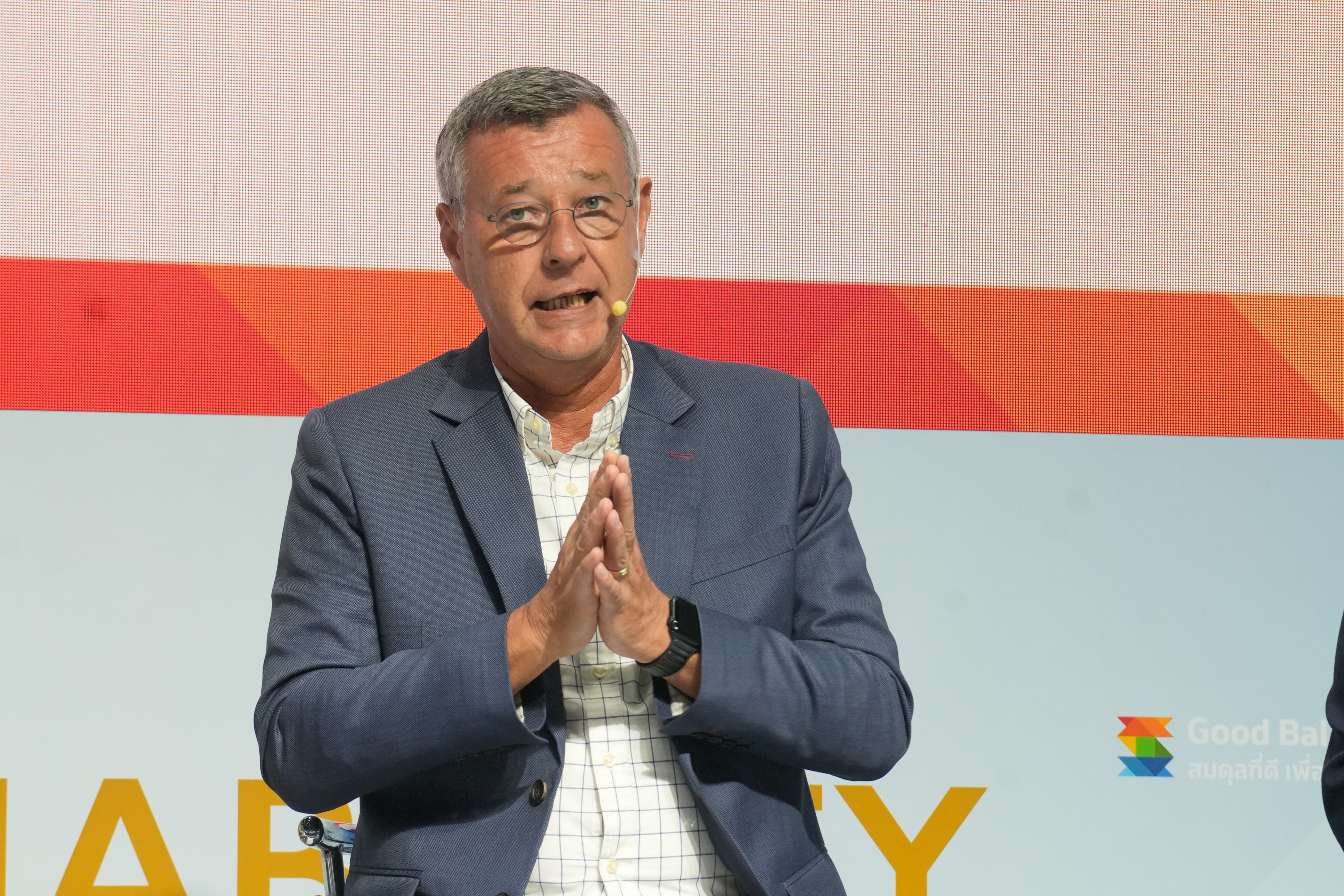
Mr. Chris Wailes, Managing Director of Volvo Car Thailand, emphasized Volvo’s commitment to a fully electric future since 2020, noting that 80% of Volvo vehicles currently on Thai roads are fully electric. He highlighted plug-in hybrid vehicles as a transitional bridge for long-distance drivers and predicted rapid advances in battery technology enabling 1,000 km per charge. Volvo’s sustainability efforts include recycling 92% of waste and using 74% renewable energy in global operations.
Mr. Siamnat Panassorn, Vice President of the Electric Vehicle Association of Thailand (EVAT), praised the Thai government’s supportive EV policies but acknowledged challenges, such as converting pickup trucks to electric vehicles—a vital segment for Thai consumers—due to their diverse usage. Additionally, high household debt (91% of GDP) limits consumer access to financing for EV purchases. He stressed the need to shift Thailand’s electricity generation toward renewable sources to achieve carbon neutrality, as 58% of current energy comes from natural gas. Mr. Siamnat emphasized that partnerships and government support are essential to create favorable conditions for success.

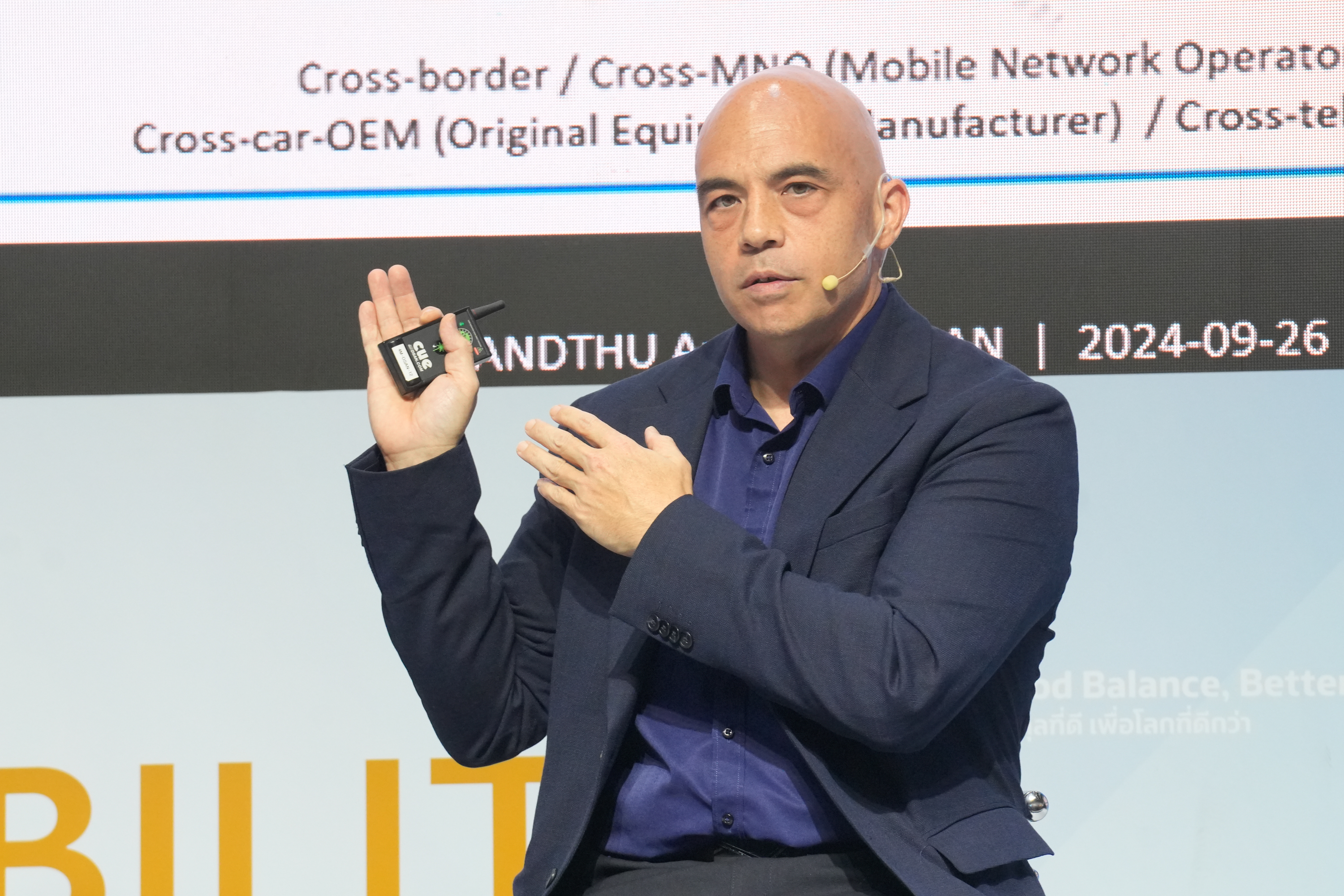
Mr. Andrew Thuan, Vice President of Ericsson, explained how 5G technology enhances electric vehicle infrastructure and urban mobility with high speeds, low latency, and real-time positioning. He emphasized Vehicle-to-Everything (V2X) technology and over-the-air software updates, allowing EVs to stay current without hardware changes. When asked about essentials to accelerate EV adoption while maintaining sustainability and accessibility, Mr. Andrew pointed out that Thailand’s existing 5G network is crucial for developing connected and autonomous vehicles. He highlighted ongoing projects like a 5G-connected vehicle testbed that will support Thailand and global markets, expecting significant progress within the next year. Mr. Chris Wailes underlined that price parity between EVs and conventional vehicles is key to increasing demand, as making EVs more affordable will drive wider adoption.
Government, Corporate, and Supplier Collaboration: Key Drivers for Thailand’s Sustainable Mobility Transition
Mr. Kongkiat Teechamongkol, Managing Director of Camfil Thailand, stressed the importance of advanced air filtration systems in battery manufacturing plants to protect workers and the environment while enhancing energy efficiency. He discussed how Camfil’s comprehensive filtration solutions ensure clean air and reduce contamination during EV production.
Mr. Siamnat Panassorn reiterated Thailand’s national target of achieving 30% EV production by 2030. He emphasized the need to build partnerships among vehicle suppliers and government agencies to meet this goal, acknowledging challenges in scaling production and making prices affordable, especially given market price sensitivities.
Mr. Polawat Phirojchaikul, Managing Director of Reflex Packaging, highlighted the importance of sustainability across the supply chain, citing packaging innovations that reduce carbon emissions and logistics costs. He pointed out the need to consider total cost of ownership to demonstrate long-term value beyond initial purchase price.
The key takeaway from the forum is the critical importance of collaboration between government, companies, and suppliers to drive Thailand’s transition to sustainable mobility. Discussions highlighted challenges such as affordability, production scaling, and environmental concerns, while underscoring innovation and sustainability throughout the EV supply chain. Technological advancements—particularly in air filtration, packaging, and 5G connectivity—were presented as essential to ensuring efficiency, safety, and minimizing environmental impact. Overall, the forum emphasized the necessity of partnerships and innovation to achieve Thailand’s national target of 30% EV production by 2030 and to lead sustainable urban mobility.
Stay updated on news and activities of SX via Facebook: Sustainability Expo, and LINE: @sxofficial
Look forward to inspiring perspectives and pioneering sustainable social change at SX2025, returning bigger than ever from 26 September to 5 October 2025 at the Queen Sirikit National Convention Center.
Gallery