
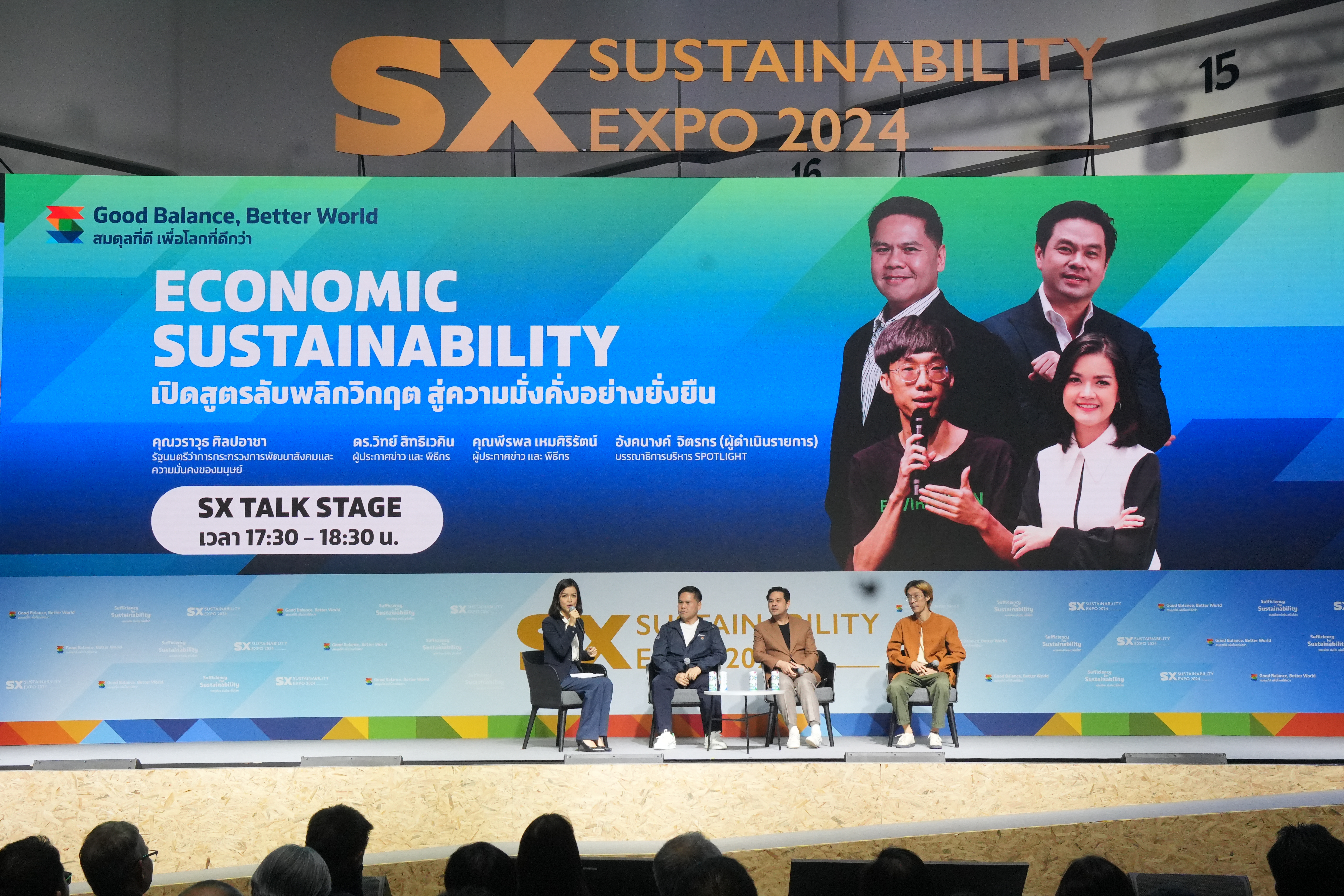
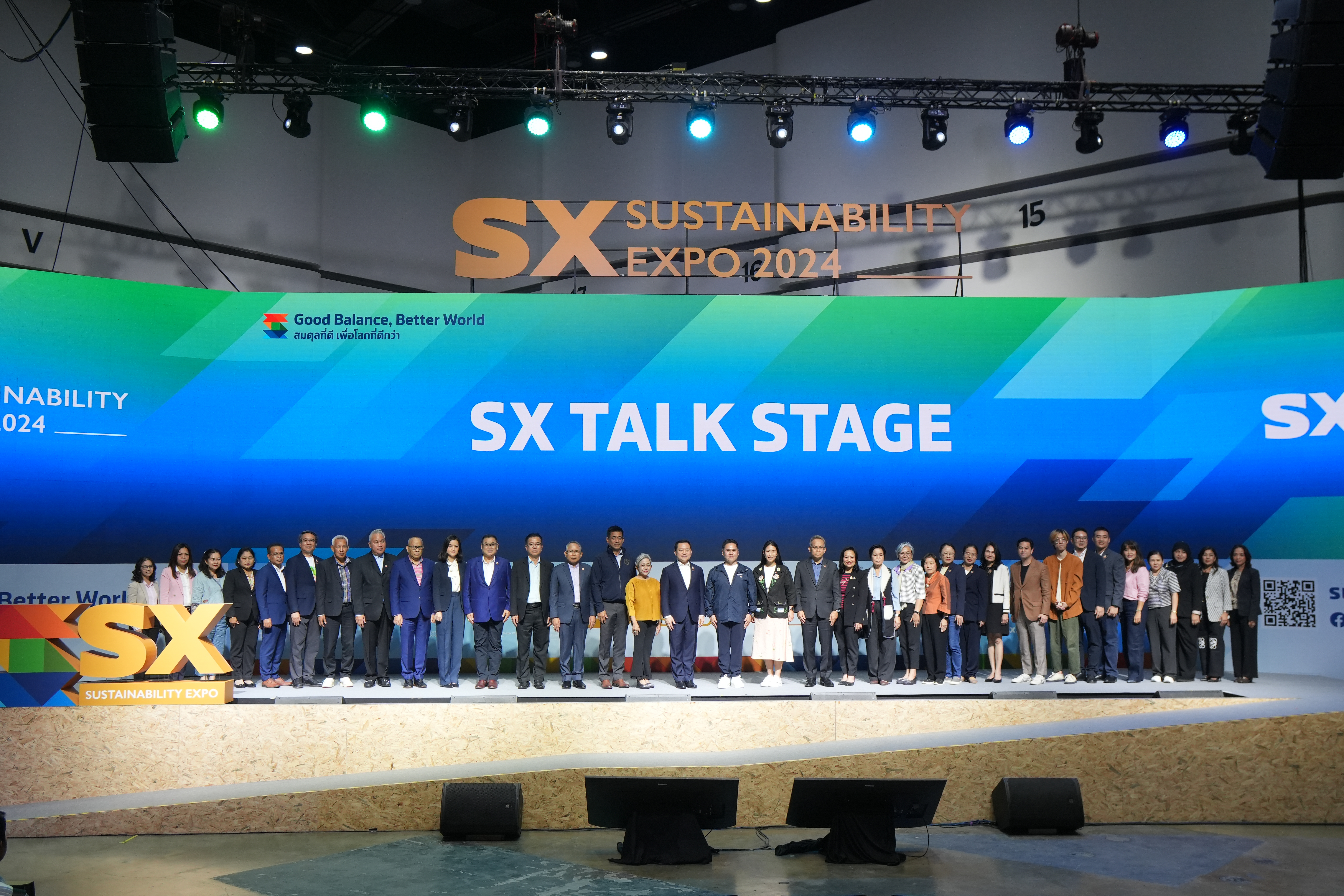
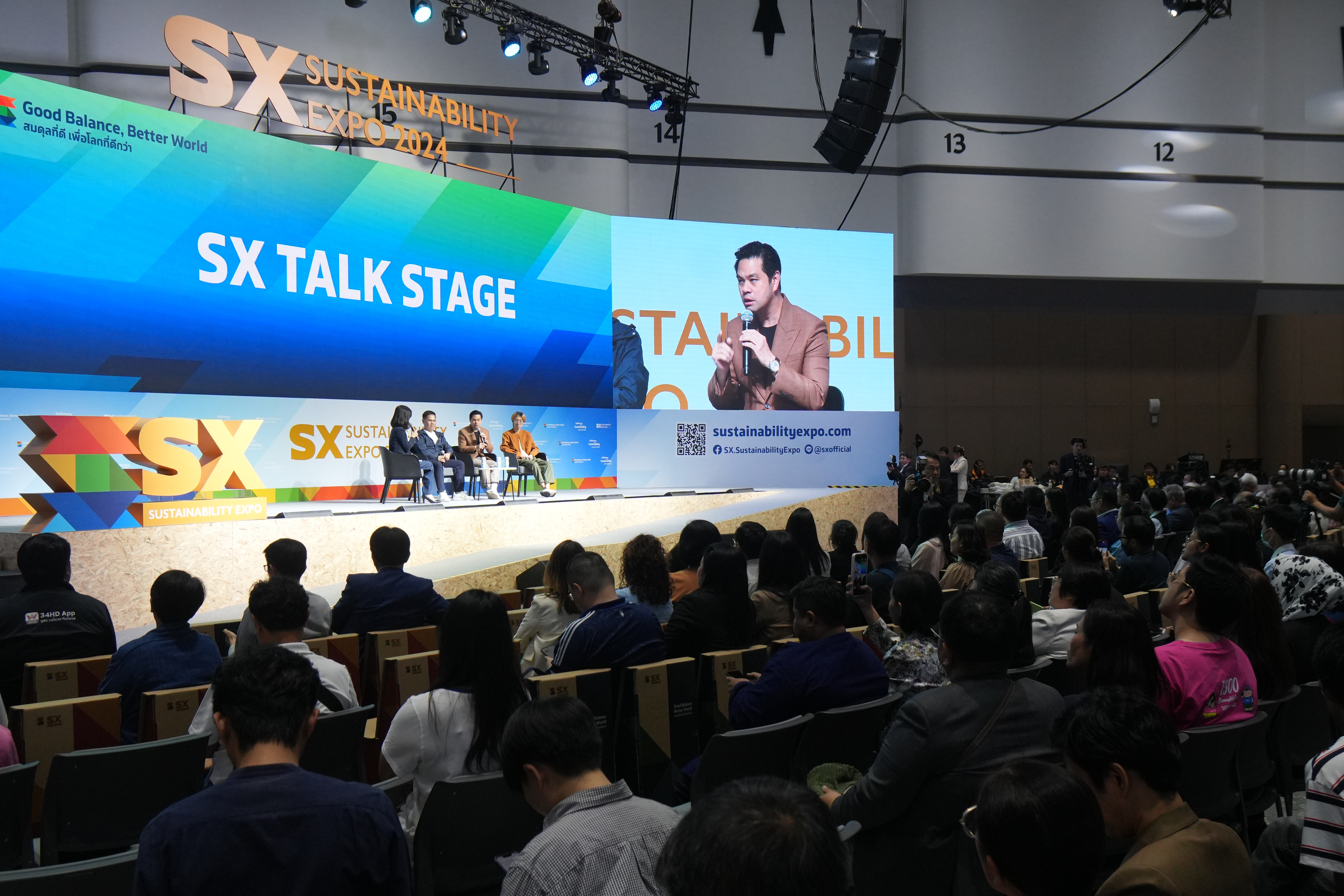
At the Economic Sustainability panel at SUSTAINABILITY EXPO 2024 (SX2024), three thought leaders came together to share practical strategies for transforming crises into long-term prosperity:
-
Mr. Varawut Silpa-archa, Minister of Social Development and Human Security (MSDHS)
-
Dr. Wit Sitthiwetkin, news anchor and host
-
Mr. Peerapol Hemsirirat, Co-Founder of Environman
Vulnerable Groups Are the First to Suffer
Mr. Varawut pointed out that climate change is steadily diminishing people’s wealth and well-being. As the minister responsible for overseeing vulnerable populations—including persons with disabilities, the elderly, and the underprivileged—he emphasized that these groups are the first to feel the impact.
Take, for example, the case of flooding: vulnerable individuals often suffer the most and earliest. Unlike those in higher socioeconomic tiers, they can’t simply switch on air-conditioning during a heatwave or evacuate quickly. Therefore, building awareness and encouraging environmental responsibility across all sectors of society is crucial—especially as extreme weather events like floods become more common in northern Thailand.
Everyone Has the Power to Change the World
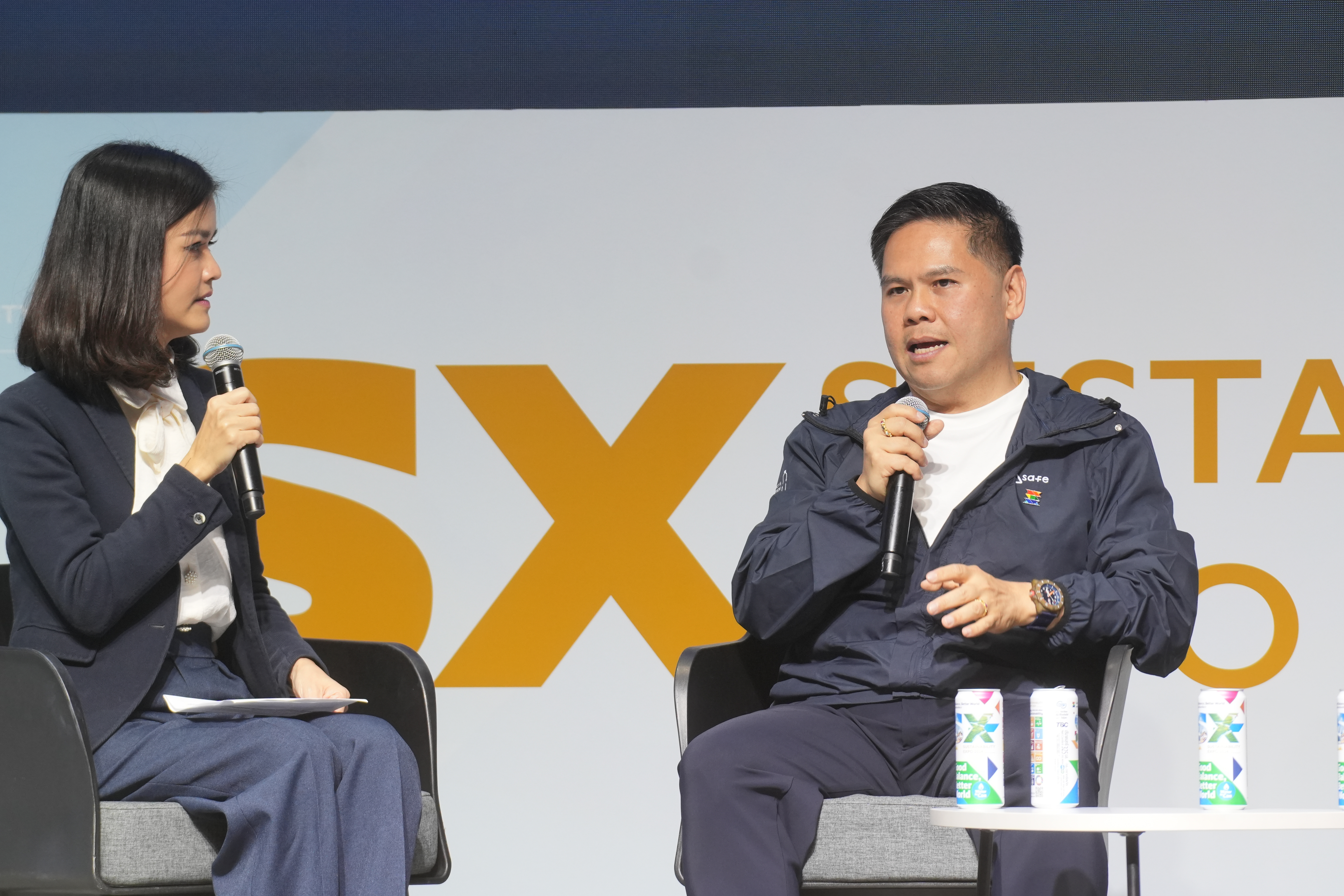
Dr. Wit admitted that sustainability was once a distant concept to him. “I used to dismiss climate change altogether,” he confessed. “But when last April brought record-breaking heat, and today the North is drowning in floods, I had to ask—what is happening to our planet?”
He urged Thais to shift their perspective inward. “We tend to blame others—the government, institutions—when in fact, our own habits play a role.” He offered a few reflective examples:
-
Fashion addiction: How many clothes and shoes do we own, and do we actually use them?
-
Food waste culture: We often over-order meals. Do we finish them, or do they end up in the bin?
-
Energy misuse: Do we leave lights and TVs on at night out of irrational fears?
-
Recycling apathy: How often do we properly separate our waste?
GDP Measures Economic Success—But What About the Environment?
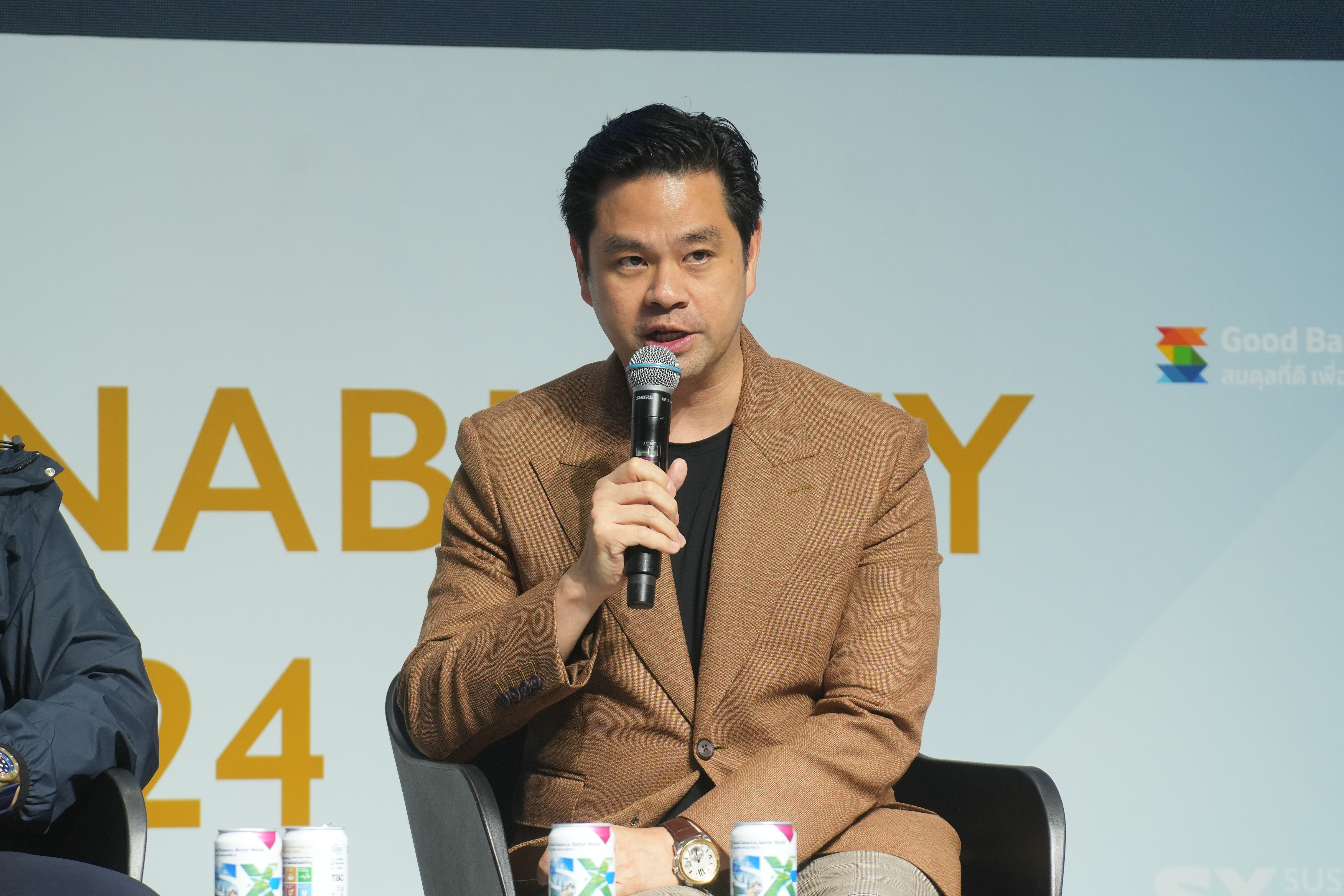
Mr. Peerapol highlighted the inseparable link between climate change and sustainability, stressing that those contributing least to environmental destruction often suffer the most. He noted that while economic performance is measured by GDP, there’s no universally accepted indicator for environmental success.
“Climate science is complex and often difficult to communicate,” he said. “But the challenge remains: if GDP reflects economic strength, then what metric should we use to measure environmental health?”
Thailand Emits Less Than 1% of Global Greenhouse Gases, Yet Faces Top 10 Impact
Mr. Varawut shared a sobering fact: although Thailand contributes less than 1% of global greenhouse gas emissions, it ranks among the top 10 most affected countries by climate change. This underscores the need for collective responsibility—not just from the government, businesses, or civil society, but from all 66 million Thais.
He explained that real behavioral change usually stems from three forces:
-
Money – For example, carbon credits become appealing when they offer financial returns.
-
Law – People comply when legal penalties are enforced.
-
Mortality – “People only started wearing masks during COVID-19 because they were afraid of dying,” he noted, comparing it to how few took PM2.5 warnings seriously years earlier.
Follow SX updates and events on the Sustainability Expo Facebook Page or add Line ID: @sxofficial
Get ready for SX2025, returning grander than ever from September 26 to October 5, 2025, at the Queen Sirikit National Convention Center (QSNCC).