Waste—both on land and under the sea—is becoming a growing crisis for many islands, especially those that are popular tourist destinations. The expansion of infrastructure, hotels, restaurants, shops, and an influx of residents and tourists have significantly intensified waste generation. As a result, numerous islands are now facing critical challenges in waste management. In response, various sectors have come together to create model islands that serve as prototypes for efficient and sustainable waste solutions.
One such model is the Koh Tao Waste Management Project, launched this year through a powerful collaboration between three organizations:
-
Thailand Sustainable Islands Network,
-
OGGA Idea, a leading company producing premium products from recycled materials, and
-
Indorama Ventures, the world’s largest producer and recycler of PET plastic.
Together, they aim to develop a closed-loop system that manages waste from source to solution.
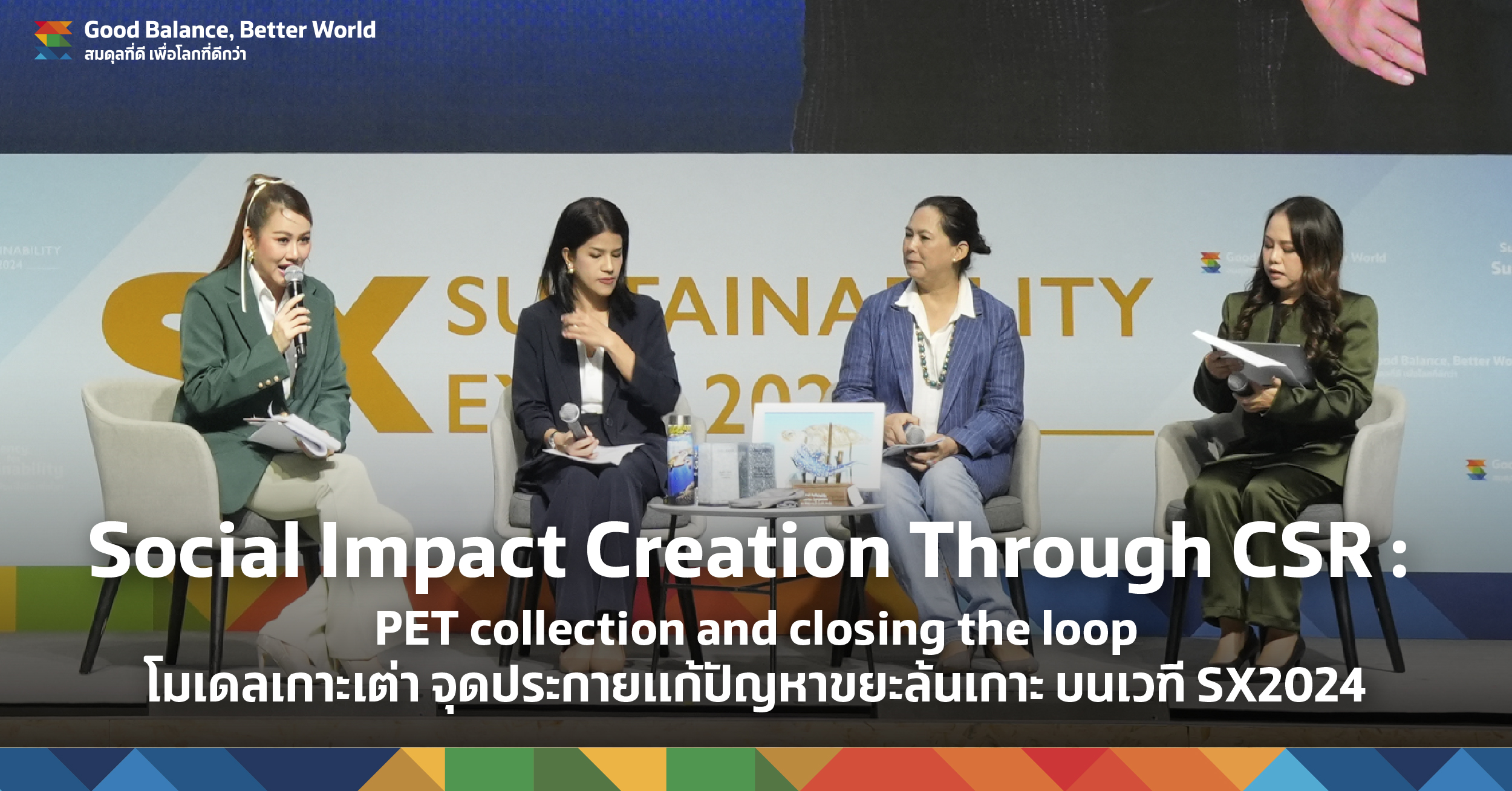
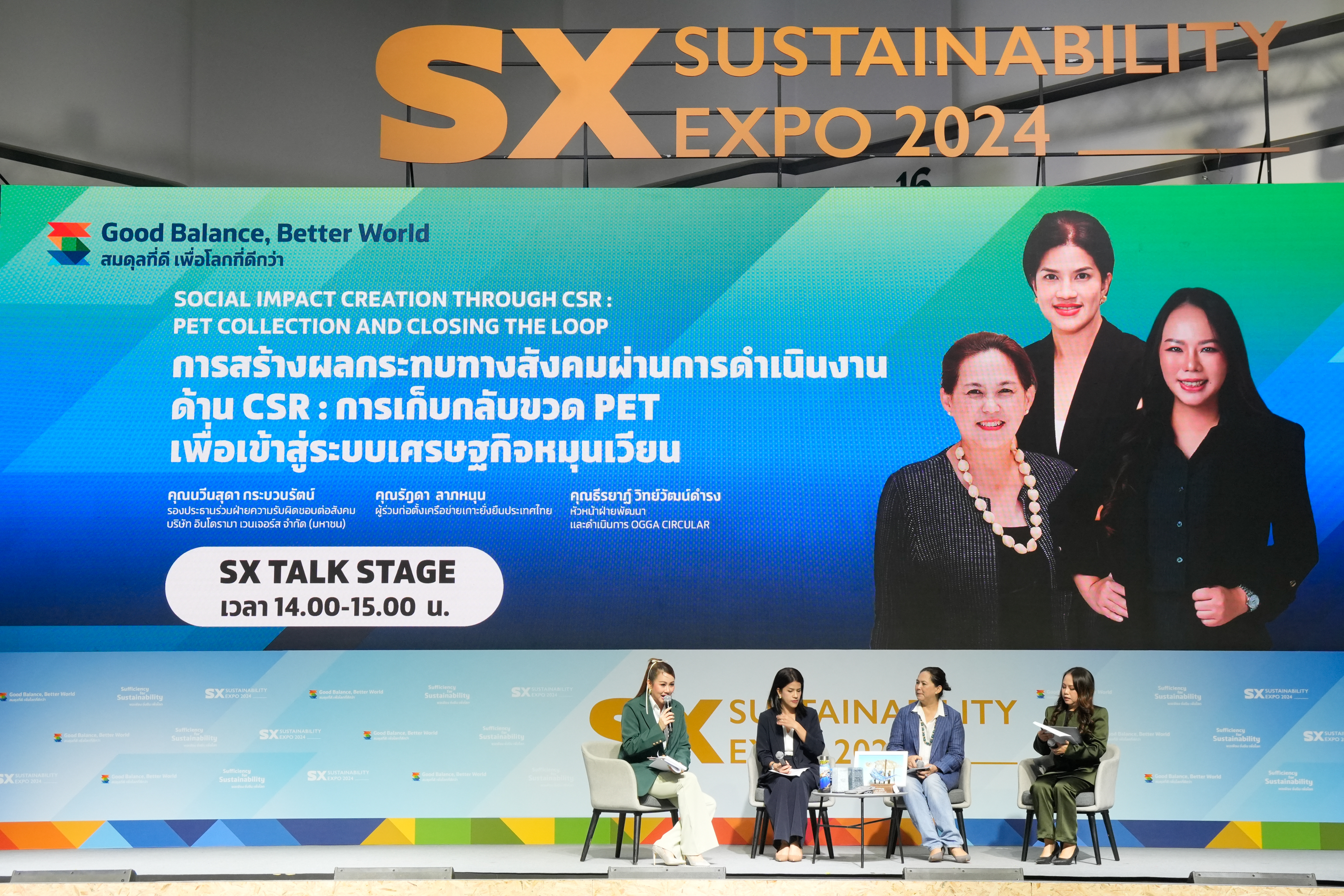
Executives from all three organizations shared their insights and experiences during the session “Social Impact Creation Through CSR: PET Collection and Closing the Loop”, held at SUSTAINABILITY EXPO 2024 (SX2024). The session outlined the roadmap to turning Koh Tao into a model island for sustainable waste management, with aspirations to scale similar solutions to other islands across Thailand.
Understanding the Problem: Koh Tao’s Waste Crisis
Ratda Lapnune, Co-Founder of the Thailand Sustainable Islands Network, explained that Koh Tao is home to only 2,500 permanent residents, yet it accommodates nearly 10,000 migrant workers and 600,000–700,000 tourists annually. The island generates an estimated 15–20 tons of waste per day, but has only 4 rai (approximately 6,400 square meters) of landfill space. Moreover, Koh Tao’s rocky terrain makes it difficult to develop proper landfill sites.
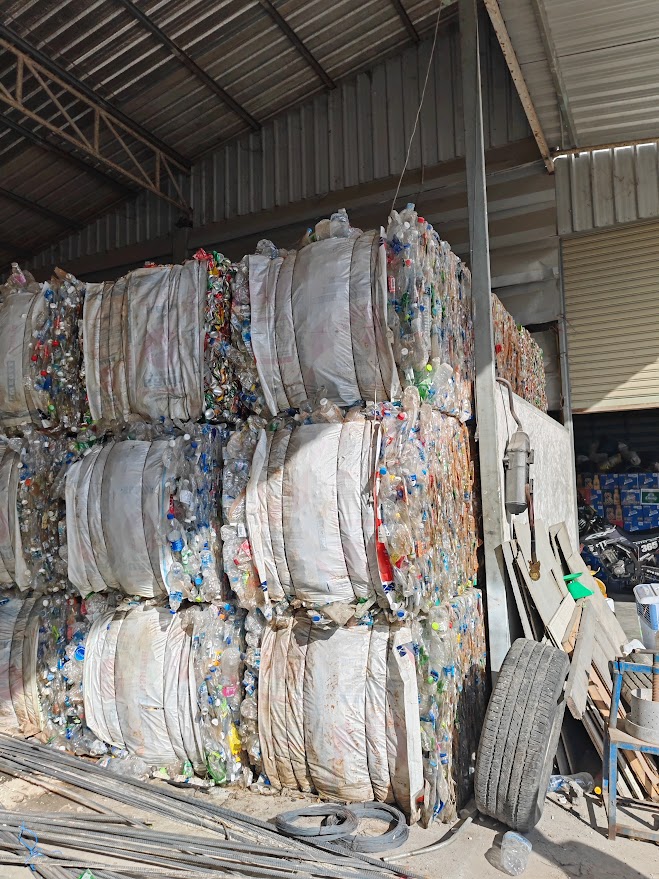
This partnership introduced a systematic waste management model to minimize “orphan waste.” The first phase focuses on PET bottles, which are collected and processed by Indorama Ventures and then transformed into premium recycled products by OGGA Idea, supplied to corporate clients.
Previously, the Thailand Sustainable Islands Network worked with the Department of Marine and Coastal Resources, Pollution Control Department, and other partners to reduce glass bottle usage, which posed serious risks due to glass shards along beaches. They encouraged a shift toward aluminum cans, and within a year, managed to reduce glass waste from 70 tons to just 8 tons per month.
Closing the Loop: Indorama Ventures’ Role
Naweensuda Krabuanrat, Joint Vice President of CSR at Indorama Ventures, emphasized the company’s focus on community engagement and waste education. Indorama provides training on proper waste sorting, noting that not all plastics are the same. For example, 100% recyclable PET bottles are marked with a triangular recycling symbol and labeled PET 1 beneath the bottle.
She pointed out that many consumers are unaware of the correct disposal practices—like inserting cigarette butts or food sticks into bottles—which creates serious challenges for recycling.
Indorama Ventures aims to collect 5 tons of PET bottles per month from Koh Tao. As of September 2024, the company had already collected 10 tons. Each batch is assessed for quality, and feedback is sent back to the collectors to improve sorting methods.
With Thailand recently lifting legal restrictions, food-grade recycled PET can now be used again for food and beverage packaging. Additionally, PET bottles are being recycled into fibers and yarns used in various applications.
Currently, Indorama Ventures operates 23 recycling plants worldwide, including one in Thailand. Since 2011, the company has recycled over 100 billion PET bottles and aims to increase this to 50 billion bottles annually post-2025.
Empowering the Community: OGGA’s Circular Vision
Teerayod Witwat, Head of Development and Operations at OGGA Circular, highlighted the company’s work with Koh Tao Municipality, the Koh Tao Tourism Association, Ban Koh Tao School, and other stakeholders to launch the initiative OGGA CIRCULAR: Recycling with Koh Tao in April 2024.
The project began with education and awareness campaigns, including waste sorting guides in Thai, English, and Burmese. A Burmese community network was formed, involving representatives from resorts and restaurants. These members now gather, sort, and sell recyclables to waste buyers four times a month.
OGGA also helped Ban Koh Tao School establish a student-run mock company called Koh Tao Little Heroes, managing a full-cycle Waste Bank system. Each child has a Waste Bank account, with older students purchasing recyclables from younger ones every Tuesday and Wednesday. The school has set up a sorting room, weighing station, and quality control process before sending recyclables to buyers.
By instilling waste management principles from kindergarten onward, the program creates a lasting legacy for future generations and a sustainable solution to Koh Tao’s waste problem.
Koh Tao as a Scalable Model
The three organizations are currently analyzing and refining their processes, with plans to scale the Koh Tao model to other islands, starting with Koh Chang in 2025.
Uniting for World Ocean Day 2025
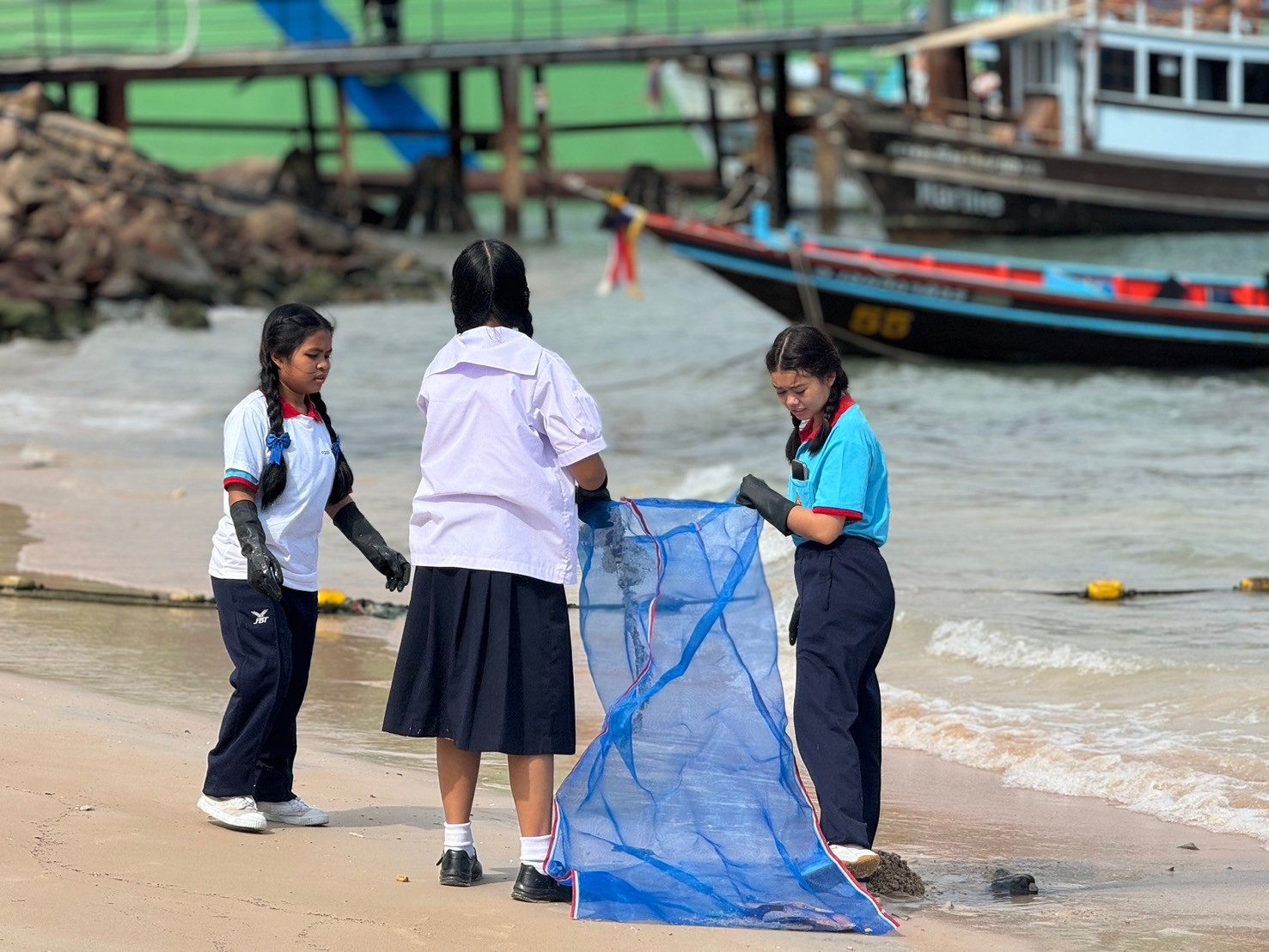
To mark World Ocean Day on June 8, 2025, the Thailand Sustainable Islands Network is planning a massive cleanup campaign titled One World Ocean Day 2025. Volunteers from across Thailand and around the world will participate in simultaneous cleanups on 30 islands, including:
-
Underwater cleanups by divers
-
Beach cleanups
-
Mangrove forest cleanups
The collected waste will be sent to recycling and upcycling partners. Everyone is welcome—volunteers can join from any island near them. The campaign aims to foster a global community of ocean stewards.
Currently, the network includes 35 islands, with more expressing interest in joining and improving their waste management systems.
Thailand’s Islands at a Glance
Thailand has a total of 936 islands, with 374 in the Gulf of Thailand and 562 in the Andaman Sea, spanning 19 provinces.
-
Phang Nga has the most islands, followed by Krabi and Surat Thani.
-
About 52% of islands fall under the protection of marine national parks, managed by the Department of National Parks, Wildlife and Plant Conservation.
-
45% are governed by local administrative organizations.
-
3% (26 islands) are managed by the Royal Thai Navy for national security purposes.
-
Nearly 100 islands have been developed for tourism.
Follow SX updates and events on the Sustainability Expo Facebook Page or add Line ID: @sxofficial Get ready for SX2025, returning grander than ever from September 26 to October 5, 2025, at the Queen Sirikit National Convention Center (QSNCC)