Strengthening Food Security in Southern Thailand through the BCG Approach and Sustainable Agriculture
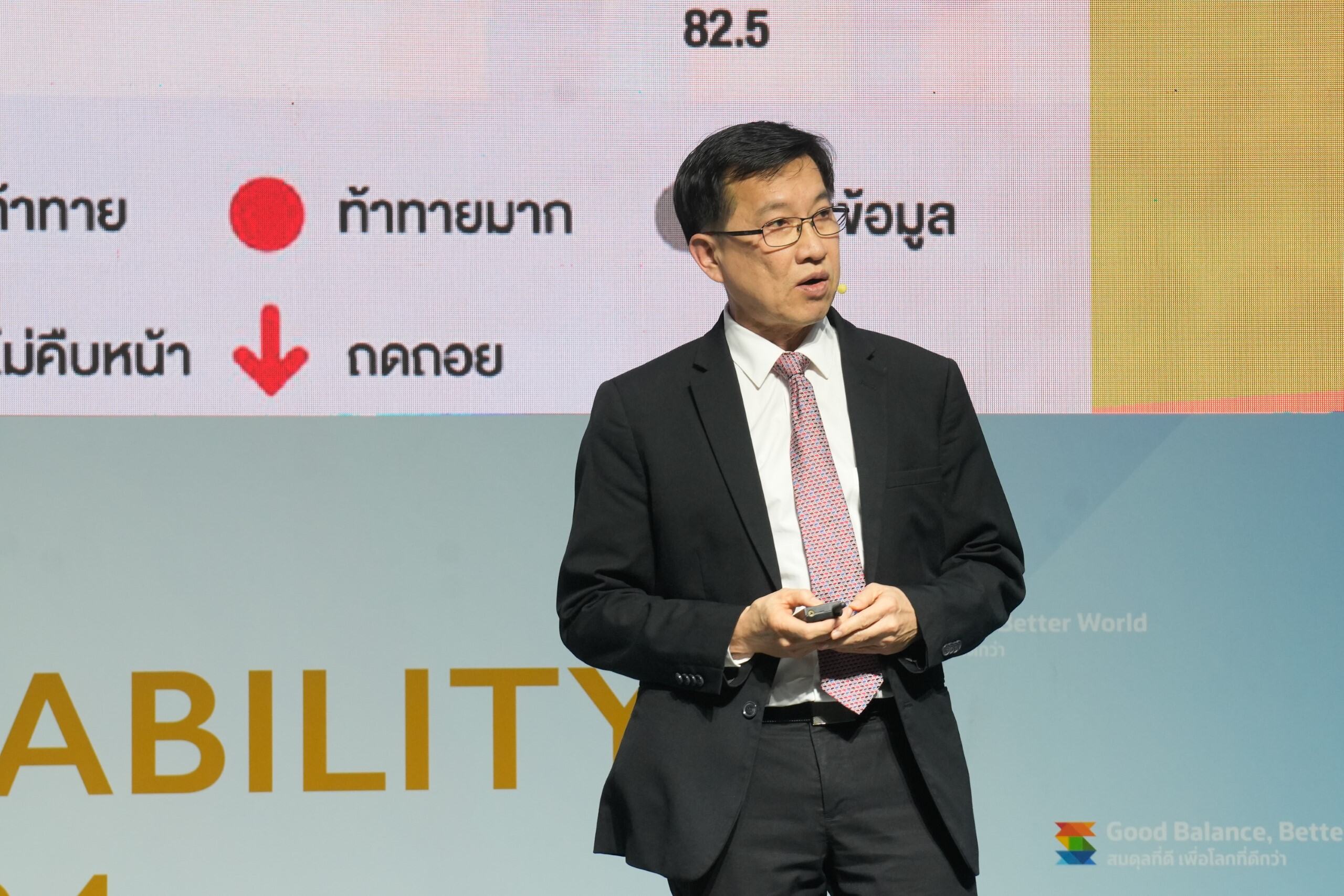
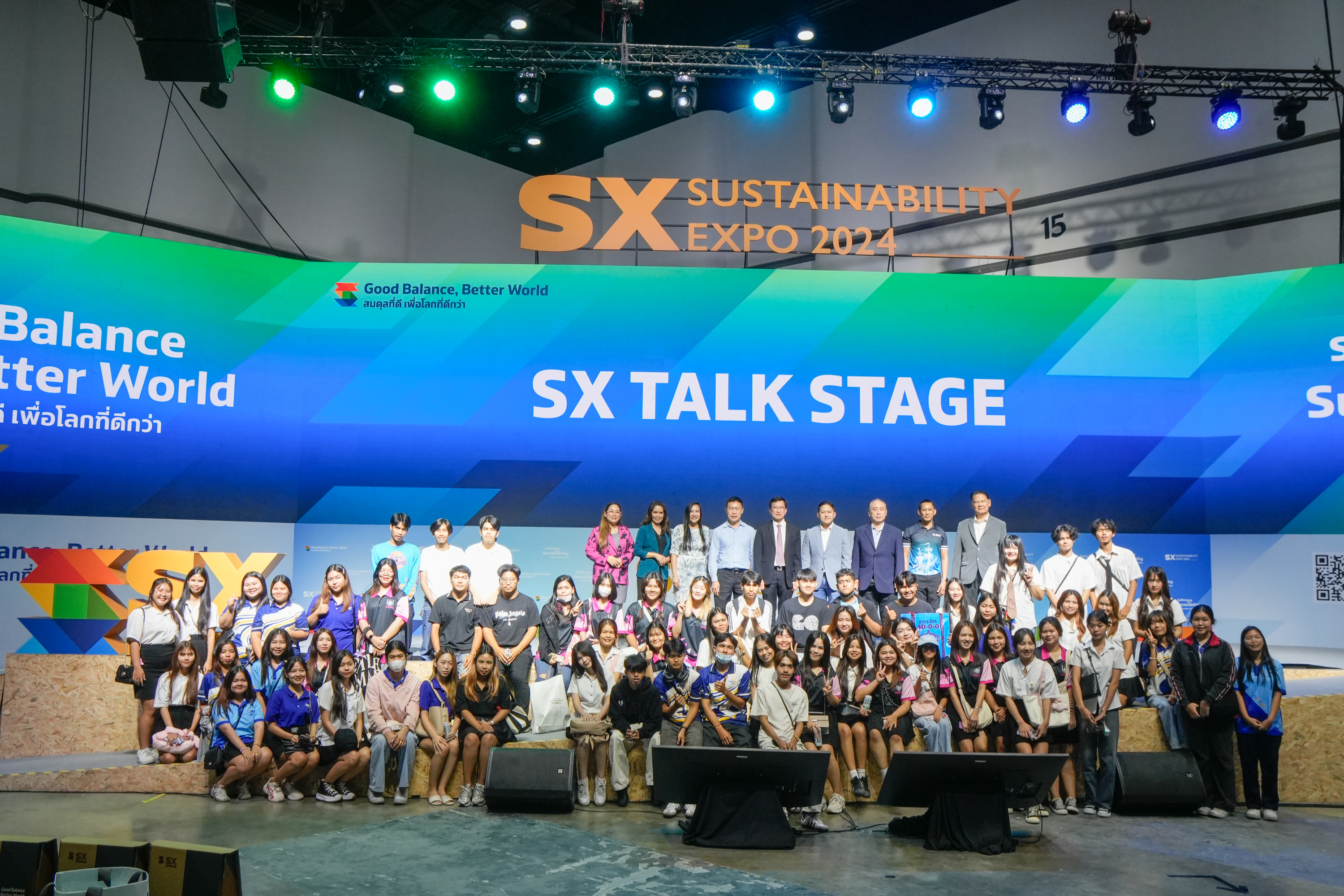
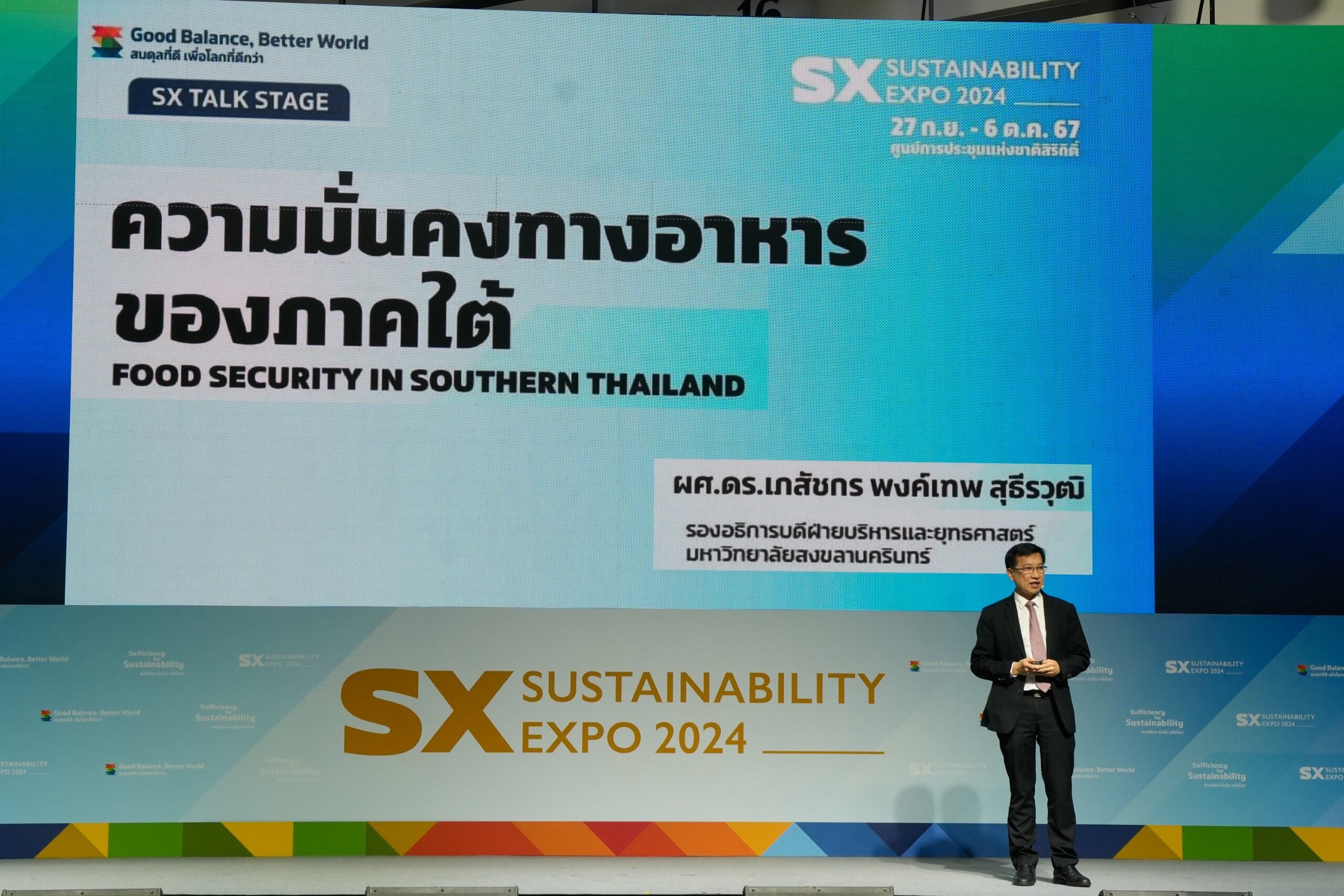
Although Thailand is recognized as the “Kitchen of the World” and is capable of exporting food globally, many regions still face significant challenges, including nutritional deficiencies and dependence on seeds and livestock from abroad or large corporations. Associate Professor Dr. Pongthep Sutherawut, Vice President for Administration and Strategy at Prince of Songkla University, invited interested parties to discuss these issues under the topic “Food Security in Southern Thailand” on the Talk Stage at Sustainability Expo 2024, held on October 1, 2024. He also shared pilot projects that empower southern farmers to achieve stable livelihoods and increased income.
Dr. Pongthep noted that Thailand was ranked 45th out of 167 countries in the 2024 SDG Index, performing well in poverty alleviation and education. However, when it comes to food security, Thailand’s performance is less satisfactory, particularly in terms of food availability and accessibility. For instance, during the COVID-19 pandemic, many urban residents returned to their hometowns because food was readily available there, and households engaged in crop cultivation and animal husbandry. Thailand also faces instability or lack of food sovereignty, as many smallholder farmers remain bound by “contract farming” agreements with large corporations or investors, relying on externally sourced seeds, livestock, fertilizers, and pesticides in exchange for selling their produce under predetermined terms.
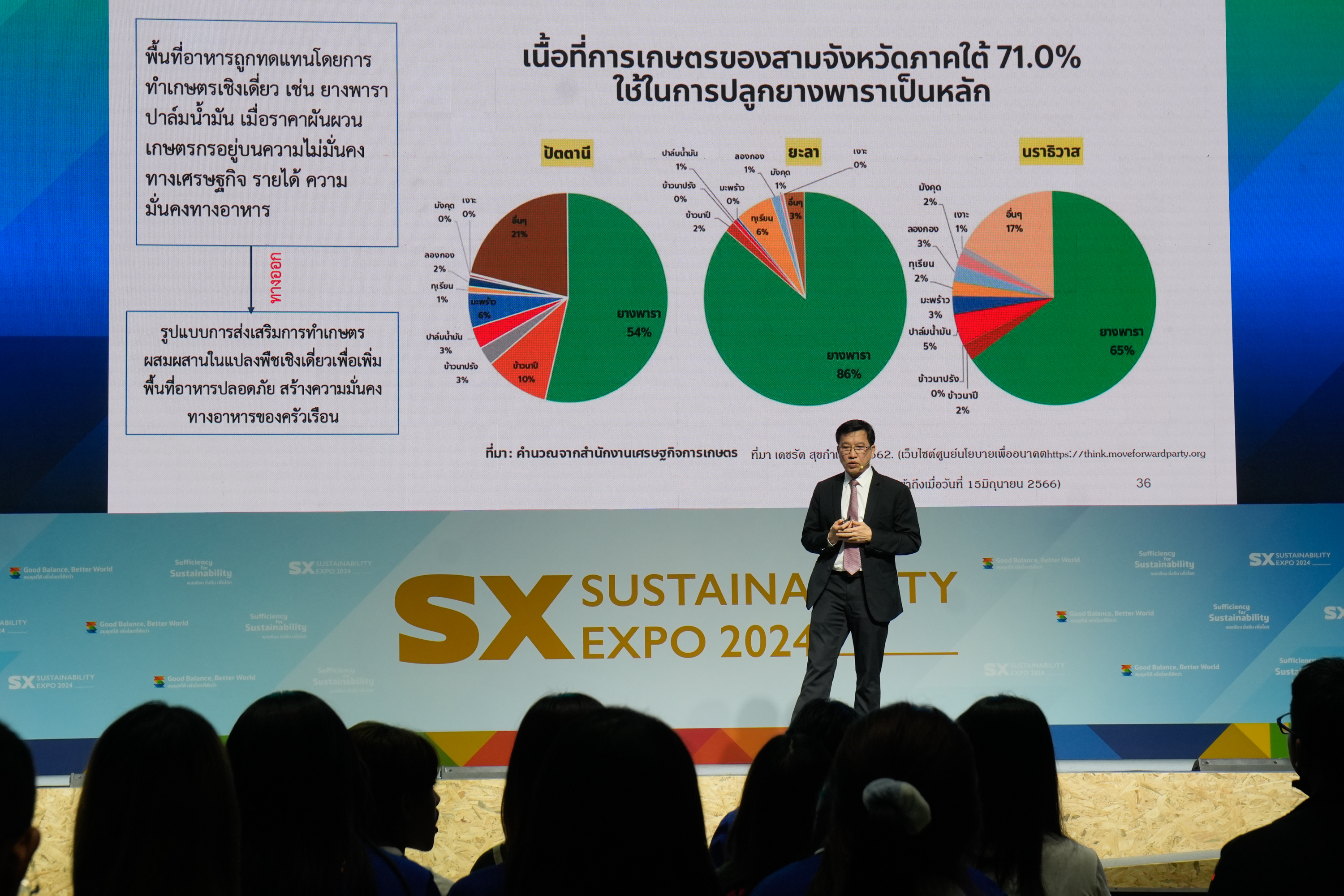
Southern Thailand’s challenges are more complex than in other regions. Although it is naturally abundant, most agricultural land is devoted to rubber and oil palm plantations, supplying only about 10% of local food demand, thus requiring food imports from other regions. Meanwhile, local fishermen catch high-quality seafood for sale, but use their earnings to purchase other foods, lacking the capacity to produce diverse food and raw materials independently. Moreover, measurements of children’s height and IQ in the south indicate levels below the national average. Many children suffer from nutritional deficiencies during critical developmental periods, including prenatal stages and ages 1 to 4 years—key phases for brain and physical growth.
“Addressing food security requires a multifaceted approach. Merely providing knowledge is insufficient; we must create environments that enable access to nutritious food,” Dr. Pongthep emphasized. “For example, at the individual level, while everyone knows breakfast is important and should be balanced with all five food groups, what children commonly receive are simple, convenient items like sticky rice and grilled pork skewers from vendors near schools. Upon returning home, children often have sugary drinks and snacks readily available—an environment that does not promote healthy eating habits.”
To address these challenges, Prince of Songkla University has partnered with the Thai Health Promotion Foundation (ThaiHealth) and various networks to bolster food security in the south. They established the “Advanced Institute for Food Security at Prince of Songkla University” and developed a pilot area on the university’s Tung Sai Sai campus aligned with the BCG Economy Model. The initiative focuses on human resource development through specialized curricula for students, academics, and local communities. Research includes breeding plant and animal varieties via Embryo Transfer technology—akin to in vitro fertilization—transferred to farmers for cultivation. The program encourages farmers to integrate technology in farm management to produce food meeting quality standards suitable for local consumption and export. Additionally, it incorporates tourism and alternative energy, covering the entire value chain from upstream to downstream.
The university also collaborates with the Rubber Authority of Thailand (RAOT) to promote sustainable rubber plantations through agroforestry practices, especially by intercropping “rubber companion plants” that thrive under rubber tree canopies. Livestock such as ducks, chickens, fish, pigs, geese, and goats are raised, and organic fertilizers are produced on-site. Economic studies reveal that these diversified plantations generate higher incomes than monoculture rubber plantations. Consequently, RAOT has advanced these sustainable practices into policy to support other rubber farmers in adopting this model.
Gallery