Adapting to a World in Crisis: A Design Approach to Restore Nature’s Balance
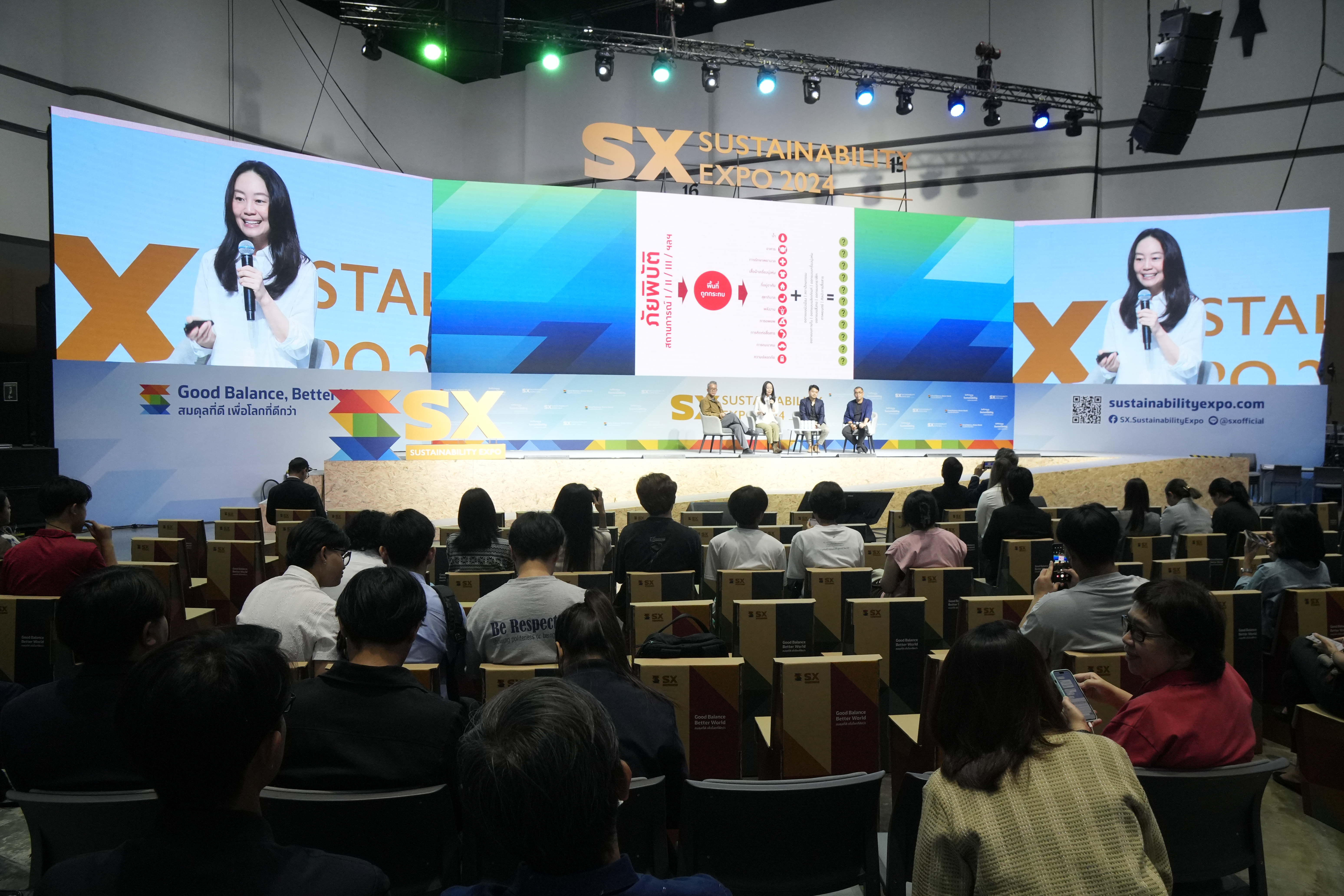
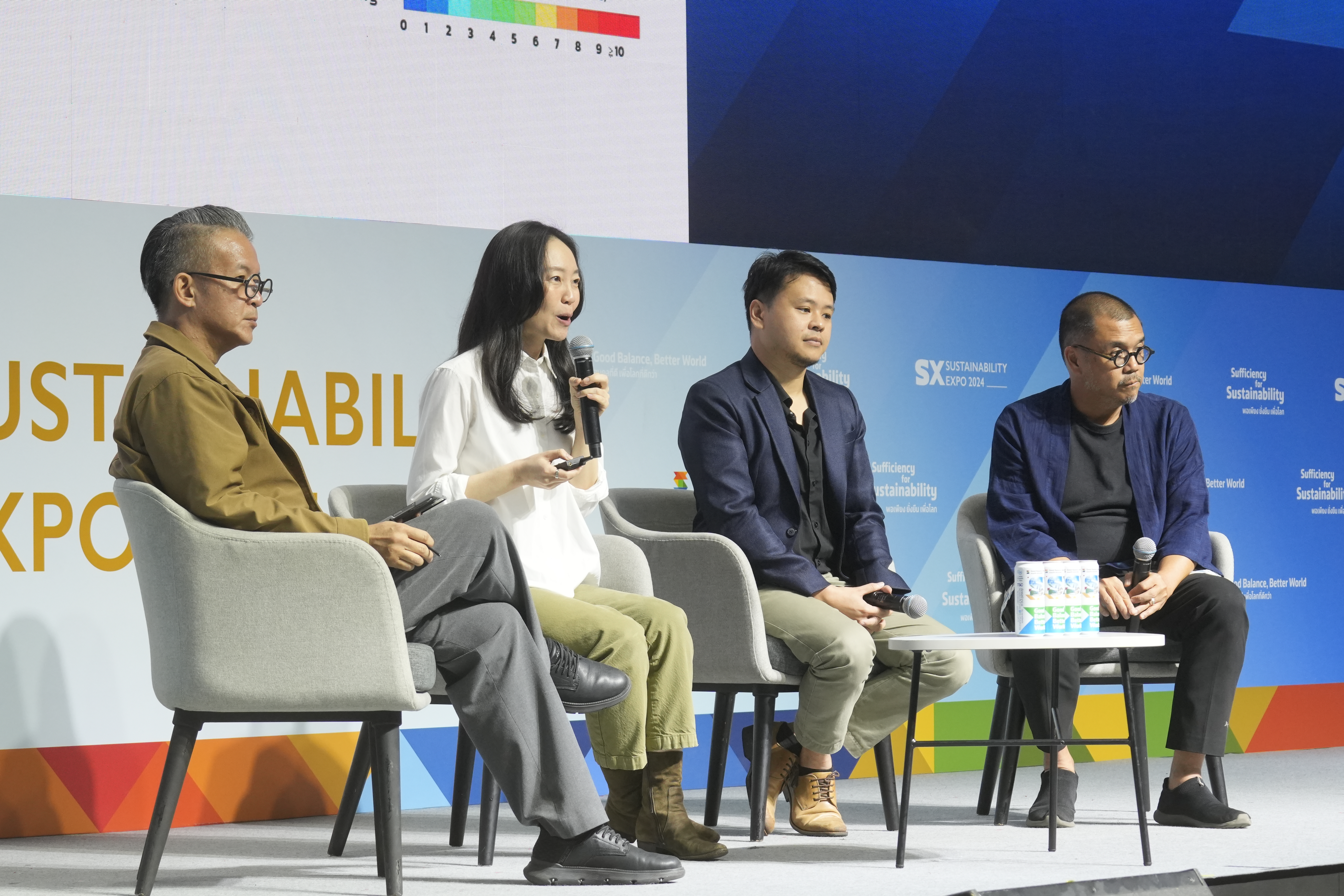
As the effects of climate change become increasingly visible and devastating—impacting ecosystems, communities, and economies worldwide—the talk titled “Design for Climate Adaptation: Designing for a World in Crisis” brought together esteemed experts from diverse disciplines. The discussion focused on how design can serve as a tool for adaptation, helping to mitigate risks and reduce the severity of climate-related impacts. The event, held on October 3, 2024, at the Talk Stage of the SUSTAINABILITY EXPO 2024, featured:
-
Khun Chutyawej Sindhuphan, Chief Sustainability Officer, Institute of Agro-Architecture for Urban and Rural Ecosystem Regeneration (NAATURE)
-
Khun Wipavee Kunavichayanont, Co-founder of the Design for Disasters Foundation (D4D)
-
Dr. Phonphat Niluubon, Head of the Water Adaptation Innovation Center (WAIC)
-
Moderated by Asst. Prof. Komkrit Thanapet, Assistant Professor in the Department of Urban and Regional Planning, Chulalongkorn University
Khun Wipavee Kunavichayanont emphasized that the Butterfly Effect is more than just a theory—it is a reality. She recounted an incident where a 200-meter-high tsunami struck Greenland for nine days, triggered by melting glaciers located far away. Human civilization exists atop a fragile crust floating on magma, she noted, where distant seismic activity can have ripple effects across the globe.
Volcanic eruptions, for example, may seem inconsequential if they occur in remote areas, but if we choose to live near high-risk zones, preparedness and planning become critical. Design—whether in architecture, interior design, apparel, product development, or communication graphics—can enhance our ability to respond to crises.
She cited the traditional floating bamboo houses in Tha Khanon Community, Khiri Rat Nikhom District, Surat Thani Province. These homes were tied to poles at four corners, preventing them from drifting during floods. Modern parallels include Japan’s massive sea walls, originally built 12 meters high but later raised to 15 meters after failing to stop a tsunami.

Wipavee likened society to a glass jar filled with stones of various sizes—where large stones represent the state and smaller stones symbolize the public, working together to maximize the use of shared resources. She stressed the importance of understanding the root causes of disasters to enable effective management, without harming ourselves or others.
When asked how designers or artists can build adaptive capacity, she responded:
"As a human being and a designer, we must distinguish between what is important and what is essential to life. What will we choose when resources and time are limited? Art is a way of life. Every decision we make is a form of design. Wherever we go, we must decide. So, let us do so mindfully—prioritizing with intention and necessity."
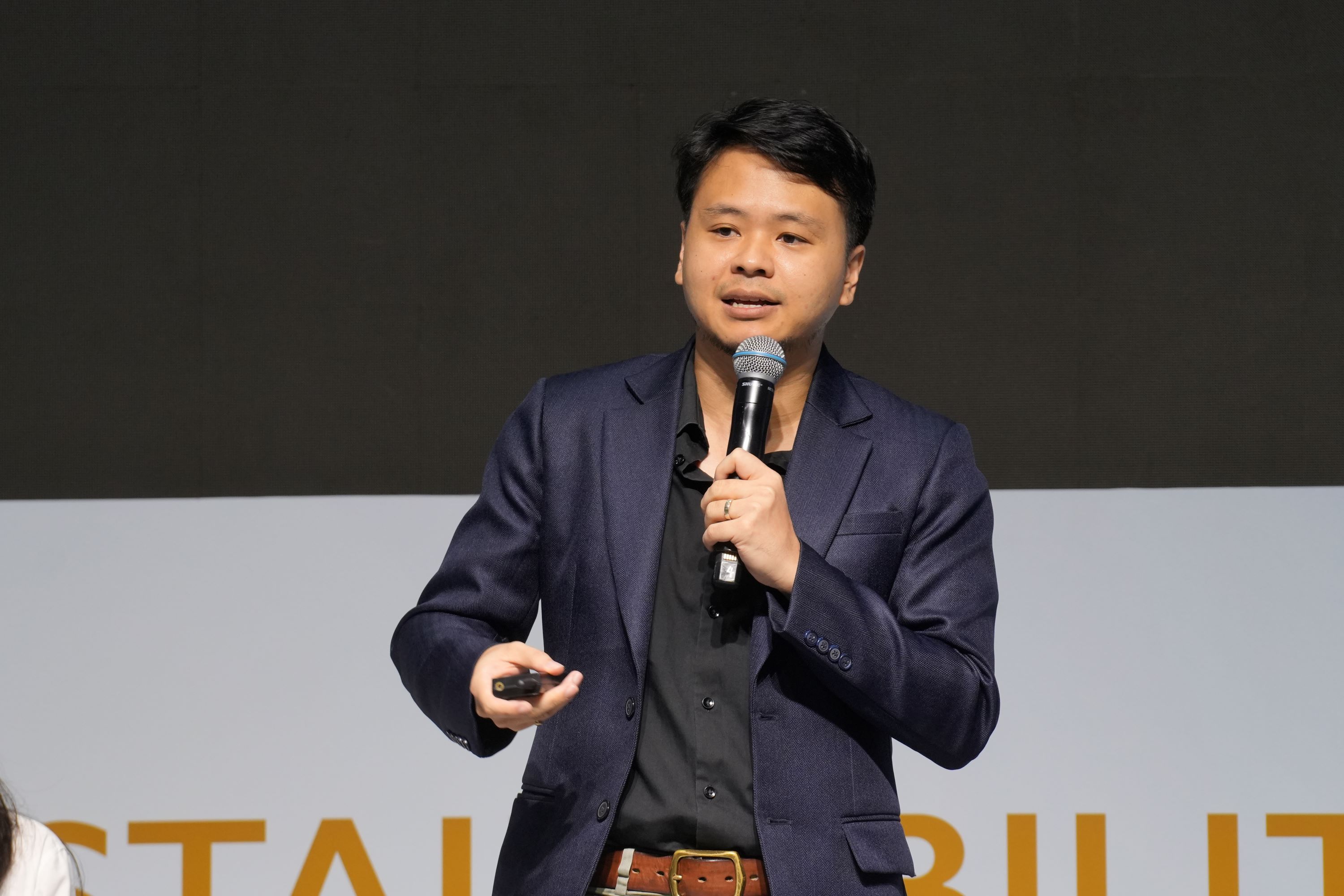
Dr. Phonphat Niluubon noted that as disasters become more frequent, the term resilience—the capacity to recover and withstand—has gained prominence. Yet, questions remain: Where, when, and how should we adapt?
Top-down government solutions often focus on large-scale, long-term investments—like giant drainage tunnels—while bottom-up efforts see communities independently raising their homes in a form of autonomous adaptation. However, recurring issues like flooding persist year after year.
Dr. Phonphat encouraged a middle-out approach, advocating for opportunistic adaptation through collective community efforts and applying the building lifecycle framework to guide when, where, and how adaptation should occur.
"We view deterioration as an opportunity for renewal and adaptation. For example, in Lat Krabang District, we assessed the age and degradation of roads and buildings to forecast areas that would require upgrades over the next century. This enables us to apply flexible, localized solutions based on global best practices."
He cited global flood adaptation projects that transformed riverside or waterfront areas into public spaces—parks that serve as green infrastructure during the dry season and floodplains during the wet season. Some spaces are even rented to commercial tenants in the dry season but can safely accommodate floodwaters when needed.
"As architects and designers, we act as bridges between communities and decision-makers. If we can help both sides envision a shared future—one with a livable city and improved quality of life—we can inspire collective action and drive adaptive transformation," he concluded.
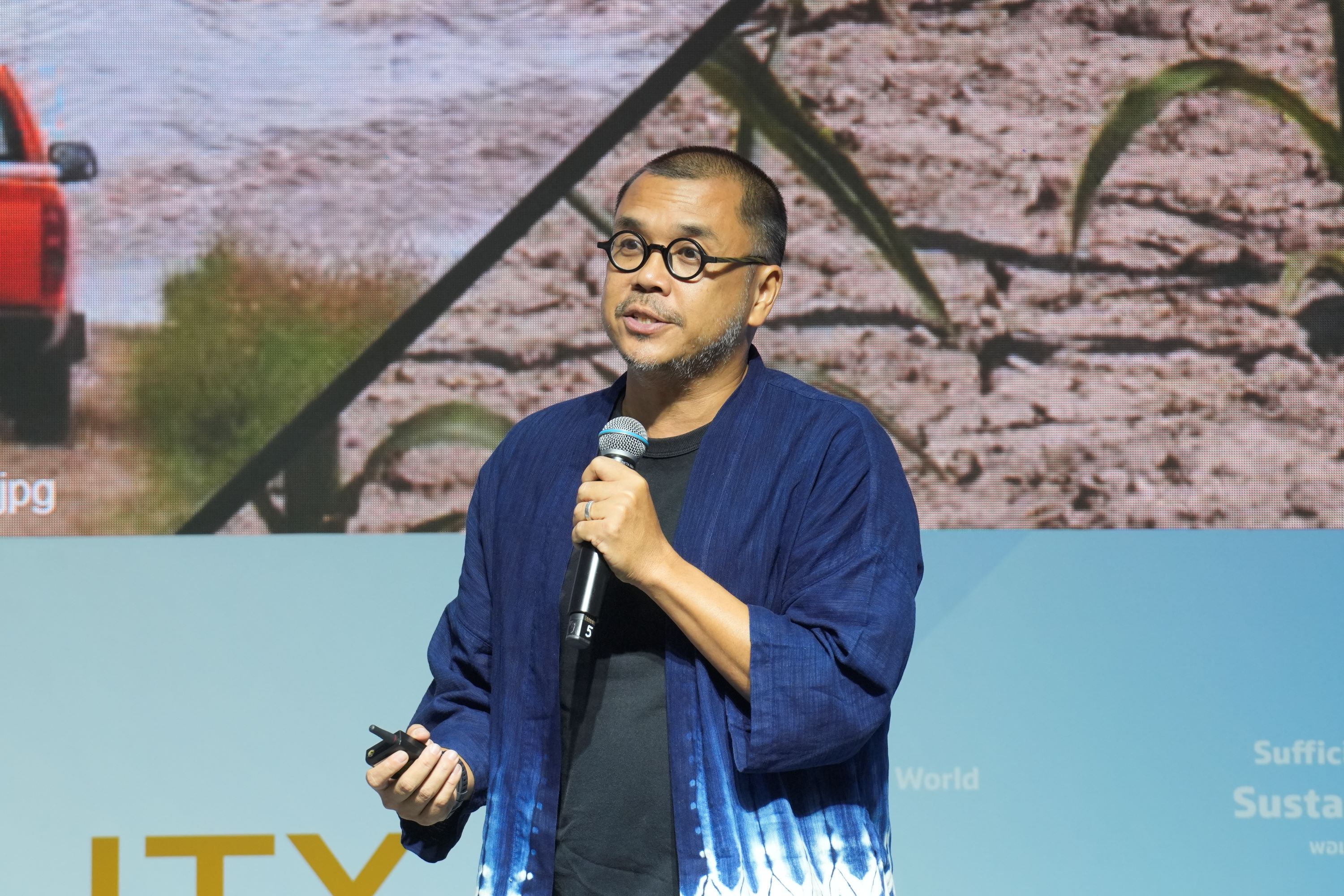
Khun Chutyawej Sindhuphan explained that climate change is a long-term shift that will persist and likely exacerbate poverty and displacement in many regions. Global temperatures have already risen by 2 degrees Celsius—faster than projected by over a century—driven by human activity.
He stressed that “nature is always right” because it delegates ecological roles to maintain balance. He shared Charles Darwin’s discovery of an orchid in Madagascar with a 20-centimeter nectar spur. Darwin hypothesized the existence of a moth with an equally long proboscis—confirmed more than a century later. In Thai forests, the gaur helps regulate plant growth by grazing, while predators like tigers help keep their population in check.
Today, nature is attempting to restore equilibrium. Human expansion has disrupted ecosystems—clearing forests for agriculture, deep-sea fishing that damages marine floors, and building megacities on river deltas that should act as floodplains. Chutyawej urged society to learn from nature and design urban systems that align with it.
He pointed to the organic layouts of ancient cities—resembling leaf patterns—as evidence that early settlers adapted to natural topography. Inspired by the way ants form rafts to survive floods, he proposed floating cities with distributed responsibilities: urban groups managing food gardens, energy production, and waste treatment.
Thailand’s National Housing Authority has already piloted amphibious housing in Ayutthaya, a flood-prone area, that can float during floods while functioning as regular homes during the dry season.
Chutyawej emphasized that restoring balance to nature requires supporting nature’s ability to heal itself.
"Thailand offers excellent examples, such as the Mae Fah Luang Foundation’s reforestation model, which centers on human development—training communities to protect forests rather than exploit them. We also have the Sufficiency Economy Philosophy, which teaches moderation, reason, and ethics—a middle path for development that does not go against nature."
"I believe development begins with ourselves," he added. "I used to be obsessed with cars—I owned nearly 30. Today, I drive my aunt’s 20-year-old used car, and I’ve clocked less than 100,000 kilometers. I choose to cycle in the city because it’s possible. No matter who we are, we must ask: Are we contributing to a better city? Don’t just tell others what to do. Do it yourself first."
Gallery