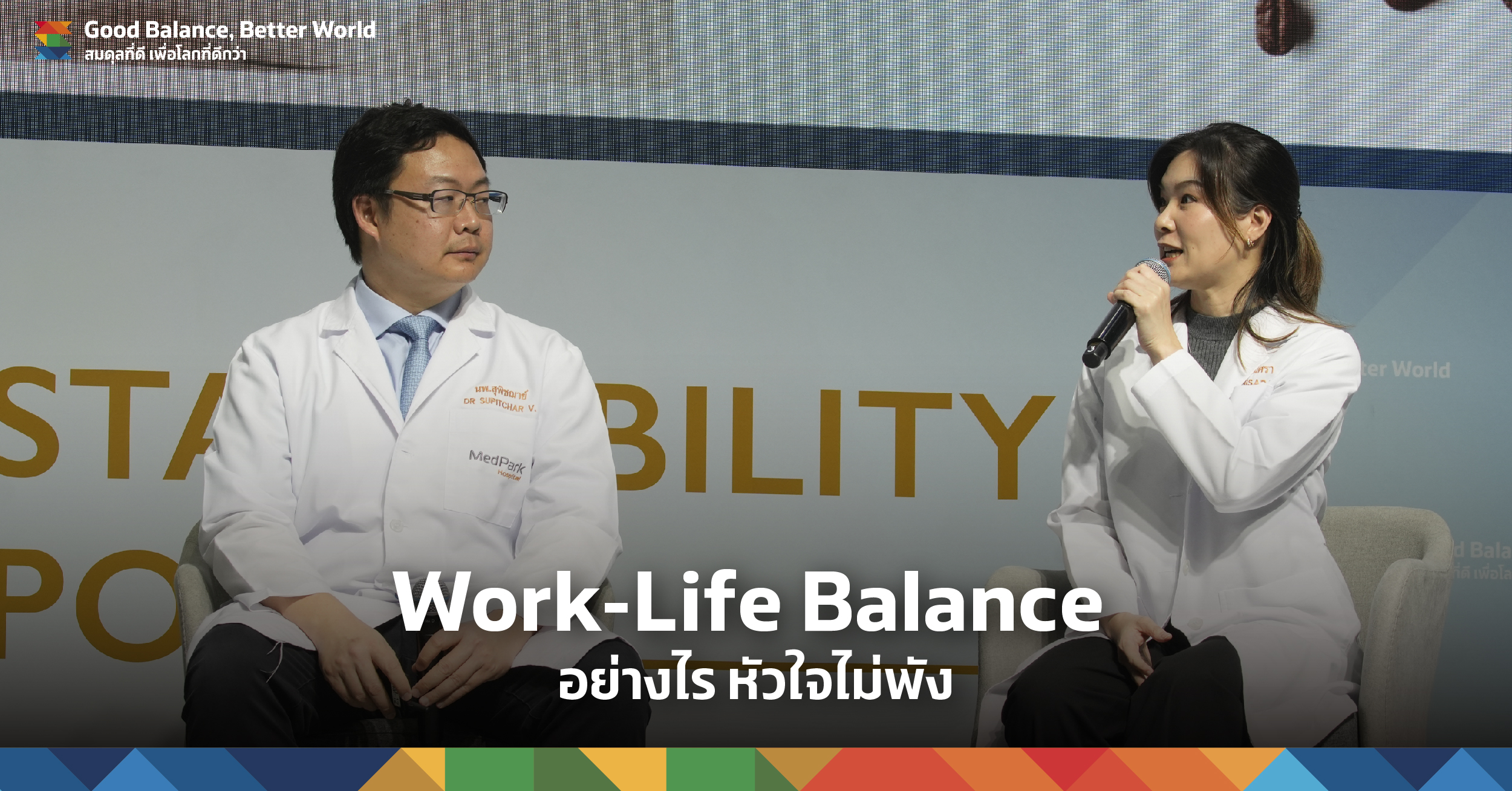
“No cavities, no tattoos, and treat wounds promptly”
this, according to leading cardiologists, is a powerful mantra to prevent heart disease.
In addition to the well-known “Three อ’s” (อาหาร–อาหาร [nutrition], อารมณ์ดี–positive emotions, and ออกกำลังกาย–exercise), two cardiac specialists from MedPark Hospital, Dr. Supitchaya Wongmanee, Cardiothoracic Surgeon, and Dr. Sanisara Chantrajanong, Cardiologist, shared essential insights for keeping the heart healthy during a panel discussion titled “Work-Life Balance: How to Protect Your Heart” at SUSTAINABILITY EXPO 2024, the largest sustainability expo in ASEAN. Their talk offered valuable perspectives on heart health and how to reduce the risk of heart disease.

One of the topics that caught the audience’s attention was heart disease caused by bloodstream infections. Dr. Supitchaya Wongmanee explained that most cases involve infections at the heart valves. This can prevent the valves from closing properly, forcing the heart to work harder and eventually leading to heart failure. Moreover, bacteria attached to the valves can dislodge and travel to block arteries in the heart, brain, or kidneys—or cause liver inflammation if they reach the liver.
"These bacteria often originate from poor oral hygiene. Dental cavities provide an entry point for bacteria to reach the heart. Another risk group includes people who get tattoos using unsterile needles, which can introduce infections through the skin—an area dense with capillaries. These pathogens can swiftly enter the circulatory system and reach the heart. Likewise, open wounds on the body must be treated promptly to avoid inflammation,” said Dr. Supitchaya.
Dr. Sanisara Chantrajanong added, “There are many types of pathogens—both bacterial and viral—that can cause heart disease. For viral infections, there are still no direct cures. When a patient presents with heart disease stemming from an infection, what we can do is contain the spread, protect the heart from further damage, and maintain cardiovascular function.”
Beyond infections, both doctors noted a disturbing trend: more young people are being diagnosed with heart conditions. Dr. Supitchaya has had to perform heart bypass surgery on a patient as young as 32, while Dr. Sanisara has treated cases of cardiac arrhythmia in children as young as 10.
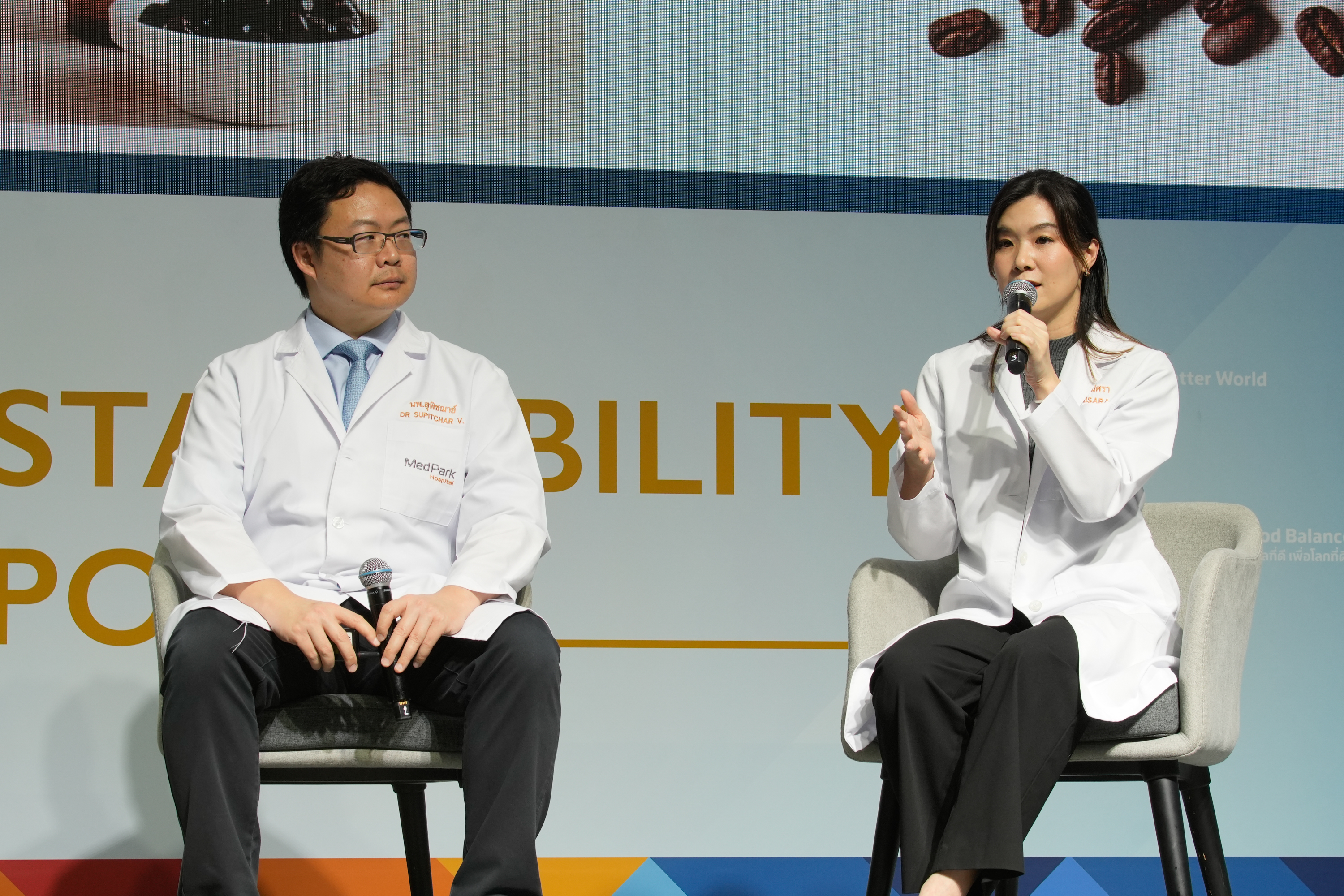
Dr. Sanisara explained that the heart operates through multiple systems—muscle contraction, electrical conduction, blood vessels, and myocardium. Each disorder manifests differently and tends to appear at specific life stages. For example, arrhythmia caused by abnormal electrical conduction is common during adolescence and again in older age.
Lifestyle and diet play critical roles in either causing or accelerating the onset of heart disease. Modern life’s fast pace forces many to eat out frequently—often with limited healthy options. Trends in food and beverages that favor taste over health have also contributed to rising risks. Drinks high in sugar, like bubble tea (where tapioca pearls are essentially sugar-laden starch), grilled and fried foods using reused oil, and salty snacks are all culprits.
“Salt raises blood pressure. Sugar leads to diabetes. Fat clogs arteries. When these three close friends—hypertension, diabetes, and high cholesterol—show up together, heart disease is sure to follow,” said Dr. Sanisara.
"The best food is often bland, tasteless, unseasoned, and broth-free," she noted with candor.


"When we are young, our metabolism helps mask unhealthy habits. But as we age, our bodies become more vulnerable. Consuming unhealthy foods and beverages for just a decade can lead to symptoms—if not sooner," Dr. Sanisara added.
Warning signs that heart disease may be looming include chest tightness, radiating arm pain, fatigue, sweating, and palpitations. If such symptoms appear, it may mean the arteries are already 50–70% blocked.
"No doctor wants patients to wait until symptoms appear. Regular check-ups, balanced living, and proactive self-care can significantly reduce your risk," Dr. Sanisara concluded.
"Sustainability is everyone’s responsibility." Achieving balance in daily life is essential for surviving and thriving in a warming world. Visit Sustainability Expo (SX2024) now through October 6, 2024, from 10:00 AM–8:00 PM at Queen Sirikit National Convention Center (QSNCC).
Follow updates and event highlights via the Sustainability Expo Facebook page or add Line Official: @sxofficial. Discover transformative ideas and inspiring changemakers, and join hands in creating a more sustainable world at Sustainability Expo 2024: Good Balance, Better World