
Currently, Thailand is transitioning into an aging society, making the care of elderly family members a critical issue that requires serious attention—especially understanding the generational gap between the old and the young. At the panel discussion titled “Planning for the Golden Years” during SUSTAINABILITY EXPO 2024 (SX2024), Dr. Kengpong Tangarunsombat, Director of Cheery Home International Geriatric Hospital and President of the Thai Elderly Health Trade and Service Association, along with Tosapol Thiptinkorn, screenwriter of the film “Nang Ma”, shared personal experiences caring for their own grandmothers. This discussion shed light on the importance of preparing to care for the elderly and planning so that senior relatives can pass away peacefully and with dignity.

Personal Experiences in Caring for Grandmothers
Dr. Kengpong recounted his personal care for his grandmother, Ms. Ungsri Sae Tang, who lived to 104 years old before passing away last year. She immigrated from China during King Rama VI’s reign, had seven children and sixteen grandchildren. Raising such a large family was challenging but ultimately successful. A key family issue during her illness was determining who would care for her. This experience inspired Dr. Kengpong to recognize the need for sustainable elderly care hospitals to address challenges many families face.
“Grandma had knee surgery and cancer surgery. This became a family conflict, something viewers of Nang Ma would understand. Such social issues sparked the idea to transform public health systems,” Dr. Kengpong shared.
Meanwhile, Tosapol also spoke about caring for his grandmother, who once sold congee at a market. His mother sometimes helped out, but as he grew up, he wasn’t close to her. After graduation, when she was diagnosed with colon cancer, he accompanied her to the doctor and spent more time together. Caring for her during illness allowed Tosapol to learn more about her past and realize that elderly care is not just about physical treatment but also involves family relationships.

Generational Gaps and Cultural Barriers
Both emphasized challenges related to generational gaps and cultural barriers common in elderly care, especially within Chinese-Thai families. Dr. Kengpong explained that elderly family members often do not disclose health issues to their children, as they see it as a matter for adults.
Tosapol said, “Grandma had chronic abdominal pain for years but never told anyone. She took herbal medicines for a long time. We were unaware because she feared burdening her descendants with medical costs.”
Understanding the elderly’s perspective is essential. Dr. Kengpong used the metaphor of “looking through different colored glasses” to describe how seniors, especially baby boomers who grew up with hardship, have different viewpoints, particularly regarding cautiousness with medical treatment and finances.
“We must understand that their culture and upbringing differ from ours,” Dr. Kengpong added.
Tosapol shared, “When we bought things for grandma, she scolded us for spending too much. Later, we realized she saw money as something to be saved for necessities.”
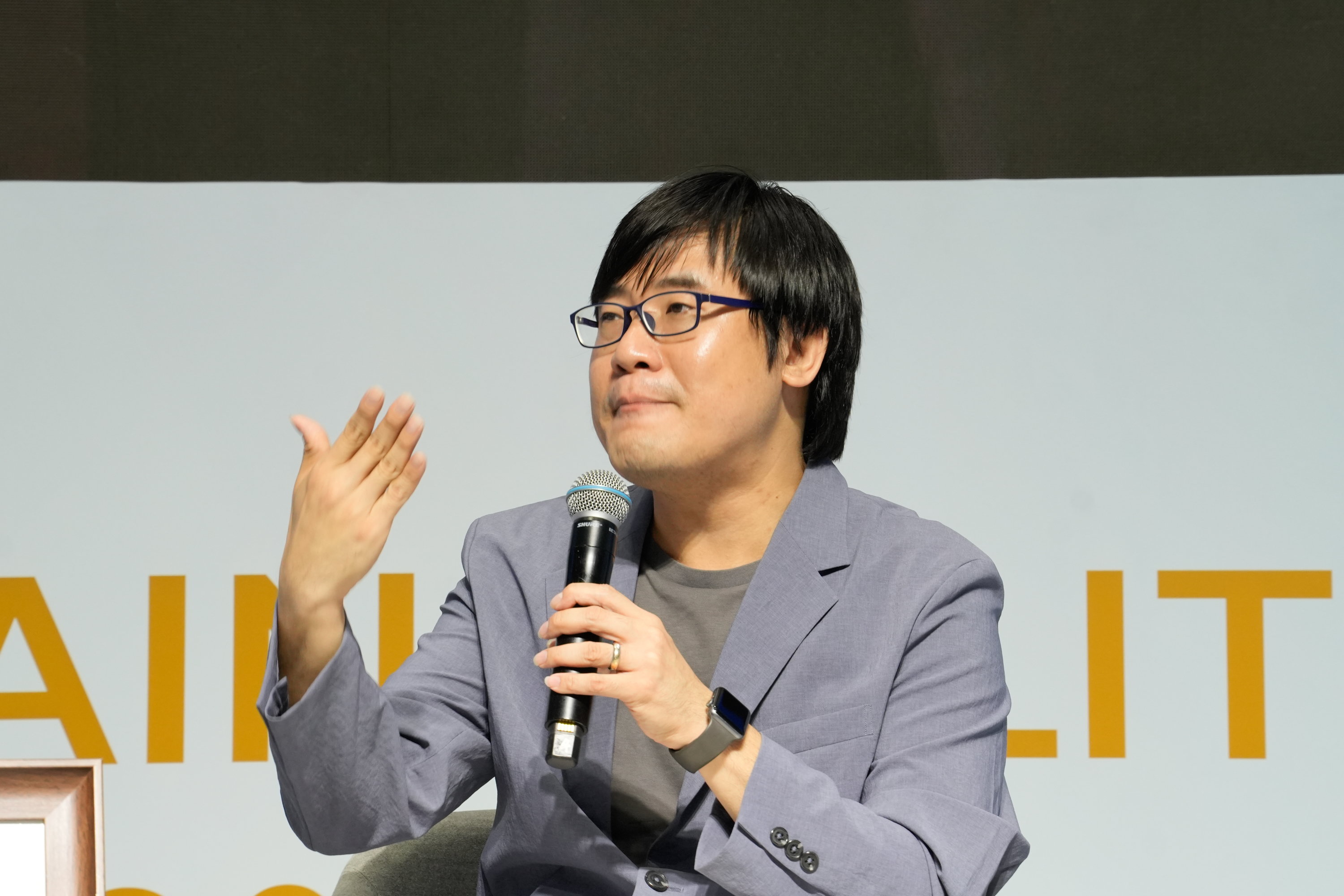
Approaches to Elderly Care Today
Both agreed that modern elderly care requires shifts in mindset and methods. Dr. Kengpong stated that elderly treatment today is not solely the doctor’s responsibility or disease-focused but requires family involvement. It involves multiple dimensions: physical, mental, and social — all equally important.
He added that sometimes a “white lie” is necessary to comfort elders—for example, telling them surgery is free when there might be costs involved.
Advance care planning is also critical. Dr. Kengpong shared that his grandmother had prepared a bag with essential items for her passing since age 70 and updated it regularly. This shows acceptance of death as a life transition and the importance of preparation.
Preparing for a Sustainable Future
Dr. Kengpong and Tosapol both emphasized starting health care early—not waiting until age 50. Building a strong health foundation from childhood through nutritious eating, regular exercise, and preventing non-communicable diseases (NCDs) leads to longer, better-quality lives.
Tosapol, a new father as of last year, added that preparing to be a parent and caring for the elderly share similarities, requiring physical and mental readiness.
Preventing Early Dementia
Dr. Kengpong also mentioned the Japanese concept of ikigai — finding life’s purpose. Allowing elders to engage in society and activities they enjoy reduces risks of Alzheimer’s and early dementia. Being sedentary at home increases dementia risk by 30%. Providing opportunities for elders to pursue passions adds meaning and improves mental health.
Elderly Care: Beyond Physical Treatment
Elder care involves understanding and nurturing family relationships. Quality life and peaceful passing require readiness physically, mentally, and good communication. Preparation for old age should start in childhood to build lasting health foundations.
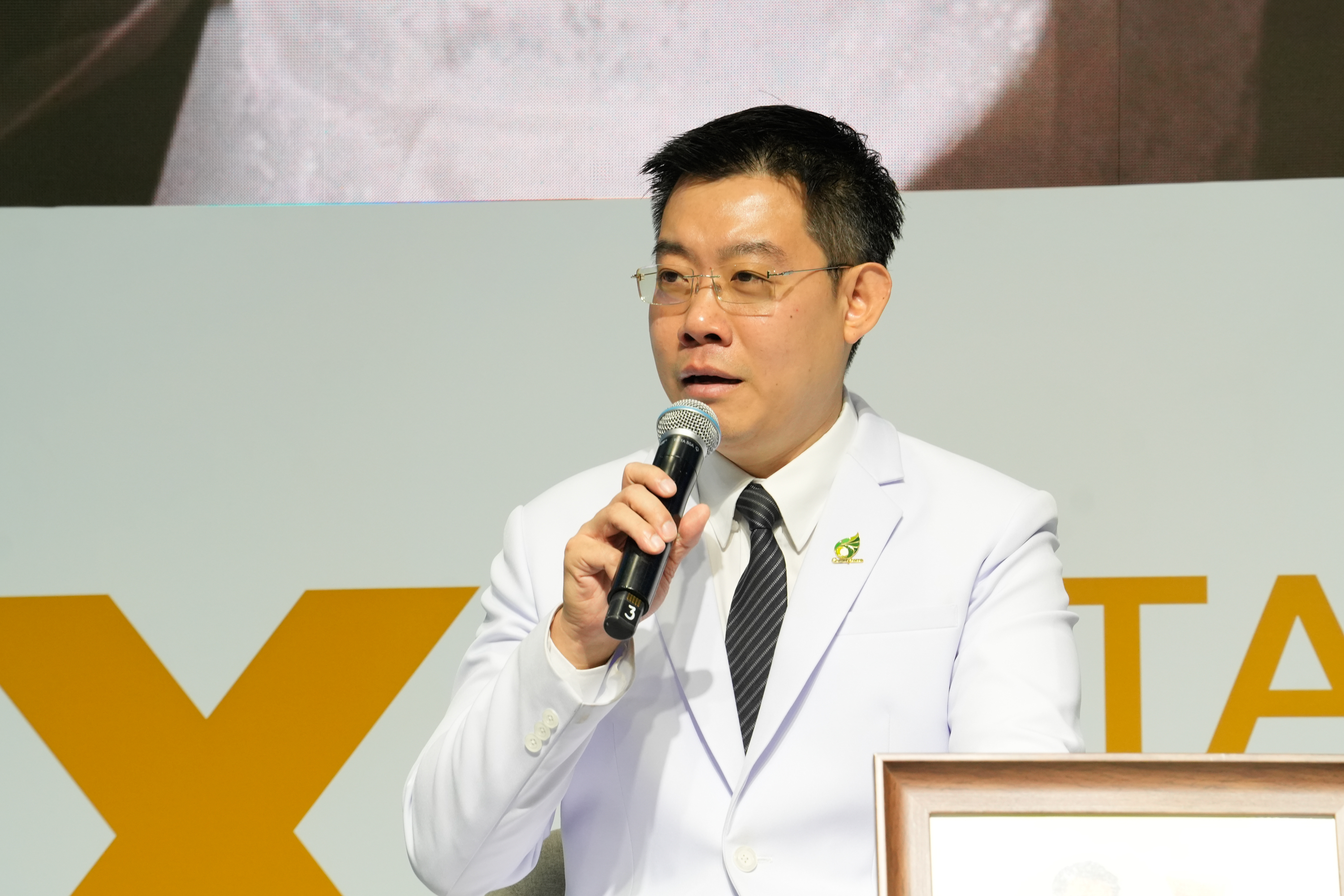
“Sustainability is everyone’s business.” Join us in making the world livable and sustainable through numerous activities, exchanging innovative ideas with renowned speakers, artists, and idols from all fields. Discover groundbreaking innovations that help save the planet and learn to adapt to daily life amid a warming world with balance.
Come to SUSTAINABILITY EXPO (SX2024), now through October 6, 2024, 10:00 AM – 8:00 PM, at Queen Sirikit National Convention Center (QSNCC).
Follow SX news and activities via Facebook Page: Sustainability Expo, and LINE @sxofficial. Discover inspiring perspectives and sustainable social change models, plus many activities to protect our planet together at
SUSTAINABILITY EXPO 2024: Good Balance, Better World