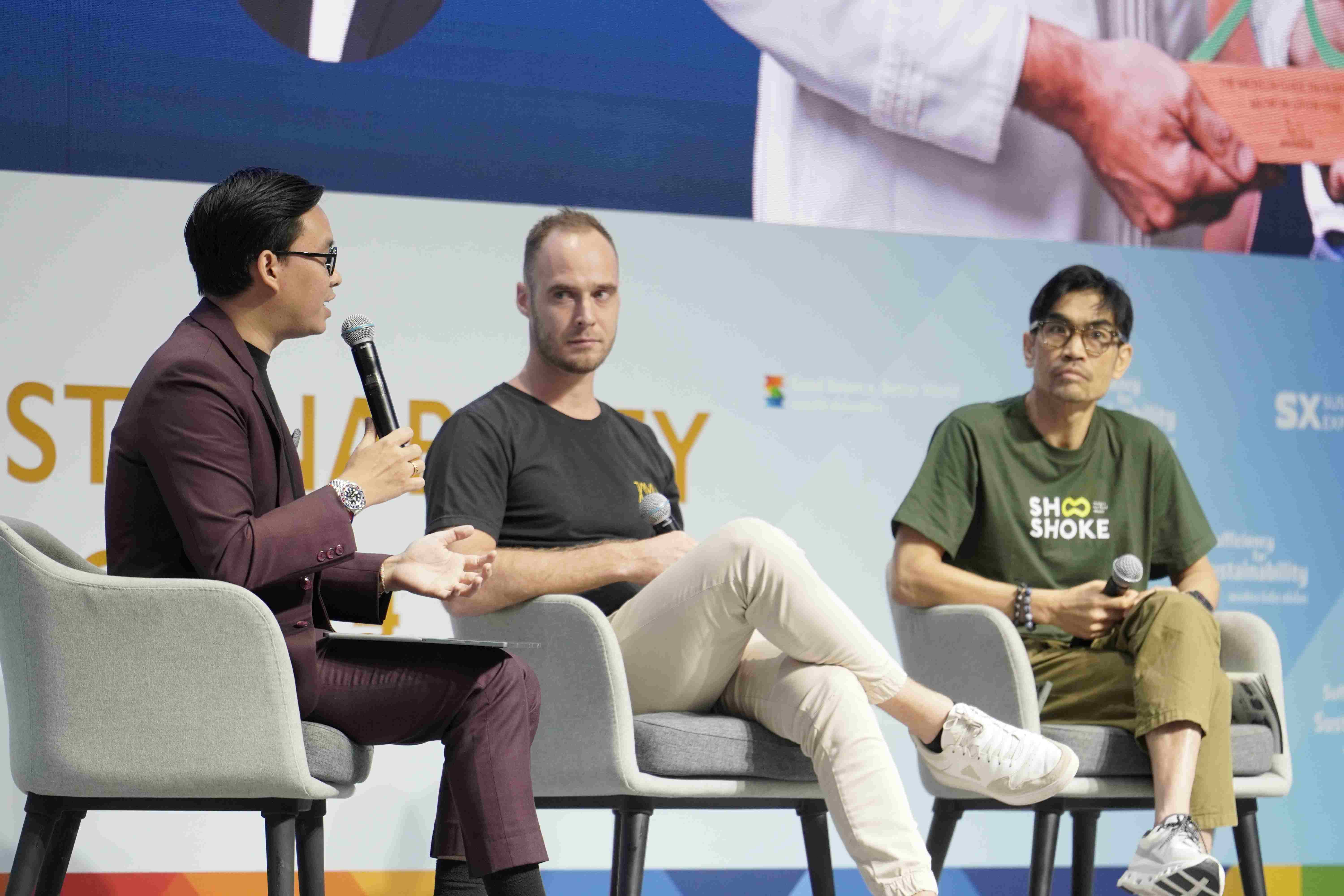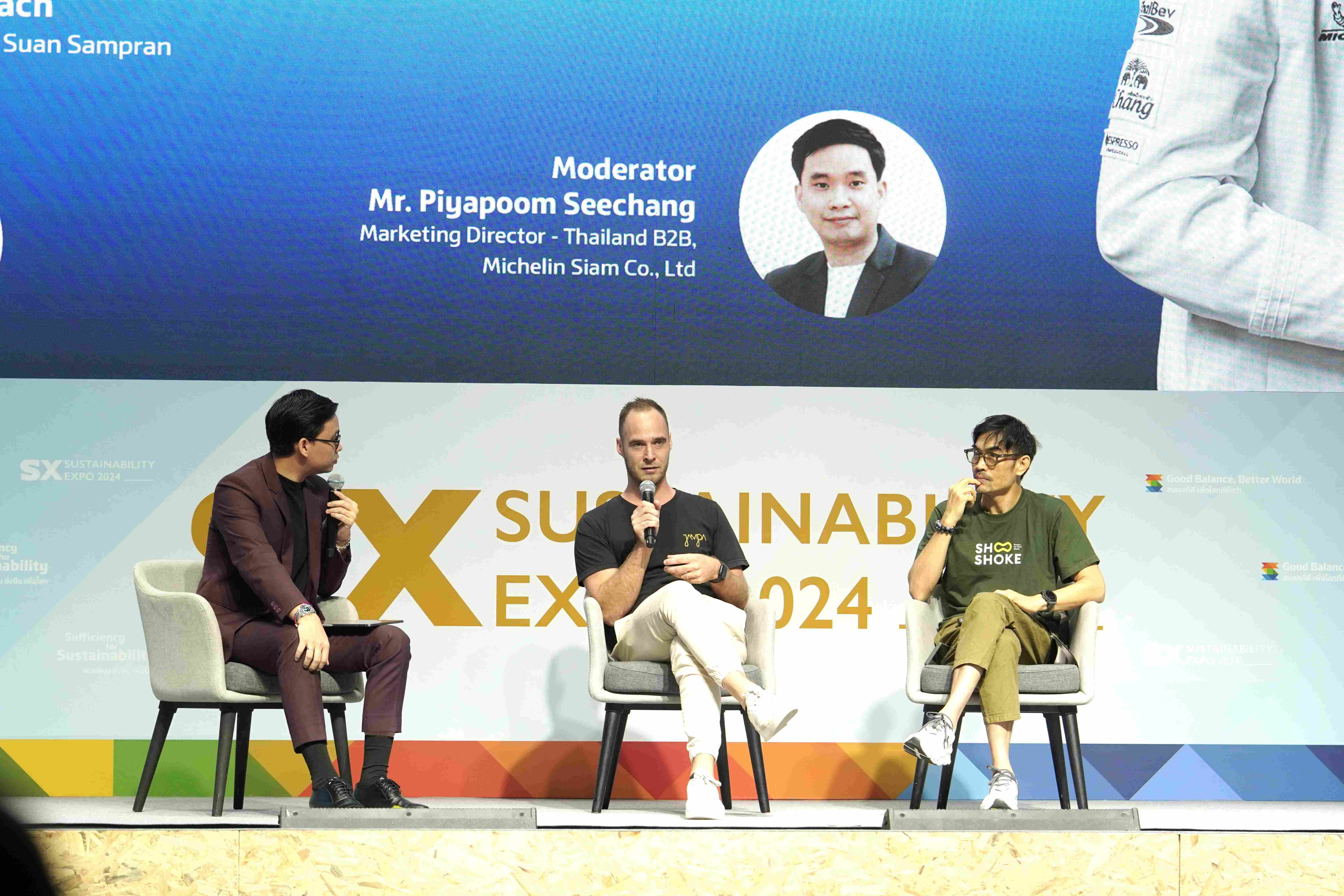
Is “eating to save the planet” really possible? For the average consumer, it might seem like a lofty ideal. But for those in the food industry, it’s far from far-fetched. Entrepreneurs and chefs are increasingly confident that sustainable consumption is not only achievable—but also gaining traction, especially in the wake of the COVID-19 pandemic, which sparked a surge in health awareness.
Arun Navaraj, Managing Director of Suan Sampran Co., Ltd. and President of the Thai Organic Consumer Association (TOCA), shared during a panel on “Creating Menus That Can Change the World” at the Sustainability Expo 2024 (SX2024):
“Today’s consumers are becoming more conscious—especially after COVID. They're more aware of food waste and the importance of value chains. If people want to eat organic, where do they go? How can they find credible sources that meet their needs? That’s exactly what TOCA is working on: pointing consumers to authentic organic sources.”
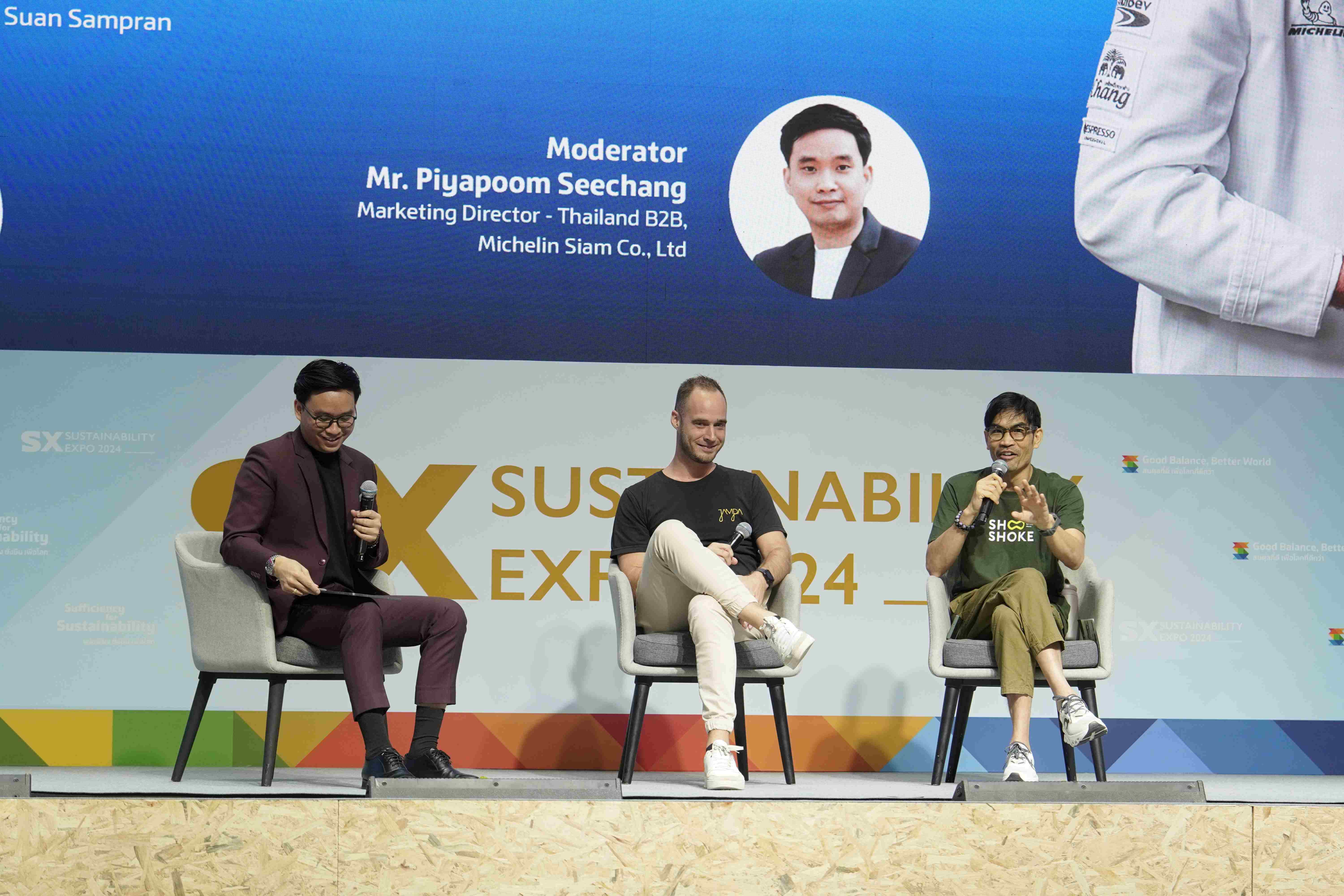
On the same stage, Chef Rick Dingen, a Michelin Green Star chef, shared his experience:
“Over the past five years, customer traffic at our restaurant Jampa has grown significantly. We’ve noticed more interest from guests in knowing where our ingredients come from and how we incorporate sustainability. We now collaborate with top organic fishers to ensure
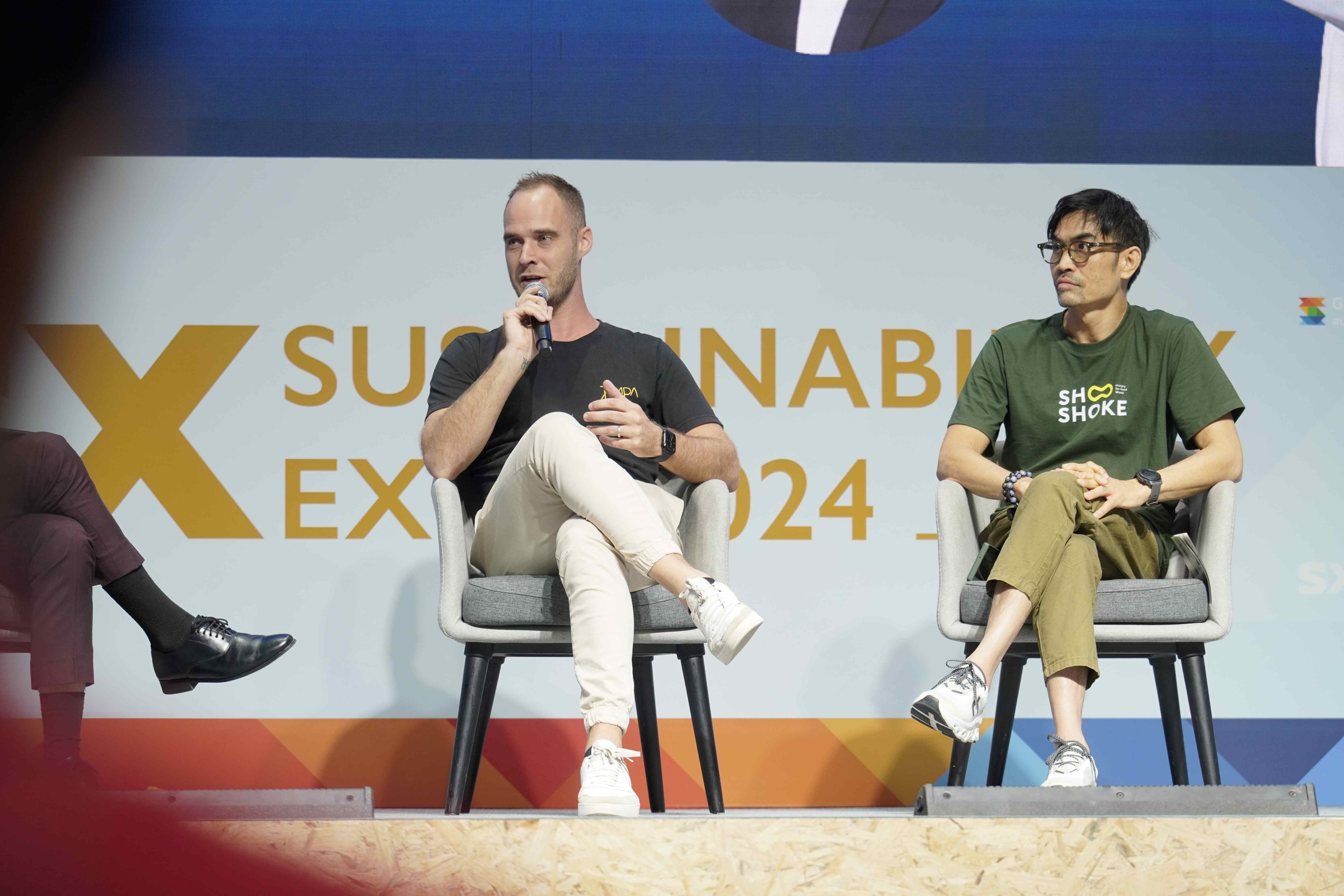
Both Chef Rick and Arun, pioneers behind the socially driven Sampran Model, agree: growing the number of conscious consumers requires collaboration across industries. The aim is to create a seamless experience for people to access information about organic agriculture and easily purchase organic goods—an effort that connects the entire supply chain.
Arun explains:
“Why is organic so important? It’s clearly a key solution—it helps reduce carbon emissions and is the best choice available. Currently, Thailand has around 300,000 to 500,000 organic farmers—only about 3% of all farmers. Organic rice fields occupy about 1 million rai, which is less than 1% of all farmland. Most of these are rice growers.”
At Jampa, a Michelin two-star restaurant, there is also a “Jampara Garden” from which the chef harvests ingredients directly. The garden is managed sustainably, and the restaurant adheres to a zero-waste philosophy. Food scraps are composted into fertilizer for the garden—no need for imported chemical fertilizers.
Chef Rick observes crop cycles and designs menus based on what’s seasonally available. Beyond homegrown ingredients, he also works closely with local farmers and fishers to stay attuned to their harvests.
“I meet with our local fisher-suppliers about twice a week to plan dishes. We never pre-order ingredients—we let nature dictate the menu. Everything is seasonal and zero-waste,” Chef Rick said.
“Maintaining a good relationship with farmers is crucial. If they’re happy, we’re happy—and that happiness flows on to the customers.”
For over 14 years, Sookjai Market, organized by Suan Sampran, has connected organic farmers directly with consumers. This eliminates middlemen, ensures farmers receive fairer prices, and provides consumers with fresh, chemical-free produce at affordable costs. Each weekend, the market sees over 500 shoppers—a growing model of participatory consumerism.
Buying directly from organic farmers doesn’t just raise incomes. It also drastically cuts input costs—organic farming typically reduces production expenses by more than 70% due to the elimination of chemical inputs.
“It’s the first time many farmers have been able to set their own fair prices and grow what they’re happy to sell,” Arun noted.
Both Arun and Chef Rick emphasize the value of local ingredients, which are typically better suited for local bodies and climates. Not only are they fresher and tastier, but they also reduce greenhouse gas emissions.
“Take salmon, for example—I think we’re eating too much of it. Local food is often more beneficial to our health. Nature provides the best nourishment in the environment we live in. I try to eat less salmon and truffle—even though I love them,” Arun admitted.
Chef Rick added:
“Thailand has excellent local produce. It’s all about cooking techniques and creativity. At Jampa, we use every part of ingredients like beetroot and turn them into stunning dishes. I also see it as my responsibility to educate customers about the stories behind each dish.”
Saving the planet may not be as far out of reach as it seems. Simply eating with awareness, responsibility, and intention—whether by choosing organic and local food, minimizing waste, or respecting the entire supply chain from farm to fork—can make a significant impact.
“Sustainability is everyone’s business.”
Join the movement to build a livable, sustainable world at Sustainability Expo 2024: Good Balance, Better World, where visionary thinkers, artists, and sustainability advocates share ideas, innovations, and solutions to tackle climate and social challenges.
Now through October 6, 2024
🕙 10:00 AM – 8:00 PM
📍 Queen Sirikit National Convention Center (QSNCC)
Gallery